
IELTS Speaking Parte 1: Politeness Preguntas y respuestas
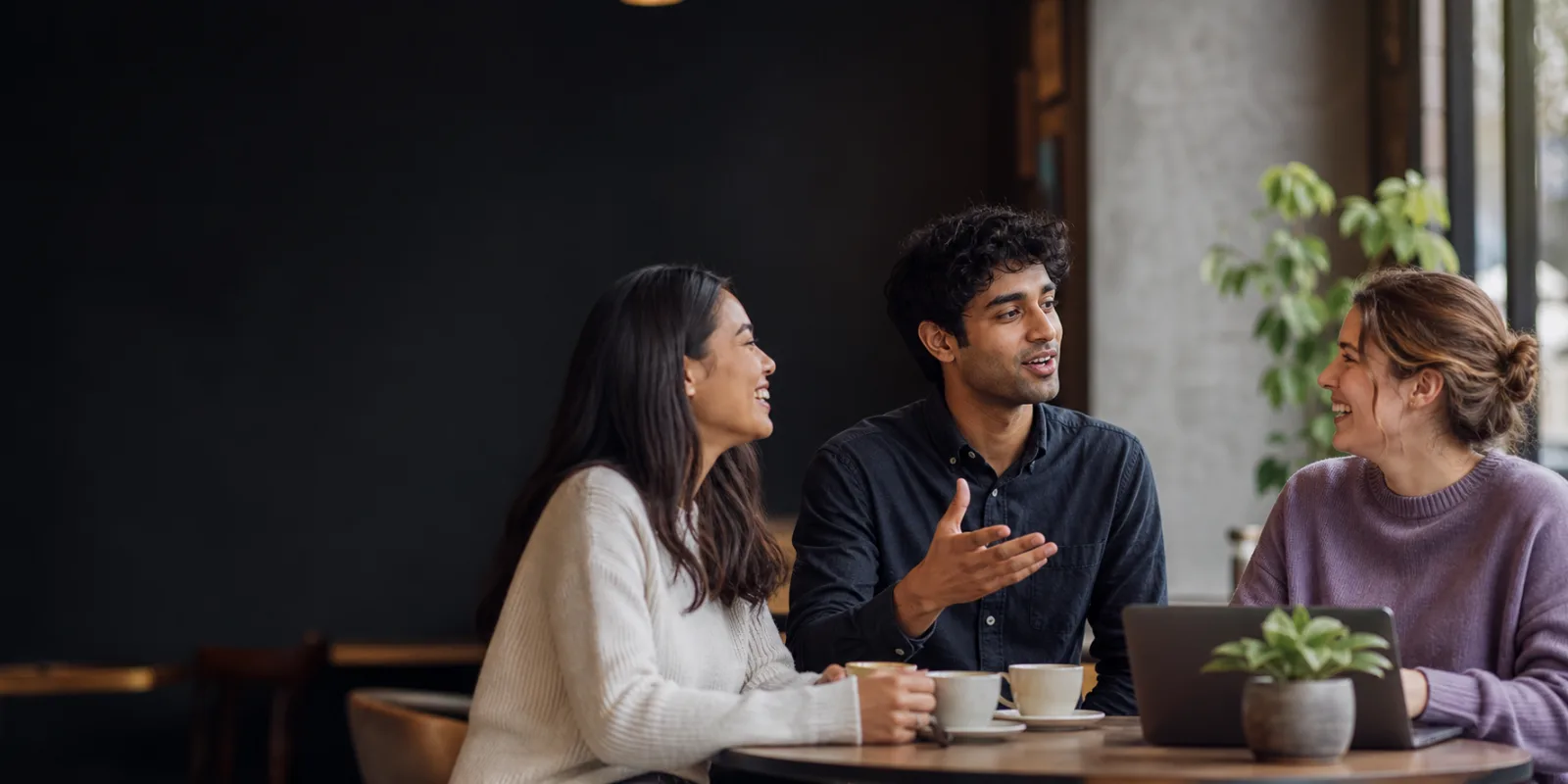
preguntas de la parte 1
Mueva una pregunta a la vez: escuche, responda, compare y vuelva a intentarlo. El texto completo de la pregunta permanece en la página HTML para accesibilidad y búsqueda.
- 01How did you learn to be polite as a child?
- 02Do you think being polite is very important?
- 03On what occasions should we be polite?
- 04What did you do to show your politeness as a child?
Estado de preparación: ciclo de tema previsto. Este recurso de práctica independiente no es un documento oficial del IELTS y las preguntas de su examen pueden ser diferentes. Cómo se etiquetan los temas.
Respuestas modelo, escuchadas una al lado de la otra
Comience con la respuesta más simple, cambie Band para escuchar cómo se puede desarrollar la misma tarea y luego registre una respuesta personal. Estos son ejemplos de enseñanza, no respuestas oficiales ni garantías de puntuación.
How did you learn to be polite as a child?
Mostly from my parents and teachers. They taught me simple things like saying "please" and "thank you" and not interrupting. At home we had rules and they corrected me when I was rude.
I picked it up mainly from my family and from school. My parents always modelled good manners, and teachers reinforced them with small rules and praise. For example, we were reminded to say "please" and "thank you", to wait our turn and to apologise when needed, so it became a habit.
It was a combination of role‑modelling and routine. My parents quietly demonstrated respectful behaviour and my teachers reinforced it through classroom routines and rewards. Over time politeness became automatic because it was linked to positive feedback and social acceptance, rather than just a list of rules.
Do you think being polite is very important?
Yes, I think it's important. Being polite makes people feel respected and it helps you get on with others. If you're rude, people might not like you.
Yes, it's quite important. Politeness helps social interactions run smoothly and shows respect, which usually makes relationships easier. That said, it's also important to be honest — politeness shouldn't mean hiding the truth.
Generally yes — politeness functions as a social lubricant and a way of signalling respect, which helps build trust. But it's not absolute: there are times when directness is more appropriate, for example in emergencies or when you need to give critical feedback. So context matters.
On what occasions should we be polite?
We should be polite everywhere, like at home, at school and when we meet new people. Also when you speak to older people or teachers.
Politeness is expected in most everyday situations — at work, in class, when you meet people for the first time, and in public places. You also need to be careful in formal situations like interviews or ceremonies where a polite tone is essential.
You should adapt your politeness to the situation. Basic courtesy is appropriate almost everywhere — public spaces, workplaces and family events — but the degree changes: formal occasions such as job interviews or official ceremonies call for more measured, conventional politeness, whereas among close friends you can be more relaxed.
What did you do to show your politeness as a child?
I used to say "please" and "thank you" a lot. I also shared toys and said sorry when I did something wrong. My parents told me to be polite to guests.
As a child I showed politeness by using polite words, giving up my seat for older people, and helping set the table when guests came. I also learned to apologise properly and to write thank‑you notes after birthdays.
I practised politeness in small, everyday ways: saying "please" and "thanks", standing up for elders, and helping with household tasks when guests arrived. I also learned social rituals like writing brief thank‑you notes and apologising promptly, which taught me to read social cues and respond appropriately.
How to answer Politeness IELTS Speaking questions
This Politeness set contains 4 short interview questions. Start each answer with the information the examiner asked for, then extend it with one reason, example or contrast. The goal is spontaneous, connected speech—not a mini-essay.
- Responde la pregunta exacta en la primera oración.
- Agregue un motivo o detalle personal específico.
- Utilice un ejemplo o contraste sólo cuando agregue nueva información.
- Termine naturalmente y deje que el examinador haga la siguiente pregunta.
Enfoque pregunta por pregunta
| pregunta de práctica | movimiento de respuesta útil |
|---|---|
| How did you learn to be polite as a child? | Describe el proceso o diferencia en un orden claro y agrega un resultado. |
| Do you think being polite is very important? | Indique una opinión probable, explique el motivo y agregue una condición o ejemplo. |
| On what occasions should we be polite? | Da una respuesta directa, una razón y un breve ejemplo sin memorizar un guión. |
| What did you do to show your politeness as a child? | Primero nombra el objeto y luego describe una característica o ejemplo específico. |
Enfoque de vocabulario
El lenguaje útil ya demostrado en las respuestas modelo incluye role model, reinforce / reinforcement, good manners, social lubricant, signal respect, context matters, formal occasion, register. Aprenda cada significado y una asociación natural de palabras, luego use el elemento en una respuesta nueva en lugar de copiar un guión completo.
Errores comunes a evitar
- Dar una respuesta memorizada que responda sólo parcialmente a la pregunta.
- Agregar vocabulario difícil sin verificar el significado o la colocación.
- Reiniciar después de cada error en lugar de corregir brevemente y continuar.
- Leer la respuesta modelo antes de grabar su primer intento.
Politeness practice FAQ
How long should my answer be for Politeness in Part 1?
Busque una respuesta directa más una razón o detalle, generalmente de dos a cuatro oraciones. Deténgase cuando la idea esté completa en lugar de forzar un recuento fijo de palabras.
Should I memorise the Politeness model answers?
No. Úselos para notar la estructura y el lenguaje, luego responda desde su propia experiencia. La redacción memorizada puede fallar cuando el examinador cambia la pregunta.
¿Qué pasa si no tengo experiencia en el tema?
Dígalo honestamente y luego explique una preferencia, observación o ejemplo hipotético relacionado. Se le evalúa el idioma, no el conocimiento especializado.
