
雅思口语 Part 1:Clothing 题目与参考答案

Part 1 题目
每次练习一道题:听题、作答、对照并重试。为便于无障碍访问和搜索,页面 HTML 中会保留完整英文题目。
- 01What kind of clothes do you like to wear?
- 02Do you prefer to wear comfortable and casual clothes or smart clothes?
- 03Do you like wearing T-shirts?
- 04Do you spend a lot of time choosing clothes?
- 05Do you wear different styles of clothes on weekdays and weekends?
- 06What colour clothes do you like?
阅读完整的文字记录
I tend to favour a relaxed, practical style — jeans, simple T-shirts and a good coat for colder weather. I like natural fabrics, so I’ll choose cotton or wool where possible. I also mix in smarter pieces, like a blazer, when I want to look polished for a meeting or a night out.
备考状态:预测题季。本页面为独立备考资源,并非 IELTS 官方试卷;实际考试题目可能不同。 话题标签说明.
开口前先熟悉话题
使用图像作为想法提示。描述您注意到的内容,将其与您的经历联系起来,然后回答真正的问题。

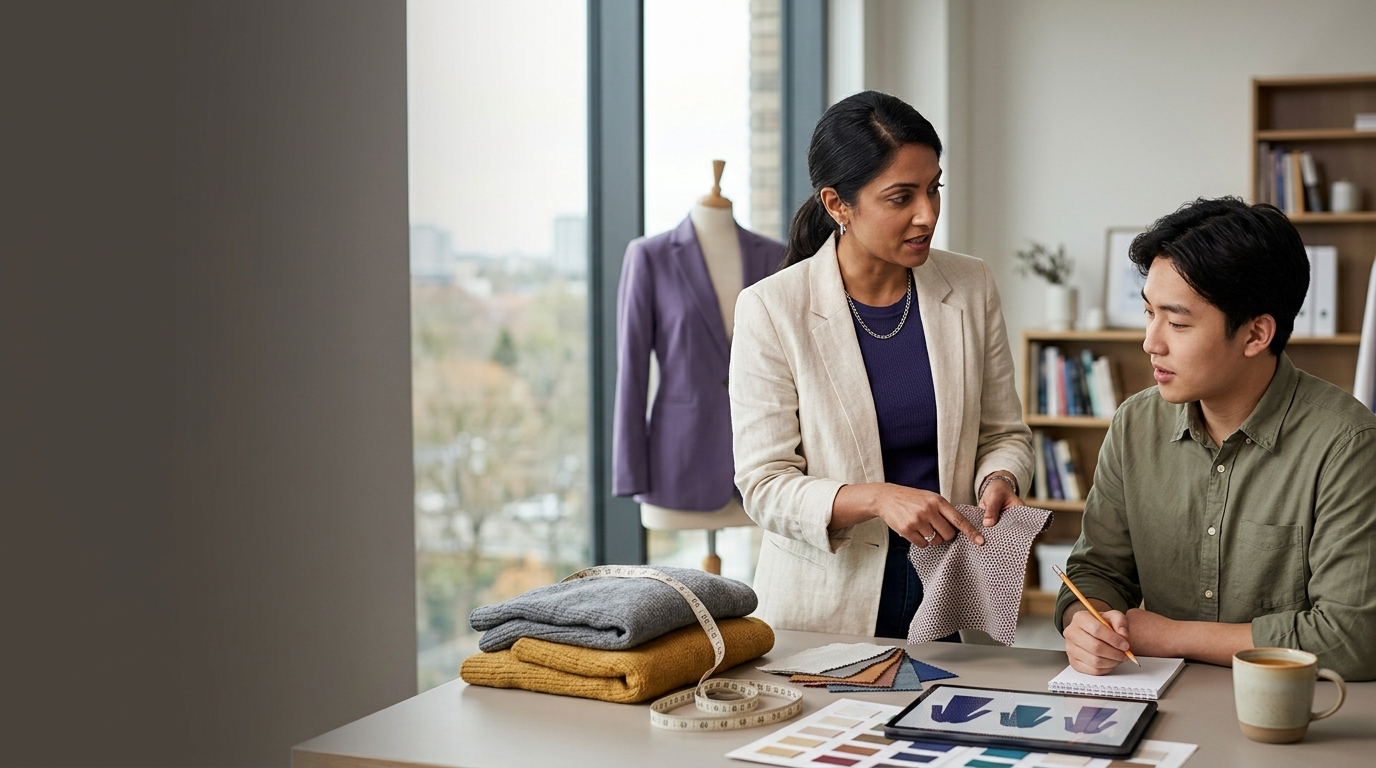
对照聆听参考答案
先听较简单的答案,再切换 Band 对照同一道题如何展开,最后录制你自己的回答。这些内容仅为教学示例,不是官方答案,也不保证对应分数。
What kind of clothes do you like to wear?
I usually wear casual clothes like jeans and T-shirts. I find them comfortable and easy to move in. For colder days I add a jumper or a jacket. If I need to go somewhere formal I’ll wear a shirt and smarter trousers.
I tend to favour a relaxed, practical style — jeans, simple T-shirts and a good coat for colder weather. I like natural fabrics, so I’ll choose cotton or wool where possible. I also mix in smarter pieces, like a blazer, when I want to look polished for a meeting or a night out.
Do you prefer to wear comfortable and casual clothes or smart clothes?
I prefer comfortable and casual clothes most of the time. They’re better for daily life and I can move around easily. But when I have a formal event or work meeting I put on smarter clothes.
Generally I choose comfort over formality — smart-casual is my default. That said, I’ll dress up when the situation calls for it, because looking smart can make a good impression. So I try to strike a balance depending on where I’m going.
Do you like wearing T-shirts?
Yes, I like wearing T-shirts. They’re easy and comfortable and go with almost anything. I have a few with simple prints and some plain ones. I wear them at home and on weekends.
Absolutely — T-shirts are a staple for me. I like plain ones for layering and a couple of printed ones to add personality. They’re versatile, cheap to replace and work well under a jacket or on their own in warm weather.
Do you spend a lot of time choosing clothes?
No, I don’t spend a lot of time choosing clothes. I pick something quickly most mornings. For special occasions I might think more about it and try different outfits.
Not really — I try to keep it simple. I have a few reliable combinations and a capsule of go-to items, so mornings are quick. If I’m preparing for an important event I’ll plan my outfit in advance and maybe try a couple of options.
Do you wear different styles of clothes on weekdays and weekends?
Yes, I wear different styles. During the week I wear more formal or smart-casual clothes for work. At the weekend I choose comfortable clothes like joggers or jeans and T-shirts.
Yes, there’s definitely a difference. On weekdays I tend to be more smart-casual because of work — shirts, chinos and sensible shoes. At the weekend I switch to more relaxed clothes, maybe trainers and a hoodie, unless I’m going out for something a bit dressy.
What colour clothes do you like?
I like neutral colours like black, blue and grey. They’re easy to match and don’t show stains. Sometimes I wear brighter colours if I feel like it.
I mostly wear neutrals — navy, grey and black — because they’re versatile and easy to mix. I do add a pop of colour with a scarf or trainers now and then to brighten an outfit, especially in spring or summer.
如何回答服装雅思口语问题
该服装套装包含 6 个简短的面试问题。每个答案都以考官要求的信息开始,然后用一个原因、例子或对比来扩展它。目标是自发的、连贯的演讲,而不是一篇小论文。
- 准确回答第一句中的问题。
- 添加一个原因或具体的个人详细信息。
- 仅当添加新信息时才使用示例或对比。
- 自然地结束,让考官提出下一个问题。
逐题练习方法
| 练习题 | 实用作答方法 |
|---|---|
| What kind of clothes do you like to wear? | 首先命名事物,然后描述特定的功能或示例。 |
| Do you prefer to wear comfortable and casual clothes or smart clothes? | 直接回答,给出理由并添加一个自然的个人细节。 |
| Do you like wearing T-shirts? | 直接回答,给出理由并添加一个自然的个人细节。 |
| Do you spend a lot of time choosing clothes? | 直接回答,给出理由并添加一个自然的个人细节。 |
重点词汇
模型答案中已经展示的有用语言包括 relaxed, polished, natural fabrics, smart-casual, strike a balance, impression, staple, layering。学习每个含义和自然的单词伙伴关系,然后在新的答案中使用该项目,而不是复制完整的脚本。
需要避免的常见问题
- 给出的记忆答案只能部分回答问题。
- 添加困难的词汇而不检查含义或搭配。
- 每次错误后重新启动,而不是短暂纠正并继续。
- 在记录您自己的第一次尝试之前,请先阅读标准答案。
服装练习常见问题解答
对于第 1 部分中的服装,我的答案应该有多长?
目标是直接回答加上原因或细节,通常是两到四句话。当想法完成时就停止,而不是强制固定字数。
我应该记住服装模特的答案吗?
不。用它们来注意结构和语言,然后根据您自己的经验回答。当考官改变问题时,记忆的措辞可能会失败。
如果我没有该主题的经验怎么办?
诚实地说出来,然后解释相关的偏好、观察或假设的例子。您的评估标准是语言,而不是专业知识。
