
IELTS Speaking Parte 1: Clothing Preguntas y respuestas

preguntas de la parte 1
Mueva una pregunta a la vez: escuche, responda, compare y vuelva a intentarlo. El texto completo de la pregunta permanece en la página HTML para accesibilidad y búsqueda.
- 01What kind of clothes do you like to wear?
- 02Do you prefer to wear comfortable and casual clothes or smart clothes?
- 03Do you like wearing T-shirts?
- 04Do you spend a lot of time choosing clothes?
- 05Do you wear different styles of clothes on weekdays and weekends?
- 06What colour clothes do you like?
Lea la transcripción completa
I tend to favour a relaxed, practical style — jeans, simple T-shirts and a good coat for colder weather. I like natural fabrics, so I’ll choose cotton or wool where possible. I also mix in smarter pieces, like a blazer, when I want to look polished for a meeting or a night out.
Estado de preparación: ciclo de tema previsto. Este recurso de práctica independiente no es un documento oficial del IELTS y las preguntas de su examen pueden ser diferentes. Cómo se etiquetan los temas.
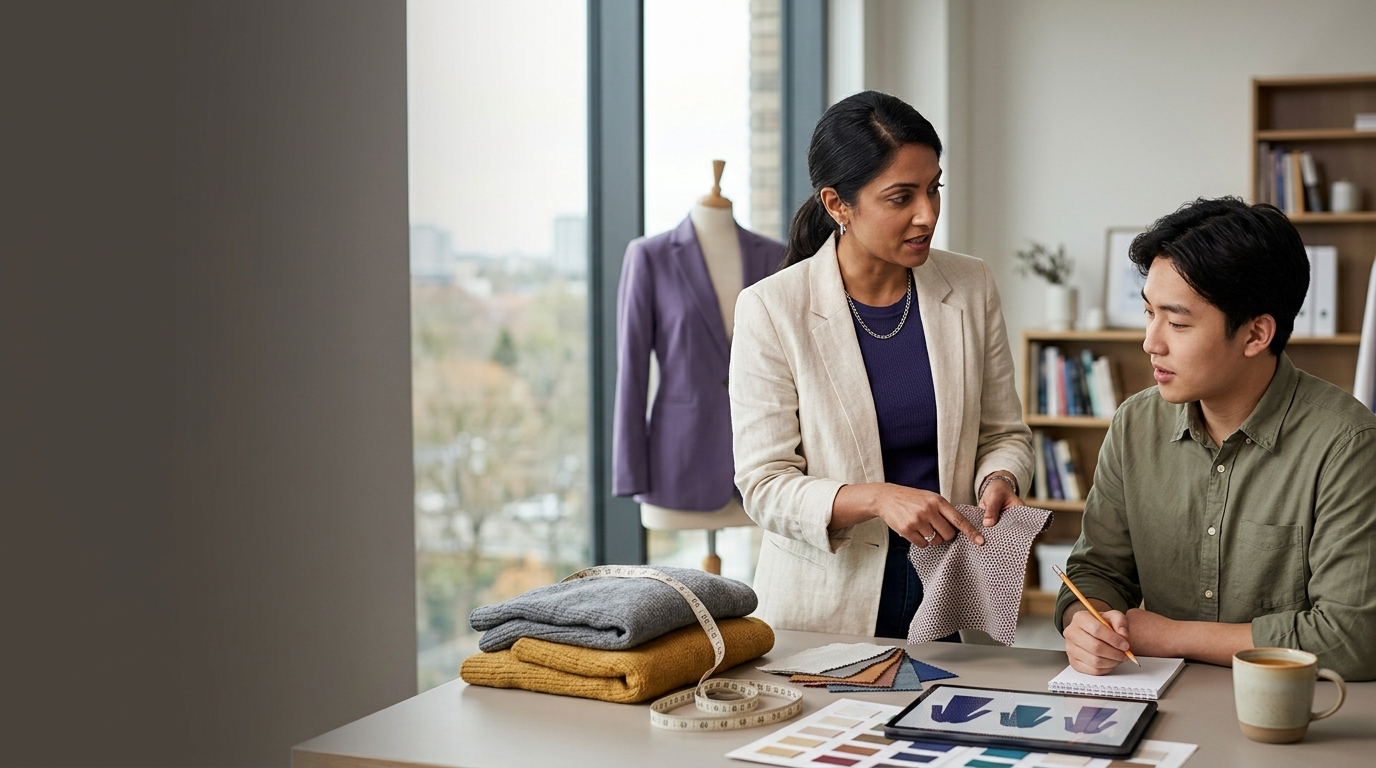
Vea el tema antes de hablar.
Utilice las imágenes como sugerencias de ideas. Describe lo que notas, conéctalo con tu experiencia y luego responde la pregunta real.

Respuestas modelo, escuchadas una al lado de la otra
Comience con la respuesta más simple, cambie Band para escuchar cómo se puede desarrollar la misma tarea y luego registre una respuesta personal. Estos son ejemplos de enseñanza, no respuestas oficiales ni garantías de puntuación.
What kind of clothes do you like to wear?
I usually wear casual clothes like jeans and T-shirts. I find them comfortable and easy to move in. For colder days I add a jumper or a jacket. If I need to go somewhere formal I’ll wear a shirt and smarter trousers.
I tend to favour a relaxed, practical style — jeans, simple T-shirts and a good coat for colder weather. I like natural fabrics, so I’ll choose cotton or wool where possible. I also mix in smarter pieces, like a blazer, when I want to look polished for a meeting or a night out.
Do you prefer to wear comfortable and casual clothes or smart clothes?
I prefer comfortable and casual clothes most of the time. They’re better for daily life and I can move around easily. But when I have a formal event or work meeting I put on smarter clothes.
Generally I choose comfort over formality — smart-casual is my default. That said, I’ll dress up when the situation calls for it, because looking smart can make a good impression. So I try to strike a balance depending on where I’m going.
Do you like wearing T-shirts?
Yes, I like wearing T-shirts. They’re easy and comfortable and go with almost anything. I have a few with simple prints and some plain ones. I wear them at home and on weekends.
Absolutely — T-shirts are a staple for me. I like plain ones for layering and a couple of printed ones to add personality. They’re versatile, cheap to replace and work well under a jacket or on their own in warm weather.
Do you spend a lot of time choosing clothes?
No, I don’t spend a lot of time choosing clothes. I pick something quickly most mornings. For special occasions I might think more about it and try different outfits.
Not really — I try to keep it simple. I have a few reliable combinations and a capsule of go-to items, so mornings are quick. If I’m preparing for an important event I’ll plan my outfit in advance and maybe try a couple of options.
Do you wear different styles of clothes on weekdays and weekends?
Yes, I wear different styles. During the week I wear more formal or smart-casual clothes for work. At the weekend I choose comfortable clothes like joggers or jeans and T-shirts.
Yes, there’s definitely a difference. On weekdays I tend to be more smart-casual because of work — shirts, chinos and sensible shoes. At the weekend I switch to more relaxed clothes, maybe trainers and a hoodie, unless I’m going out for something a bit dressy.
What colour clothes do you like?
I like neutral colours like black, blue and grey. They’re easy to match and don’t show stains. Sometimes I wear brighter colours if I feel like it.
I mostly wear neutrals — navy, grey and black — because they’re versatile and easy to mix. I do add a pop of colour with a scarf or trainers now and then to brighten an outfit, especially in spring or summer.
Cómo responder a las preguntas orales del IELTS sobre ropa
Este conjunto de ropa contiene 6 preguntas breves de entrevista. Comience cada respuesta con la información que solicitó el examinador y luego amplíela con una razón, ejemplo o contraste. El objetivo es un discurso espontáneo y conectado, no un mini ensayo.
- Responde la pregunta exacta en la primera oración.
- Agregue un motivo o detalle personal específico.
- Utilice un ejemplo o contraste sólo cuando agregue nueva información.
- Termine naturalmente y deje que el examinador haga la siguiente pregunta.
Enfoque pregunta por pregunta
| pregunta de práctica | movimiento de respuesta útil |
|---|---|
| What kind of clothes do you like to wear? | Primero nombra el objeto y luego describe una característica o ejemplo específico. |
| Do you prefer to wear comfortable and casual clothes or smart clothes? | Responde directamente, da un motivo y añade un detalle personal natural. |
| Do you like wearing T-shirts? | Responde directamente, da un motivo y añade un detalle personal natural. |
| Do you spend a lot of time choosing clothes? | Responde directamente, da un motivo y añade un detalle personal natural. |
Enfoque de vocabulario
El lenguaje útil ya demostrado en las respuestas modelo incluye relaxed, polished, natural fabrics, smart-casual, strike a balance, impression, staple, layering. Aprenda cada significado y una asociación natural de palabras, luego use el elemento en una respuesta nueva en lugar de copiar un guión completo.
Errores comunes a evitar
- Dar una respuesta memorizada que responda sólo parcialmente a la pregunta.
- Agregar vocabulario difícil sin verificar el significado o la colocación.
- Reiniciar después de cada error en lugar de corregir brevemente y continuar.
- Leer la respuesta modelo antes de grabar su primer intento.
Preguntas frecuentes sobre la práctica de ropa
¿Cuánto tiempo debería durar mi respuesta para Ropa en la Parte 1?
Busque una respuesta directa más una razón o detalle, generalmente de dos a cuatro oraciones. Deténgase cuando la idea esté completa en lugar de forzar un recuento fijo de palabras.
¿Debo memorizar las respuestas del modelo de ropa?
No. Úselos para notar la estructura y el lenguaje, luego responda desde su propia experiencia. La redacción memorizada puede fallar cuando el examinador cambia la pregunta.
¿Qué pasa si no tengo experiencia en el tema?
Dígalo honestamente y luego explique una preferencia, observación o ejemplo hipotético relacionado. Se le evalúa el idioma, no el conocimiento especializado.
