
IELTS スピーキング パート 1: Home and Accommodation 質問と回答
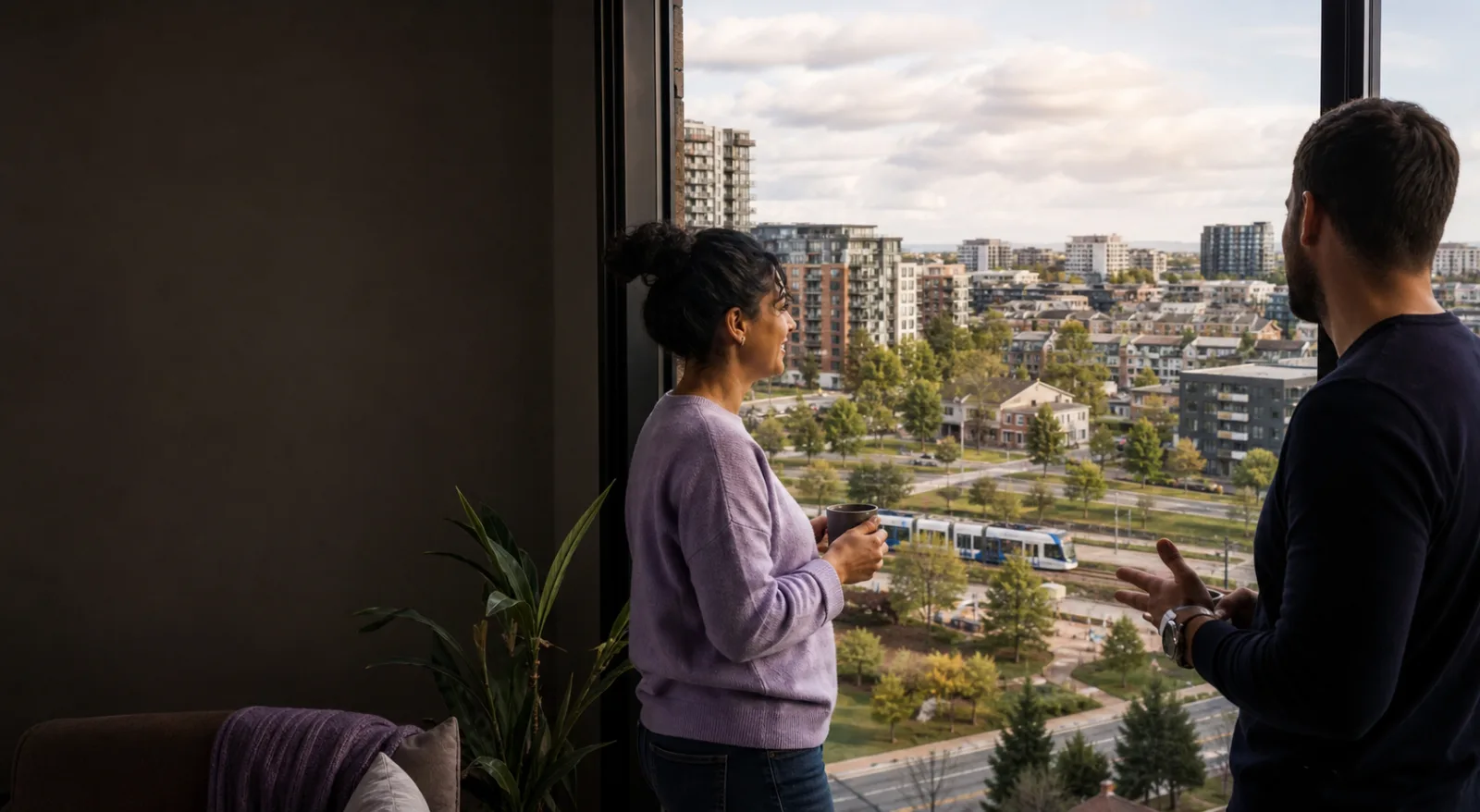
家と宿泊施設はよく知られたパート 1 のテーマです。この常緑のガイドを使用して、あなたが住んでいる家の種類、周囲のエリア、好きなもの、変更したいもの、将来どこに住むかを説明する練習をしてください。
自宅と宿泊施設パート 1 の質問
一度に 1 つずつ質問を進めてください。聞いて、答え、比較し、再試行してください。完全な質問テキストは、アクセシビリティと検索のためにページの HTML に残ります。
- 01Do you live in a house or an apartment?Full Band 6/7 answer →
- 02Can you describe the place where you live?Full Band 6/7 answer →
- 03How long have you lived there?Full Band 6/7 answer →
- 04What do you like most about your home?
- 05What is the area or neighbourhood like?
- 06Is there anything you would like to change about your home or area?
- 07Do you plan to continue living there in the future?
- 08What kind of home would you like to live in one day?
練習状況:エバーグリーンパート1ガイド。 Home は、公式 IELTS 準備教材でおなじみのスピーキング パート 1 テーマとして名前が付けられています。このページの模範解答と指導ノートは独立した IELTSpeaking 例であり、公式の試験解答ではありません。 公式形式のソースを参照してください.
模範解答を並べて聞く
より単純な答えから始めて、Band を切り替えて、同じタスクをどのように開発できるかを聞き、それから個人的な応答を記録します。これらは指導例であり、正式な解答やスコアの保証ではありません。
Do you live in a house or an apartment?
I live in a two-bedroom apartment with my parents. It is on the sixth floor of a fairly new building, about twenty minutes from the city centre. It is not very large, but it has enough space for the three of us.
I live with my parents in a two-bedroom apartment on the sixth floor of a modern residential block. It is in a well-connected suburb, so the city centre is roughly twenty minutes away by metro. The flat is fairly compact, but the layout makes good use of the available space.
Can you describe the place where you live?
My apartment has a living room, a small kitchen, two bedrooms and one bathroom. It is quite bright because the main windows face south. The furniture is simple, and we have a small balcony with a few plants.
It is a bright, practical apartment with an open-plan living area, two modest bedrooms and a narrow balcony overlooking a row of trees. We have kept the furniture quite minimal, which stops the rooms from feeling crowded. My favourite feature is the natural light we get in the afternoon.
How long have you lived there?
I have lived there for about five years. My family moved in when I started university because our old home was too far from campus. I am used to the area now, and most of the places I need are nearby.
I have been living there for just over five years. We moved when I began university, mainly to shorten my commute and be closer to public transport. At first the neighbourhood felt unfamiliar, but it gradually became home as I discovered the local shops and got to know a few neighbours.
What do you like most about your home?
The best thing is the location. There is a metro station near my building, as well as a supermarket and a park. It is easy to get to work, and I can go for a walk without travelling far.
What I value most is the combination of convenience and quiet. The metro, grocery shops and a public park are all within walking distance, yet our building is set back from the main road. That means my commute is straightforward without having to put up with much traffic noise at home.
What is the area or neighbourhood like?
It is a quiet residential area with a mix of families and older people. There are several small shops, cafés and a primary school. It can get busy in the morning, but in the evening it is usually peaceful.
It is a fairly settled residential neighbourhood with tree-lined streets and a mixture of apartment blocks and older houses. Most daily essentials are available locally, and there is a friendly community feel because people recognise one another. The only busy period is the morning school run.
Is there anything you would like to change about your home or area?
I would like a larger kitchen because two people cannot cook comfortably at the same time. In the area, I think there should be more bicycle parking. Apart from those things, I am happy living there.
If I could change one thing inside the flat, I would make the kitchen slightly more spacious, as it becomes cramped whenever two of us cook together. As for the neighbourhood, secure bicycle storage would be useful. They are small improvements, though, rather than reasons to move.
Do you plan to continue living there in the future?
I will probably stay there for another year or two because it is affordable and convenient for work. Later, I may move closer to the city centre if I find a better job, but I have not made a firm plan yet.
For the next couple of years, I expect to stay because the rent is manageable and the location suits my current job. In the longer term, I would consider moving somewhere more central, particularly if my work situation changes. At the moment, though, there is no urgent reason to leave.
What kind of home would you like to live in one day?
I would like to live in a medium-sized house near a park. I do not need a huge home, but I would like a garden and a quiet room where I could work. Good public transport would also be important.
My ideal home would be a modest, energy-efficient house on the edge of a city. I would want a small garden, a dedicated workspace and plenty of daylight rather than lots of extra rooms. The main priority would be finding a peaceful street that still has reliable public transport nearby.
住んでいる場所に関する質問にどう答えるか
要求された正確な情報を入力してから、具体的な詳細を 1 つ加えて個人的な回答にしましょう。たとえば、その場所を説明する前に、家の種類を特定します。移動した理由を説明する前に、十分な時間を与えてください。または、その機能がなぜ重要なのかを説明する前に、その機能の名前を挙げてください。
- 答え: ホーム、機能、好み、またはプランを直接述べます。
- 検索: サイズ、レイアウト、エリア、輸送、または時間に関する有用な詳細を追加します。
- 説明: 理由、効果、対比、または短い個人的な例を 1 つ挙げてください。
- 自然に停止します。 パート 1 のよくある質問を準備済みのスピーチに変えないでください。
家や宿泊施設に役立つ語彙
これらの項目を完全な単語のパートナーシップとして学習してください。回答を記録する前に、例の詳細を自分の家に関する情報に置き換えてください。
| 単語またはフレーズ | 意味 | 自然なコロケーション | 例 |
|---|---|---|---|
| 宿泊施設 | 誰かが住んでいる、または滞在している場所 | 学生寮・賃貸住宅 | 現在、職場近くの賃貸住宅に住んでいます。 |
| 住宅地 | オフィスや工場ではなく主に住宅として使用されるエリア | 静かな住宅街 | 私のアパートは中心部から外れた静かな住宅街にあります。 |
| よくつながっている | 公共交通機関や道路で簡単にアクセスできます | つながりの良い近所 | 近所は交通の便が良いので、車が必要になることはほとんどありません。 |
| within walking distance | 歩いて気軽に行ける距離にある | 駅から徒歩圏内 | 私が利用するほとんどのお店は徒歩圏内にあります。 |
| 広々とした | 十分なスペースがあること | 広々としたリビングルーム | リビングルームは家族全員で過ごすのに十分な広さです。 |
| コンパクト | 小さいながらも効率的に配置されている | コンパクトなアパート | コンパクトなアパートですが、実用的な間取りです。 |
| cramped | 不快に狭い、または混雑している | 狭いキッチン | キッチンは複数人で料理をすると狭く感じます。 |
| オープンプラン | 多くの内壁を持たない設計 | オープンプランのキッチンとリビングエリア | オープンプランのキッチンとリビングエリアがあります。 |
| natural light | 窓から入る日光 | 自然光をたっぷりと浴びる | 午後には自然光がたっぷり入るお部屋です。 |
| overlook | 上または近くから何かを見ること | 公園/中庭を見渡す | 私たちのバルコニーからは小さな共用庭園を見渡せます。 |
| アメニティ | 地域の便利な施設やサービス | 地元のアメニティ | 周辺にはクリニックや図書館などの便利な施設が揃っています。 |
| 通勤 | 家と職場または勉強の間の定期的な移動 | 短い通勤時間 / 通勤時間の短縮 | 地下鉄の近くに引っ越したことで、毎日の通勤時間が短縮されました。 |
| 近所 | 人の家の周囲の地域 | フレンドリーな近所 | 人々がお互いに挨拶を交わす、フレンドリーな地域です。 |
| から後退する | 道路や境界線から少し離れたところに位置する | 幹線道路から奥まったところにある | 建物は大通りから奥まったところにあるので、とても静かです。 |
| 転入/転出 | 家に住み始めるかやめる | 新しいアパートに引っ越します / 来年引っ越します | 私たちは5年前にこのアパートに引っ越してきました。 |
| スペースを上手に活用する | 限られたスペースを効果的に配置する | スペースを有効活用したレイアウト | 内蔵収納でスペースを有効活用できます。 |
よくある間違い
- 最初に質問に答えずに部屋や家具をリストアップする。
- すべての小さな家を「窮屈」と呼びます。スペースが効率的に配置されている場合、コンパクトはプラスになります。
- 個人的にはもっともらしいとは思えない、豪華な夢の家の説明を記憶する。
- 日常の正確な語彙を使用する代わりに、いくつかのイディオムを強制的に短い答えにします。
- 試験官が現在の自宅、出身地、近所のうち 1 つだけについて質問したときに混乱する。
家と宿泊施設に関するよくある質問
住居と宿泊施設パート 1 の回答はどれくらいの長さが必要ですか?
直接答えて、1 つの理由、詳細、または例を使ってそれを展開します。多くの場合、2 ~ 4 つの自然な文で十分ですが、必須の文や単語数はありません。
IELTSで言えばアパートまたはアパートと言ったほうがいいでしょうか?
どちらも正しいです。 Flat はイギリス英語で特に一般的ですが、apartment はいくつかの種類の英語で一般的です。自分にとって自然と感じる言葉を使用し、一貫性を保ってください。
住宅に関する高度な語彙を覚える必要がありますか?
いいえ、実際の家庭に合った正確な単語と自然なコロケーションを学びましょう。まれな単語が間違って使用されるよりも、「徒歩圏内」などの正確なフレーズの方が役立ちます。
自分の住んでいる場所が気に入らない場合はどうすればよいですか?
自然にそう言い、具体的な理由を 1 つ説明し、その後、良い点や変更点について言及します。 IELTSはあなたの意見が肯定的かどうかではなく、あなたの言語を評価します。
公式フォーマットのソース
これらの情報源は、自宅と宿泊施設が IELTS スピーキング パート 1 のテーマとしてよく知られており、公式形式の練習を提供していることを証明しています。このページの模範解答と指導解説はIELTSpeakingが独自に執筆しました。
