
IELTS スピーキング パート 2 & 3: Describe a home that you like to visit but do not want to live in
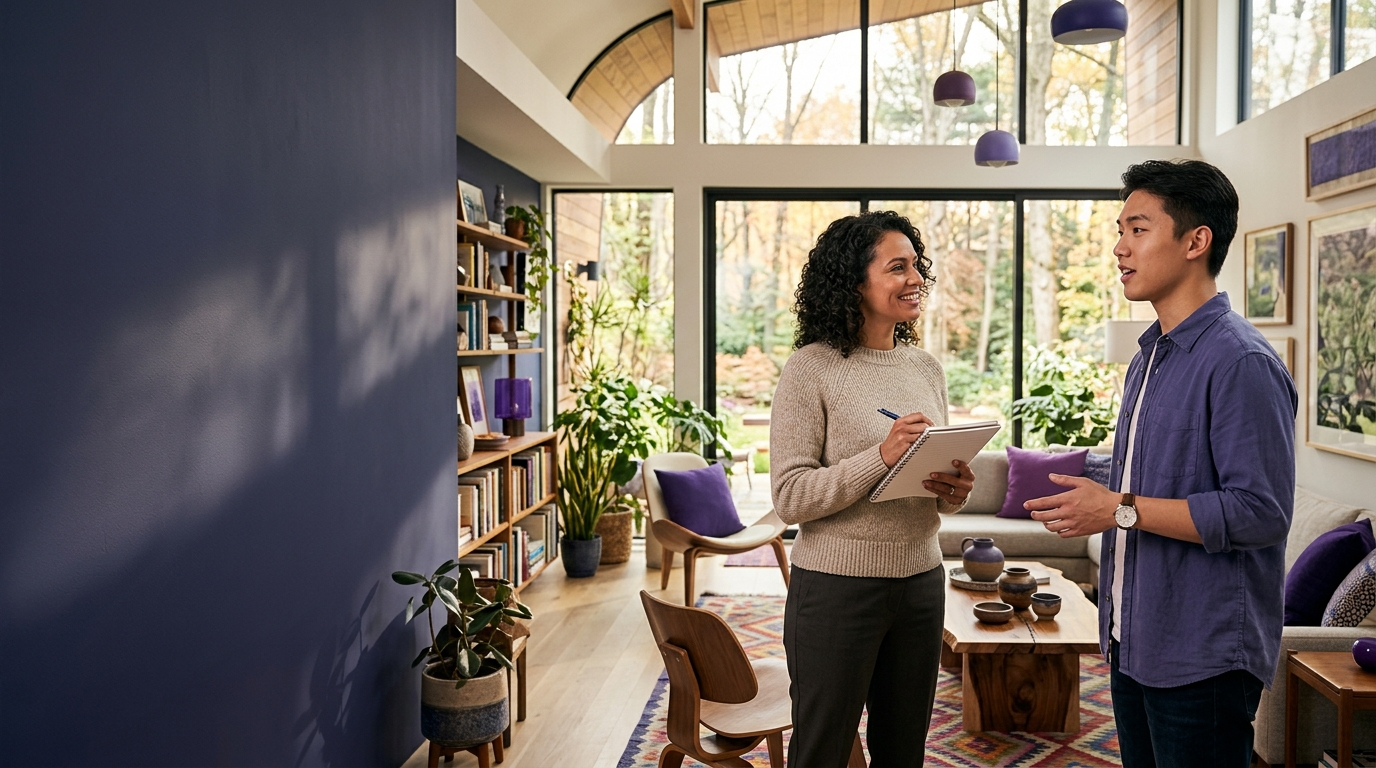
パート2のキューカード
Describe a home that you like to visit but do not want to live in
次のように言うべきです。
- どこにありますか
- それはどのようなものですか
- なぜそこを訪れるのが好きなのか
- そして、なぜそこに住みたくないのか説明してください
このトピックについて話す時間は 1 ~ 2 分です。
完全なトランスクリプトを読む
コーンウォールの海岸に下見板のコテージがあるので、訪れるのは大好きですが、永住はしたくないです。私の街からは約 2 時間の場所にあり、風が吹き抜ける崖の上にあり、湾の素晴らしい景色を眺めることができます。コテージ自体は居心地が良く、少し素朴で、低い梁、薪ストーブ、小さなキッチンがあり、何十年にもわたって集められた不一致の家具でいっぱいです。私が訪問するのが好きなのは、ペースを落としてメールや騒音から切り離さなければならないからです。砂浜に沿って長い散歩をすると、新鮮な空気で頭がすっきりします。たとえば、前回の旅行では海岸沿いの小道を5マイル歩きましたが、すっかりリフレッシュした気分になりました。しかし、そこには住みたくありません。なぜなら、そこは辺鄙で日常生活には非現実的だからです。最寄りのスーパーマーケットまでは 30 分かかり、ブロードバンドも不安定です。また、コテージはすきま風が強くて狭いため、冬の間は自宅で仕事をしたり、友人を定期的に招いたりすることが困難です。したがって、短期間の気晴らしの休憩には最適ですが、長期間の生活には適していません。
準備状況: 予測されたトピックサイクル。この独立した練習用リソースは IELTS の公式論文ではないため、テストの問題は異なる場合があります。 トピックのラベル付け方法.
パート 3 のディスカッションの質問
一度に 1 つずつ質問を進めてください。聞いて、答え、比較し、再試行してください。完全な質問テキストは、アクセシビリティと検索のためにページの HTML に残ります。
- 01Do Chinese people like to visit others' homes?
- 02What do Chinese people do when they visit others?
- 03What kind of place do people in your country like to live in?
- 04What's the difference between homes in cities and those in the countryside?
- 05What kind of gifts do people usually bring when they visit others?
- 06How often do you visit your relatives or friends?
話す前にトピックを確認する
画像をアイデアのヒントとして使用します。気づいたことを説明し、それを自分の経験に結び付けてから、本当の質問に答えてください。
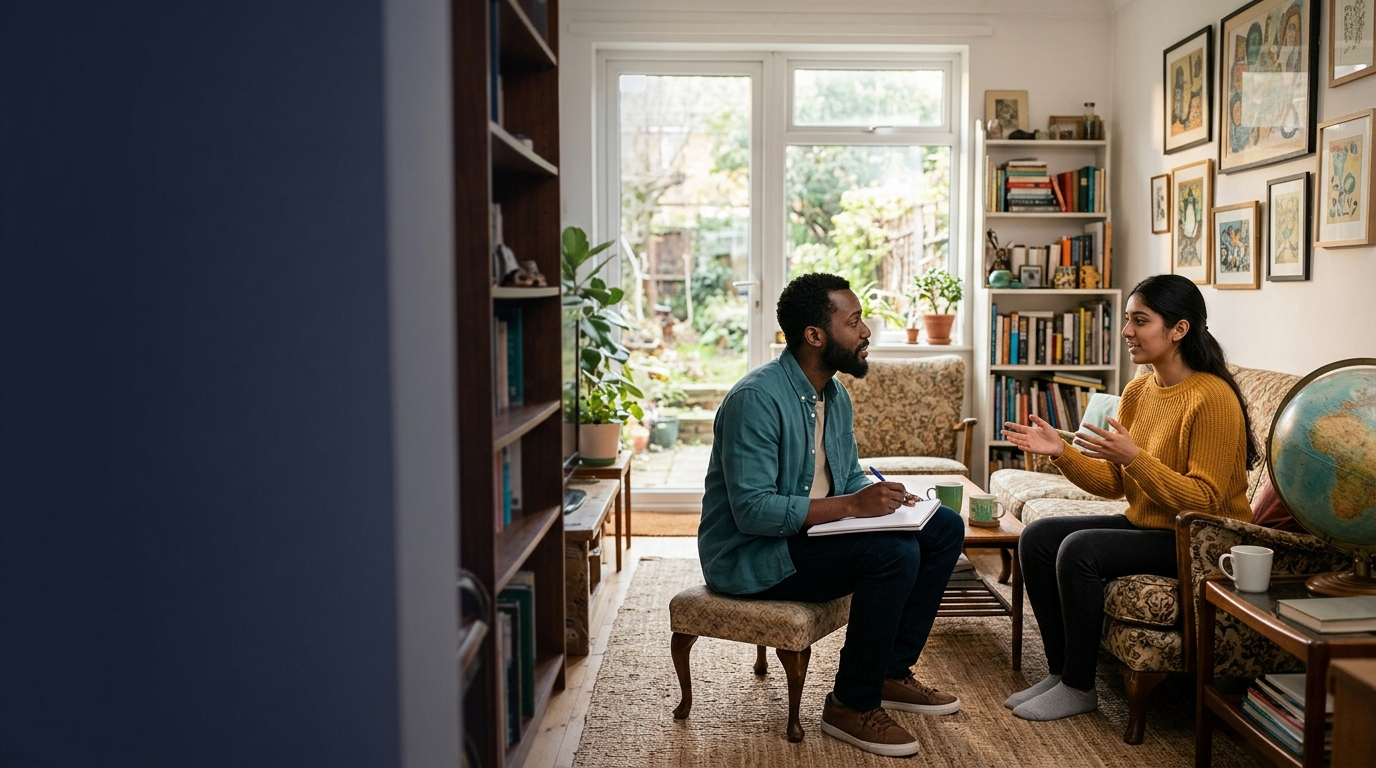
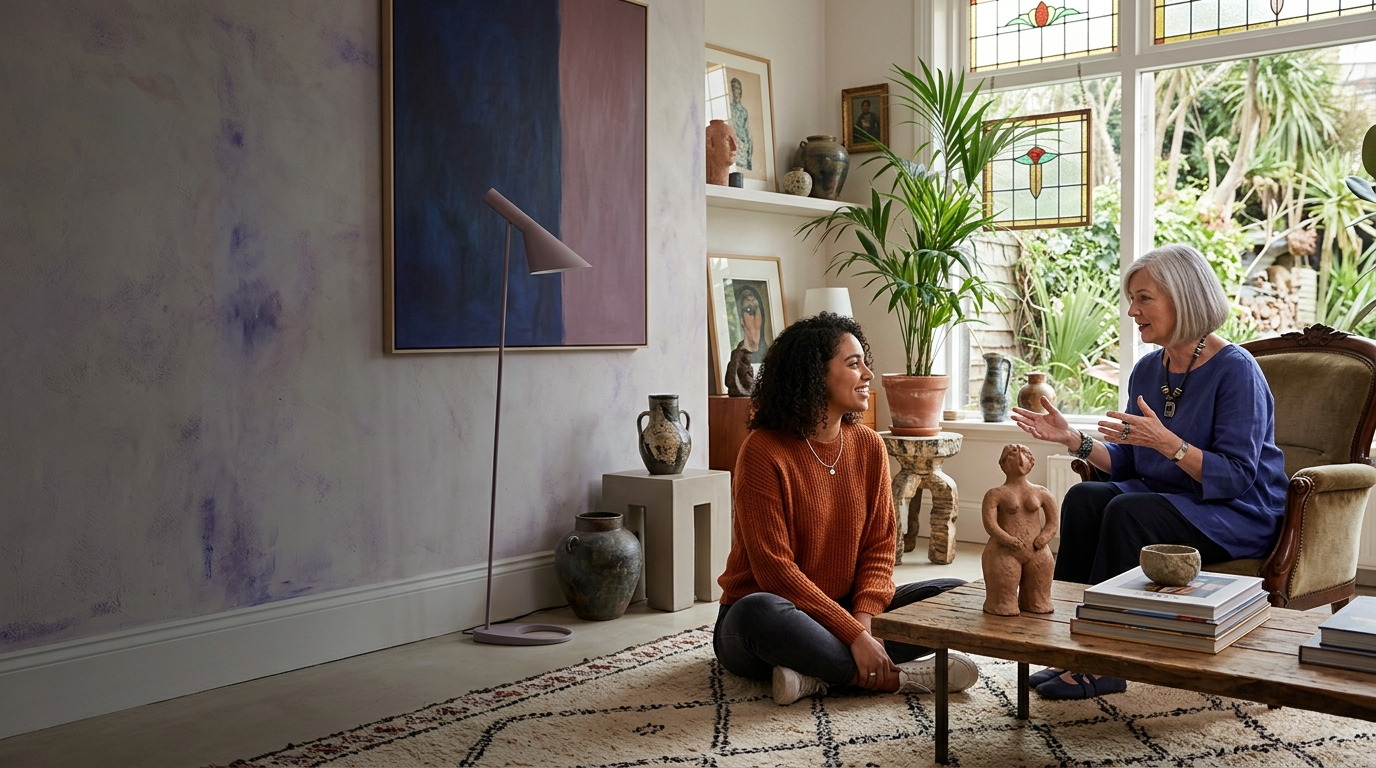
模範解答を並べて聞く
より単純な答えから始めて、Band を切り替えて、同じタスクをどのように開発できるかを聞き、それから個人的な応答を記録します。これらは指導例であり、正式な解答やスコアの保証ではありません。
パート 2 — 模範解答
Part 2 cue-card response
There is a house I like to visit but I wouldn't live in. It's my aunt's small seaside cottage about two hours from here. The cottage is old, with low ceilings, wooden floors and a tiny kitchen. I enjoy visiting because it's peaceful; we go to the beach, have barbecues and talk a lot. I like the fresh air and the view of the sea. But I wouldn't live there because it's too remote, the rooms are small and the heating is poor in winter. I prefer a bigger, warmer place in the city.
I like to visit a converted loft apartment in the creative quarter of my city's centre. It's owned by an old university friend who moved there when they became a designer. It's a short walk from a park and several cafés, so it's easy to get to. The building used to be a factory and now it's a tall open-plan space with big windows, bare brick walls and a mezzanine bedroom. There are plants by the windows, a massive wooden table for dinner and an impressive collection of books and art on the walls, which always gives it a warm, lived-in feel. I enjoy going there because the atmosphere feels inspiring and relaxed; we usually talk late into the night about projects and ideas. Also, my friend cooks great meals and the layout makes socialising easy, as everyone gathers in one big room. Despite all that, I wouldn't want to live there myself. The apartment is very noisy — you can hear traffic and people in the street below — and it's surprisingly cold in winter because of the large windows. It also lacks storage and private rooms, which would be a problem for day-to-day life; I prefer somewhere quieter with separate spaces for work and rest. It would also be too expensive to rent long-term.
I often visit a small lakeside cottage owned by some old family friends about an hour's drive from town. Nestled among trees on the edge of a quiet lake, the cottage is low and wooden with a creaky porch, a little garden and enormous windows that frame the water. Inside, there are comfortable armchairs, a wood-burning stove, shelves filled with board games and a scattering of mismatched crockery that gives it a cosy, lived-in character. I like going there because everything slows down: we take long walks by the shore, cook simple dinners together and sit up late watching storm-clouds roll over the hills. One winter evening, for example, we stayed up drinking hot chocolate and listening to rain on the roof — it felt restorative. Even so, I couldn't imagine living there permanently. The house is cold and damp for much of the year, heating is inefficient and the nearest supermarket is twenty miles away, which makes daily life inconvenient. Furthermore, the isolation that makes it idyllic for short stays would feel claustrophobic long-term; I value access to cultural events, work opportunities and friends' company that only a town or city can provide.
パート 3 — 模範解答
Do Chinese people like to visit others' homes?
Yes, many Chinese people do like to visit others' homes. Visiting is a way to see family and friends and to stay in touch. People often go for meals or festivals, and sometimes just to chat. But in big cities people may not visit as often because they are busy with work.
Generally speaking, visiting is an important part of social life in China. Family ties are strong, so people go to relatives' houses for festivals like Lunar New Year or for birthdays, and those visits are often quite formal. At the same time, urban lifestyles mean younger people sometimes prefer meeting in cafés or bars, so habits are changing. Hospitality and face-to-face conversation still matter, though — especially when elders are involved.
Yes — visiting remains a culturally significant practice, though the pattern varies by generation and location. Older people and those in rural areas tend to prioritise in‑person home visits for maintaining family bonds and showing respect, whereas many younger urbanites balance home calls with socialising outside the home or using messaging apps. Economic pressures and long working hours have reduced the frequency of visits for some, but when visits do happen they often carry clear social meanings around obligation, hospitality and reciprocity.
What do Chinese people do when they visit others?
When people visit they usually chat and have a meal together. Guests might bring food or fruit. Sometimes they play cards or watch TV. If it is a special day, they might stay longer.
Typically, a visit centres on food and conversation: guests bring a dish or a small gift, sit down for tea or a shared meal, and talk for a while. In many homes people also help with preparing food or clearing up, which is seen as polite. For longer visits, families may play games, look through photo albums or take a walk together — it depends on the situation.
What happens during a visit depends on the occasion and the relationship between host and guest. For casual calls people will exchange greetings, enjoy tea and perhaps a snack, and catch up; for more formal visits you'll often see ritual elements such as offering seats to elders, exchanging modest gifts and sitting down to a multi‑course meal. In some regions guests contribute by helping in the kitchen or bringing items to share, which reinforces communal bonds.
What kind of place do people in your country like to live in?
People in my country like to live somewhere comfortable and convenient. Many want a house with a garden or a flat near work. Good schools and shops nearby are important. People often prefer quieter neighbourhoods.
In my country the ideal home usually combines convenience and comfort: good transport links, access to shops and quality local schools are top priorities for families. Younger people often favour flats in the city for short commutes and nightlife, while families tend to look for houses with gardens in the suburbs. Affordability and proximity to work are increasingly decisive factors.
Preferences depend on life stage and income, but there are clear trends: many aspire to homes that balance accessibility with quality of life — for example, properties near good schools, public transport and green spaces. Professionals value compact city living for shorter commutes, whereas parents often seek suburban terraces or semi‑detached houses with gardens. Recent shifts — remote work and rising housing costs — are reshaping demand, with more people choosing flexible locations that offer both community and practicality.
What's the difference between homes in cities and those in the countryside?
Homes in cities are often flats and smaller. Countryside homes are usually bigger and have gardens. City homes are noisy and busy, while the countryside is quiet. Services like shops are nearer in cities.
City homes tend to be smaller, often flats or terraced houses, with limited outdoor space but easy access to shops, transport and entertainment. Countryside homes generally offer more space, a garden and a quieter environment, but services can be farther away and commutes longer. The style and age of properties also differ: older cottages in the country versus newer apartments in urban areas.
The contrast is both physical and social: urban dwellings prioritise density and accessibility — compact flats, apartments above shops and purpose‑built developments — while rural homes emphasise space, private gardens and a calmer atmosphere. This affects lifestyles: city residents benefit from proximity to work and cultural amenities, whereas country dwellers trade convenience for tranquillity and stronger local community ties. Energy efficiency, maintenance costs and transport dependency are other important differences to consider.
What kind of gifts do people usually bring when they visit others?
People usually bring food, fruit or flowers when they visit. Sometimes they bring wine or a small present. If it's a special event they might give something more valuable.
Common gifts are flowers, a bottle of wine, homemade food or a box of pastries — items that are easy to share with everyone. For more formal visits it's polite to choose something tasteful and not too personal, like good tea or nice biscuits. Presentation matters too; wrapping shows thought and respect.
Gifts are often practical and shareable — for example, a dessert, a bottle of wine or a nicely packaged box of tea — since hosts typically distribute them among guests. Etiquette matters: gifts should be modest, well presented and culturally appropriate; certain items or colours can be unsuitable on particular occasions. In some contexts monetary gifts in an envelope are normal, while in others a personal homemade item may be more appreciated — adapting to the host's preferences is the key.
How often do you visit your relatives or friends?
I visit my relatives about once a month or less if they live far away. I see close friends at the weekend sometimes. Work and distance make visits less often.
I try to visit my close relatives roughly once a month, though that varies — during holidays or special events I see them more often. Friends I meet more casually, usually at weekends or for an evening out. Work commitments and geography influence how often I can visit, so I also use phone or video calls sometimes.
It depends on who and where they are: I tend to see local family members every few weeks, whereas relatives who live farther away are usually visited only for major holidays or family gatherings. My friends and I meet more frequently, often at the weekend, but the rhythm has changed with work patterns and family life. Technology helps bridge the gaps, yet in‑person visits still carry greater emotional weight, so I try to prioritise those when possible.
答え方 IELTS スピーキングの質問で、訪れてみたいけど住みたくない家について説明してください。
「訪問したいけど住みたくない家について説明してください」カードの場合は、準備時間を使って話の流れを組み立てます。明確な主題を選択し、2 つの具体的な瞬間または詳細を追加し、それが重要な理由で終わります。次に、リンクされたパート 3 の質問を使用して、より広範な説明と比較を練習します。
キューカードのプロンプト:
- どこにありますか
- それはどのようなものですか
- なぜそこを訪れるのが好きなのか
- そして、なぜそこに住みたくないのか説明してください
- オープニング: 人、場所、物体、または出来事を特定します。
- 開発: 2 つの詳細または瞬間を論理的な順序で説明します。
- 拡張: 理由、結果、比較、または問題を説明します。
- 振り返り: その主題がなぜ記憶に残るのか、または重要なのかを最後に述べます。
質問ごとのアプローチ
| 練習問題 | 役に立つ答えの動き |
|---|---|
| Do Chinese people like to visit others' homes? | スクリプトを暗記せずに、直接的な答え、理由を 1 つ、短い例を述べてください。 |
| What do Chinese people do when they visit others? | まず物に名前を付けてから、具体的な機能や例を説明します。 |
| What kind of place do people in your country like to live in? | まず物に名前を付けてから、具体的な機能や例を説明します。 |
| What's the difference between homes in cities and those in the countryside? | まず物に名前を付けてから、具体的な機能や例を説明します。 |
語彙に焦点を当てる
模範解答で既に示されている有用な文言には次のようなものがあります。 hospitality (friendly, generous reception of guests), generational (relating to different age groups), reciprocity (mutual exchange of favours), ritual (a customary practice), modest (not large or showy), catch up (informal: exchange news), affordability (how affordable something is), commute (regular travel to work)。それぞれの意味と自然な単語の連携を学び、完全な台本をコピーするのではなく、新しい回答でその項目を使用します。
避けるべきよくある間違い
- 質問に対して部分的にしか答えていない、暗記した回答をする。
- 意味やコロケーションを確認せずに、難しい語彙を追加する。
- エラーが発生するたびに、簡単に修正して続行するのではなく、再起動します。
- 自分の最初の解答を記録する前に、模範解答を読んでください。
行ってみたいけど実際には住みたくない家について説明してください FAQ
「訪問したいけど住みたくない家について説明する」カードの準備議事録をどのように使用すればよいですか?
冒頭、2 つまたは 3 つの詳細、最後の感想のキーワードを書きます。完全な文章を書こうとしないでください。
キューカードのすべての箇条書きをカバーする必要がありますか?
プロンプトはトークを整理するのに役立ちます。それらをカバーすることは有益ですが、機械的に各行をチェックするよりも、1 ~ 2 分間の一貫した応答の方が重要です。
パート 3 の質問はパート 2 にどのように関連していますか?
これらは、理由、比較、社会的影響、将来の可能性を通じて同じ広範なテーマを展開するため、通常、回答にはパート 1 よりも詳しい説明が必要です。
