
IELTS スピーキング パート 2 & 3: Describe a person who loves to grow plants (e.g. vegetables, flowers) at home or in the garden
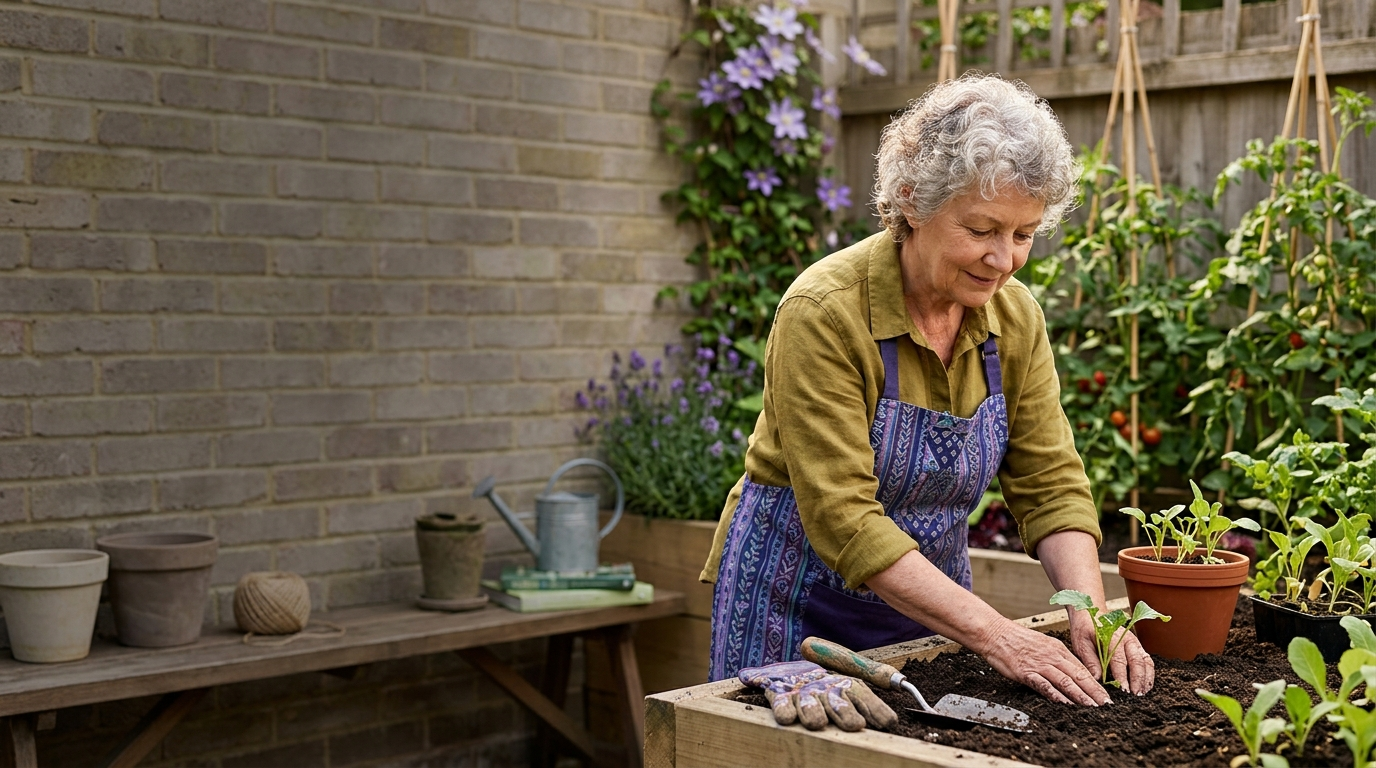
パート2のキューカード
Describe a person who loves to grow plants (e.g. vegetables, flowers) at home or in the garden
次のように言うべきです。
- この人は誰ですか
- 彼/彼女が育てている植物は何ですか
- 彼/彼女は植物をどのように育てるのか
- そしてなぜ彼/彼女が植物を育てるのが好きなのか
このトピックについて話す時間は 1 ~ 2 分です。
完全なトランスクリプトを読む
One person I can think of is my neighbour Emma, who’s been growing plants for about ten years. She’s a retired teacher who transformed the front yard into a small urban garden, and everyone in the street knows her for it. She grows a mixture of vegetables and ornamentals: tomatoes, chillies, basil, lettuces, along with roses and climbing jasmine. In summer she also keeps tubs of dahlias and a selection of succulents on the windowsill. Emma uses a few raised beds and several large pots because our soil is quite heavy; she mixes in homemade compost to improve it. She’s meticulous about watering — drip irrigation for the veg and a watering can for the pots — and she propagates cuttings to save money. She’s also careful with natural pest control and practices companion planting, which has reduced problems with aphids and slugs. She says gardening keeps her active and gives her a steady supply of fresh salad leaves; she also enjoys the routine and the chance to nurture life. For her, the best part is watching something tiny grow into a plant you can eat or give as a present, and she loves teaching her grandchildren how to sow seeds.
準備状況: 予測されたトピックサイクル。この独立した練習用リソースは IELTS の公式論文ではないため、テストの問題は異なる場合があります。 トピックのラベル付け方法.
パート 3 のディスカッションの質問
一度に 1 つずつ質問を進めてください。聞いて、答え、比較し、再試行してください。完全な質問テキストは、アクセシビリティと検索のためにページの HTML に残ります。
- 01What are the advantages of growing vegetables or flowers at home?
- 02Do many people grow vegetables or flowers at home in your country?
- 03Is it easy to grow plants at home?
- 04Why do some people like to grow plants?
- 05Why do some people prefer to grow their own fruits and vegetables instead of buying them from the market?
- 06Do you think students should learn to grow plants?
話す前にトピックを確認する
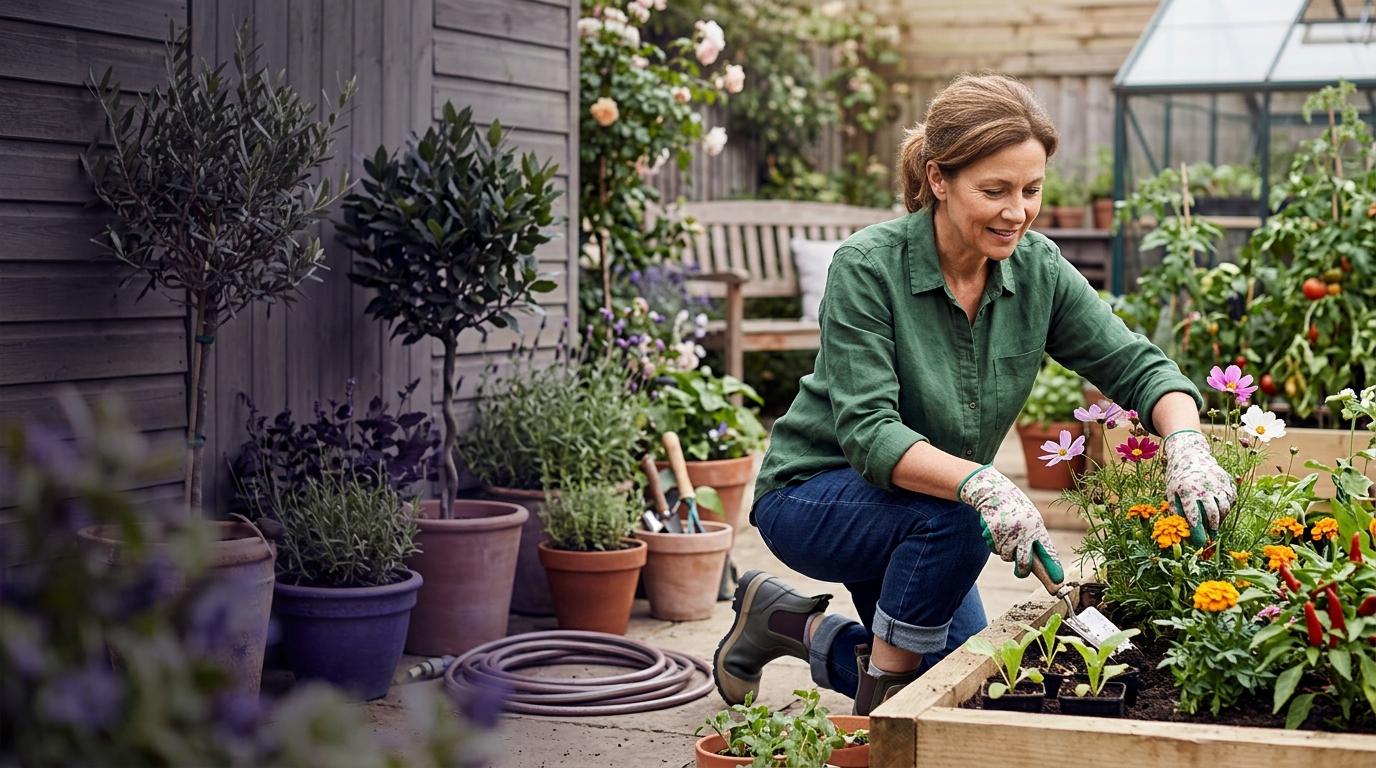
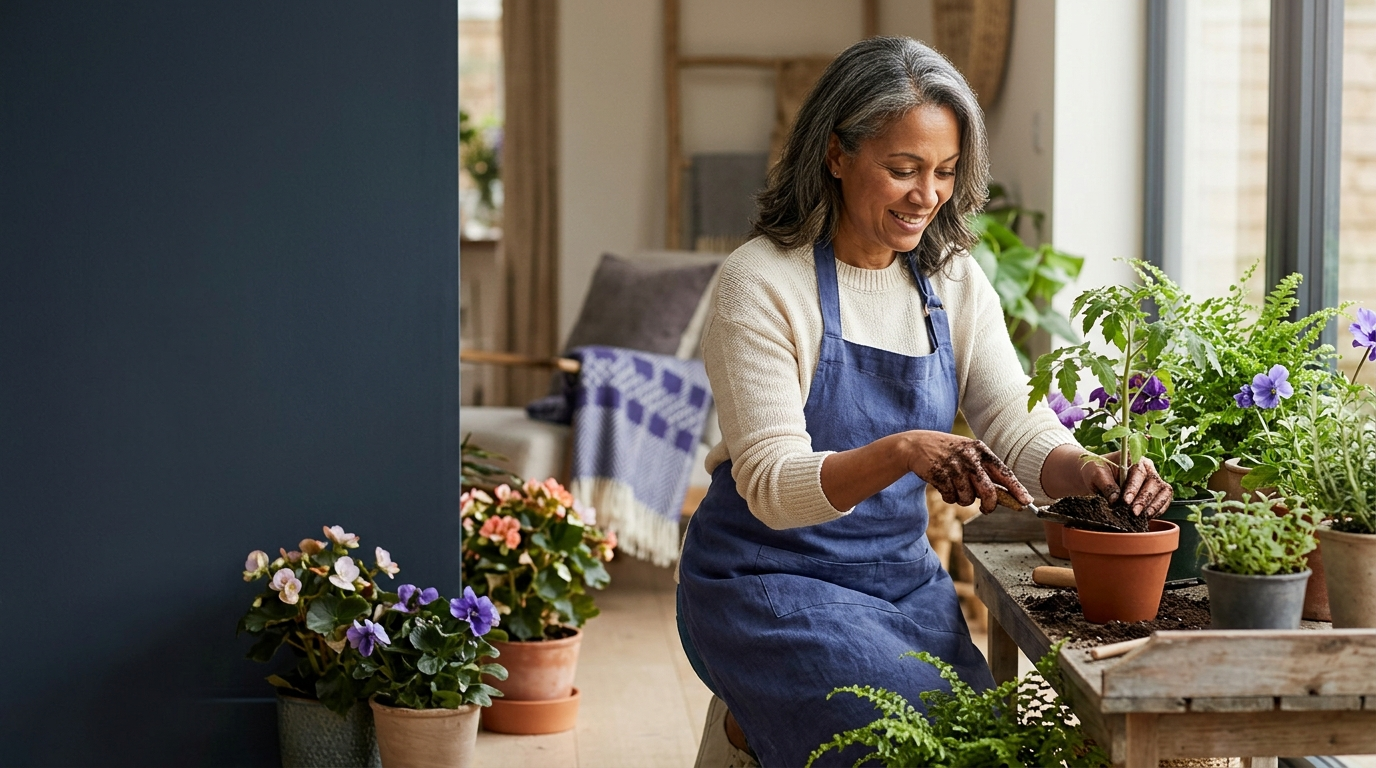
画像をアイデアのヒントとして使用します。気づいたことを説明し、それを自分の経験に結び付けてから、本当の質問に答えてください。
模範解答を並べて聞く
より単純な答えから始めて、Band を切り替えて、同じタスクをどのように開発できるかを聞き、それから個人的な応答を記録します。これらは指導例であり、正式な解答やスコアの保証ではありません。
パート 2 — 模範解答
Part 2 cue-card response
The person I want to describe is my friend Mark. He loves growing plants at home. He has a small back garden and a few pots on the balcony. He grows tomatoes, lettuce, basil and some sunflowers. He usually buys compost and waters them every morning. Sometimes he starts plants from seed, sometimes he buys young plants from the garden centre. He enjoys gardening because it relaxes him and he gets fresh vegetables to eat. He also likes giving extra produce to neighbours and saving money.
One person I can think of is my neighbour Emma, who’s been growing plants for about ten years. She’s a retired teacher who transformed the front yard into a small urban garden, and everyone in the street knows her for it. She grows a mixture of vegetables and ornamentals: tomatoes, chillies, basil, lettuces, along with roses and climbing jasmine. In summer she also keeps tubs of dahlias and a selection of succulents on the windowsill. Emma uses a few raised beds and several large pots because our soil is quite heavy; she mixes in homemade compost to improve it. She’s meticulous about watering — drip irrigation for the veg and a watering can for the pots — and she propagates cuttings to save money. She’s also careful with natural pest control and practices companion planting, which has reduced problems with aphids and slugs. She says gardening keeps her active and gives her a steady supply of fresh salad leaves; she also enjoys the routine and the chance to nurture life. For her, the best part is watching something tiny grow into a plant you can eat or give as a present, and she loves teaching her grandchildren how to sow seeds.
パート 3 — 模範解答
What are the advantages of growing vegetables or flowers at home?
Growing vegetables or flowers at home has several advantages. You get fresher food and it can save money. Flowers make the place look nicer and lift your mood. Gardening is also a good form of light exercise and a relaxing hobby.
There are quite a few benefits. First, home-grown vegetables are fresher and often tastier, and you can control how they're grown so you avoid unnecessary pesticides. Second, flowers improve the appearance of your home and can boost wellbeing — seeing plants in bloom really reduces stress. Third, gardening helps reduce waste if you compost kitchen scraps, and it cuts food miles. Finally, it can bring neighbours together if you share surplus produce and swap tips.
Do many people grow vegetables or flowers at home in your country?
In my country some people grow plants at home, especially in villages. In cities, people with balconies or small gardens also grow herbs or tomatoes. But many people don't have space or time, so not everyone grows plants.
It depends where you look. In rural areas it's quite common for households to keep a few vegetable beds, and in towns there's been a rise in balcony gardening and allotments. The pandemic encouraged many people to take up gardening, and community gardens have become more popular as a result. However, people living in high-rise flats without outdoor space still find it hard to grow anything beyond a few pots.
Is it easy to grow plants at home?
Growing plants at home can be easy or hard. Some plants like herbs or salad leaves are simple to grow. Other plants need more care, good soil, and protection from pests. It also depends on the weather and how much time you have.
It isn't always straightforward. The difficulty depends on the species, local climate and the grower's experience — some crops, such as basil, lettuce and radishes, are beginner-friendly and forgiving, whereas fruit trees or certain shrubs require more knowledge about pruning, feeding and pest control. With a bit of guidance on soil improvement, watering routines and basic pest management, most people can get reliable results. Choosing the right plants for your space and season makes a big difference.
Why do some people like to grow plants?
People like to grow plants because it's relaxing and enjoyable. It is a hobby that keeps them busy and gives them fresh food or pretty flowers. Some people also like the feeling of achievement when plants grow.
There are several deeper reasons. For many, gardening is therapeutic — it reduces stress and gives a calming daily routine. Others value the connection to nature and the sense of independence that comes from producing your own food. There are also social motives: gardeners often meet neighbours, exchange plants and advice, and feel part of a local community, which is very rewarding.
Why do some people prefer to grow their own fruits and vegetables instead of buying them from the market?
People prefer to grow their own fruit and vegetables because they taste fresher and they can be cheaper. They also know what's been used on them, so they can avoid chemicals. Some people like the pride of eating food they've grown.
There are several strong reasons for that choice. Home-grown produce is often picked at peak ripeness, which improves flavour and nutritional value, and growing your own lets you avoid pesticides and reduce packaging. Over time it can also be cheaper and reduces dependence on supermarket supply chains, which some people worry about. Beyond practicality, many growers simply enjoy the satisfaction and pride of producing food themselves.
Do you think students should learn to grow plants?
Yes, I think students should learn to grow plants. It teaches responsibility and practical skills. It can also help them understand science and nature. School gardens are a good way for children to learn these things.
Absolutely — gardening is a valuable life skill schools should include. It links directly to biology and environmental education, gives hands-on experience with food and nutrition, and teaches practical lessons about sustainability. Gardening also supports pupils' mental health by reducing stress and boosting self-esteem, and group projects like a school allotment encourage teamwork and practical problem-solving. These lessons can influence healthier eating habits and a greater environmental awareness.
答え方 家や庭で植物(野菜、花など)を育てるのが好きな人について説明してください IELTS スピーキングの質問
「自宅や庭で植物 (野菜、花など) を育てるのが大好きな人について説明する」というキュー カードの場合は、準備議事録を使って話の流れを構築します。明確な主題を選択し、2 つの具体的な瞬間または詳細を追加し、それが重要な理由で終わります。次に、リンクされたパート 3 の質問を使用して、より広範な説明と比較を練習します。
キューカードのプロンプト:
- この人は誰ですか
- 彼/彼女が育てている植物は何ですか
- 彼/彼女は植物をどのように育てるのか
- そしてなぜ彼/彼女が植物を育てるのが好きなのか
- オープニング: 人、場所、物体、または出来事を特定します。
- 開発: 2 つの詳細または瞬間を論理的な順序で説明します。
- 拡張: 理由、結果、比較、または問題を説明します。
- 振り返り: その主題がなぜ記憶に残るのか、または重要なのかを最後に述べます。
質問ごとのアプローチ
| 練習問題 | 役に立つ答えの動き |
|---|---|
| What are the advantages of growing vegetables or flowers at home? | まず物に名前を付けてから、具体的な機能や例を説明します。 |
| Do many people grow vegetables or flowers at home in your country? | スクリプトを暗記せずに、直接的な答え、理由を 1 つ、短い例を述べてください。 |
| Is it easy to grow plants at home? | 直接答え、理由を述べ、自然な個人的な詳細を 1 つ追加してください。 |
| Why do some people like to grow plants? | 主な原因を 1 つ挙げて答え、それを具体的な例で裏付けてください。 |
語彙に焦点を当てる
模範解答で既に示されている有用な文言には次のようなものがあります。 food miles, compost, surplus produce, allotment, balcony gardening, community garden, forgiving, pruning。それぞれの意味と自然な単語の連携を学び、完全な台本をコピーするのではなく、新しい回答でその項目を使用します。
避けるべきよくある間違い
- 質問に対して部分的にしか答えていない、暗記した回答をする。
- 意味やコロケーションを確認せずに、難しい語彙を追加する。
- エラーが発生するたびに、簡単に修正して続行するのではなく、再起動します。
- 自分の最初の解答を記録する前に、模範解答を読んでください。
自宅や庭で植物(野菜、花など)を育てるのが好きな人について説明してください
「自宅または庭で植物(野菜、花など)を育てるのが大好きな人について説明する」カードの準備分をどのように使用すればよいですか?
冒頭、2 つまたは 3 つの詳細、最後の感想のキーワードを書きます。完全な文章を書こうとしないでください。
キューカードのすべての箇条書きをカバーする必要がありますか?
プロンプトはトークを整理するのに役立ちます。それらをカバーすることは有益ですが、機械的に各行をチェックするよりも、1 ~ 2 分間の一貫した応答の方が重要です。
パート 3 の質問はパート 2 にどのように関連していますか?
これらは、理由、比較、社会的影響、将来の可能性を通じて同じ広範なテーマを展開するため、通常、回答にはパート 1 よりも詳しい説明が必要です。
