
IELTS Konuşma Bölüm 2 ve 3: Describe a person who loves to grow plants (e.g. vegetables, flowers) at home or in the garden
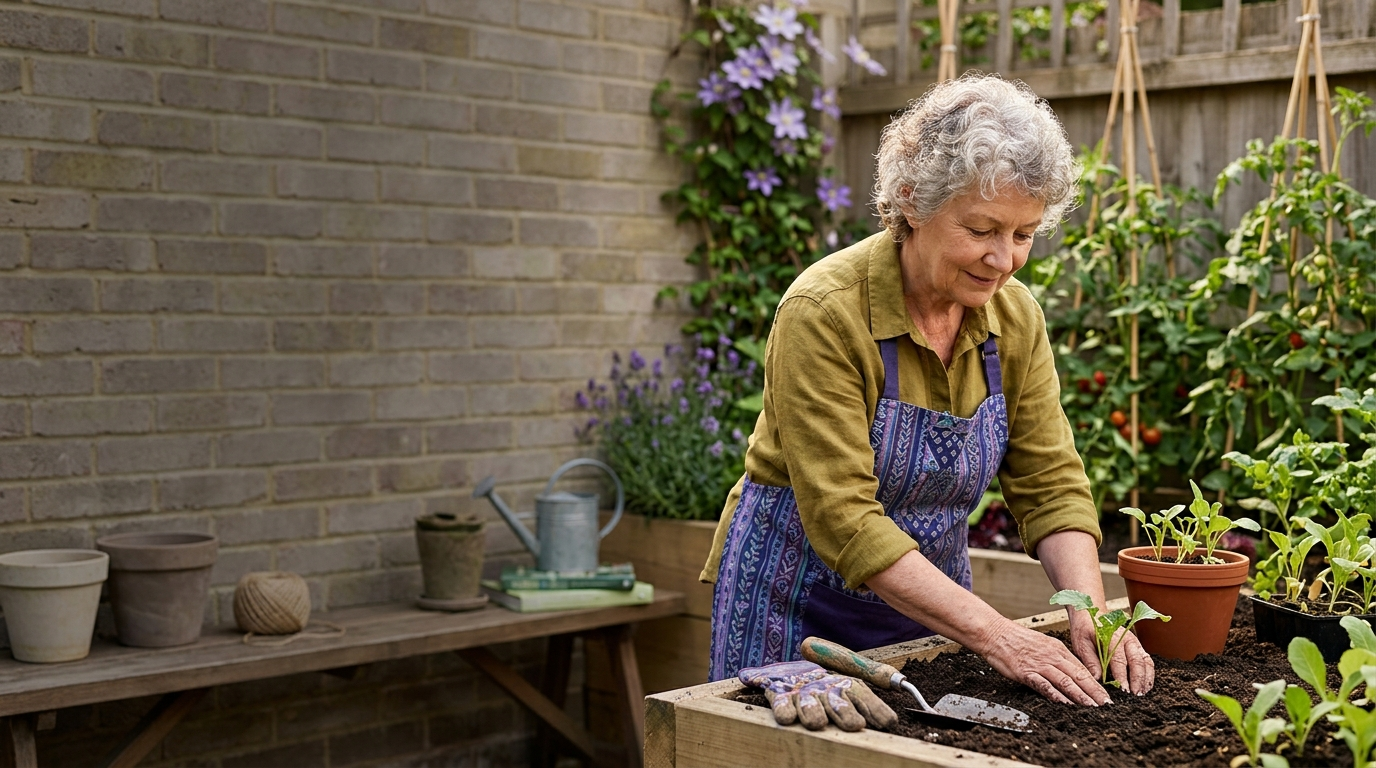
Bölüm 2 işaret kartı
Describe a person who loves to grow plants (e.g. vegetables, flowers) at home or in the garden
Şunu söylemelisin:
- Bu kişi kim
- Hangi bitkileri yetiştiriyor
- Bitkileri nasıl yetiştiriyor
- Ve bitki yetiştirmeyi neden seviyor?
Bu konu hakkında konuşmak için bir ila iki dakikanız olacak.
Transkriptin tamamını okuyun
One person I can think of is my neighbour Emma, who’s been growing plants for about ten years. She’s a retired teacher who transformed the front yard into a small urban garden, and everyone in the street knows her for it. She grows a mixture of vegetables and ornamentals: tomatoes, chillies, basil, lettuces, along with roses and climbing jasmine. In summer she also keeps tubs of dahlias and a selection of succulents on the windowsill. Emma uses a few raised beds and several large pots because our soil is quite heavy; she mixes in homemade compost to improve it. She’s meticulous about watering — drip irrigation for the veg and a watering can for the pots — and she propagates cuttings to save money. She’s also careful with natural pest control and practices companion planting, which has reduced problems with aphids and slugs. She says gardening keeps her active and gives her a steady supply of fresh salad leaves; she also enjoys the routine and the chance to nurture life. For her, the best part is watching something tiny grow into a plant you can eat or give as a present, and she loves teaching her grandchildren how to sow seeds.
Hazırlık durumu: Tahmin edilen konu döngüsü. Bu bağımsız uygulama kaynağı resmi bir IELTS sınavı değildir ve sınavınızdaki sorular farklı olabilir. Konular nasıl etiketlenir?.
Bölüm 3 tartışma soruları
Her seferinde bir soruyu hareket ettirin: dinleyin, yanıtlayın, karşılaştırın ve yeniden deneyin. Erişilebilirlik ve arama için soru metninin tamamı sayfa HTML'sinde kalır.
- 01What are the advantages of growing vegetables or flowers at home?
- 02Do many people grow vegetables or flowers at home in your country?
- 03Is it easy to grow plants at home?
- 04Why do some people like to grow plants?
- 05Why do some people prefer to grow their own fruits and vegetables instead of buying them from the market?
- 06Do you think students should learn to grow plants?
Konuşmadan önce konuya bakın
Görüntüleri fikir istemleri olarak kullanın. Neyi fark ettiğinizi açıklayın, bunu deneyiminizle ilişkilendirin ve ardından asıl soruyu yanıtlayın.
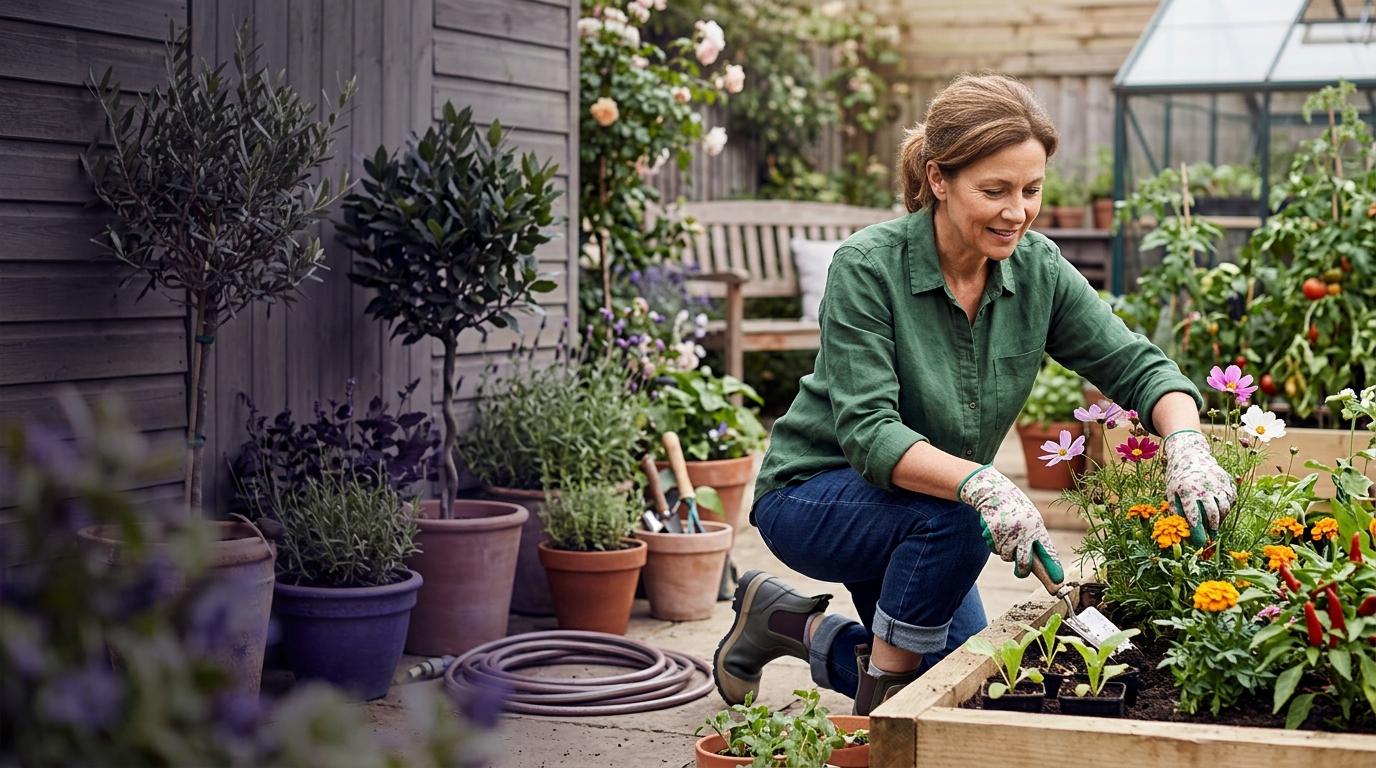
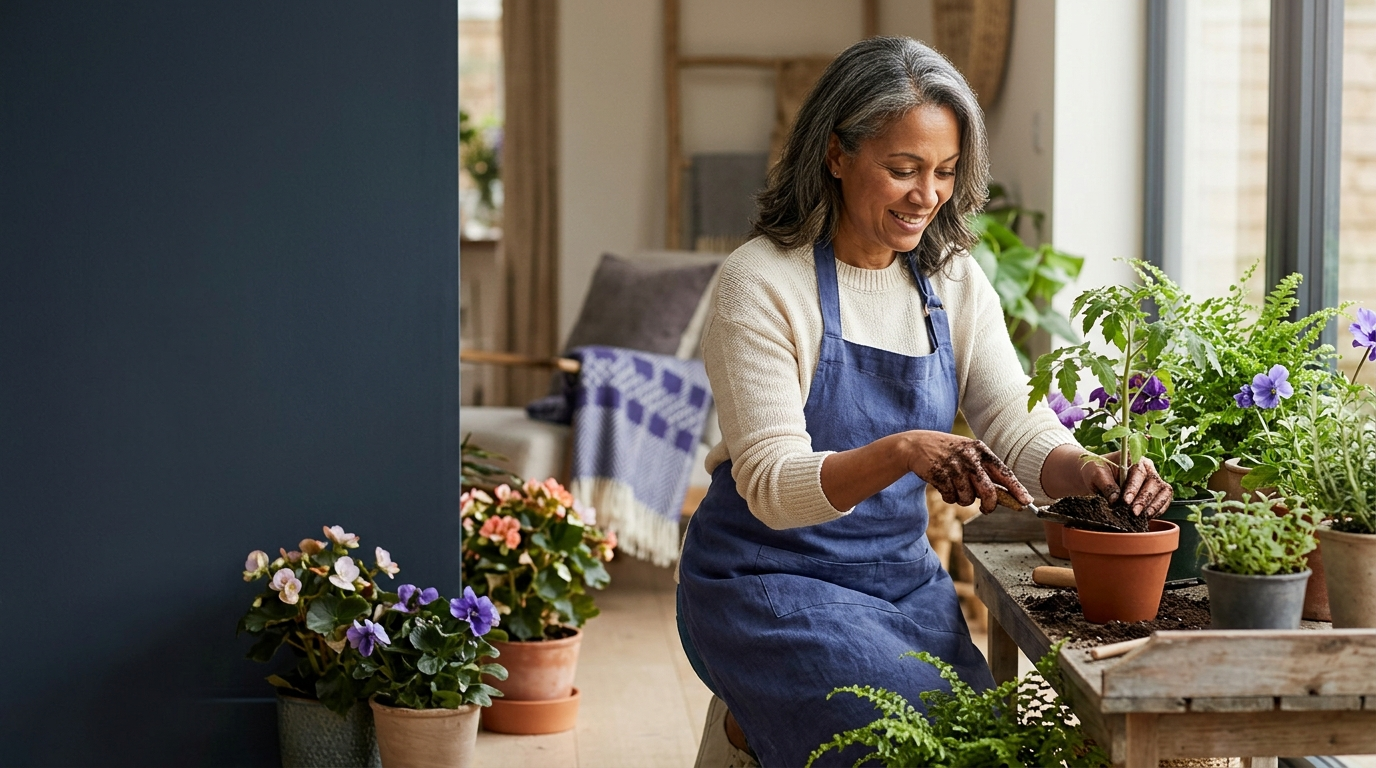
Yan yana duyulan model yanıtları
Daha basit cevapla başlayın, aynı görevin nasıl geliştirilebileceğini duymak için Band'yi değiştirin, ardından kişisel bir yanıtı kaydedin. Bunlar öğretim örnekleridir, resmi cevaplar veya puan garantisi değildir.
Bölüm 2 - Örnek Cevap
Part 2 cue-card response
The person I want to describe is my friend Mark. He loves growing plants at home. He has a small back garden and a few pots on the balcony. He grows tomatoes, lettuce, basil and some sunflowers. He usually buys compost and waters them every morning. Sometimes he starts plants from seed, sometimes he buys young plants from the garden centre. He enjoys gardening because it relaxes him and he gets fresh vegetables to eat. He also likes giving extra produce to neighbours and saving money.
One person I can think of is my neighbour Emma, who’s been growing plants for about ten years. She’s a retired teacher who transformed the front yard into a small urban garden, and everyone in the street knows her for it. She grows a mixture of vegetables and ornamentals: tomatoes, chillies, basil, lettuces, along with roses and climbing jasmine. In summer she also keeps tubs of dahlias and a selection of succulents on the windowsill. Emma uses a few raised beds and several large pots because our soil is quite heavy; she mixes in homemade compost to improve it. She’s meticulous about watering — drip irrigation for the veg and a watering can for the pots — and she propagates cuttings to save money. She’s also careful with natural pest control and practices companion planting, which has reduced problems with aphids and slugs. She says gardening keeps her active and gives her a steady supply of fresh salad leaves; she also enjoys the routine and the chance to nurture life. For her, the best part is watching something tiny grow into a plant you can eat or give as a present, and she loves teaching her grandchildren how to sow seeds.
Bölüm 3 - Örnek Yanıtlar
What are the advantages of growing vegetables or flowers at home?
Growing vegetables or flowers at home has several advantages. You get fresher food and it can save money. Flowers make the place look nicer and lift your mood. Gardening is also a good form of light exercise and a relaxing hobby.
There are quite a few benefits. First, home-grown vegetables are fresher and often tastier, and you can control how they're grown so you avoid unnecessary pesticides. Second, flowers improve the appearance of your home and can boost wellbeing — seeing plants in bloom really reduces stress. Third, gardening helps reduce waste if you compost kitchen scraps, and it cuts food miles. Finally, it can bring neighbours together if you share surplus produce and swap tips.
Do many people grow vegetables or flowers at home in your country?
In my country some people grow plants at home, especially in villages. In cities, people with balconies or small gardens also grow herbs or tomatoes. But many people don't have space or time, so not everyone grows plants.
It depends where you look. In rural areas it's quite common for households to keep a few vegetable beds, and in towns there's been a rise in balcony gardening and allotments. The pandemic encouraged many people to take up gardening, and community gardens have become more popular as a result. However, people living in high-rise flats without outdoor space still find it hard to grow anything beyond a few pots.
Is it easy to grow plants at home?
Growing plants at home can be easy or hard. Some plants like herbs or salad leaves are simple to grow. Other plants need more care, good soil, and protection from pests. It also depends on the weather and how much time you have.
It isn't always straightforward. The difficulty depends on the species, local climate and the grower's experience — some crops, such as basil, lettuce and radishes, are beginner-friendly and forgiving, whereas fruit trees or certain shrubs require more knowledge about pruning, feeding and pest control. With a bit of guidance on soil improvement, watering routines and basic pest management, most people can get reliable results. Choosing the right plants for your space and season makes a big difference.
Why do some people like to grow plants?
People like to grow plants because it's relaxing and enjoyable. It is a hobby that keeps them busy and gives them fresh food or pretty flowers. Some people also like the feeling of achievement when plants grow.
There are several deeper reasons. For many, gardening is therapeutic — it reduces stress and gives a calming daily routine. Others value the connection to nature and the sense of independence that comes from producing your own food. There are also social motives: gardeners often meet neighbours, exchange plants and advice, and feel part of a local community, which is very rewarding.
Why do some people prefer to grow their own fruits and vegetables instead of buying them from the market?
People prefer to grow their own fruit and vegetables because they taste fresher and they can be cheaper. They also know what's been used on them, so they can avoid chemicals. Some people like the pride of eating food they've grown.
There are several strong reasons for that choice. Home-grown produce is often picked at peak ripeness, which improves flavour and nutritional value, and growing your own lets you avoid pesticides and reduce packaging. Over time it can also be cheaper and reduces dependence on supermarket supply chains, which some people worry about. Beyond practicality, many growers simply enjoy the satisfaction and pride of producing food themselves.
Do you think students should learn to grow plants?
Yes, I think students should learn to grow plants. It teaches responsibility and practical skills. It can also help them understand science and nature. School gardens are a good way for children to learn these things.
Absolutely — gardening is a valuable life skill schools should include. It links directly to biology and environmental education, gives hands-on experience with food and nutrition, and teaches practical lessons about sustainability. Gardening also supports pupils' mental health by reducing stress and boosting self-esteem, and group projects like a school allotment encourage teamwork and practical problem-solving. These lessons can influence healthier eating habits and a greater environmental awareness.
Nasıl cevaplanır Evde veya bahçede bitki (örneğin sebze, çiçek) yetiştirmeyi seven bir kişiyi tanımlayın IELTS Konuşma soruları
Evde veya bahçede bitki (örneğin sebze, çiçek) yetiştirmeyi seven bir kişiyi tanımlayın ipucu kartı için, konuşma boyunca bir rota oluşturmak için hazırlık dakikasını kullanın. Net bir konu seçin, iki özel anı veya ayrıntıyı ekleyin ve bunun neden önemli olduğunu anlatarak bitirin. Daha sonra daha geniş bir açıklama ve karşılaştırma yapmak için bağlantılı Bölüm 3 sorularını kullanın.
İşaret kartı istemleri:
- Bu kişi kim
- Hangi bitkileri yetiştiriyor
- Bitkileri nasıl yetiştiriyor
- Ve bitki yetiştirmeyi neden seviyor?
- Açılış: Kişiyi, yeri, nesneyi veya olayı tanımlayın.
- Gelişim: İki ayrıntıyı veya anı mantıksal bir sırayla tanımlayın.
- Uzantı: Bir nedeni, sonucu, karşılaştırmayı veya sorunu açıklayın.
- Düşünme: Konunun neden unutulmaz veya önemli olduğunu açıklayarak bitirin.
Soru bazında yaklaşım
| Alıştırma sorusu | Yararlı cevap hamlesi |
|---|---|
| What are the advantages of growing vegetables or flowers at home? | Önce bir şeye isim verin, ardından belirli bir özelliği veya örneği tanımlayın. |
| Do many people grow vegetables or flowers at home in your country? | Senaryoyu ezberlemeden doğrudan bir cevap, tek bir neden ve kısa bir örnek verin. |
| Is it easy to grow plants at home? | Doğrudan yanıtlayın, bir neden belirtin ve doğal bir kişisel ayrıntı ekleyin. |
| Why do some people like to grow plants? | Tek bir ana sebeple cevap verin ve ardından bunu somut bir örnekle destekleyin. |
Kelime odağı
Model cevaplarında halihazırda gösterilen faydalı dil şunları içerir: food miles, compost, surplus produce, allotment, balcony gardening, community garden, forgiving, pruning. Her bir anlamı ve doğal kelime ortaklığını öğrenin, ardından tüm metni kopyalamak yerine öğeyi yeni bir yanıtta kullanın.
Kaçınılması gereken yaygın hatalar
- Soruyu yalnızca kısmen yanıtlayan ezberlenmiş bir yanıt vermek.
- Anlamı veya sıralamayı kontrol etmeden zor kelimeleri eklemek.
- Her hatadan sonra kısa süreliğine düzeltme yapıp devam etmek yerine yeniden başlatmak.
- İlk denemenizi kaydetmeden önce model cevabını okuyun.
Evde veya bahçede bitki (örneğin sebze, çiçek) yetiştirmeyi seven bir kişiyi tanımlayın. SSS
Evde veya bahçede bitki (örneğin sebze, çiçek) yetiştirmeyi seven bir kişiyi tanımlayın işaret kartı hazırlama dakikasını nasıl kullanmalıyım?
Bir açılış, iki veya üç ayrıntı ve son bir yansıma için anahtar kelimeler yazın. Tam cümleler yazmaya çalışmayın.
Her işaret kartı mermisini kapatmak zorunda mıyım?
Yönlendirmeler konuşmayı organize etmenize yardımcı olur. Bunları ele almak faydalıdır, ancak bir ila iki dakikalık tutarlı bir yanıt, her satırın mekanik olarak işaretlenmesinden daha önemlidir.
Bölüm 3 soruları Bölüm 2 ile nasıl bağlantılıdır?
Sebepler, karşılaştırmalar, sosyal etkiler veya gelecekteki olasılıklar yoluyla aynı geniş temayı geliştirirler, dolayısıyla yanıtlar normalde Bölüm 1'den daha fazla açıklamaya ihtiyaç duyar.
