
IELTS Speaking, часть 2 и 3: Describe a person who loves to grow plants (e.g. vegetables, flowers) at home or in the garden
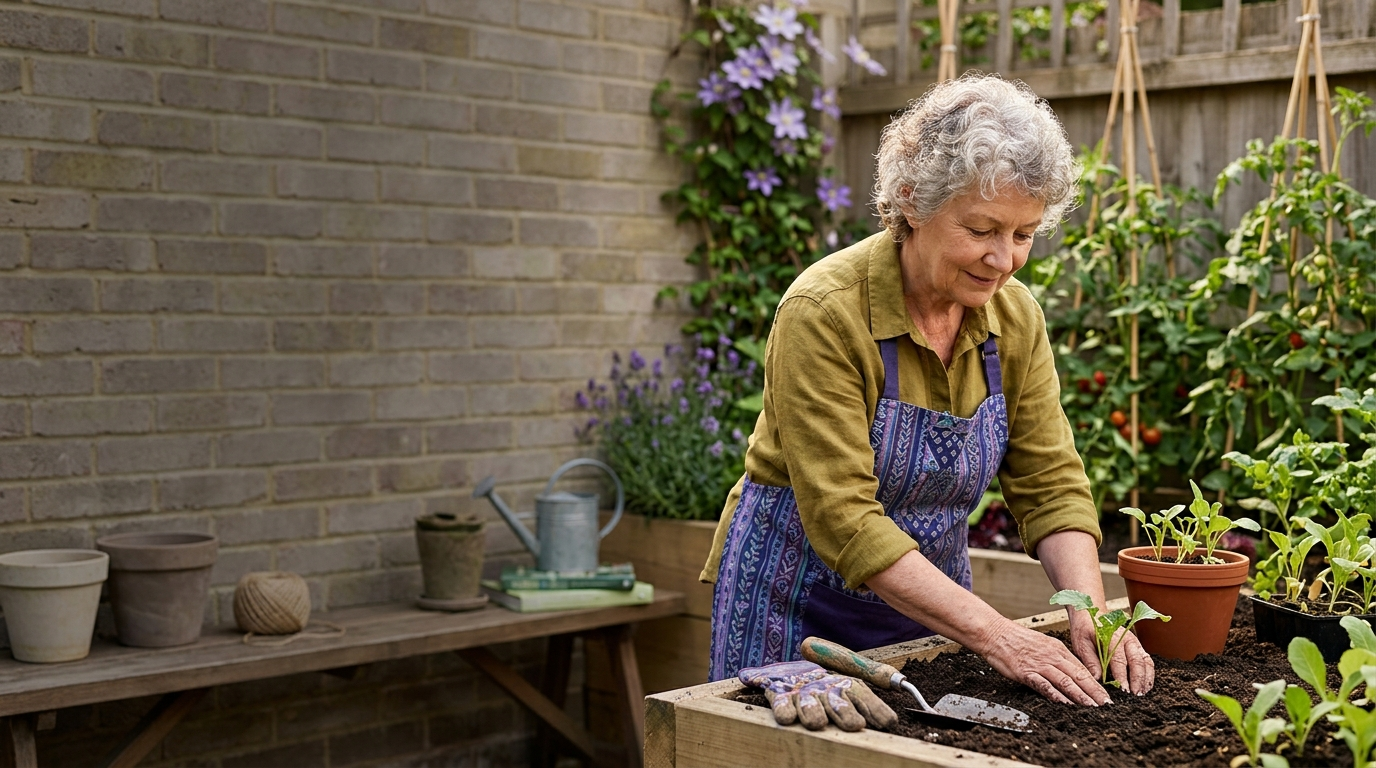
Карточка-подсказка части 2
Describe a person who loves to grow plants (e.g. vegetables, flowers) at home or in the garden
Вы должны сказать:
- Кто этот человек
- Какие растения он/она выращивает
- Как он/она выращивает растения
- И почему он/она любит выращивать растения
У вас будет одна-две минуты, чтобы поговорить на эту тему.
Читать полную расшифровку
One person I can think of is my neighbour Emma, who’s been growing plants for about ten years. She’s a retired teacher who transformed the front yard into a small urban garden, and everyone in the street knows her for it. She grows a mixture of vegetables and ornamentals: tomatoes, chillies, basil, lettuces, along with roses and climbing jasmine. In summer she also keeps tubs of dahlias and a selection of succulents on the windowsill. Emma uses a few raised beds and several large pots because our soil is quite heavy; she mixes in homemade compost to improve it. She’s meticulous about watering — drip irrigation for the veg and a watering can for the pots — and she propagates cuttings to save money. She’s also careful with natural pest control and practices companion planting, which has reduced problems with aphids and slugs. She says gardening keeps her active and gives her a steady supply of fresh salad leaves; she also enjoys the routine and the chance to nurture life. For her, the best part is watching something tiny grow into a plant you can eat or give as a present, and she loves teaching her grandchildren how to sow seeds.
Статус подготовки: Прогнозируемый тематический цикл. Этот независимый практический ресурс не является официальным документом IELTS, и вопросы в вашем тесте могут быть разными. Как помечаются темы.
Вопросы для обсуждения части 3
Двигайтесь по одному вопросу за раз: слушайте, отвечайте, сравнивайте и повторяйте. Полный текст вопроса остается в HTML-коде страницы для обеспечения доступности и поиска.
- 01What are the advantages of growing vegetables or flowers at home?
- 02Do many people grow vegetables or flowers at home in your country?
- 03Is it easy to grow plants at home?
- 04Why do some people like to grow plants?
- 05Why do some people prefer to grow their own fruits and vegetables instead of buying them from the market?
- 06Do you think students should learn to grow plants?
Прежде чем говорить, просмотрите тему
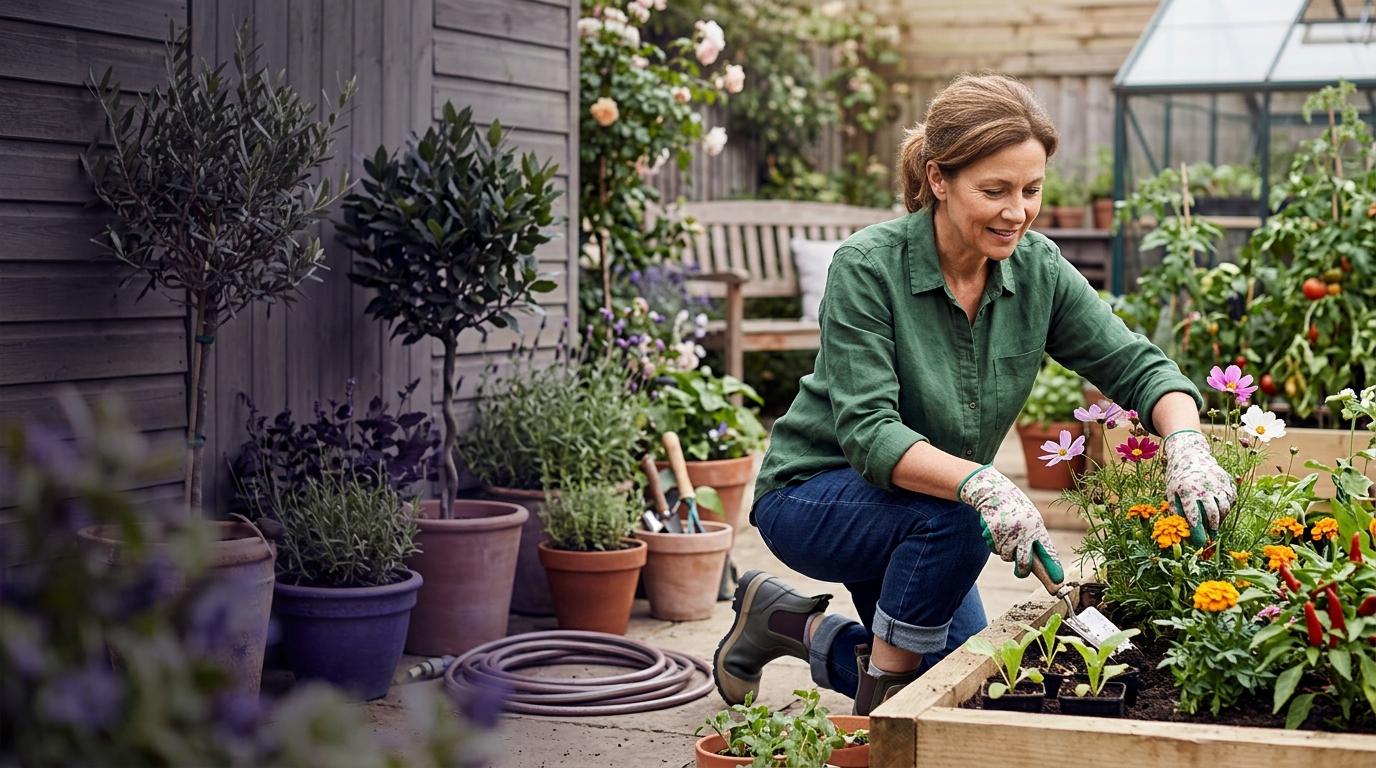
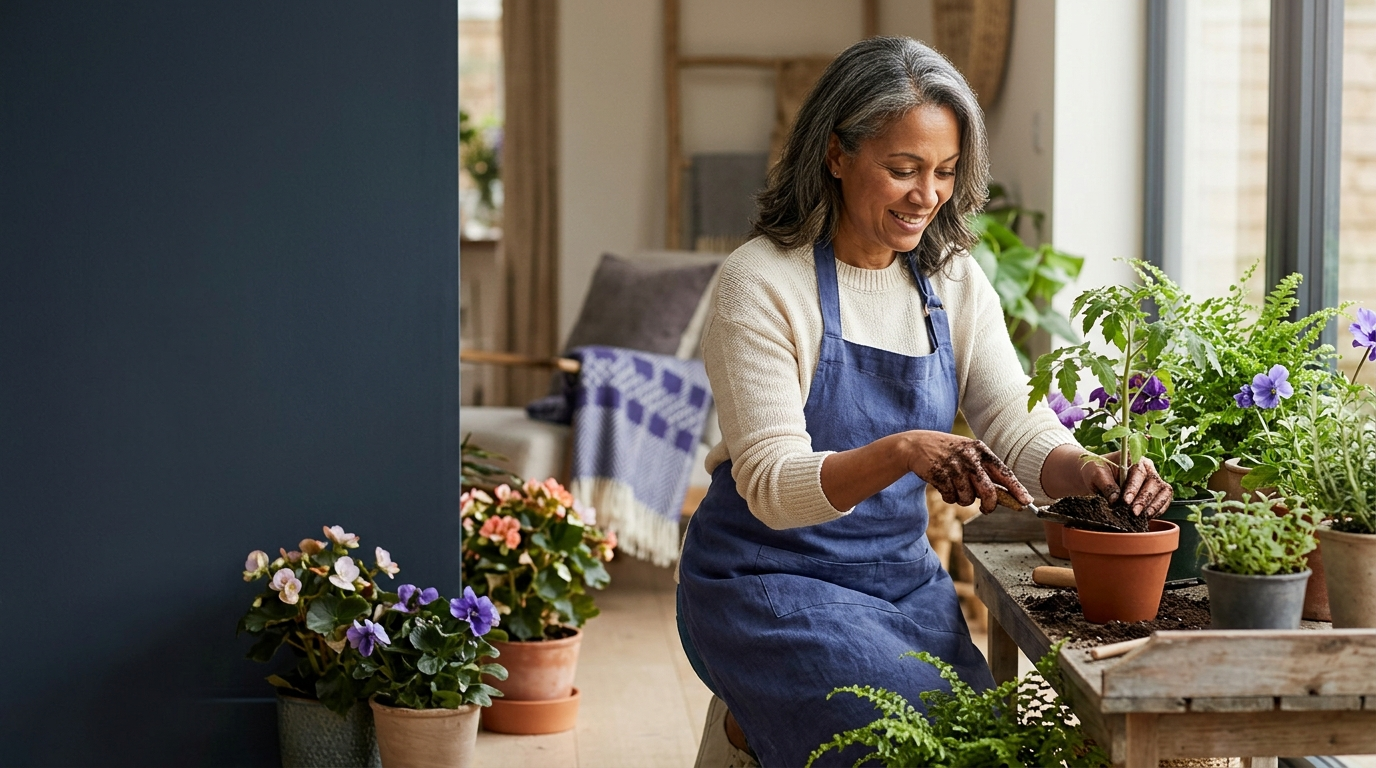
Используйте изображения в качестве подсказок идей. Опишите то, что вы заметили, свяжите это со своим опытом, а затем ответьте на реальный вопрос.
Типовые ответы, услышанные параллельно
Начните с более простого ответа, переключитесь на Band, чтобы услышать, как можно разработать ту же задачу, а затем запишите личный ответ. Это обучающие примеры, а не официальные ответы или гарантии баллов.
Часть 2. Типовой ответ
Part 2 cue-card response
The person I want to describe is my friend Mark. He loves growing plants at home. He has a small back garden and a few pots on the balcony. He grows tomatoes, lettuce, basil and some sunflowers. He usually buys compost and waters them every morning. Sometimes he starts plants from seed, sometimes he buys young plants from the garden centre. He enjoys gardening because it relaxes him and he gets fresh vegetables to eat. He also likes giving extra produce to neighbours and saving money.
One person I can think of is my neighbour Emma, who’s been growing plants for about ten years. She’s a retired teacher who transformed the front yard into a small urban garden, and everyone in the street knows her for it. She grows a mixture of vegetables and ornamentals: tomatoes, chillies, basil, lettuces, along with roses and climbing jasmine. In summer she also keeps tubs of dahlias and a selection of succulents on the windowsill. Emma uses a few raised beds and several large pots because our soil is quite heavy; she mixes in homemade compost to improve it. She’s meticulous about watering — drip irrigation for the veg and a watering can for the pots — and she propagates cuttings to save money. She’s also careful with natural pest control and practices companion planting, which has reduced problems with aphids and slugs. She says gardening keeps her active and gives her a steady supply of fresh salad leaves; she also enjoys the routine and the chance to nurture life. For her, the best part is watching something tiny grow into a plant you can eat or give as a present, and she loves teaching her grandchildren how to sow seeds.
Часть 3. Типовые ответы
What are the advantages of growing vegetables or flowers at home?
Growing vegetables or flowers at home has several advantages. You get fresher food and it can save money. Flowers make the place look nicer and lift your mood. Gardening is also a good form of light exercise and a relaxing hobby.
There are quite a few benefits. First, home-grown vegetables are fresher and often tastier, and you can control how they're grown so you avoid unnecessary pesticides. Second, flowers improve the appearance of your home and can boost wellbeing — seeing plants in bloom really reduces stress. Third, gardening helps reduce waste if you compost kitchen scraps, and it cuts food miles. Finally, it can bring neighbours together if you share surplus produce and swap tips.
Do many people grow vegetables or flowers at home in your country?
In my country some people grow plants at home, especially in villages. In cities, people with balconies or small gardens also grow herbs or tomatoes. But many people don't have space or time, so not everyone grows plants.
It depends where you look. In rural areas it's quite common for households to keep a few vegetable beds, and in towns there's been a rise in balcony gardening and allotments. The pandemic encouraged many people to take up gardening, and community gardens have become more popular as a result. However, people living in high-rise flats without outdoor space still find it hard to grow anything beyond a few pots.
Is it easy to grow plants at home?
Growing plants at home can be easy or hard. Some plants like herbs or salad leaves are simple to grow. Other plants need more care, good soil, and protection from pests. It also depends on the weather and how much time you have.
It isn't always straightforward. The difficulty depends on the species, local climate and the grower's experience — some crops, such as basil, lettuce and radishes, are beginner-friendly and forgiving, whereas fruit trees or certain shrubs require more knowledge about pruning, feeding and pest control. With a bit of guidance on soil improvement, watering routines and basic pest management, most people can get reliable results. Choosing the right plants for your space and season makes a big difference.
Why do some people like to grow plants?
People like to grow plants because it's relaxing and enjoyable. It is a hobby that keeps them busy and gives them fresh food or pretty flowers. Some people also like the feeling of achievement when plants grow.
There are several deeper reasons. For many, gardening is therapeutic — it reduces stress and gives a calming daily routine. Others value the connection to nature and the sense of independence that comes from producing your own food. There are also social motives: gardeners often meet neighbours, exchange plants and advice, and feel part of a local community, which is very rewarding.
Why do some people prefer to grow their own fruits and vegetables instead of buying them from the market?
People prefer to grow their own fruit and vegetables because they taste fresher and they can be cheaper. They also know what's been used on them, so they can avoid chemicals. Some people like the pride of eating food they've grown.
There are several strong reasons for that choice. Home-grown produce is often picked at peak ripeness, which improves flavour and nutritional value, and growing your own lets you avoid pesticides and reduce packaging. Over time it can also be cheaper and reduces dependence on supermarket supply chains, which some people worry about. Beyond practicality, many growers simply enjoy the satisfaction and pride of producing food themselves.
Do you think students should learn to grow plants?
Yes, I think students should learn to grow plants. It teaches responsibility and practical skills. It can also help them understand science and nature. School gardens are a good way for children to learn these things.
Absolutely — gardening is a valuable life skill schools should include. It links directly to biology and environmental education, gives hands-on experience with food and nutrition, and teaches practical lessons about sustainability. Gardening also supports pupils' mental health by reducing stress and boosting self-esteem, and group projects like a school allotment encourage teamwork and practical problem-solving. These lessons can influence healthier eating habits and a greater environmental awareness.
Как ответить Опишите человека, который любит выращивать растения (например, овощи, цветы) дома или в саду IELTS Speaking вопросы
Для карточки-подсказки «Опишите человека, который любит выращивать растения (например, овощи, цветы) дома или в саду» используйте минуту подготовки, чтобы построить маршрут беседы. Выберите четкую тему, добавьте два конкретных момента или детали и закончите рассказом, почему это важно. Затем используйте связанные вопросы Части 3, чтобы попрактиковаться в более широком объяснении и сравнении.
Подсказки на карточке:
- Кто этот человек
- Какие растения он/она выращивает
- Как он/она выращивает растения
- И почему он/она любит выращивать растения
- Открытие: идентифицируйте человека, место, предмет или событие.
- Развитие: опишите две детали или моменты в логическом порядке.
- Расширение: объясните причину, результат, сравнение или проблему.
- Для размышления: закончите рассказом о том, почему тема запомнилась или важна.
Повопросный подход
| Практический вопрос | Полезный ответный ход |
|---|---|
| What are the advantages of growing vegetables or flowers at home? | Сначала назовите вещь, затем опишите конкретную особенность или пример. |
| Do many people grow vegetables or flowers at home in your country? | Дайте прямой ответ, одну причину и короткий пример, не заучивая сценарий. |
| Is it easy to grow plants at home? | Ответьте прямо, объясните причину и добавьте одну естественную личную деталь. |
| Why do some people like to grow plants? | Ответьте на одну основную причину, а затем подтвердите ее конкретным примером. |
Словарный фокус
Полезные формулировки, уже продемонстрированные в примерных ответах, включают: food miles, compost, surplus produce, allotment, balcony gardening, community garden, forgiving, pruning. Изучите каждое значение и естественное сочетание слов, а затем используйте этот элемент в новом ответе вместо того, чтобы копировать полный сценарий.
Распространенные ошибки, которых следует избегать
- Дает заученный ответ, который лишь частично отвечает на вопрос.
- Добавление сложной лексики без проверки значения или словосочетания.
- Перезапуск после каждой ошибки вместо кратковременного исправления и продолжения.
- Чтение ответа модели перед записью своей первой попытки.
Опишите человека, который любит выращивать растения (например, овощи, цветы) дома или в саду. Часто задаваемые вопросы.
Как мне использовать «Опишите человека, который любит выращивать растения (например, овощи, цветы) дома или в минуте подготовки карточки-подсказки в саду?»
Напишите ключевые слова для начала, двух-трех деталей и финального размышления. Не пытайтесь писать полные предложения.
Должен ли я покрывать каждый пункт подсказки?
Подсказки помогут вам организовать беседу. Рассказывать о них полезно, но последовательный ответ в течение одной-двух минут важнее, чем механическая отметка каждой строки.
Как вопросы Части 3 связаны с Частью 2?
Они развивают одну и ту же широкую тему посредством причин, сравнений, социальных последствий или будущих возможностей, поэтому ответы обычно требуют большего объяснения, чем Часть 1.
