
IELTS Speaking, часть 1: Public gardens and parks Вопросы и ответы
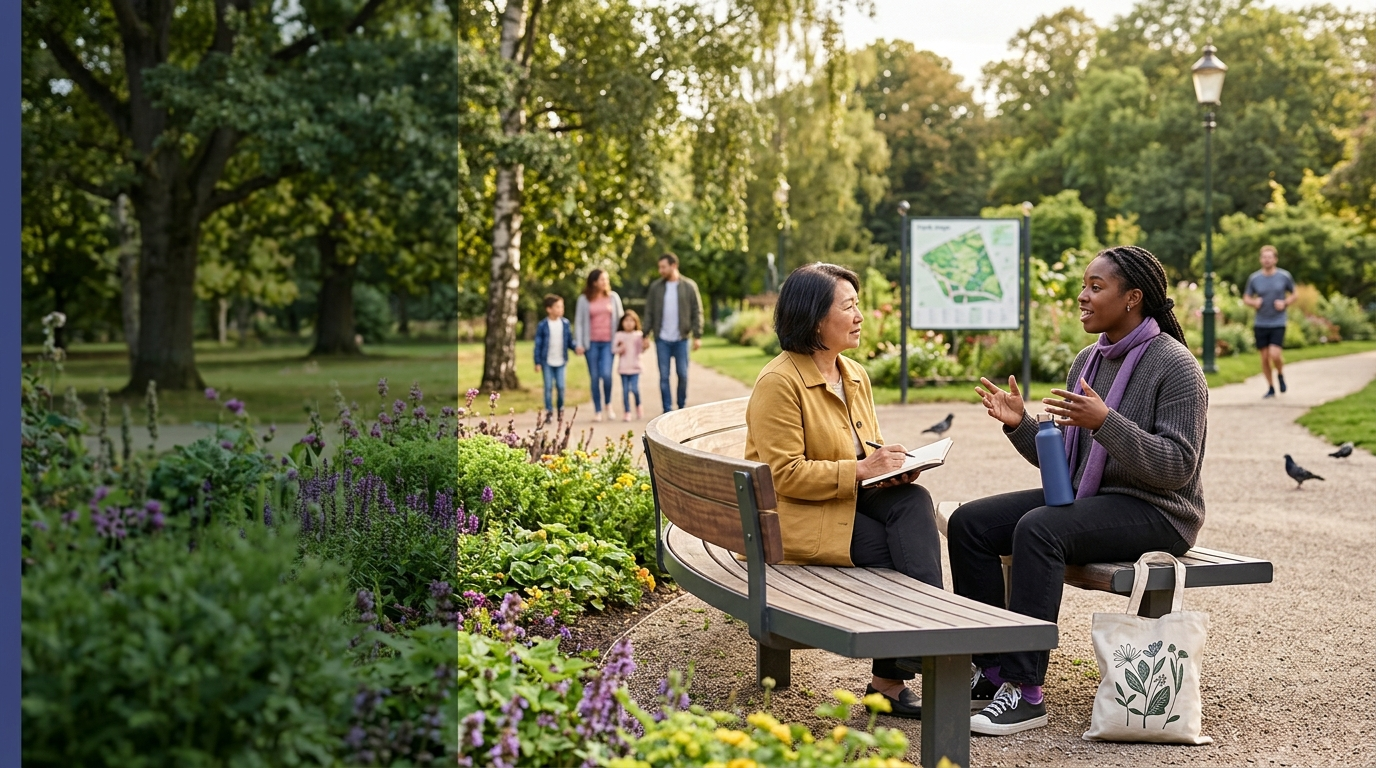
Часть 1 вопросы
Двигайтесь по одному вопросу за раз: слушайте, отвечайте, сравнивайте и повторяйте. Полный текст вопроса остается в HTML-коде страницы для обеспечения доступности и поиска.
- 01Did you like going to parks as a child?
- 02Do you still like going to parks now?
- 03Would you like to see more parks in your city?
- 04Are there any parks you want to go to in the future?
- 05Would you prefer to play in a personal garden or public garden?
- 06How are the parks today different from those you visited as a kid?
- 07What do you like to do when visiting a park?
- 08Would you like to play in a public garden or park?
Читать полную расшифровку
Definitely. Parks were one of my favourite places as a child — a kind of mini-adventure. I loved climbing trees, exploring the bushes and playing games with neighbours. They felt safe and free, and I think those outdoor hours really helped me learn to be independent.
Статус подготовки: Прогнозируемый тематический цикл. Этот независимый практический ресурс не является официальным документом IELTS, и вопросы в вашем тесте могут быть разными. Как помечаются темы.
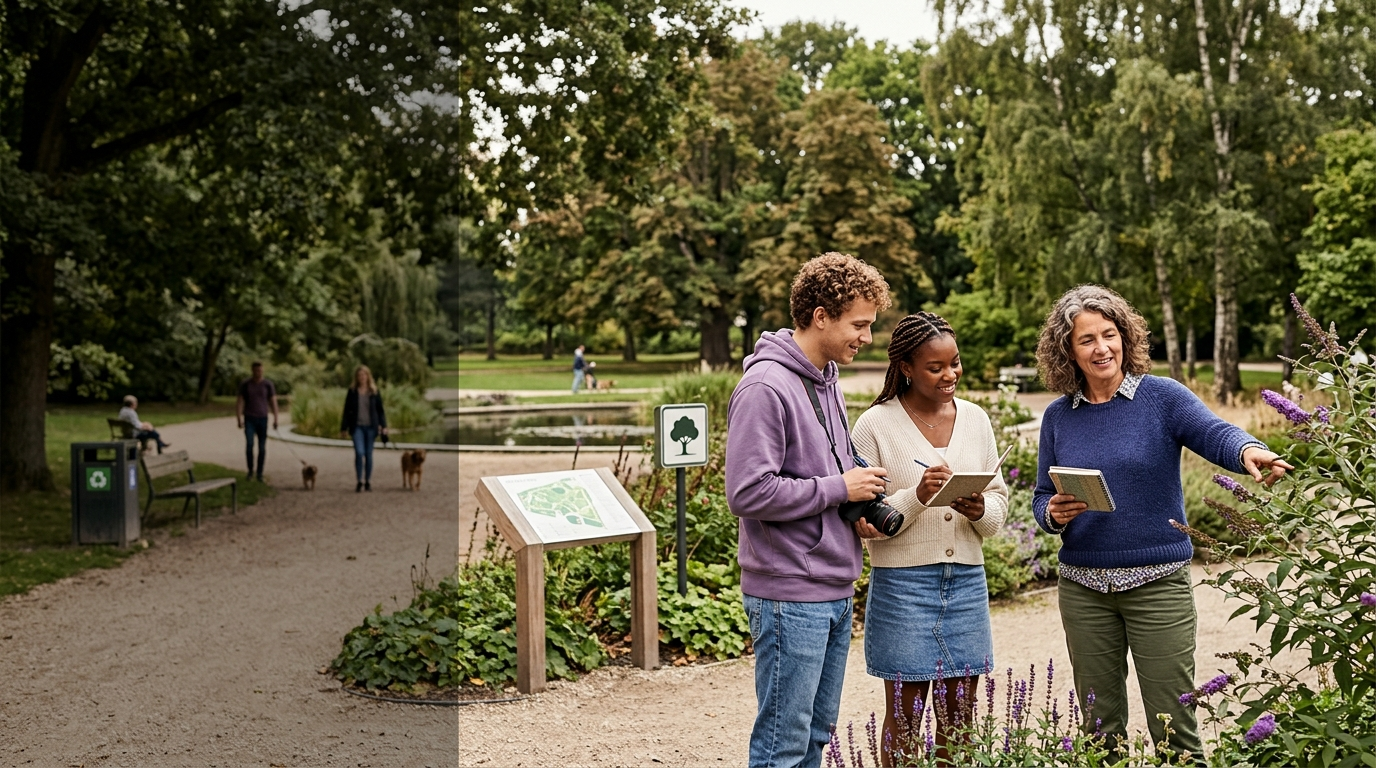
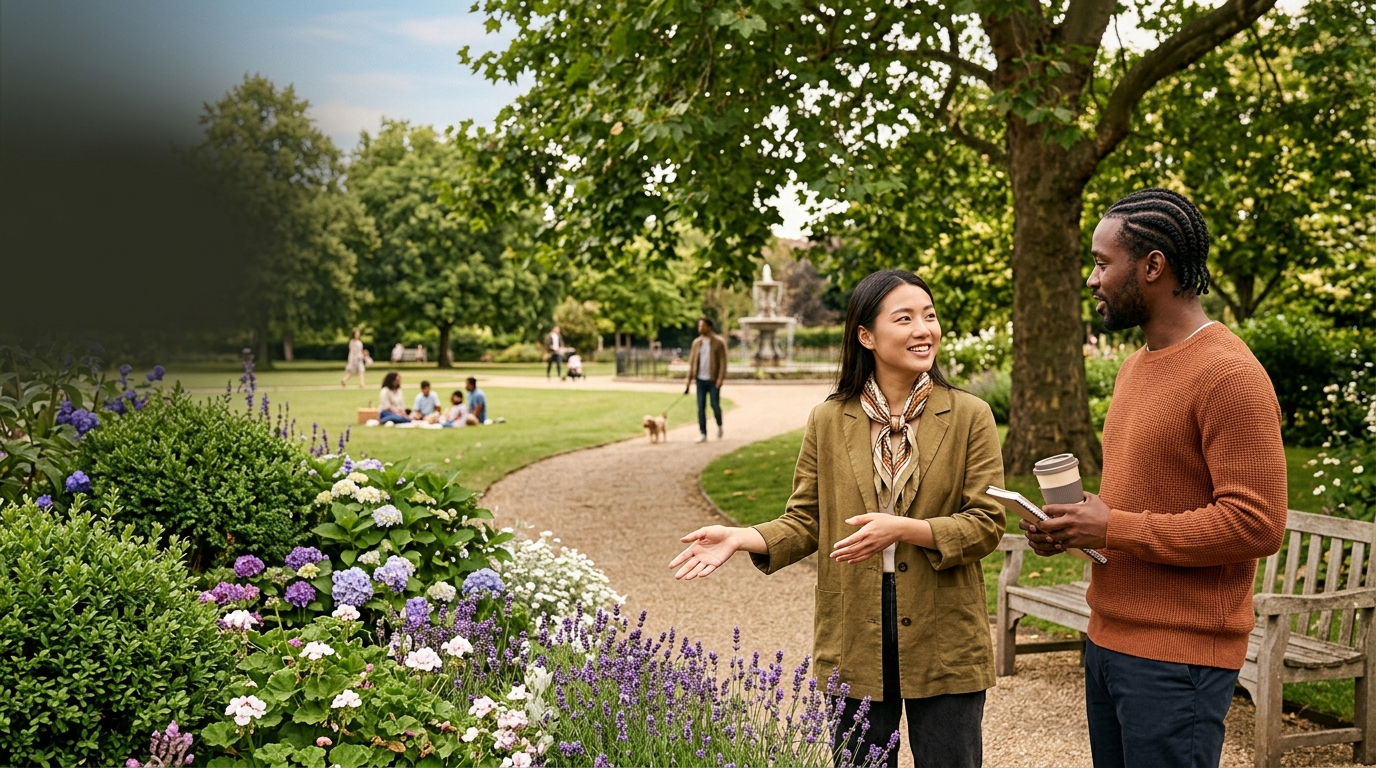
Прежде чем говорить, просмотрите тему
Используйте изображения в качестве подсказок идей. Опишите то, что вы заметили, свяжите это со своим опытом, а затем ответьте на реальный вопрос.
Типовые ответы, услышанные параллельно
Начните с более простого ответа, переключитесь на Band, чтобы услышать, как можно разработать ту же задачу, а затем запишите личный ответ. Это обучающие примеры, а не официальные ответы или гарантии баллов.
Did you like going to parks as a child?
Yes, I liked going to parks as a child. My parents would take me to the playground and I’d spend ages on the swings and slide. Sometimes we had a picnic and I remember running around with other children.
Definitely. Parks were one of my favourite places as a child — a kind of mini-adventure. I loved climbing trees, exploring the bushes and playing games with neighbours. They felt safe and free, and I think those outdoor hours really helped me learn to be independent.
Do you still like going to parks now?
Yes, I still enjoy going to parks. I often go for a walk or sit and read. It’s nice to get out of the house and have some fresh air.
I do. Parks are a great escape from city noise — I go for a jog, cycle or sometimes meet friends for a coffee on a bench. They’re useful for keeping fit and for a quick mental reset during a busy week.
Would you like to see more parks in your city?
Yes, I would like more parks. My city is quite built-up and extra green areas would be good for families and children to play in.
Absolutely. More parks would improve air quality, give people space to exercise and help build community. Ideally they’d be spread evenly across neighbourhoods so everyone, including those in denser areas, can access green space.
Are there any parks you want to go to in the future?
There’s a well-known city park I haven’t been to yet that I’d like to visit. I’ve heard it has a botanic section and a big lake, so I’d like to go and see it.
Yes — I’d love to visit a nearby nature reserve that’s a short train ride away. It has wildflower meadows in spring and good trails for photography and birdwatching. I’m planning a weekend trip when the weather improves to get some pictures and relax.
Would you prefer to play in a personal garden or public garden?
I’d prefer a personal garden because it’s private and safe. You can leave toys out and not worry about strangers. It’s easier for young children.
It depends on the activity. For quiet things like reading or gardening I’d choose a private garden for privacy and convenience. But if I wanted to play sports or meet other people I’d pick a public park because it has more space and facilities.
How are the parks today different from those you visited as a kid?
Parks today seem cleaner and better maintained than when I was a child. There are more bins and new play equipment, and sometimes there are more people using them.
They’re quite different. Modern parks often have better safety standards, multi-use areas and organized activities like outdoor fitness classes. There’s also more emphasis on biodiversity and maintenance, whereas older parks felt more rough-and-ready and less managed.
What do you like to do when visiting a park?
I usually walk or sit on a bench. Sometimes I read or have a picnic with friends. If I have a dog, I’ll let it run around.
It depends on my mood — I might go for a run, do some sketching, or meet friends for a picnic. I also enjoy quiet activities like birdwatching or practising photography, and sometimes I join group yoga sessions that are held in the park.
Would you like to play in a public garden or park?
Yes, I would like to play in a public park. There’s more space and better equipment, and I can meet other people to play with.
I’d choose a public park for playing, especially for team games or anything that needs lots of room. Parks also tend to have marked pitches or courts and organised playgroups, which makes things easier than using a private garden.
Статус практики: Архивированная тема из предыдущего цикла банка вопросов. Он по-прежнему полезен для практики навыков, но не представлен в качестве текущего или гарантированного вопроса экзамена. Как помечаются темы.
Как ответить на вопросы IELTS Speaking по общественным садам и паркам
Этот набор «Скверы и парки» содержит 8 коротких вопросов для интервью. Начинайте каждый ответ с информации, которую запросил экзаменатор, затем дополните его одной причиной, примером или контрастом. Цель — спонтанная, связная речь, а не мини-эссе.
- Ответьте точно на вопрос в первом предложении.
- Добавьте одну причину или конкретную личную информацию.
- Используйте пример или контраст только тогда, когда он добавляет новую информацию.
- Закончите естественно и позвольте экзаменатору задать следующий вопрос.
Повопросный подход
| Практический вопрос | Полезный ответный ход |
|---|---|
| Did you like going to parks as a child? | Приведите реальный пример из прошлого, а затем скажите, что изменилось и почему это имело значение. |
| Do you still like going to parks now? | Ответьте прямо, объясните причину и добавьте одну естественную личную деталь. |
| Would you like to see more parks in your city? | Выскажите вероятную точку зрения, объясните причину и добавьте одно условие или пример. |
| Are there any parks you want to go to in the future? | Дайте прямой ответ, одну причину и короткий пример, не заучивая сценарий. |
Словарный фокус
Полезные формулировки, уже продемонстрированные в примерных ответах, включают: playground equipment, climb trees, have a picnic, go for a stroll, open green space, get some fresh air, urban green space, biodiversity. Изучите каждое значение и естественное сочетание слов, а затем используйте этот элемент в новом ответе вместо того, чтобы копировать полный сценарий.
Распространенные ошибки, которых следует избегать
- Дает заученный ответ, который лишь частично отвечает на вопрос.
- Добавление сложной лексики без проверки значения или словосочетания.
- Перезапуск после каждой ошибки вместо кратковременного исправления и продолжения.
- Чтение ответа модели перед записью своей первой попытки.
Часто задаваемые вопросы по практике общественных садов и парков
Как долго должен длиться мой ответ по поводу общественных садов и парков в Части 1?
Стремитесь к прямому ответу, а также к причине или подробностям, обычно это два-четыре предложения. Остановитесь, когда идея будет завершена, вместо того, чтобы заставлять фиксированное количество слов.
Должен ли я выучить наизусть ответы по моделям «Скверы и парки»?
Нет. Используйте их, чтобы заметить структуру и язык, а затем ответьте, исходя из собственного опыта. Заученная формулировка может дать сбой, если экзаменатор меняет вопрос.
Что делать, если у меня нет опыта в этой теме?
Скажите это честно, а затем объясните соответствующее предпочтение, наблюдение или гипотетический пример. Вас оценивают по языку, а не по специальным знаниям.
