
IELTS スピーキング パート 1: Public gardens and parks 質問と回答
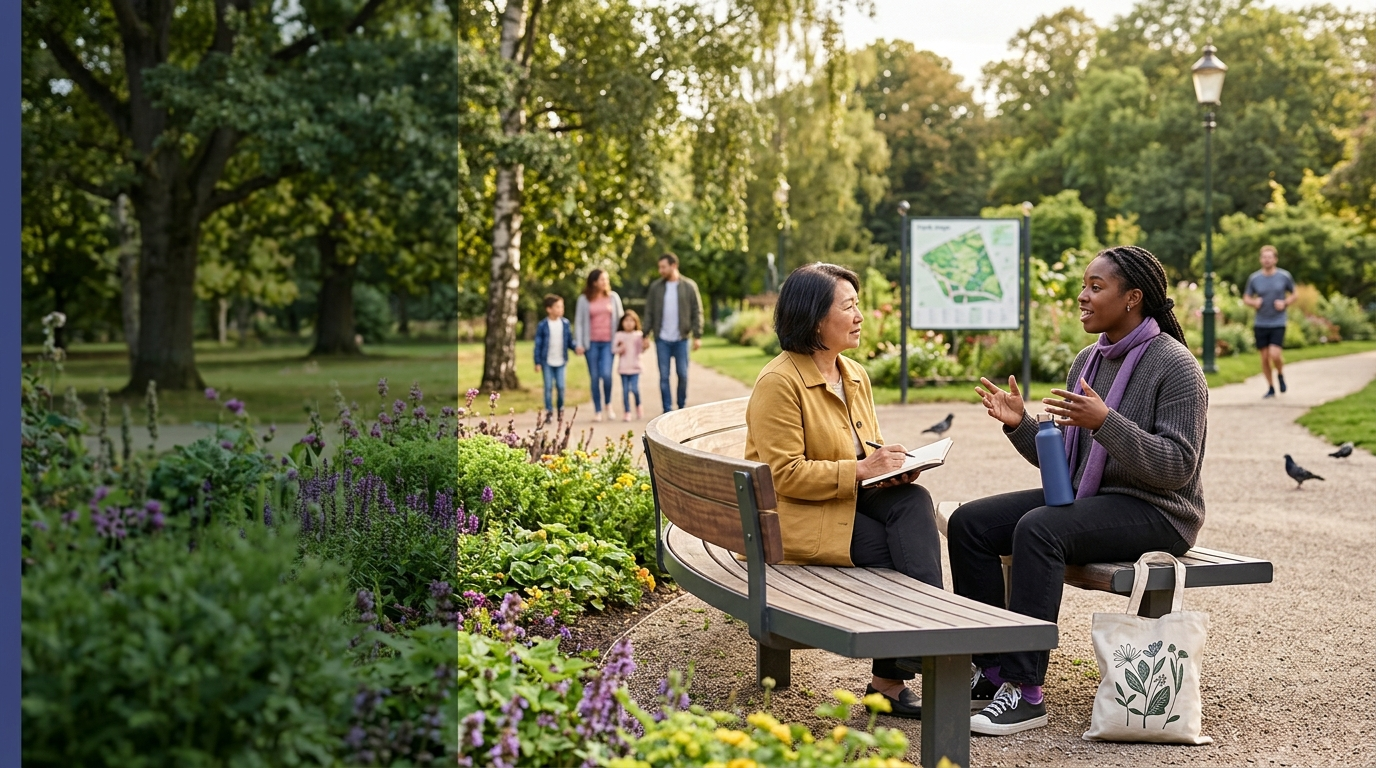
パート 1 の質問
一度に 1 つずつ質問を進めてください。聞いて、答え、比較し、再試行してください。完全な質問テキストは、アクセシビリティと検索のためにページの HTML に残ります。
- 01Did you like going to parks as a child?
- 02Do you still like going to parks now?
- 03Would you like to see more parks in your city?
- 04Are there any parks you want to go to in the future?
- 05Would you prefer to play in a personal garden or public garden?
- 06How are the parks today different from those you visited as a kid?
- 07What do you like to do when visiting a park?
- 08Would you like to play in a public garden or park?
完全なトランスクリプトを読む
Definitely. Parks were one of my favourite places as a child — a kind of mini-adventure. I loved climbing trees, exploring the bushes and playing games with neighbours. They felt safe and free, and I think those outdoor hours really helped me learn to be independent.
準備状況: 予測されたトピックサイクル。この独立した練習用リソースは IELTS の公式論文ではないため、テストの問題は異なる場合があります。 トピックのラベル付け方法.
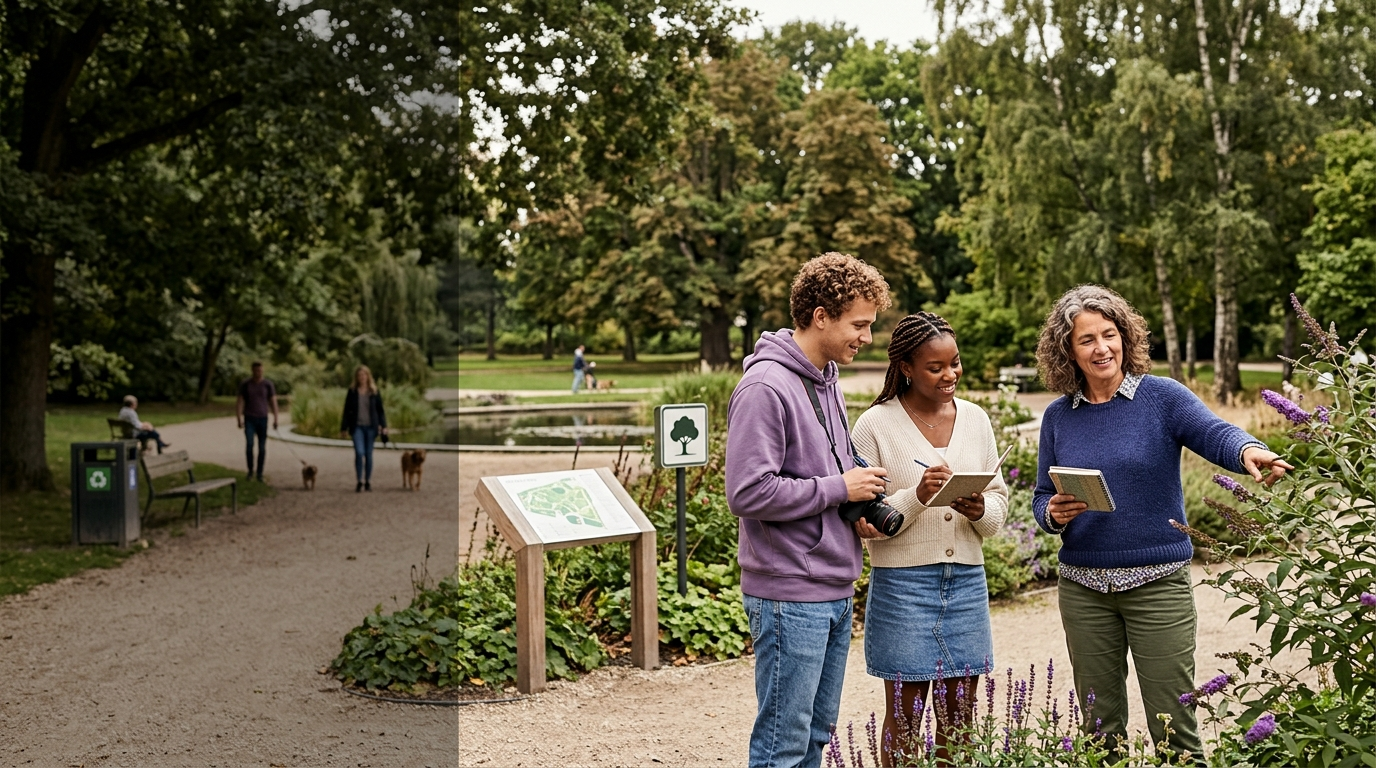
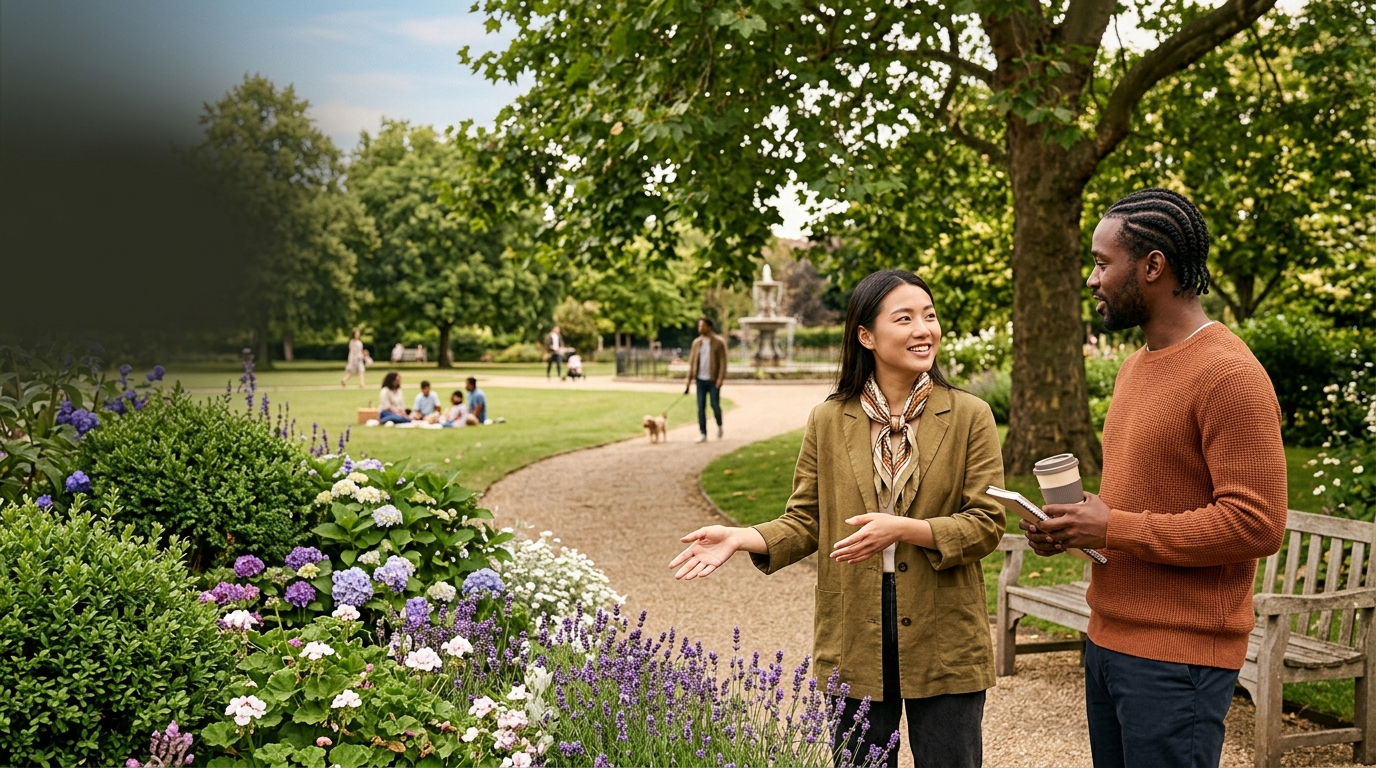
話す前にトピックを確認する
画像をアイデアのヒントとして使用します。気づいたことを説明し、それを自分の経験に結び付けてから、本当の質問に答えてください。
模範解答を並べて聞く
より単純な答えから始めて、Band を切り替えて、同じタスクをどのように開発できるかを聞き、それから個人的な応答を記録します。これらは指導例であり、正式な解答やスコアの保証ではありません。
Did you like going to parks as a child?
Yes, I liked going to parks as a child. My parents would take me to the playground and I’d spend ages on the swings and slide. Sometimes we had a picnic and I remember running around with other children.
Definitely. Parks were one of my favourite places as a child — a kind of mini-adventure. I loved climbing trees, exploring the bushes and playing games with neighbours. They felt safe and free, and I think those outdoor hours really helped me learn to be independent.
Do you still like going to parks now?
Yes, I still enjoy going to parks. I often go for a walk or sit and read. It’s nice to get out of the house and have some fresh air.
I do. Parks are a great escape from city noise — I go for a jog, cycle or sometimes meet friends for a coffee on a bench. They’re useful for keeping fit and for a quick mental reset during a busy week.
Would you like to see more parks in your city?
Yes, I would like more parks. My city is quite built-up and extra green areas would be good for families and children to play in.
Absolutely. More parks would improve air quality, give people space to exercise and help build community. Ideally they’d be spread evenly across neighbourhoods so everyone, including those in denser areas, can access green space.
Are there any parks you want to go to in the future?
There’s a well-known city park I haven’t been to yet that I’d like to visit. I’ve heard it has a botanic section and a big lake, so I’d like to go and see it.
Yes — I’d love to visit a nearby nature reserve that’s a short train ride away. It has wildflower meadows in spring and good trails for photography and birdwatching. I’m planning a weekend trip when the weather improves to get some pictures and relax.
Would you prefer to play in a personal garden or public garden?
I’d prefer a personal garden because it’s private and safe. You can leave toys out and not worry about strangers. It’s easier for young children.
It depends on the activity. For quiet things like reading or gardening I’d choose a private garden for privacy and convenience. But if I wanted to play sports or meet other people I’d pick a public park because it has more space and facilities.
How are the parks today different from those you visited as a kid?
Parks today seem cleaner and better maintained than when I was a child. There are more bins and new play equipment, and sometimes there are more people using them.
They’re quite different. Modern parks often have better safety standards, multi-use areas and organized activities like outdoor fitness classes. There’s also more emphasis on biodiversity and maintenance, whereas older parks felt more rough-and-ready and less managed.
What do you like to do when visiting a park?
I usually walk or sit on a bench. Sometimes I read or have a picnic with friends. If I have a dog, I’ll let it run around.
It depends on my mood — I might go for a run, do some sketching, or meet friends for a picnic. I also enjoy quiet activities like birdwatching or practising photography, and sometimes I join group yoga sessions that are held in the park.
Would you like to play in a public garden or park?
Yes, I would like to play in a public park. There’s more space and better equipment, and I can meet other people to play with.
I’d choose a public park for playing, especially for team games or anything that needs lots of room. Parks also tend to have marked pitches or courts and organised playgroups, which makes things easier than using a private garden.
実践ステータス: 以前の質問バンク サイクルからアーカイブされたトピック。これはスキルの練習には役立ちますが、現在の試験問題または保証された試験問題としては提示されません。 トピックのラベル付け方法.
公共の庭園と公園 IELTS スピーキングの質問に答える方法
この公共の庭園と公園セットには、8 つの短いインタビューの質問が含まれています。各回答は試験官が求めた情報から始めて、次に 1 つの理由、例、または対比を加えて拡張します。目標は、ミニエッセイではなく、自発的でつながりのあるスピーチです。
- 最初の文の質問に正確に答えてください。
- 理由または具体的な個人情報を 1 つ追加します。
- 例や対比は、新しい情報を追加する場合にのみ使用してください。
- 自然に終了し、試験官に次の質問をさせます。
質問ごとのアプローチ
| 練習問題 | 役に立つ答えの動き |
|---|---|
| Did you like going to parks as a child? | 実際の過去の例を挙げて、何が変わったのか、なぜそれが重要なのかを述べます。 |
| Do you still like going to parks now? | 直接答え、理由を述べ、自然な個人的な詳細を 1 つ追加してください。 |
| Would you like to see more parks in your city? | 考えられる見解を述べ、その理由を説明し、条件または例を 1 つ追加します。 |
| Are there any parks you want to go to in the future? | スクリプトを暗記せずに、直接的な答え、理由を 1 つ、短い例を述べてください。 |
語彙に焦点を当てる
模範解答で既に示されている有用な文言には次のようなものがあります。 playground equipment, climb trees, have a picnic, go for a stroll, open green space, get some fresh air, urban green space, biodiversity。それぞれの意味と自然な単語の連携を学び、完全な台本をコピーするのではなく、新しい回答でその項目を使用します。
避けるべきよくある間違い
- 質問に対して部分的にしか答えていない、暗記した回答をする。
- 意味やコロケーションを確認せずに、難しい語彙を追加する。
- エラーが発生するたびに、簡単に修正して続行するのではなく、再起動します。
- 自分の最初の解答を記録する前に、模範解答を読んでください。
公共の庭園と公園の実践に関するよくある質問
パート 1 の公共の庭園と公園についての回答はどれくらい長くなければなりませんか?
直接的な回答と理由または詳細を、通常は 2 ~ 4 文で回答することを目指します。固定語数を強制するのではなく、アイデアが完成したら停止します。
公共の庭園と公園の模範解答を暗記したほうがよいでしょうか?
いいえ。それらを使用して構造と言語に気づき、自分の経験から答えてください。暗記した言葉遣いは、試験官が質問を変えると失敗する可能性があります。
トピックに関する経験がない場合はどうすればよいですか?
それを正直に述べてから、関連する好み、観察、または仮説の例を説明します。専門知識ではなく、言語によって評価されます。
