
IELTS การพูด ตอนที่ 2 และ 3: Describe a person who loves to grow plants (e.g. vegetables, flowers) at home or in the garden
ส่วนที่ 2 บัตรคิว
Describe a person who loves to grow plants (e.g. vegetables, flowers) at home or in the garden
คุณควรพูดว่า:
- คนนี้เป็นใคร
- เขา/เธอปลูกพืชอะไร
- เขา/เธอปลูกพืชอย่างไร
- และทำไมเขา/เธอถึงชอบปลูกต้นไม้
คุณจะมีเวลาหนึ่งถึงสองนาทีในการพูดคุยเกี่ยวกับหัวข้อนี้
อ่านบทบรรยายฉบับสมบูรณ์
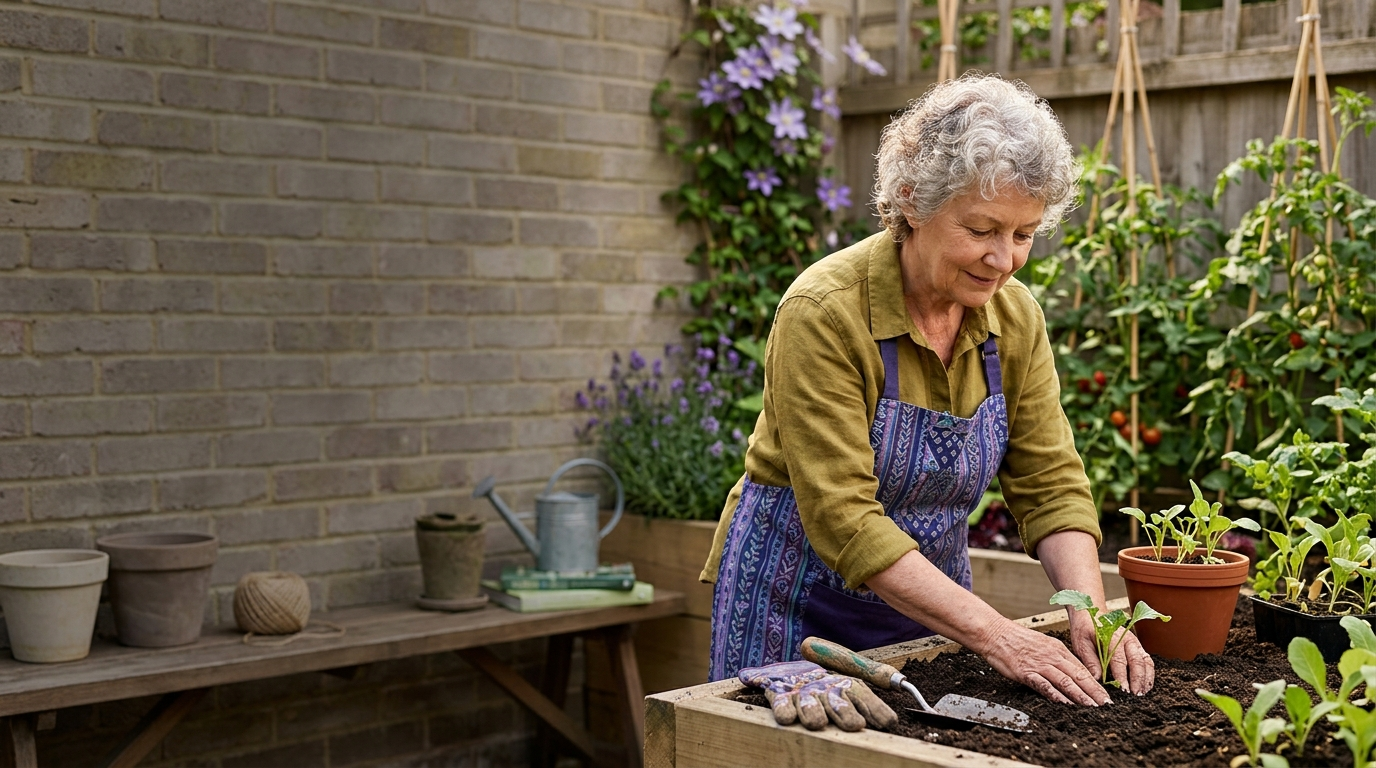
One person I can think of is my neighbour Emma, who’s been growing plants for about ten years. She’s a retired teacher who transformed the front yard into a small urban garden, and everyone in the street knows her for it. She grows a mixture of vegetables and ornamentals: tomatoes, chillies, basil, lettuces, along with roses and climbing jasmine. In summer she also keeps tubs of dahlias and a selection of succulents on the windowsill. Emma uses a few raised beds and several large pots because our soil is quite heavy; she mixes in homemade compost to improve it. She’s meticulous about watering — drip irrigation for the veg and a watering can for the pots — and she propagates cuttings to save money. She’s also careful with natural pest control and practices companion planting, which has reduced problems with aphids and slugs. She says gardening keeps her active and gives her a steady supply of fresh salad leaves; she also enjoys the routine and the chance to nurture life. For her, the best part is watching something tiny grow into a plant you can eat or give as a present, and she loves teaching her grandchildren how to sow seeds.
สถานะการเตรียมการ: รอบหัวข้อที่คาดการณ์ไว้ แหล่งข้อมูลสำหรับฝึกหัดอิสระนี้ไม่ใช่ข้อสอบ IELTS อย่างเป็นทางการ และคำถามในการทดสอบอาจแตกต่างกันออกไป วิธีการติดป้ายกำกับหัวข้อ.
ส่วนที่ 3 คำถามสนทนา
ย้ายทีละคำถาม: ฟัง ตอบ เปรียบเทียบ และลองอีกครั้ง ข้อความคำถามที่สมบูรณ์จะยังคงอยู่ในหน้า HTML เพื่อการเข้าถึงและการค้นหา
- 01What are the advantages of growing vegetables or flowers at home?
- 02Do many people grow vegetables or flowers at home in your country?
- 03Is it easy to grow plants at home?
- 04Why do some people like to grow plants?
- 05Why do some people prefer to grow their own fruits and vegetables instead of buying them from the market?
- 06Do you think students should learn to grow plants?
ดูหัวข้อก่อนพูด
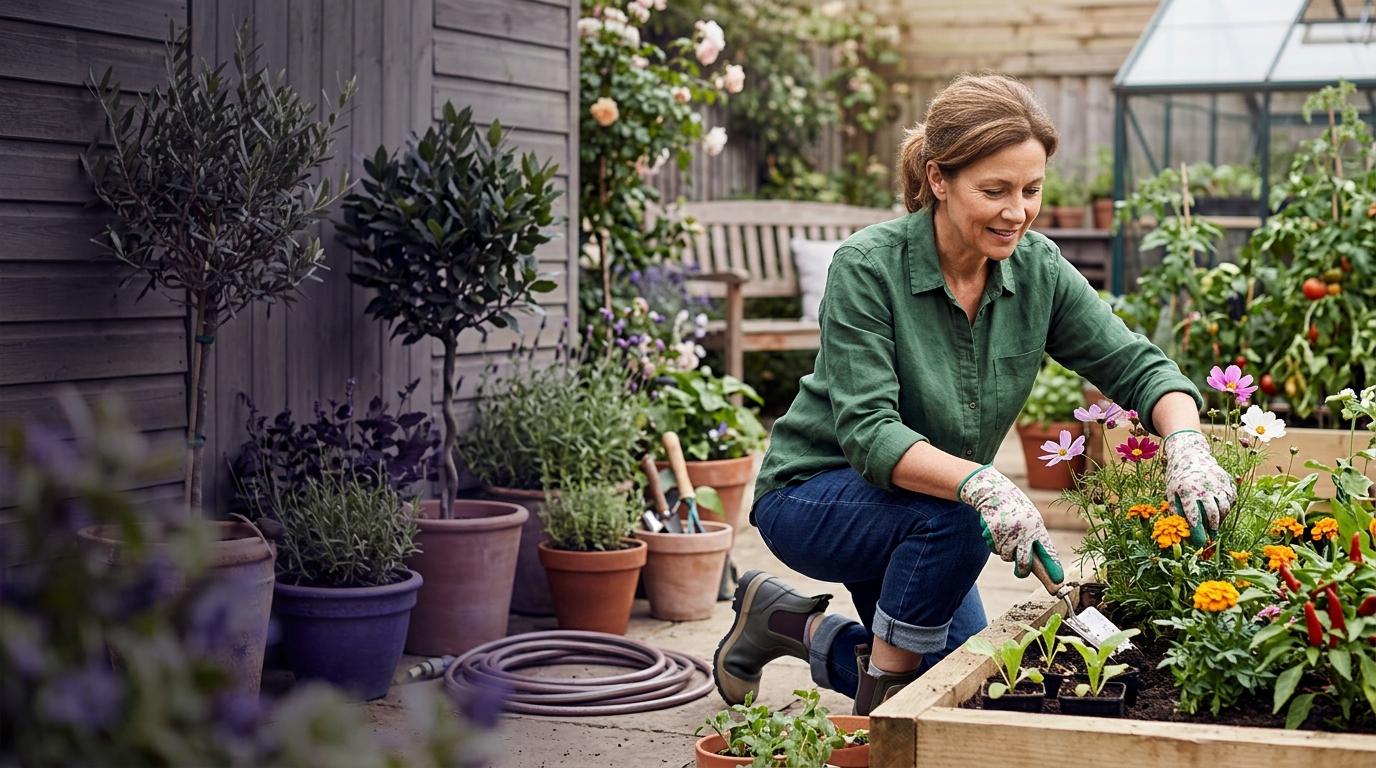
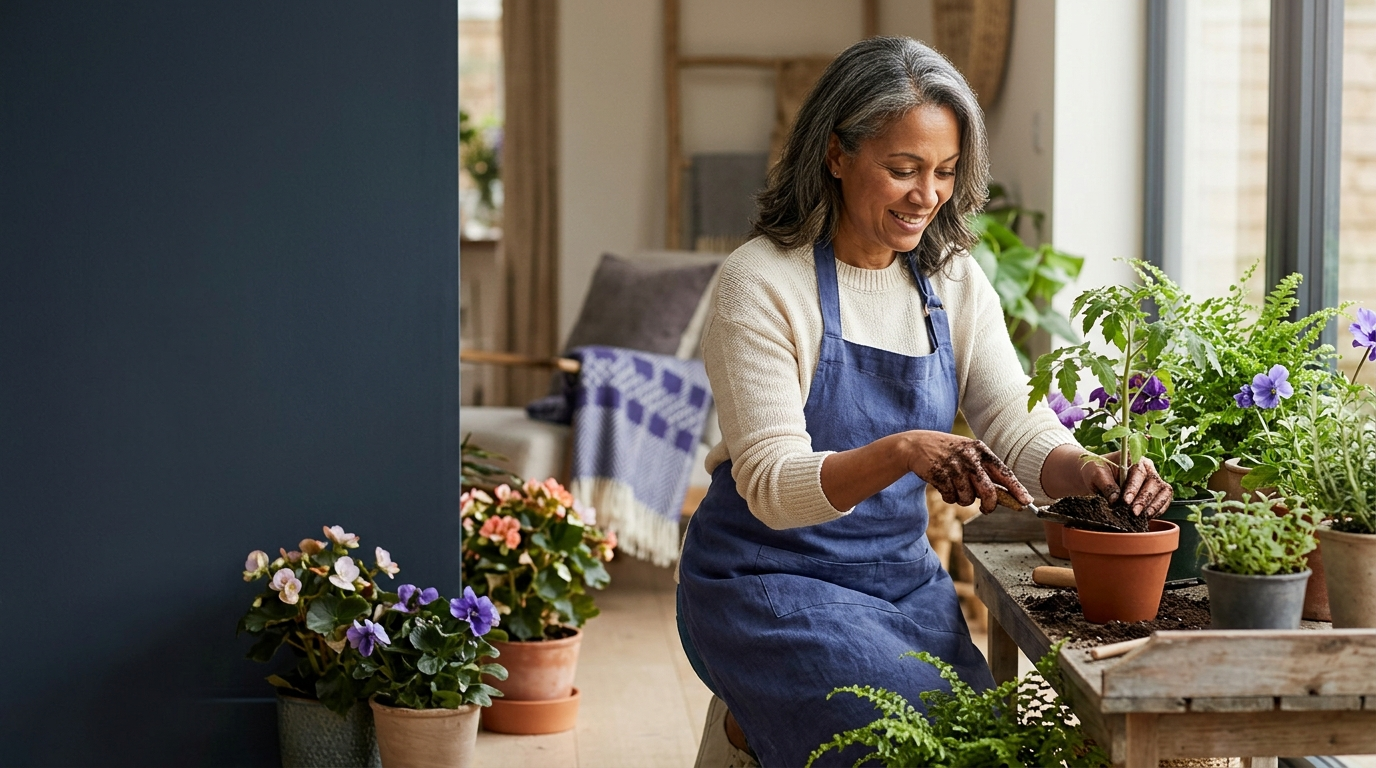
ใช้รูปภาพเป็นไอเดีย อธิบายสิ่งที่คุณสังเกตเห็น เชื่อมโยงกับประสบการณ์ของคุณ แล้วตอบคำถามจริง
โมเดลตอบ ได้ยินพร้อมๆ กัน
เริ่มต้นด้วยคำตอบที่ง่ายกว่า สลับ Band เพื่อฟังว่างานเดียวกันนี้สามารถพัฒนาได้อย่างไร จากนั้นจึงบันทึกคำตอบส่วนตัว นี่เป็นตัวอย่างการสอน ไม่ใช่คำตอบอย่างเป็นทางการหรือการรับประกันคะแนน
ส่วนที่ 2 - คำตอบของแบบจำลอง
Part 2 cue-card response
The person I want to describe is my friend Mark. He loves growing plants at home. He has a small back garden and a few pots on the balcony. He grows tomatoes, lettuce, basil and some sunflowers. He usually buys compost and waters them every morning. Sometimes he starts plants from seed, sometimes he buys young plants from the garden centre. He enjoys gardening because it relaxes him and he gets fresh vegetables to eat. He also likes giving extra produce to neighbours and saving money.
One person I can think of is my neighbour Emma, who’s been growing plants for about ten years. She’s a retired teacher who transformed the front yard into a small urban garden, and everyone in the street knows her for it. She grows a mixture of vegetables and ornamentals: tomatoes, chillies, basil, lettuces, along with roses and climbing jasmine. In summer she also keeps tubs of dahlias and a selection of succulents on the windowsill. Emma uses a few raised beds and several large pots because our soil is quite heavy; she mixes in homemade compost to improve it. She’s meticulous about watering — drip irrigation for the veg and a watering can for the pots — and she propagates cuttings to save money. She’s also careful with natural pest control and practices companion planting, which has reduced problems with aphids and slugs. She says gardening keeps her active and gives her a steady supply of fresh salad leaves; she also enjoys the routine and the chance to nurture life. For her, the best part is watching something tiny grow into a plant you can eat or give as a present, and she loves teaching her grandchildren how to sow seeds.
ส่วนที่ 3 - คำตอบของแบบจำลอง
What are the advantages of growing vegetables or flowers at home?
Growing vegetables or flowers at home has several advantages. You get fresher food and it can save money. Flowers make the place look nicer and lift your mood. Gardening is also a good form of light exercise and a relaxing hobby.
There are quite a few benefits. First, home-grown vegetables are fresher and often tastier, and you can control how they're grown so you avoid unnecessary pesticides. Second, flowers improve the appearance of your home and can boost wellbeing — seeing plants in bloom really reduces stress. Third, gardening helps reduce waste if you compost kitchen scraps, and it cuts food miles. Finally, it can bring neighbours together if you share surplus produce and swap tips.
Do many people grow vegetables or flowers at home in your country?
In my country some people grow plants at home, especially in villages. In cities, people with balconies or small gardens also grow herbs or tomatoes. But many people don't have space or time, so not everyone grows plants.
It depends where you look. In rural areas it's quite common for households to keep a few vegetable beds, and in towns there's been a rise in balcony gardening and allotments. The pandemic encouraged many people to take up gardening, and community gardens have become more popular as a result. However, people living in high-rise flats without outdoor space still find it hard to grow anything beyond a few pots.
Is it easy to grow plants at home?
Growing plants at home can be easy or hard. Some plants like herbs or salad leaves are simple to grow. Other plants need more care, good soil, and protection from pests. It also depends on the weather and how much time you have.
It isn't always straightforward. The difficulty depends on the species, local climate and the grower's experience — some crops, such as basil, lettuce and radishes, are beginner-friendly and forgiving, whereas fruit trees or certain shrubs require more knowledge about pruning, feeding and pest control. With a bit of guidance on soil improvement, watering routines and basic pest management, most people can get reliable results. Choosing the right plants for your space and season makes a big difference.
Why do some people like to grow plants?
People like to grow plants because it's relaxing and enjoyable. It is a hobby that keeps them busy and gives them fresh food or pretty flowers. Some people also like the feeling of achievement when plants grow.
There are several deeper reasons. For many, gardening is therapeutic — it reduces stress and gives a calming daily routine. Others value the connection to nature and the sense of independence that comes from producing your own food. There are also social motives: gardeners often meet neighbours, exchange plants and advice, and feel part of a local community, which is very rewarding.
Why do some people prefer to grow their own fruits and vegetables instead of buying them from the market?
People prefer to grow their own fruit and vegetables because they taste fresher and they can be cheaper. They also know what's been used on them, so they can avoid chemicals. Some people like the pride of eating food they've grown.
There are several strong reasons for that choice. Home-grown produce is often picked at peak ripeness, which improves flavour and nutritional value, and growing your own lets you avoid pesticides and reduce packaging. Over time it can also be cheaper and reduces dependence on supermarket supply chains, which some people worry about. Beyond practicality, many growers simply enjoy the satisfaction and pride of producing food themselves.
Do you think students should learn to grow plants?
Yes, I think students should learn to grow plants. It teaches responsibility and practical skills. It can also help them understand science and nature. School gardens are a good way for children to learn these things.
Absolutely — gardening is a valuable life skill schools should include. It links directly to biology and environmental education, gives hands-on experience with food and nutrition, and teaches practical lessons about sustainability. Gardening also supports pupils' mental health by reducing stress and boosting self-esteem, and group projects like a school allotment encourage teamwork and practical problem-solving. These lessons can influence healthier eating habits and a greater environmental awareness.
วิธีตอบ บรรยายถึงผู้ที่รักการปลูกพืช (เช่น ผัก ดอกไม้) ที่บ้านหรือในสวน คำถาม IELTS การพูด
สำหรับการบรรยายถึงผู้ที่รักการปลูกพืช (เช่น ผัก ดอกไม้) ที่บ้านหรือในสวน ให้ใช้นาทีการเตรียมการเพื่อสร้างเส้นทางผ่านการพูดคุย เลือกหัวข้อที่ชัดเจน เพิ่มช่วงเวลาหรือรายละเอียดที่เฉพาะเจาะจงสองรายการ และจบด้วยเหตุผลว่าทำไมจึงสำคัญ จากนั้นใช้คำถามส่วนที่ 3 ที่เชื่อมโยงเพื่อฝึกฝนการอธิบายและการเปรียบเทียบที่กว้างขึ้น
ข้อความแจ้งบัตรคิว:
- คนนี้เป็นใคร
- เขา/เธอปลูกพืชอะไร
- เขา/เธอปลูกพืชอย่างไร
- และทำไมเขา/เธอถึงชอบปลูกต้นไม้
- การเปิด: ระบุบุคคล สถานที่ วัตถุ หรือเหตุการณ์
- การพัฒนา: อธิบายสองรายละเอียดหรือช่วงเวลาตามลำดับตรรกะ
- ส่วนขยาย: อธิบายเหตุผล ผลลัพธ์ การเปรียบเทียบ หรือปัญหา
- การสะท้อนกลับ: จบด้วยเหตุผลว่าทำไมหัวข้อนั้นถึงน่าจดจำหรือสำคัญ
แนวทางคำถามต่อคำถาม
| คำถามฝึกหัด | การย้ายคำตอบที่เป็นประโยชน์ |
|---|---|
| What are the advantages of growing vegetables or flowers at home? | ตั้งชื่อสิ่งนั้นก่อน จากนั้นจึงอธิบายคุณลักษณะหรือตัวอย่างเฉพาะเจาะจง |
| Do many people grow vegetables or flowers at home in your country? | ให้คำตอบโดยตรง เหตุผลหนึ่งข้อ และตัวอย่างสั้นๆ โดยไม่ต้องจำสคริปต์ |
| Is it easy to grow plants at home? | ตอบโดยตรง ให้เหตุผล และเพิ่มรายละเอียดส่วนบุคคลที่เป็นธรรมชาติหนึ่งรายการ |
| Why do some people like to grow plants? | ตอบด้วยสาเหตุหลักเพียงข้อเดียว แล้วสนับสนุนด้วยตัวอย่างที่เป็นรูปธรรม |
เน้นคำศัพท์
ภาษาที่มีประโยชน์แสดงให้เห็นแล้วในคำตอบของโมเดล ได้แก่ food miles, compost, surplus produce, allotment, balcony gardening, community garden, forgiving, pruning. เรียนรู้แต่ละความหมายและคู่คำที่เป็นธรรมชาติ จากนั้นใช้รายการนั้นเป็นคำตอบใหม่แทนที่จะคัดลอกสคริปต์ที่สมบูรณ์
ข้อผิดพลาดทั่วไปที่ควรหลีกเลี่ยง
- ให้คำตอบที่จดจำซึ่งตอบคำถามเพียงบางส่วนเท่านั้น
- เติมคำศัพท์ยากๆ โดยไม่ต้องตรวจสอบความหมายหรือการจัดตำแหน่ง
- รีสตาร์ทหลังจากทุกข้อผิดพลาด แทนที่จะแก้ไขในช่วงสั้นๆ และดำเนินการต่อ
- อ่านคำตอบของแบบจำลองก่อนที่จะบันทึกความพยายามครั้งแรกของคุณเอง
บรรยายถึงผู้ที่รักการปลูกพืช (เช่น ผัก ดอกไม้) ที่บ้านหรือในสวนคำถามที่พบบ่อย
ฉันจะใช้นาทีการเตรียมบัตรคิวอธิบายคนที่รักการปลูกพืช (เช่น ผัก ดอกไม้) ที่บ้านหรือในสวนได้อย่างไร
เขียนคำหลักสำหรับช่วงเริ่มต้น รายละเอียดสองหรือสามรายละเอียด และการไตร่ตรองขั้นสุดท้าย อย่าพยายามเขียนประโยคที่สมบูรณ์
ฉันต้องครอบคลุมสัญลักษณ์แสดงหัวข้อย่อยทุกบัตรคิวหรือไม่
ข้อความแจ้งจะช่วยคุณจัดระเบียบการสนทนา การครอบคลุมสิ่งเหล่านี้มีประโยชน์ แต่การตอบสนองหนึ่งถึงสองนาทีที่สอดคล้องกันนั้นมีความสำคัญมากกว่าการทำเครื่องหมายแต่ละบรรทัดโดยอัตโนมัติ
คำถามส่วนที่ 3 เชื่อมโยงกับส่วนที่ 2 อย่างไร
พวกเขาพัฒนาหัวข้อกว้างๆ ที่เหมือนกันด้วยเหตุผล การเปรียบเทียบ ผลกระทบทางสังคม หรือความเป็นไปได้ในอนาคต ดังนั้น คำตอบโดยปกติจะต้องมีคำอธิบายมากกว่าส่วนที่ 1
