
Palestra IELTS Parte 2 e 3: Describe a person who loves to grow plants (e.g. vegetables, flowers) at home or in the garden
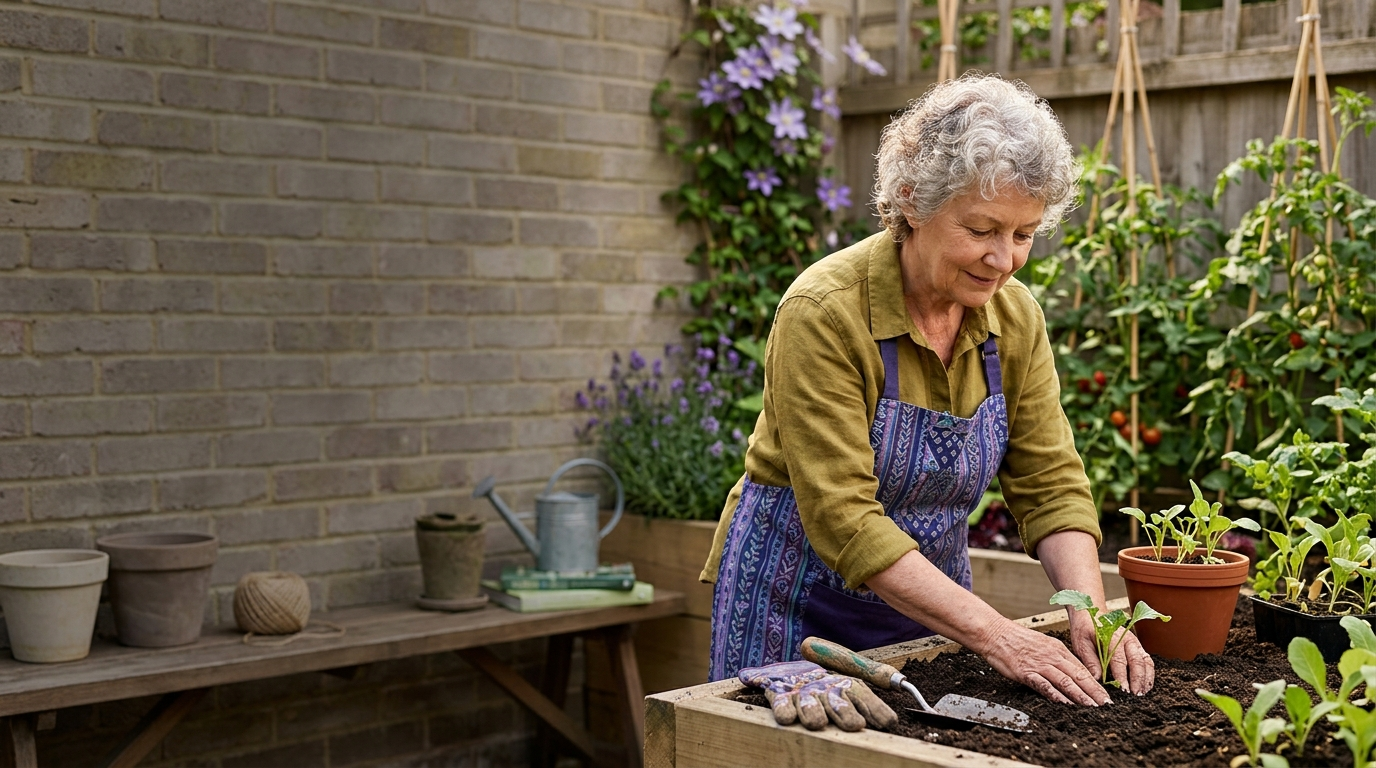
Cartão de dicas da parte 2
Describe a person who loves to grow plants (e.g. vegetables, flowers) at home or in the garden
Você deveria dizer:
- Quem é essa pessoa
- Que plantas ele/ela cultiva
- Como ele/ela cultiva as plantas
- E por que ele/ela adora cultivar plantas
Você terá de um a dois minutos para falar sobre este assunto.
Leia a transcrição completa
One person I can think of is my neighbour Emma, who’s been growing plants for about ten years. She’s a retired teacher who transformed the front yard into a small urban garden, and everyone in the street knows her for it. She grows a mixture of vegetables and ornamentals: tomatoes, chillies, basil, lettuces, along with roses and climbing jasmine. In summer she also keeps tubs of dahlias and a selection of succulents on the windowsill. Emma uses a few raised beds and several large pots because our soil is quite heavy; she mixes in homemade compost to improve it. She’s meticulous about watering — drip irrigation for the veg and a watering can for the pots — and she propagates cuttings to save money. She’s also careful with natural pest control and practices companion planting, which has reduced problems with aphids and slugs. She says gardening keeps her active and gives her a steady supply of fresh salad leaves; she also enjoys the routine and the chance to nurture life. For her, the best part is watching something tiny grow into a plant you can eat or give as a present, and she loves teaching her grandchildren how to sow seeds.
Status de preparação: Ciclo de tópico previsto. Este recurso de prática independente não é um documento oficial do IELTS e as perguntas do seu teste podem ser diferentes. Como os tópicos são rotulados.
Questões para discussão da Parte 3
Mova uma pergunta de cada vez: ouça, responda, compare e tente novamente. O texto completo da pergunta permanece na página HTML para acessibilidade e pesquisa.
- 01What are the advantages of growing vegetables or flowers at home?
- 02Do many people grow vegetables or flowers at home in your country?
- 03Is it easy to grow plants at home?
- 04Why do some people like to grow plants?
- 05Why do some people prefer to grow their own fruits and vegetables instead of buying them from the market?
- 06Do you think students should learn to grow plants?
Veja o tópico antes de falar
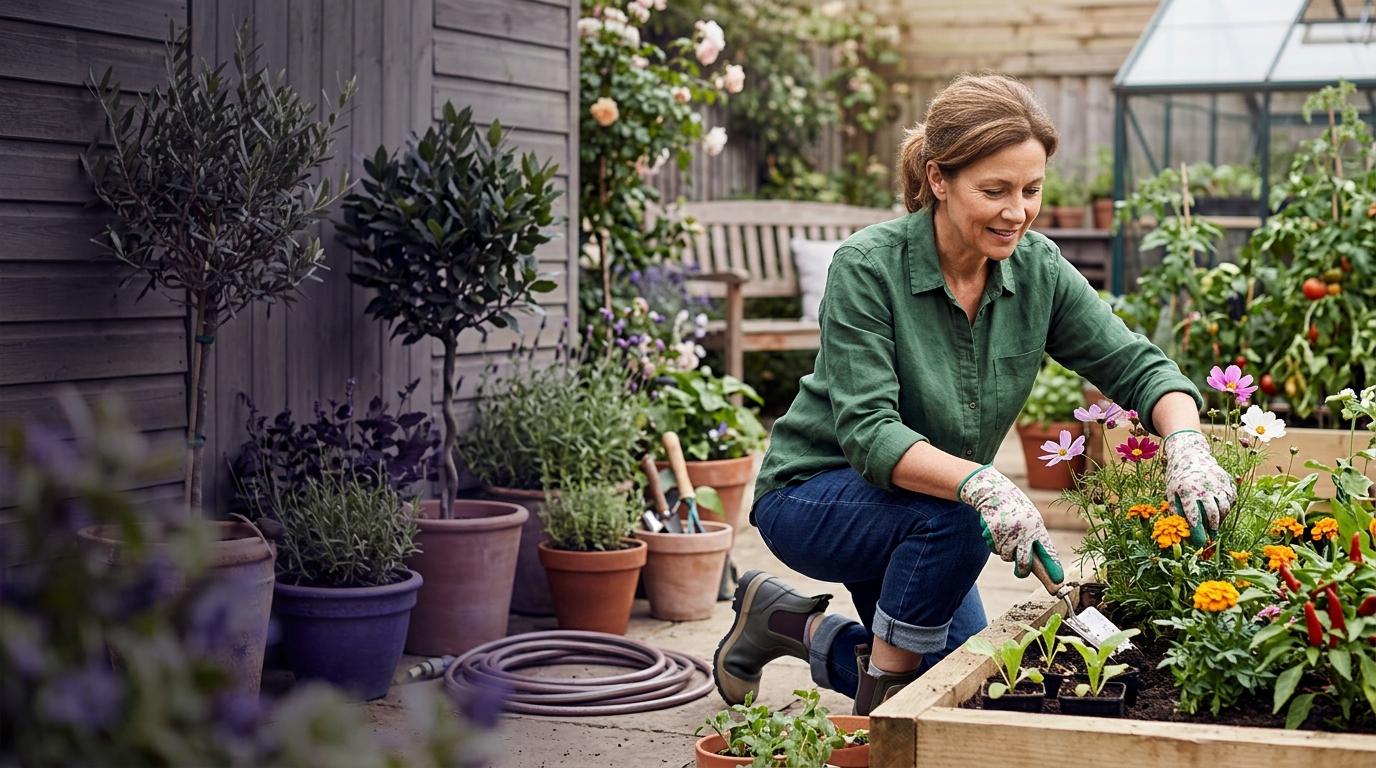
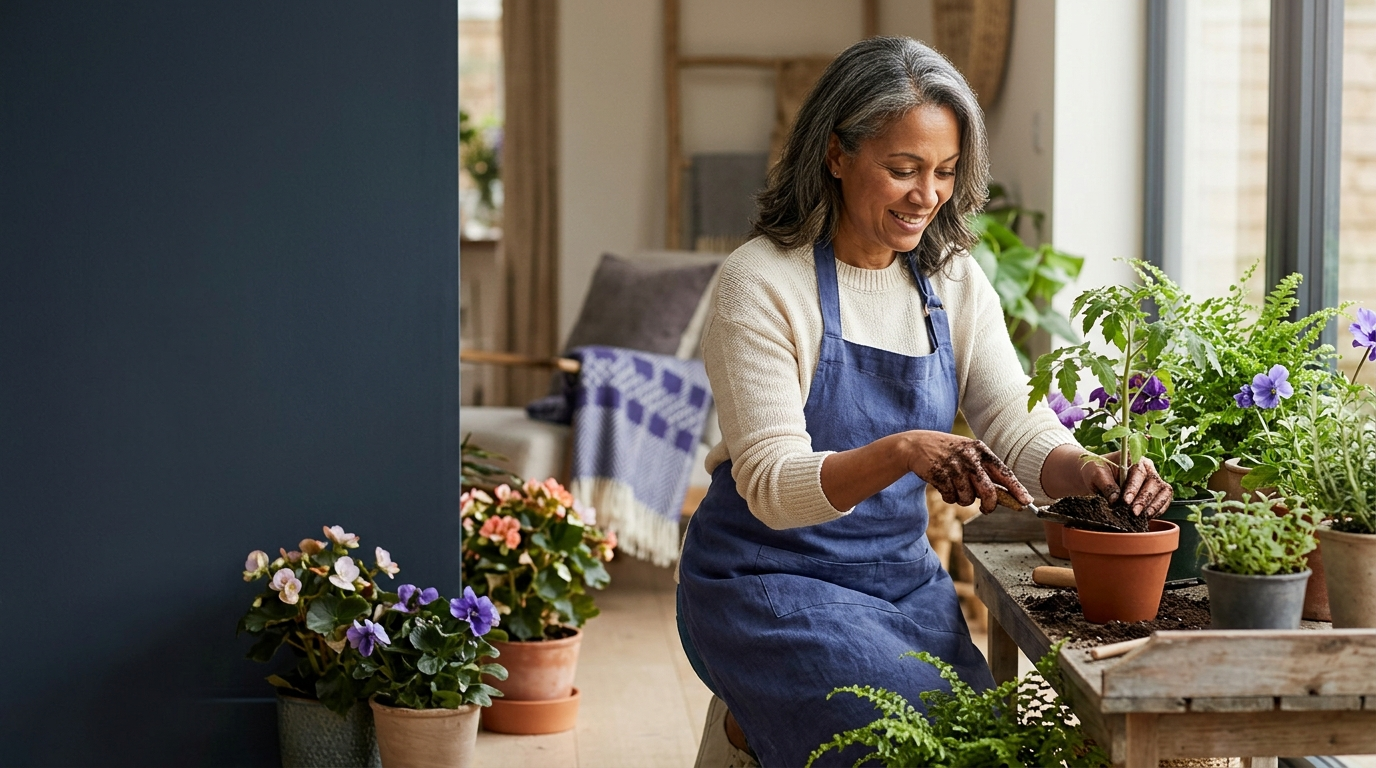
Use as imagens como sugestões de ideias. Descreva o que você percebe, conecte-o à sua experiência e responda à verdadeira pergunta.
Respostas modelo, ouvidas lado a lado
Comece com a resposta mais simples, mude Band para ouvir como a mesma tarefa pode ser desenvolvida e depois registre uma resposta pessoal. Estes são exemplos didáticos, não respostas oficiais ou garantias de pontuação.
Parte 2 – Resposta do Modelo
Part 2 cue-card response
The person I want to describe is my friend Mark. He loves growing plants at home. He has a small back garden and a few pots on the balcony. He grows tomatoes, lettuce, basil and some sunflowers. He usually buys compost and waters them every morning. Sometimes he starts plants from seed, sometimes he buys young plants from the garden centre. He enjoys gardening because it relaxes him and he gets fresh vegetables to eat. He also likes giving extra produce to neighbours and saving money.
One person I can think of is my neighbour Emma, who’s been growing plants for about ten years. She’s a retired teacher who transformed the front yard into a small urban garden, and everyone in the street knows her for it. She grows a mixture of vegetables and ornamentals: tomatoes, chillies, basil, lettuces, along with roses and climbing jasmine. In summer she also keeps tubs of dahlias and a selection of succulents on the windowsill. Emma uses a few raised beds and several large pots because our soil is quite heavy; she mixes in homemade compost to improve it. She’s meticulous about watering — drip irrigation for the veg and a watering can for the pots — and she propagates cuttings to save money. She’s also careful with natural pest control and practices companion planting, which has reduced problems with aphids and slugs. She says gardening keeps her active and gives her a steady supply of fresh salad leaves; she also enjoys the routine and the chance to nurture life. For her, the best part is watching something tiny grow into a plant you can eat or give as a present, and she loves teaching her grandchildren how to sow seeds.
Parte 3 – Respostas do Modelo
What are the advantages of growing vegetables or flowers at home?
Growing vegetables or flowers at home has several advantages. You get fresher food and it can save money. Flowers make the place look nicer and lift your mood. Gardening is also a good form of light exercise and a relaxing hobby.
There are quite a few benefits. First, home-grown vegetables are fresher and often tastier, and you can control how they're grown so you avoid unnecessary pesticides. Second, flowers improve the appearance of your home and can boost wellbeing — seeing plants in bloom really reduces stress. Third, gardening helps reduce waste if you compost kitchen scraps, and it cuts food miles. Finally, it can bring neighbours together if you share surplus produce and swap tips.
Do many people grow vegetables or flowers at home in your country?
In my country some people grow plants at home, especially in villages. In cities, people with balconies or small gardens also grow herbs or tomatoes. But many people don't have space or time, so not everyone grows plants.
It depends where you look. In rural areas it's quite common for households to keep a few vegetable beds, and in towns there's been a rise in balcony gardening and allotments. The pandemic encouraged many people to take up gardening, and community gardens have become more popular as a result. However, people living in high-rise flats without outdoor space still find it hard to grow anything beyond a few pots.
Is it easy to grow plants at home?
Growing plants at home can be easy or hard. Some plants like herbs or salad leaves are simple to grow. Other plants need more care, good soil, and protection from pests. It also depends on the weather and how much time you have.
It isn't always straightforward. The difficulty depends on the species, local climate and the grower's experience — some crops, such as basil, lettuce and radishes, are beginner-friendly and forgiving, whereas fruit trees or certain shrubs require more knowledge about pruning, feeding and pest control. With a bit of guidance on soil improvement, watering routines and basic pest management, most people can get reliable results. Choosing the right plants for your space and season makes a big difference.
Why do some people like to grow plants?
People like to grow plants because it's relaxing and enjoyable. It is a hobby that keeps them busy and gives them fresh food or pretty flowers. Some people also like the feeling of achievement when plants grow.
There are several deeper reasons. For many, gardening is therapeutic — it reduces stress and gives a calming daily routine. Others value the connection to nature and the sense of independence that comes from producing your own food. There are also social motives: gardeners often meet neighbours, exchange plants and advice, and feel part of a local community, which is very rewarding.
Why do some people prefer to grow their own fruits and vegetables instead of buying them from the market?
People prefer to grow their own fruit and vegetables because they taste fresher and they can be cheaper. They also know what's been used on them, so they can avoid chemicals. Some people like the pride of eating food they've grown.
There are several strong reasons for that choice. Home-grown produce is often picked at peak ripeness, which improves flavour and nutritional value, and growing your own lets you avoid pesticides and reduce packaging. Over time it can also be cheaper and reduces dependence on supermarket supply chains, which some people worry about. Beyond practicality, many growers simply enjoy the satisfaction and pride of producing food themselves.
Do you think students should learn to grow plants?
Yes, I think students should learn to grow plants. It teaches responsibility and practical skills. It can also help them understand science and nature. School gardens are a good way for children to learn these things.
Absolutely — gardening is a valuable life skill schools should include. It links directly to biology and environmental education, gives hands-on experience with food and nutrition, and teaches practical lessons about sustainability. Gardening also supports pupils' mental health by reducing stress and boosting self-esteem, and group projects like a school allotment encourage teamwork and practical problem-solving. These lessons can influence healthier eating habits and a greater environmental awareness.
Como responder Descreva uma pessoa que adora cultivar plantas (por exemplo, vegetais, flores) em casa ou no jardim IELTS Speaking questions
Para o cartão Descreva uma pessoa que adora cultivar plantas (por exemplo, vegetais, flores) em casa ou no cartão de dicas de jardim, use o minuto de preparação para construir um roteiro através da palestra. Escolha um assunto claro, adicione dois momentos ou detalhes específicos e termine explicando por que é importante. Em seguida, use as perguntas vinculadas da Parte 3 para praticar explicações e comparações mais amplas.
Solicitações do cartão de sugestão:
- Quem é essa pessoa
- Que plantas ele/ela cultiva
- Como ele/ela cultiva as plantas
- E por que ele/ela adora cultivar plantas
- Abertura: identificar a pessoa, lugar, objeto ou evento.
- Desenvolvimento: descreva dois detalhes ou momentos em uma ordem lógica.
- Extensão: explique um motivo, resultado, comparação ou problema.
- Reflexão: finalize explicando por que o assunto é memorável ou importante.
Abordagem pergunta por pergunta
| Pergunta prática | Movimento de resposta útil |
|---|---|
| What are the advantages of growing vegetables or flowers at home? | Nomeie a coisa primeiro e depois descreva um recurso ou exemplo específico. |
| Do many people grow vegetables or flowers at home in your country? | Dê uma resposta direta, um motivo e um pequeno exemplo sem memorizar um roteiro. |
| Is it easy to grow plants at home? | Responda diretamente, dê um motivo e adicione um detalhe pessoal natural. |
| Why do some people like to grow plants? | Responda com uma causa principal e depois apoie-a com um exemplo concreto. |
Foco no vocabulário
A linguagem útil já demonstrada nas respostas do modelo inclui food miles, compost, surplus produce, allotment, balcony gardening, community garden, forgiving, pruning. Aprenda cada significado e uma parceria natural de palavras e, em seguida, use o item em uma nova resposta em vez de copiar um script completo.
Erros comuns a evitar
- Dar uma resposta memorizada que responde apenas parcialmente à pergunta.
- Adicionar vocabulário difícil sem verificar o significado ou a colocação.
- Reiniciar após cada erro em vez de corrigir brevemente e continuar.
- Lendo a resposta do modelo antes de gravar sua primeira tentativa.
Descreva uma pessoa que adora cultivar plantas (por exemplo, vegetais, flores) em casa ou no jardim. Perguntas frequentes
Como devo usar o minuto de preparação do cartão de dicas Descreva uma pessoa que adora cultivar plantas (por exemplo, vegetais, flores) em casa ou no jardim?
Escreva palavras-chave para uma abertura, dois ou três detalhes e uma reflexão final. Não tente escrever frases completas.
Tenho que cobrir todos os marcadores do cartão de sinalização?
As instruções ajudam você a organizar a palestra. Cobri-los é útil, mas uma resposta coerente de um a dois minutos é mais importante do que marcar mecanicamente cada linha.
Como as perguntas da Parte 3 estão conectadas à Parte 2?
Desenvolvem o mesmo tema amplo através de razões, comparações, efeitos sociais ou possibilidades futuras, pelo que as respostas normalmente necessitam de mais explicações do que a Parte 1.
