
IELTS Konuşma Bölüm 2 ve 3: Describe a person who solved a problem in a smart way
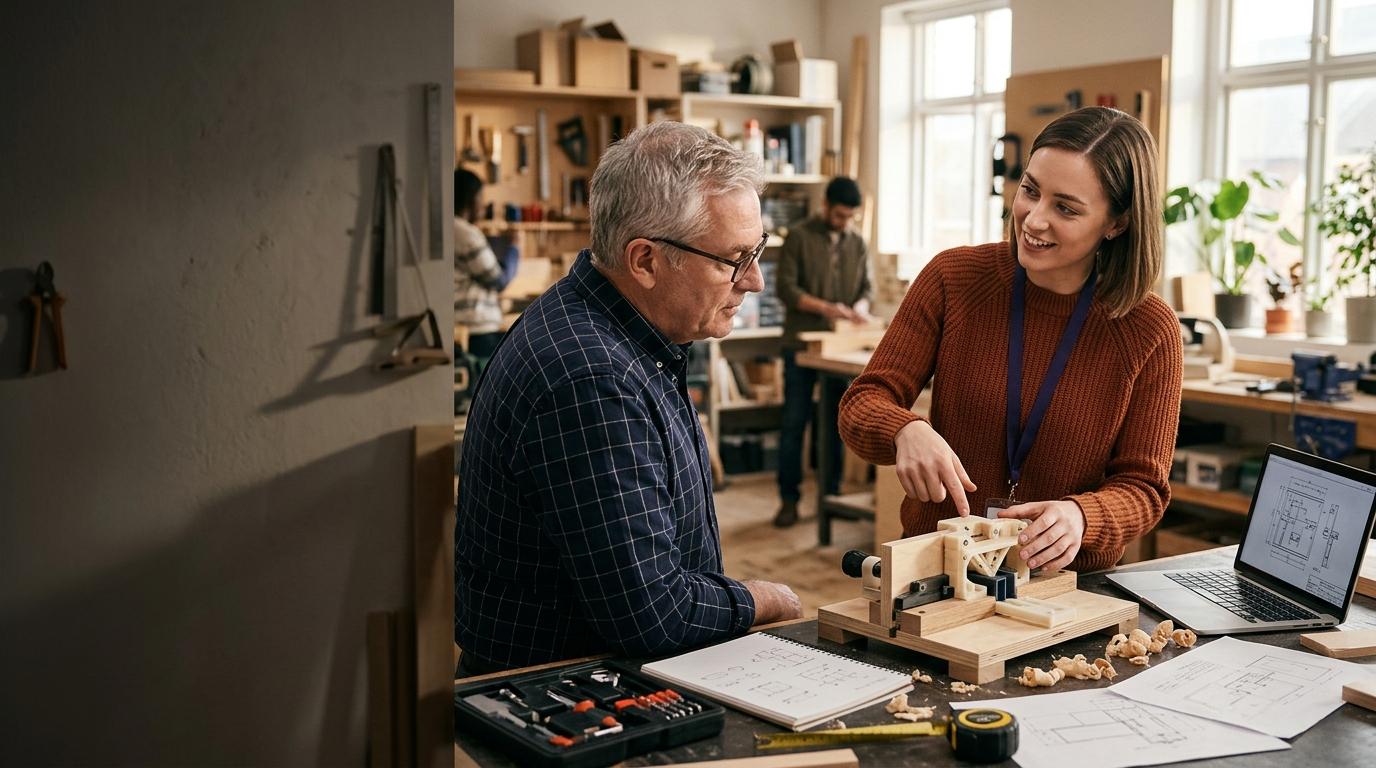
Bölüm 2 işaret kartı
Describe a person who solved a problem in a smart way
Şunu söylemelisin:
- Bu kişi kim
- Sorun neydi?
- Bunu nasıl çözdü
- Ve bunu neden akıllıca yaptığını düşündüğünüzü açıklayın
Bu konu hakkında konuşmak için bir ila iki dakikanız olacak.
Transkriptin tamamını okuyun
One person who solved a problem in a smart way was my neighbour, Maria, who runs a small bakery. The problem came when her delivery van broke down during the busiest week before a local festival and she risked missing dozens of orders. She acted quickly: first she called nearby bakeries to borrow oven space, then she posted an honest update on social media offering time slots and small discounts, and finally she hired a cyclist to deliver nearby orders while older customers came to collect. As a result she fulfilled most orders and kept customers happy. I think her approach was smart because she used several simple strategies together — communication, collaboration and small incentives — rather than panicking or cancelling. For example, one bakery lent her a mixer because she had built a good relationship with them over the years, which shows the value of networking. A neighbour with extra staff even stayed late to help decorate the cakes, which meant nothing was delayed. Later she gained new regular customers who mentioned the festival story when they ordered. Overall her calm, practical thinking and willingness to use community resources made the solution efficient and sustainable.
Hazırlık durumu: Tahmin edilen konu döngüsü. Bu bağımsız uygulama kaynağı resmi bir IELTS sınavı değildir ve sınavınızdaki sorular farklı olabilir. Konular nasıl etiketlenir?.
Bölüm 3 tartışma soruları
Her seferinde bir soruyu hareket ettirin: dinleyin, yanıtlayın, karşılaştırın ve yeniden deneyin. Erişilebilirlik ve arama için soru metninin tamamı sayfa HTML'sinde kalır.
- 01Do you think children are born smart or they learn to become smart?
- 02How do children become smart at school?
- 03Why are some people well-rounded and others only good at one thing?
- 04Why does modern society need talents of all kinds?
Konuşmadan önce konuya bakın
Görüntüleri fikir istemleri olarak kullanın. Neyi fark ettiğinizi açıklayın, bunu deneyiminizle ilişkilendirin ve ardından asıl soruyu yanıtlayın.

Yan yana duyulan model yanıtları
Daha basit cevapla başlayın, aynı görevin nasıl geliştirilebileceğini duymak için Band'yi değiştirin, ardından kişisel bir yanıtı kaydedin. Bunlar öğretim örnekleridir, resmi cevaplar veya puan garantisi değildir.
Bölüm 2 - Örnek Cevap
Part 2 cue-card response
The person was my colleague Tom at a small marketing firm. The problem was we had to finish a big presentation in a week but two team members were ill, so we were short-staffed. Tom solved it by quickly reorganising the tasks, doing extra research himself and asking an intern to help with the slides. He also worked late two nights to pull everything together. In the end the presentation went well and the client was happy. I think he was smart because he stayed calm, used people’s strengths and managed the time. He made a clear plan and everyone knew what to do, so we finished on time.
One person who solved a problem in a smart way was my neighbour, Maria, who runs a small bakery. The problem came when her delivery van broke down during the busiest week before a local festival and she risked missing dozens of orders. She acted quickly: first she called nearby bakeries to borrow oven space, then she posted an honest update on social media offering time slots and small discounts, and finally she hired a cyclist to deliver nearby orders while older customers came to collect. As a result she fulfilled most orders and kept customers happy. I think her approach was smart because she used several simple strategies together — communication, collaboration and small incentives — rather than panicking or cancelling. For example, one bakery lent her a mixer because she had built a good relationship with them over the years, which shows the value of networking. A neighbour with extra staff even stayed late to help decorate the cakes, which meant nothing was delayed. Later she gained new regular customers who mentioned the festival story when they ordered. Overall her calm, practical thinking and willingness to use community resources made the solution efficient and sustainable.
Bölüm 3 - Örnek Yanıtlar
Do you think children are born smart or they learn to become smart?
I think both. Some children seem to be born with a natural curiosity or good memory, which helps them learn quickly. But most smart behaviour comes from learning and practice — teachers, parents and the environment matter a lot. So it's a mix of nature and nurture.
I’d say it’s a mixture. Certain temperaments or cognitive strengths — like quick recall or good concentration — can be innate, but intelligence is shaped hugely by experience. A child given stimulating activities, encouragement and good schooling will usually develop skills that look like ‘being smart’. Research also shows early childhood environment and nutrition make a real difference, so nurture often amplifies any inborn talent.
How do children become smart at school?
Children get smart at school by listening to teachers, doing homework and practising skills. Group work and tests also help them learn. Repetition and a good routine make a difference.
Schools develop children’s abilities through a combination of structured teaching and opportunities for active learning. Good teachers explain concepts clearly, set purposeful tasks, give feedback and encourage curiosity through projects and discussions. Peer work, practical experiments and formative feedback help children apply knowledge rather than just memorise facts, and that builds lasting understanding.
Why are some people well-rounded and others only good at one thing?
Some people are well-rounded because they try lots of things and have wide interests, while others focus on one talent and get very good at it. Opportunities, personal taste and time play a big role.
Being well-rounded often comes from broad exposure and encouragement to try diverse activities, whereas specialists usually focus intensely on one area. There are trade-offs: deep practice gives expertise, while variety builds adaptable skills. Cultural values, family support and economic incentives also influence whether someone becomes a generalist or a specialist.
Why does modern society need talents of all kinds?
Modern society needs different talents because life is complicated. We need doctors, engineers, artists and cleaners — everyone helps the system work. If only one kind of person existed, many tasks wouldn't get done.
A modern society is highly interdependent, so it needs a wide range of talents to function and innovate. Scientists and engineers drive technological progress, teachers and carers maintain social wellbeing, while artists and designers contribute creativity and cultural identity. A diversity of skills also makes the economy more resilient and allows teams to solve complex problems that no single specialist could manage alone.
Alıştırma durumu: Önceki bir soru bankası döngüsünden arşivlenmiş konu. Beceri pratiği için yararlı olmayı sürdürüyor ancak güncel veya garantili bir sınav sorusu olarak sunulmuyor. Konular nasıl etiketlenir?.
Nasıl cevap verilir? Bir sorunu akıllı bir şekilde çözen kişiyi tanımlayın IELTS Konuşma soruları
Bir sorunu akıllıca çözen bir kişiyi tanımlayın ipucu kartı için, konuşma boyunca bir rota oluşturmak için hazırlık dakikasını kullanın. Net bir konu seçin, iki özel anı veya ayrıntıyı ekleyin ve bunun neden önemli olduğunu anlatarak bitirin. Daha sonra daha geniş bir açıklama ve karşılaştırma yapmak için bağlantılı Bölüm 3 sorularını kullanın.
İşaret kartı istemleri:
- Bu kişi kim
- Sorun neydi?
- Bunu nasıl çözdü
- Ve bunu neden akıllıca yaptığını düşündüğünüzü açıklayın
- Açılış: Kişiyi, yeri, nesneyi veya olayı tanımlayın.
- Gelişim: İki ayrıntıyı veya anı mantıksal bir sırayla tanımlayın.
- Uzantı: Bir nedeni, sonucu, karşılaştırmayı veya sorunu açıklayın.
- Düşünme: Konunun neden unutulmaz veya önemli olduğunu açıklayarak bitirin.
Soru bazında yaklaşım
| Alıştırma sorusu | Yararlı cevap hamlesi |
|---|---|
| Do you think children are born smart or they learn to become smart? | Olası bir görüşü belirtin, nedenini açıklayın ve bir koşul veya örnek ekleyin. |
| How do children become smart at school? | Süreci veya farkı net bir sırayla tanımlayın ve bir sonuç ekleyin. |
| Why are some people well-rounded and others only good at one thing? | Tek bir ana sebeple cevap verin ve ardından bunu somut bir örnekle destekleyin. |
| Why does modern society need talents of all kinds? | Tek bir ana sebeple cevap verin ve ardından bunu somut bir örnekle destekleyin. |
Kelime odağı
Model cevaplarında halihazırda gösterilen faydalı dil şunları içerir: a mixture, stimulating activities, amplify talent, formative feedback, active learning, apply knowledge, trade-offs, deep practice. Her bir anlamı ve doğal kelime ortaklığını öğrenin, ardından tüm metni kopyalamak yerine öğeyi yeni bir yanıtta kullanın.
Kaçınılması gereken yaygın hatalar
- Soruyu yalnızca kısmen yanıtlayan ezberlenmiş bir yanıt vermek.
- Anlamı veya sıralamayı kontrol etmeden zor kelimeleri eklemek.
- Her hatadan sonra kısa süreliğine düzeltme yapıp devam etmek yerine yeniden başlatmak.
- İlk denemenizi kaydetmeden önce model cevabını okuyun.
Bir sorunu akıllı bir şekilde çözen kişiyi tanımlayın. Uygulama SSS
Sorunu akıllı bir şekilde çözen kişiyi tanımlayın ipucu kartı hazırlama dakikasını nasıl kullanmalıyım?
Bir açılış, iki veya üç ayrıntı ve son bir yansıma için anahtar kelimeler yazın. Tam cümleler yazmaya çalışmayın.
Her işaret kartı mermisini kapatmak zorunda mıyım?
Yönlendirmeler konuşmayı organize etmenize yardımcı olur. Bunları ele almak faydalıdır, ancak bir ila iki dakikalık tutarlı bir yanıt, her satırın mekanik olarak işaretlenmesinden daha önemlidir.
Bölüm 3 soruları Bölüm 2 ile nasıl bağlantılıdır?
Sebepler, karşılaştırmalar, sosyal etkiler veya gelecekteki olasılıklar yoluyla aynı geniş temayı geliştirirler, dolayısıyla yanıtlar normalde Bölüm 1'den daha fazla açıklamaya ihtiyaç duyar.
