
IELTS Berbicara Bagian 2 & 3: Describe a person who solved a problem in a smart way
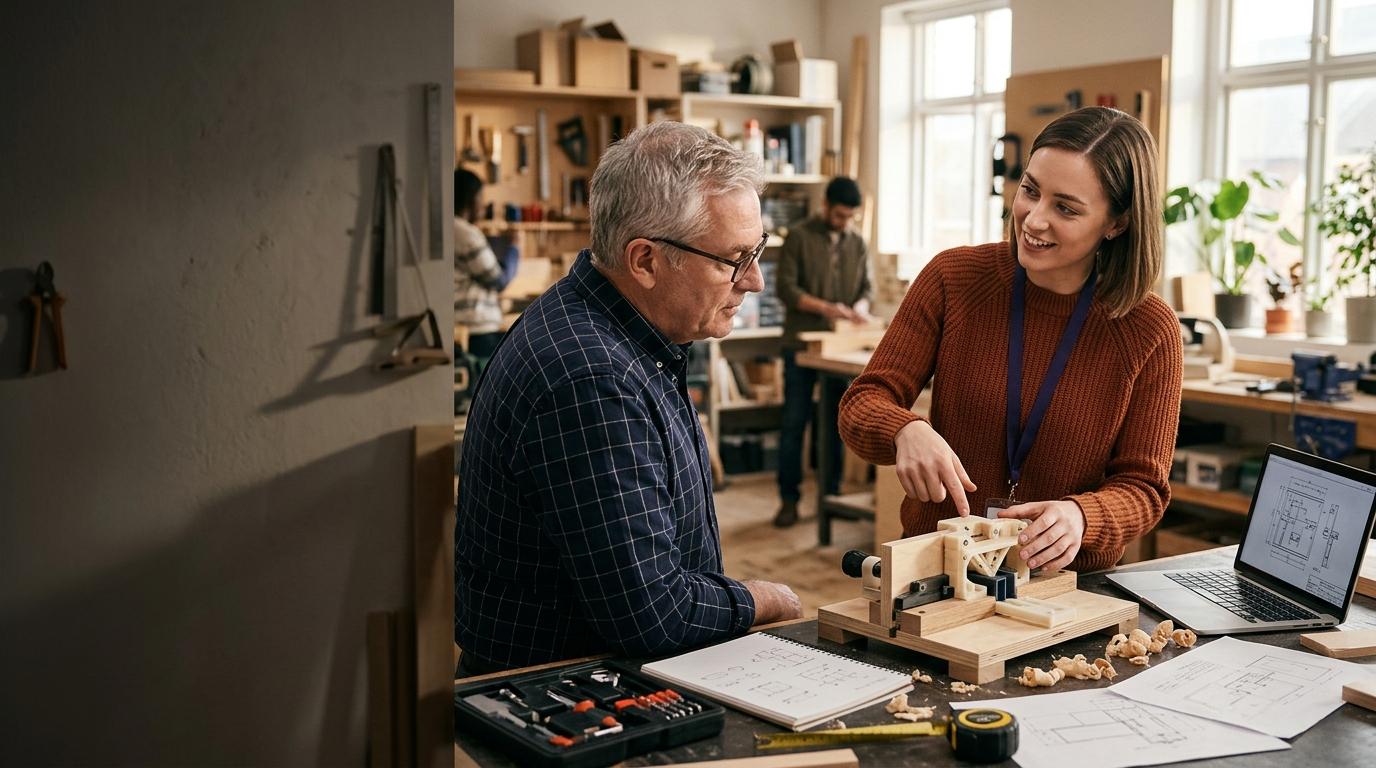
Bagian 2 kartu isyarat
Describe a person who solved a problem in a smart way
Anda harus mengatakan:
- Siapa orang ini
- Apa masalahnya
- Bagaimana dia menyelesaikannya
- Dan jelaskan mengapa menurut Anda dia melakukannya dengan cara yang cerdas
Anda memiliki waktu satu hingga dua menit untuk membicarakan topik ini.
Baca transkrip lengkapnya
One person who solved a problem in a smart way was my neighbour, Maria, who runs a small bakery. The problem came when her delivery van broke down during the busiest week before a local festival and she risked missing dozens of orders. She acted quickly: first she called nearby bakeries to borrow oven space, then she posted an honest update on social media offering time slots and small discounts, and finally she hired a cyclist to deliver nearby orders while older customers came to collect. As a result she fulfilled most orders and kept customers happy. I think her approach was smart because she used several simple strategies together — communication, collaboration and small incentives — rather than panicking or cancelling. For example, one bakery lent her a mixer because she had built a good relationship with them over the years, which shows the value of networking. A neighbour with extra staff even stayed late to help decorate the cakes, which meant nothing was delayed. Later she gained new regular customers who mentioned the festival story when they ordered. Overall her calm, practical thinking and willingness to use community resources made the solution efficient and sustainable.
Status persiapan: Siklus topik yang diprediksi. Sumber latihan mandiri ini bukan makalah IELTS resmi, dan soal-soal dalam tes Anda bisa berbeda. Bagaimana topik diberi label.
Bagian 3 pertanyaan diskusi
Pindahkan pertanyaan satu per satu: dengarkan, jawab, bandingkan, dan coba lagi. Teks pertanyaan lengkap tetap ada di halaman HTML untuk aksesibilitas dan pencarian.
- 01Do you think children are born smart or they learn to become smart?
- 02How do children become smart at school?
- 03Why are some people well-rounded and others only good at one thing?
- 04Why does modern society need talents of all kinds?
Lihat topiknya sebelum Anda berbicara
Gunakan gambar sebagai petunjuk ide. Jelaskan apa yang Anda perhatikan, hubungkan dengan pengalaman Anda, lalu jawab pertanyaan sebenarnya.


Jawaban model, terdengar berdampingan
Mulailah dengan jawaban yang lebih sederhana, alihkan Band untuk mendengarkan bagaimana tugas yang sama dapat dikembangkan, lalu catat tanggapan pribadi. Ini adalah contoh pengajaran, bukan jawaban resmi atau jaminan skor.
Bagian 2 — Jawaban Model
Part 2 cue-card response
The person was my colleague Tom at a small marketing firm. The problem was we had to finish a big presentation in a week but two team members were ill, so we were short-staffed. Tom solved it by quickly reorganising the tasks, doing extra research himself and asking an intern to help with the slides. He also worked late two nights to pull everything together. In the end the presentation went well and the client was happy. I think he was smart because he stayed calm, used people’s strengths and managed the time. He made a clear plan and everyone knew what to do, so we finished on time.
One person who solved a problem in a smart way was my neighbour, Maria, who runs a small bakery. The problem came when her delivery van broke down during the busiest week before a local festival and she risked missing dozens of orders. She acted quickly: first she called nearby bakeries to borrow oven space, then she posted an honest update on social media offering time slots and small discounts, and finally she hired a cyclist to deliver nearby orders while older customers came to collect. As a result she fulfilled most orders and kept customers happy. I think her approach was smart because she used several simple strategies together — communication, collaboration and small incentives — rather than panicking or cancelling. For example, one bakery lent her a mixer because she had built a good relationship with them over the years, which shows the value of networking. A neighbour with extra staff even stayed late to help decorate the cakes, which meant nothing was delayed. Later she gained new regular customers who mentioned the festival story when they ordered. Overall her calm, practical thinking and willingness to use community resources made the solution efficient and sustainable.
Bagian 3 - Jawaban Model
Do you think children are born smart or they learn to become smart?
I think both. Some children seem to be born with a natural curiosity or good memory, which helps them learn quickly. But most smart behaviour comes from learning and practice — teachers, parents and the environment matter a lot. So it's a mix of nature and nurture.
I’d say it’s a mixture. Certain temperaments or cognitive strengths — like quick recall or good concentration — can be innate, but intelligence is shaped hugely by experience. A child given stimulating activities, encouragement and good schooling will usually develop skills that look like ‘being smart’. Research also shows early childhood environment and nutrition make a real difference, so nurture often amplifies any inborn talent.
How do children become smart at school?
Children get smart at school by listening to teachers, doing homework and practising skills. Group work and tests also help them learn. Repetition and a good routine make a difference.
Schools develop children’s abilities through a combination of structured teaching and opportunities for active learning. Good teachers explain concepts clearly, set purposeful tasks, give feedback and encourage curiosity through projects and discussions. Peer work, practical experiments and formative feedback help children apply knowledge rather than just memorise facts, and that builds lasting understanding.
Why are some people well-rounded and others only good at one thing?
Some people are well-rounded because they try lots of things and have wide interests, while others focus on one talent and get very good at it. Opportunities, personal taste and time play a big role.
Being well-rounded often comes from broad exposure and encouragement to try diverse activities, whereas specialists usually focus intensely on one area. There are trade-offs: deep practice gives expertise, while variety builds adaptable skills. Cultural values, family support and economic incentives also influence whether someone becomes a generalist or a specialist.
Why does modern society need talents of all kinds?
Modern society needs different talents because life is complicated. We need doctors, engineers, artists and cleaners — everyone helps the system work. If only one kind of person existed, many tasks wouldn't get done.
A modern society is highly interdependent, so it needs a wide range of talents to function and innovate. Scientists and engineers drive technological progress, teachers and carers maintain social wellbeing, while artists and designers contribute creativity and cultural identity. A diversity of skills also makes the economy more resilient and allows teams to solve complex problems that no single specialist could manage alone.
Status latihan: Arsip topik dari siklus bank soal sebelumnya. Ini tetap berguna untuk latihan keterampilan tetapi tidak disajikan sebagai soal ujian saat ini atau yang dijamin. Bagaimana topik diberi label.
Bagaimana menjawab Jelaskan seseorang yang memecahkan masalah dengan cara yang cerdas Pertanyaan Berbicara IELTS
Untuk kartu isyarat Jelaskan seseorang yang memecahkan masalah dengan cara yang cerdas, gunakan menit persiapan untuk membangun rute melalui pembicaraan. Pilih subjek yang jelas, tambahkan dua momen atau detail spesifik, dan akhiri dengan alasan mengapa hal itu penting. Kemudian gunakan pertanyaan Bagian 3 yang tertaut untuk melatih penjelasan dan perbandingan yang lebih luas.
Perintah kartu isyarat:
- Siapa orang ini
- Apa masalahnya
- Bagaimana dia menyelesaikannya
- Dan jelaskan mengapa menurut Anda dia melakukannya dengan cara yang cerdas
- Pembukaan: mengidentifikasi orang, tempat, benda atau peristiwa.
- Perkembangan: mendeskripsikan dua detail atau momen dalam urutan yang logis.
- Ekstensi: menjelaskan alasan, hasil, perbandingan atau masalah.
- Refleksi: akhiri dengan alasan mengapa subjek tersebut berkesan atau penting.
Pendekatan pertanyaan demi pertanyaan
| Soal latihan | Langkah jawaban yang berguna |
|---|---|
| Do you think children are born smart or they learn to become smart? | Nyatakan kemungkinan pandangan, jelaskan alasannya dan tambahkan satu kondisi atau contoh. |
| How do children become smart at school? | Jelaskan proses atau perbedaannya dalam urutan yang jelas dan tambahkan hasilnya. |
| Why are some people well-rounded and others only good at one thing? | Jawab dengan satu penyebab utama, lalu dukung dengan contoh konkrit. |
| Why does modern society need talents of all kinds? | Jawab dengan satu penyebab utama, lalu dukung dengan contoh konkrit. |
Fokus kosakata
Bahasa yang berguna sudah ditunjukkan dalam model jawaban yang disertakan a mixture, stimulating activities, amplify talent, formative feedback, active learning, apply knowledge, trade-offs, deep practice. Pelajari setiap arti dan hubungan kata yang alami, lalu gunakan item tersebut dalam jawaban baru alih-alih menyalin naskah lengkap.
Kesalahan umum yang harus dihindari
- Memberikan respon hafalan yang hanya menjawab sebagian pertanyaan.
- Menambah kosakata sulit tanpa memeriksa makna atau kolokasi.
- Memulai ulang setelah setiap kesalahan alih-alih mengoreksi sebentar dan melanjutkan.
- Membaca jawaban model sebelum merekam upaya pertama Anda.
Jelaskan seseorang yang memecahkan masalah dengan cara yang cerdas, praktikkan FAQ
Bagaimana cara menggunakan menit persiapan kartu isyarat Jelaskan seseorang yang memecahkan masalah dengan cara yang cerdas?
Tulis kata kunci untuk pembukaan, dua atau tiga detail, dan refleksi akhir. Jangan mencoba menulis kalimat lengkap.
Apakah saya harus menutupi setiap poin di kartu petunjuk?
Petunjuknya membantu Anda mengatur pembicaraan. Meliputinya memang berguna, tetapi respons yang koheren selama satu hingga dua menit lebih penting daripada mencentang setiap baris secara mekanis.
Bagaimana pertanyaan Bagian 3 terhubung dengan Bagian 2?
Mereka mengembangkan tema luas yang sama melalui alasan, perbandingan, dampak sosial atau kemungkinan masa depan, sehingga jawaban biasanya memerlukan penjelasan lebih banyak daripada Bagian 1.
