
IELTS Berbicara Bagian 2 & 3: Describe a person who often helps others
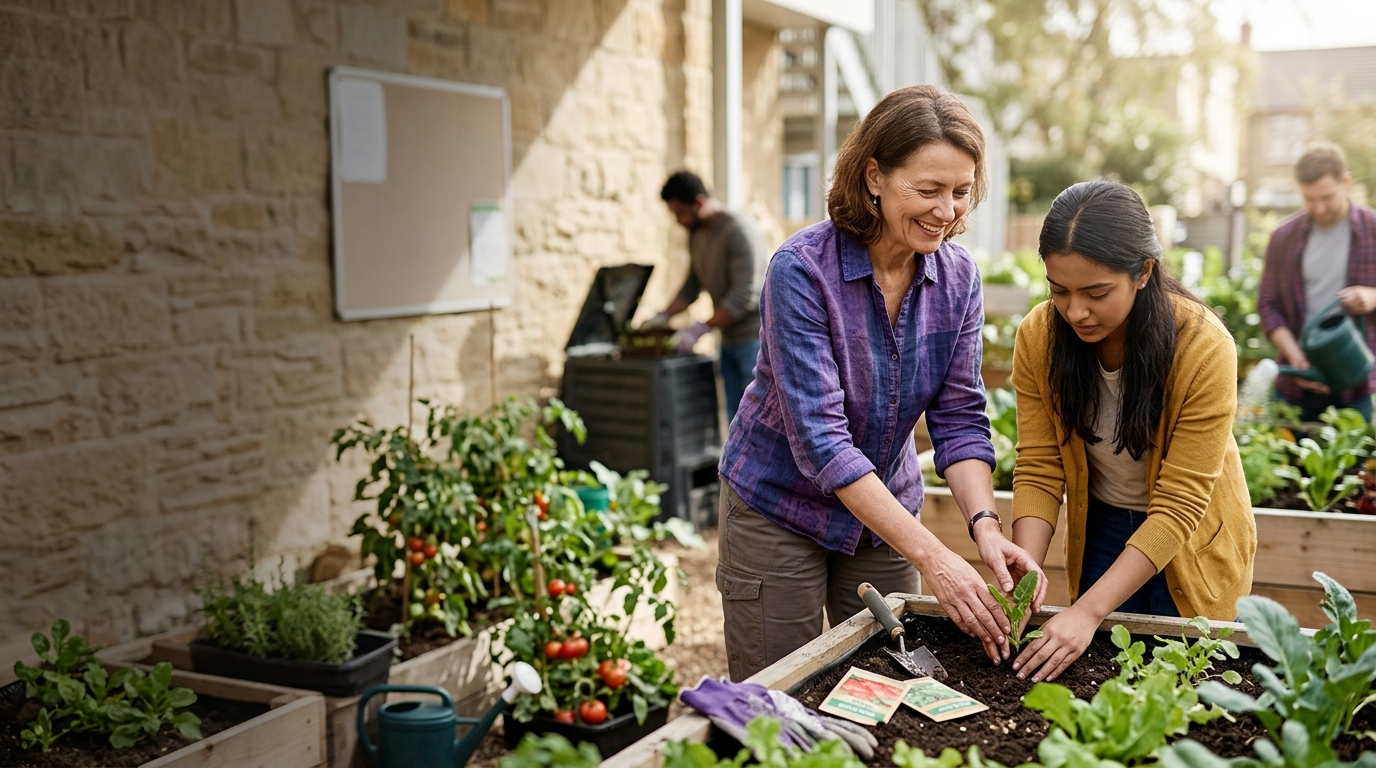
Bagian 2 kartu isyarat
Describe a person who often helps others
Anda harus mengatakan:
- Siapa orang ini
- Seberapa sering dia membantu orang lain
- Bagaimana atau mengapa dia membantu orang lain
- Bagaimana perasaan Anda terhadap orang ini
Anda memiliki waktu satu hingga dua menit untuk membicarakan topik ini.
Baca transkrip lengkapnya
My aunt Susana is someone who often helps others. She lives near me and volunteers at the local community centre three mornings a week, and she also checks in on elderly neighbours most evenings. She’s always ready to lend a hand with shopping or paperwork; for example, last month she spent an afternoon helping our neighbour sort his benefit forms. She helps because she genuinely cares about people and because she grew up in a family where supporting one another was expected; this upbringing gave her a strong sense of duty. Her help takes many forms — practical tasks, emotional support and sometimes just listening — and she’s particularly good at calming people down in a crisis, for instance when a friend had a panic attack she stayed with them until they felt better. She also organises a small food drive each month and taught me how to coordinate donations and deliveries. That experience showed me how much a few hours can help. I admire her a lot and often feel inspired to do the same; her kindness has made me more patient and willing to offer help myself. I also feel grateful because her actions have improved our whole street, bringing neighbours closer and creating a friendlier atmosphere.
Status persiapan: Siklus topik yang diprediksi. Sumber latihan mandiri ini bukan makalah IELTS resmi, dan soal-soal dalam tes Anda bisa berbeda. Bagaimana topik diberi label.
Bagian 3 pertanyaan diskusi
Pindahkan pertanyaan satu per satu: dengarkan, jawab, bandingkan, dan coba lagi. Teks pertanyaan lengkap tetap ada di halaman HTML untuk aksesibilitas dan pencarian.
- 01What can children do to help their parents?
- 02Should children help their parents with household chores?
- 03What kind of help do people need when looking for a new job?
- 04Who should people ask for help, colleagues or family members?
- 05Do you think schools should teach children to do household chores?
- 06Why are employees reluctant to ask their managers for help?
Lihat topiknya sebelum Anda berbicara
Gunakan gambar sebagai petunjuk ide. Jelaskan apa yang Anda perhatikan, hubungkan dengan pengalaman Anda, lalu jawab pertanyaan sebenarnya.
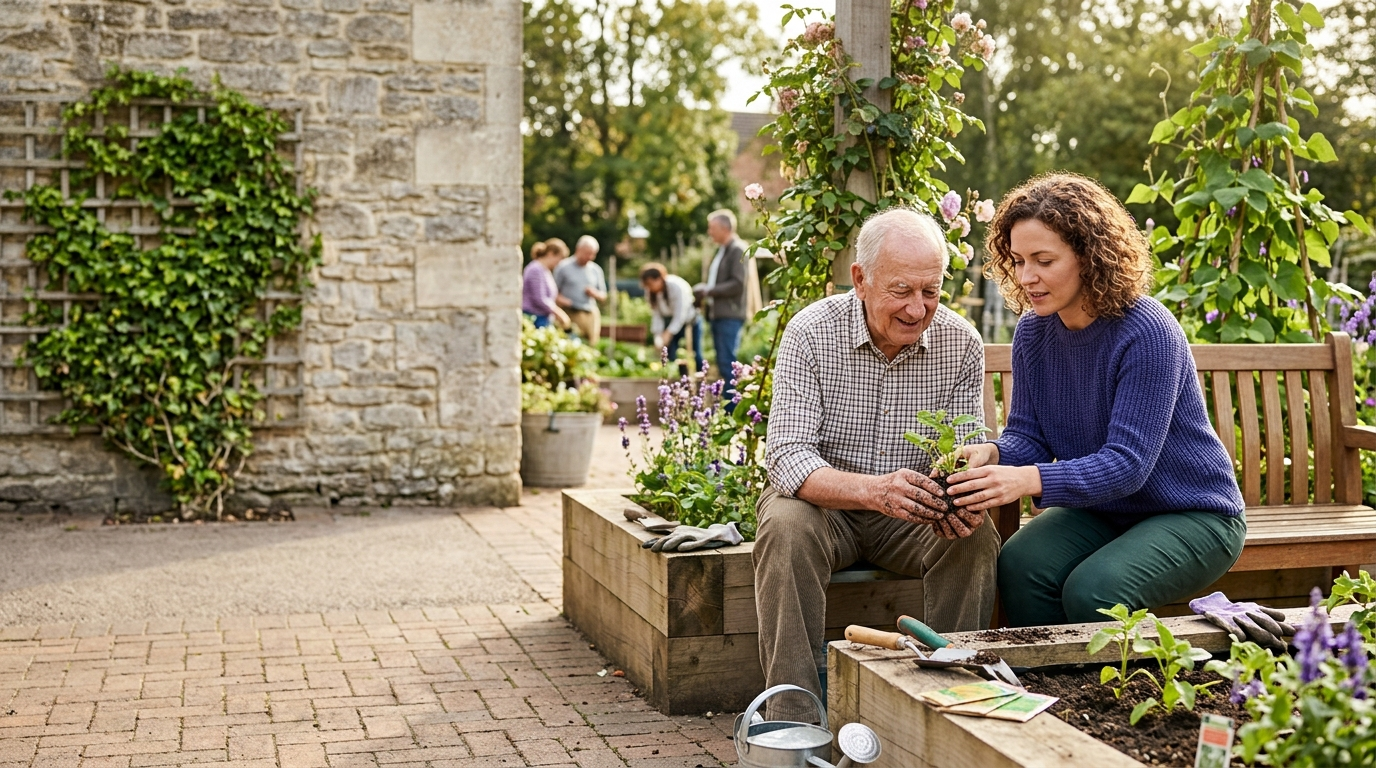

Jawaban model, terdengar berdampingan
Mulailah dengan jawaban yang lebih sederhana, alihkan Band untuk mendengarkan bagaimana tugas yang sama dapat dikembangkan, lalu catat tanggapan pribadi. Ini adalah contoh pengajaran, bukan jawaban resmi atau jaminan skor.
Bagian 2 — Jawaban Model
Part 2 cue-card response
The person I want to describe is my neighbour, Mrs Green. She often helps other people in our street. She brings shopping to older neighbours and sometimes looks after children when parents are busy. She does this almost every week and sometimes every day. She helps because she thinks it’s the right thing to do and because she likes people. For example, last week she drove an elderly man to a hospital appointment and waited with him. I feel grateful to her. Her kindness makes our neighbourhood nicer and it makes me want to help more too.
My aunt Susana is someone who often helps others. She lives near me and volunteers at the local community centre three mornings a week, and she also checks in on elderly neighbours most evenings. She’s always ready to lend a hand with shopping or paperwork; for example, last month she spent an afternoon helping our neighbour sort his benefit forms. She helps because she genuinely cares about people and because she grew up in a family where supporting one another was expected; this upbringing gave her a strong sense of duty. Her help takes many forms — practical tasks, emotional support and sometimes just listening — and she’s particularly good at calming people down in a crisis, for instance when a friend had a panic attack she stayed with them until they felt better. She also organises a small food drive each month and taught me how to coordinate donations and deliveries. That experience showed me how much a few hours can help. I admire her a lot and often feel inspired to do the same; her kindness has made me more patient and willing to offer help myself. I also feel grateful because her actions have improved our whole street, bringing neighbours closer and creating a friendlier atmosphere.
Bagian 3 - Jawaban Model
What can children do to help their parents?
Children can help their parents by doing small jobs at home, like tidying their room, taking out the rubbish or helping to set the table. Older children can help with shopping or looking after younger siblings. These things save parents time and teach kids responsibility.
Children can do lots of practical things to help their parents, ranging from simple chores like tidying their room and emptying the dishwasher to more responsible tasks like babysitting a younger sibling or doing a weekly shop. Doing these jobs helps children learn time-management and independence, and it also eases pressure on busy parents. For example, a teenager who takes responsibility for meal prep a couple of evenings a week can make a real difference to a family’s routine.
Should children help their parents with household chores?
Yes, children should help with household chores. It’s fair and it teaches them basic skills. Parents can give age-appropriate tasks, like younger kids tidy toys and older kids wash dishes. It’s good practice for later life.
Yes — children should help with household chores because it teaches essential life skills and a sense of shared responsibility. However, tasks must be age-appropriate: younger children can tidy, feed pets or help set the table, while teenagers can take on laundry or cooking. Schools won’t teach everything, so chores are a practical way to prepare young people for independent living and to promote equality at home.
What kind of help do people need when looking for a new job?
People looking for a new job need help with writing a CV, preparing for interviews and finding vacancies. They also need references and sometimes training to learn new skills. Friends and career services can help with these things.
When searching for a new job people often need practical help — a well-crafted CV, tailored cover letters and interview practice — but they also need guidance on networking and identifying suitable roles. Emotional support is important too, because job hunting can be demoralising. For instance, a mentor who gives honest feedback on your application and introduces you to contacts can be invaluable in securing the right position.
Who should people ask for help, colleagues or family members?
It depends. For work problems it's usually better to ask colleagues because they know the job. For personal or emotional issues family members are better. Sometimes colleagues can help with practical advice and family with support.
It depends on the kind of help needed. For technical or job-specific guidance colleagues are often best placed because they understand the workplace and can offer practical tips. For emotional support or logistical help — childcare, for example — family members might be more suitable. Confidentiality and expertise matter too: I’d go to a colleague for feedback on a project, but to family for long-term moral support.
Do you think schools should teach children to do household chores?
Yes, I think schools should teach children some household chores. It helps them learn skills and be responsible. Schools could include basic cooking, laundry and cleaning in lessons or as part of life-skills classes.
I do think schools should include basic household skills within the curriculum, either in dedicated life-skills lessons or as part of PSHE. Teaching cooking, laundry basics, budgeting and simple home maintenance gives students practical competence they’ll need as adults. This also promotes fairness, so both boys and girls learn the same responsibilities, and can reduce the burden on families who otherwise do all that home teaching themselves.
Why are employees reluctant to ask their managers for help?
Employees may be reluctant because they don’t want to look weak or bother their manager. They might think the manager is too busy or they’re afraid of being judged. So they try to solve things by themselves.
Employees are often hesitant to ask managers for help because of power dynamics and fear of appearing incompetent, especially in cultures where self-reliance is prized. Time pressure and heavy workloads make staff worry they’ll be seen as a drain on resources. Creating psychological safety and clear channels for support — for instance regular one-to-one meetings — helps people feel more able to ask for guidance without worrying about negative judgement.
Status latihan: Arsip topik dari siklus bank soal sebelumnya. Ini tetap berguna untuk latihan keterampilan tetapi tidak disajikan sebagai soal ujian saat ini atau yang dijamin. Bagaimana topik diberi label.
Cara menjawab Jelaskan orang yang sering membantu pertanyaan IELTS Speaking orang lain
Untuk kartu isyarat Jelaskan seseorang yang sering membantu orang lain, gunakan menit persiapan untuk membangun rute melalui pembicaraan. Pilih subjek yang jelas, tambahkan dua momen atau detail spesifik, dan akhiri dengan alasan mengapa hal itu penting. Kemudian gunakan pertanyaan Bagian 3 yang tertaut untuk melatih penjelasan dan perbandingan yang lebih luas.
Perintah kartu isyarat:
- Siapa orang ini
- Seberapa sering dia membantu orang lain
- Bagaimana atau mengapa dia membantu orang lain
- Bagaimana perasaan Anda terhadap orang ini
- Pembukaan: mengidentifikasi orang, tempat, benda atau peristiwa.
- Perkembangan: mendeskripsikan dua detail atau momen dalam urutan yang logis.
- Ekstensi: menjelaskan alasan, hasil, perbandingan atau masalah.
- Refleksi: akhiri dengan alasan mengapa subjek tersebut berkesan atau penting.
Pendekatan pertanyaan demi pertanyaan
| Soal latihan | Langkah jawaban yang berguna |
|---|---|
| What can children do to help their parents? | Beri nama bendanya terlebih dahulu, lalu jelaskan fitur atau contoh spesifiknya. |
| Should children help their parents with household chores? | Berikan jawaban langsung, satu alasan dan contoh singkat tanpa harus hafal naskahnya. |
| What kind of help do people need when looking for a new job? | Beri nama bendanya terlebih dahulu, lalu jelaskan fitur atau contoh spesifiknya. |
| Who should people ask for help, colleagues or family members? | Berikan jawaban langsung, satu alasan dan contoh singkat tanpa harus hafal naskahnya. |
Fokus kosakata
Bahasa yang berguna sudah ditunjukkan dalam model jawaban yang disertakan tidying their room, meal prep, time-management, age-appropriate, shared responsibility, independent living, tailored CV, networking. Pelajari setiap arti dan hubungan kata yang alami, lalu gunakan item tersebut dalam jawaban baru alih-alih menyalin naskah lengkap.
Kesalahan umum yang harus dihindari
- Memberikan respon hafalan yang hanya menjawab sebagian pertanyaan.
- Menambah kosakata sulit tanpa memeriksa makna atau kolokasi.
- Memulai ulang setelah setiap kesalahan alih-alih mengoreksi sebentar dan melanjutkan.
- Membaca jawaban model sebelum merekam upaya pertama Anda.
Deskripsikan seseorang yang sering membantu orang lain berlatih FAQ
Bagaimana cara menggunakan menit persiapan kartu isyarat Jelaskan seseorang yang sering membantu orang lain?
Tulis kata kunci untuk pembukaan, dua atau tiga detail, dan refleksi akhir. Jangan mencoba menulis kalimat lengkap.
Apakah saya harus menutupi setiap poin di kartu petunjuk?
Petunjuknya membantu Anda mengatur pembicaraan. Meliputinya memang berguna, tetapi respons yang koheren selama satu hingga dua menit lebih penting daripada mencentang setiap baris secara mekanis.
Bagaimana pertanyaan Bagian 3 terhubung dengan Bagian 2?
Mereka mengembangkan tema luas yang sama melalui alasan, perbandingan, dampak sosial atau kemungkinan masa depan, sehingga jawaban biasanya memerlukan penjelasan lebih banyak daripada Bagian 1.
