
IELTS スピーキング パート 2 & 3: Describe a person who often helps others
パート2のキューカード
Describe a person who often helps others
次のように言うべきです。
- この人は誰ですか
- 彼または彼女が他の人を助ける頻度
- 彼または彼女が他の人を助ける方法または理由
- この人のことをどう思っていますか
このトピックについて話す時間は 1 ~ 2 分です。
完全なトランスクリプトを読む
My aunt Susana is someone who often helps others. She lives near me and volunteers at the local community centre three mornings a week, and she also checks in on elderly neighbours most evenings. She’s always ready to lend a hand with shopping or paperwork; for example, last month she spent an afternoon helping our neighbour sort his benefit forms. She helps because she genuinely cares about people and because she grew up in a family where supporting one another was expected; this upbringing gave her a strong sense of duty. Her help takes many forms — practical tasks, emotional support and sometimes just listening — and she’s particularly good at calming people down in a crisis, for instance when a friend had a panic attack she stayed with them until they felt better. She also organises a small food drive each month and taught me how to coordinate donations and deliveries. That experience showed me how much a few hours can help. I admire her a lot and often feel inspired to do the same; her kindness has made me more patient and willing to offer help myself. I also feel grateful because her actions have improved our whole street, bringing neighbours closer and creating a friendlier atmosphere.
準備状況: 予測されたトピックサイクル。この独立した練習用リソースは IELTS の公式論文ではないため、テストの問題は異なる場合があります。 トピックのラベル付け方法.
パート 3 のディスカッションの質問
一度に 1 つずつ質問を進めてください。聞いて、答え、比較し、再試行してください。完全な質問テキストは、アクセシビリティと検索のためにページの HTML に残ります。
- 01What can children do to help their parents?
- 02Should children help their parents with household chores?
- 03What kind of help do people need when looking for a new job?
- 04Who should people ask for help, colleagues or family members?
- 05Do you think schools should teach children to do household chores?
- 06Why are employees reluctant to ask their managers for help?
話す前にトピックを確認する
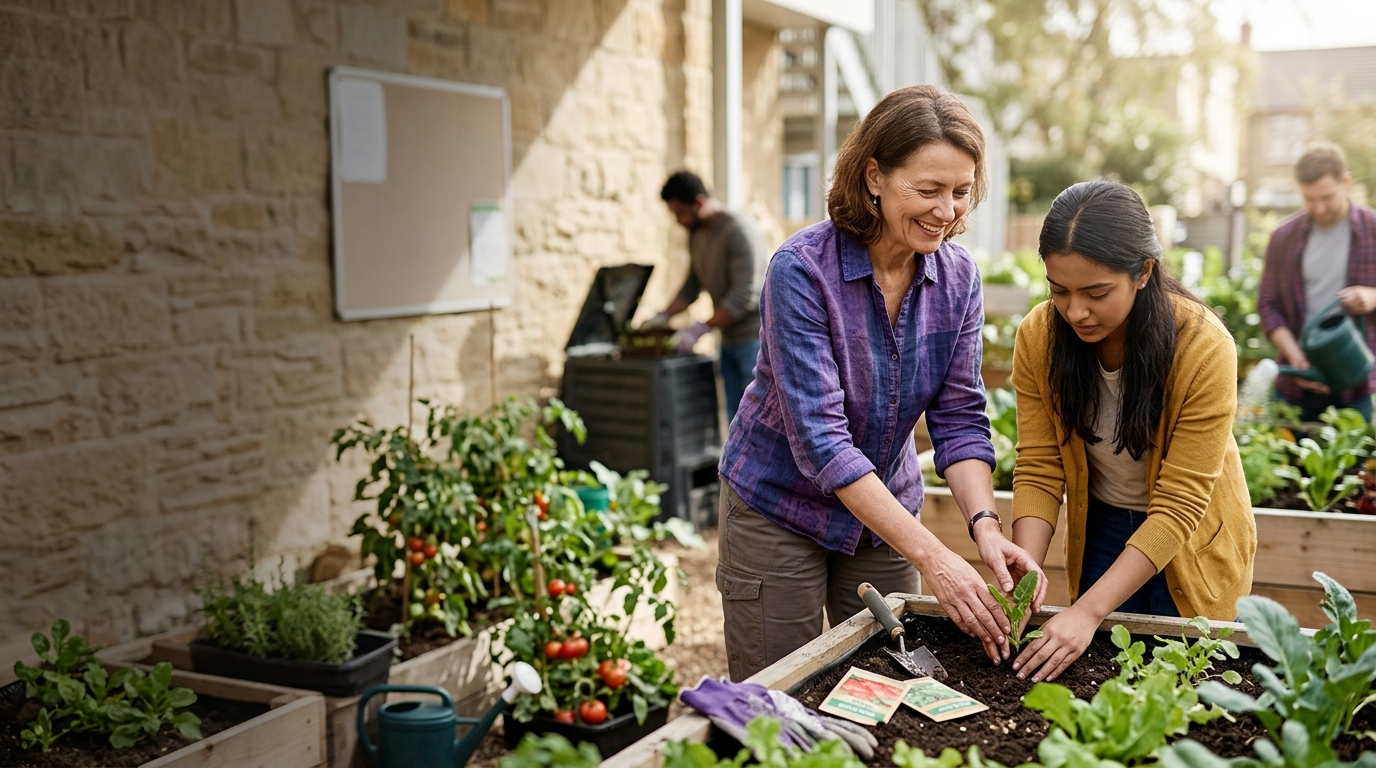
画像をアイデアのヒントとして使用します。気づいたことを説明し、それを自分の経験に結び付けてから、本当の質問に答えてください。


模範解答を並べて聞く
より単純な答えから始めて、Band を切り替えて、同じタスクをどのように開発できるかを聞き、それから個人的な応答を記録します。これらは指導例であり、正式な解答やスコアの保証ではありません。
パート 2 — 模範解答
Part 2 cue-card response
The person I want to describe is my neighbour, Mrs Green. She often helps other people in our street. She brings shopping to older neighbours and sometimes looks after children when parents are busy. She does this almost every week and sometimes every day. She helps because she thinks it’s the right thing to do and because she likes people. For example, last week she drove an elderly man to a hospital appointment and waited with him. I feel grateful to her. Her kindness makes our neighbourhood nicer and it makes me want to help more too.
My aunt Susana is someone who often helps others. She lives near me and volunteers at the local community centre three mornings a week, and she also checks in on elderly neighbours most evenings. She’s always ready to lend a hand with shopping or paperwork; for example, last month she spent an afternoon helping our neighbour sort his benefit forms. She helps because she genuinely cares about people and because she grew up in a family where supporting one another was expected; this upbringing gave her a strong sense of duty. Her help takes many forms — practical tasks, emotional support and sometimes just listening — and she’s particularly good at calming people down in a crisis, for instance when a friend had a panic attack she stayed with them until they felt better. She also organises a small food drive each month and taught me how to coordinate donations and deliveries. That experience showed me how much a few hours can help. I admire her a lot and often feel inspired to do the same; her kindness has made me more patient and willing to offer help myself. I also feel grateful because her actions have improved our whole street, bringing neighbours closer and creating a friendlier atmosphere.
パート 3 — 模範解答
What can children do to help their parents?
Children can help their parents by doing small jobs at home, like tidying their room, taking out the rubbish or helping to set the table. Older children can help with shopping or looking after younger siblings. These things save parents time and teach kids responsibility.
Children can do lots of practical things to help their parents, ranging from simple chores like tidying their room and emptying the dishwasher to more responsible tasks like babysitting a younger sibling or doing a weekly shop. Doing these jobs helps children learn time-management and independence, and it also eases pressure on busy parents. For example, a teenager who takes responsibility for meal prep a couple of evenings a week can make a real difference to a family’s routine.
Should children help their parents with household chores?
Yes, children should help with household chores. It’s fair and it teaches them basic skills. Parents can give age-appropriate tasks, like younger kids tidy toys and older kids wash dishes. It’s good practice for later life.
Yes — children should help with household chores because it teaches essential life skills and a sense of shared responsibility. However, tasks must be age-appropriate: younger children can tidy, feed pets or help set the table, while teenagers can take on laundry or cooking. Schools won’t teach everything, so chores are a practical way to prepare young people for independent living and to promote equality at home.
What kind of help do people need when looking for a new job?
People looking for a new job need help with writing a CV, preparing for interviews and finding vacancies. They also need references and sometimes training to learn new skills. Friends and career services can help with these things.
When searching for a new job people often need practical help — a well-crafted CV, tailored cover letters and interview practice — but they also need guidance on networking and identifying suitable roles. Emotional support is important too, because job hunting can be demoralising. For instance, a mentor who gives honest feedback on your application and introduces you to contacts can be invaluable in securing the right position.
Who should people ask for help, colleagues or family members?
It depends. For work problems it's usually better to ask colleagues because they know the job. For personal or emotional issues family members are better. Sometimes colleagues can help with practical advice and family with support.
It depends on the kind of help needed. For technical or job-specific guidance colleagues are often best placed because they understand the workplace and can offer practical tips. For emotional support or logistical help — childcare, for example — family members might be more suitable. Confidentiality and expertise matter too: I’d go to a colleague for feedback on a project, but to family for long-term moral support.
Do you think schools should teach children to do household chores?
Yes, I think schools should teach children some household chores. It helps them learn skills and be responsible. Schools could include basic cooking, laundry and cleaning in lessons or as part of life-skills classes.
I do think schools should include basic household skills within the curriculum, either in dedicated life-skills lessons or as part of PSHE. Teaching cooking, laundry basics, budgeting and simple home maintenance gives students practical competence they’ll need as adults. This also promotes fairness, so both boys and girls learn the same responsibilities, and can reduce the burden on families who otherwise do all that home teaching themselves.
Why are employees reluctant to ask their managers for help?
Employees may be reluctant because they don’t want to look weak or bother their manager. They might think the manager is too busy or they’re afraid of being judged. So they try to solve things by themselves.
Employees are often hesitant to ask managers for help because of power dynamics and fear of appearing incompetent, especially in cultures where self-reliance is prized. Time pressure and heavy workloads make staff worry they’ll be seen as a drain on resources. Creating psychological safety and clear channels for support — for instance regular one-to-one meetings — helps people feel more able to ask for guidance without worrying about negative judgement.
実践ステータス: 以前の質問バンク サイクルからアーカイブされたトピック。これはスキルの練習には役立ちますが、現在の試験問題または保証された試験問題としては提示されません。 トピックのラベル付け方法.
答え方 IELTS スピーキングの質問によく人を助ける人について説明してください
「他の人をよく助ける人について説明してください」というキュー カードの場合は、準備時間を使用して、話の流れを構築します。明確な主題を選択し、2 つの具体的な瞬間または詳細を追加し、それが重要な理由で終わります。次に、リンクされたパート 3 の質問を使用して、より広範な説明と比較を練習します。
キューカードのプロンプト:
- この人は誰ですか
- 彼または彼女が他の人を助ける頻度
- 彼または彼女が他の人を助ける方法または理由
- この人のことをどう思っていますか
- オープニング: 人、場所、物体、または出来事を特定します。
- 開発: 2 つの詳細または瞬間を論理的な順序で説明します。
- 拡張: 理由、結果、比較、または問題を説明します。
- 振り返り: その主題がなぜ記憶に残るのか、または重要なのかを最後に述べます。
質問ごとのアプローチ
| 練習問題 | 役に立つ答えの動き |
|---|---|
| What can children do to help their parents? | まず物に名前を付けてから、具体的な機能や例を説明します。 |
| Should children help their parents with household chores? | スクリプトを暗記せずに、直接的な答え、理由を 1 つ、短い例を述べてください。 |
| What kind of help do people need when looking for a new job? | まず物に名前を付けてから、具体的な機能や例を説明します。 |
| Who should people ask for help, colleagues or family members? | スクリプトを暗記せずに、直接的な答え、理由を 1 つ、短い例を述べてください。 |
語彙に焦点を当てる
模範解答で既に示されている有用な文言には次のようなものがあります。 tidying their room, meal prep, time-management, age-appropriate, shared responsibility, independent living, tailored CV, networking。それぞれの意味と自然な単語の連携を学び、完全な台本をコピーするのではなく、新しい回答でその項目を使用します。
避けるべきよくある間違い
- 質問に対して部分的にしか答えていない、暗記した回答をする。
- 意味やコロケーションを確認せずに、難しい語彙を追加する。
- エラーが発生するたびに、簡単に修正して続行するのではなく、再起動します。
- 自分の最初の解答を記録する前に、模範解答を読んでください。
他の人が FAQ を実践するのをよく手助けする人について説明してください
他の人をよく助ける人について説明するキューカードの準備議事録をどのように使用すればよいですか?
冒頭、2 つまたは 3 つの詳細、最後の感想のキーワードを書きます。完全な文章を書こうとしないでください。
キューカードのすべての箇条書きをカバーする必要がありますか?
プロンプトはトークを整理するのに役立ちます。それらをカバーすることは有益ですが、機械的に各行をチェックするよりも、1 ~ 2 分間の一貫した応答の方が重要です。
パート 3 の質問はパート 2 にどのように関連していますか?
これらは、理由、比較、社会的影響、将来の可能性を通じて同じ広範なテーマを展開するため、通常、回答にはパート 1 よりも詳しい説明が必要です。
