
雅思口语 Part 2 与 Part 3:Describe a person who often helps others
Part 2 话题卡
Describe a person who often helps others
你需要谈到:
- 这个人是谁
- 他或她帮助别人的频率
- 他或她如何或为何帮助他人
- 你对这个人的感觉如何
你需要围绕这个话题作答一到两分钟。
阅读完整的文字记录
My aunt Susana is someone who often helps others. She lives near me and volunteers at the local community centre three mornings a week, and she also checks in on elderly neighbours most evenings. She’s always ready to lend a hand with shopping or paperwork; for example, last month she spent an afternoon helping our neighbour sort his benefit forms. She helps because she genuinely cares about people and because she grew up in a family where supporting one another was expected; this upbringing gave her a strong sense of duty. Her help takes many forms — practical tasks, emotional support and sometimes just listening — and she’s particularly good at calming people down in a crisis, for instance when a friend had a panic attack she stayed with them until they felt better. She also organises a small food drive each month and taught me how to coordinate donations and deliveries. That experience showed me how much a few hours can help. I admire her a lot and often feel inspired to do the same; her kindness has made me more patient and willing to offer help myself. I also feel grateful because her actions have improved our whole street, bringing neighbours closer and creating a friendlier atmosphere.
备考状态:预测题季。本页面为独立备考资源,并非 IELTS 官方试卷;实际考试题目可能不同。 话题标签说明.
Part 3 讨论题
每次练习一道题:听题、作答、对照并重试。为便于无障碍访问和搜索,页面 HTML 中会保留完整英文题目。
- 01What can children do to help their parents?
- 02Should children help their parents with household chores?
- 03What kind of help do people need when looking for a new job?
- 04Who should people ask for help, colleagues or family members?
- 05Do you think schools should teach children to do household chores?
- 06Why are employees reluctant to ask their managers for help?
开口前先熟悉话题
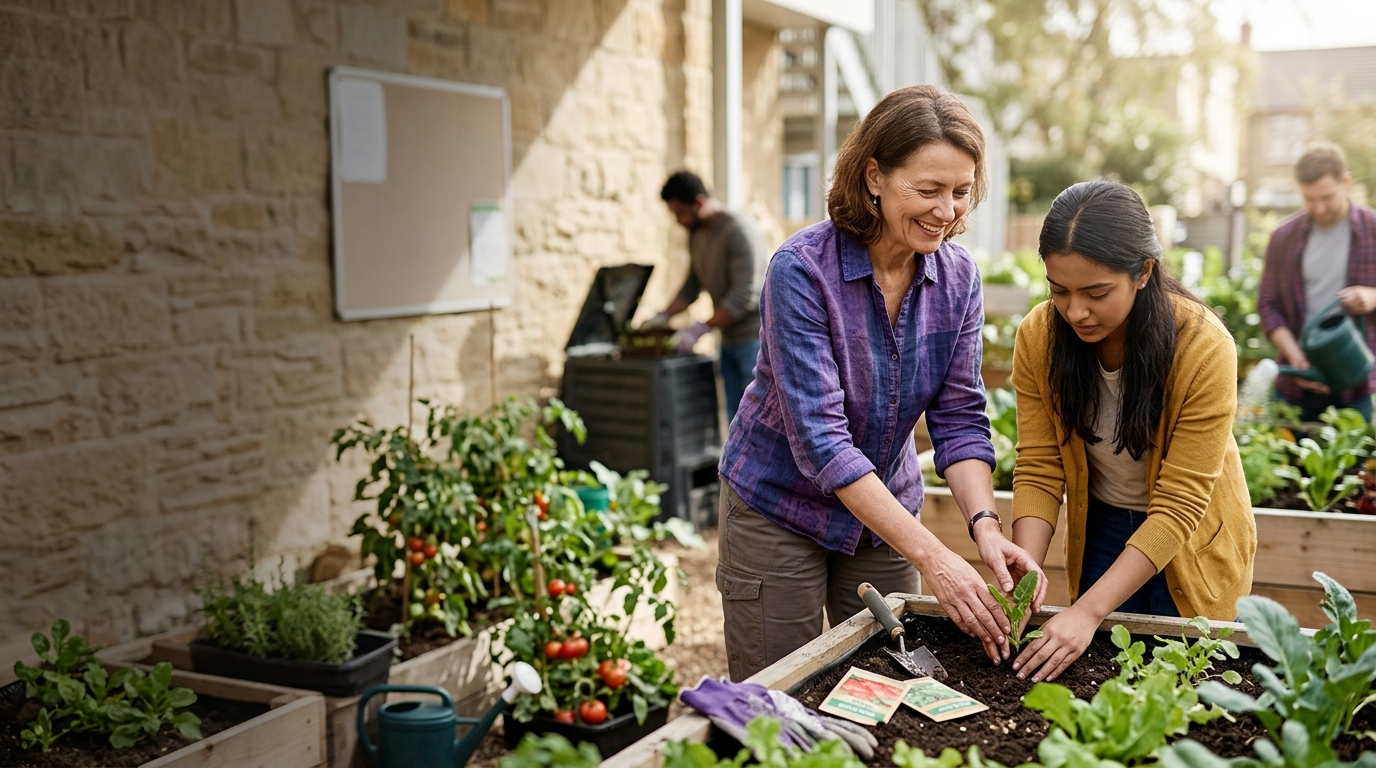
使用图像作为想法提示。描述您注意到的内容,将其与您的经历联系起来,然后回答真正的问题。


对照聆听参考答案
先听较简单的答案,再切换 Band 对照同一道题如何展开,最后录制你自己的回答。这些内容仅为教学示例,不是官方答案,也不保证对应分数。
Part 2 — 参考答案
Part 2 cue-card response
The person I want to describe is my neighbour, Mrs Green. She often helps other people in our street. She brings shopping to older neighbours and sometimes looks after children when parents are busy. She does this almost every week and sometimes every day. She helps because she thinks it’s the right thing to do and because she likes people. For example, last week she drove an elderly man to a hospital appointment and waited with him. I feel grateful to her. Her kindness makes our neighbourhood nicer and it makes me want to help more too.
My aunt Susana is someone who often helps others. She lives near me and volunteers at the local community centre three mornings a week, and she also checks in on elderly neighbours most evenings. She’s always ready to lend a hand with shopping or paperwork; for example, last month she spent an afternoon helping our neighbour sort his benefit forms. She helps because she genuinely cares about people and because she grew up in a family where supporting one another was expected; this upbringing gave her a strong sense of duty. Her help takes many forms — practical tasks, emotional support and sometimes just listening — and she’s particularly good at calming people down in a crisis, for instance when a friend had a panic attack she stayed with them until they felt better. She also organises a small food drive each month and taught me how to coordinate donations and deliveries. That experience showed me how much a few hours can help. I admire her a lot and often feel inspired to do the same; her kindness has made me more patient and willing to offer help myself. I also feel grateful because her actions have improved our whole street, bringing neighbours closer and creating a friendlier atmosphere.
Part 3 — 参考答案
What can children do to help their parents?
Children can help their parents by doing small jobs at home, like tidying their room, taking out the rubbish or helping to set the table. Older children can help with shopping or looking after younger siblings. These things save parents time and teach kids responsibility.
Children can do lots of practical things to help their parents, ranging from simple chores like tidying their room and emptying the dishwasher to more responsible tasks like babysitting a younger sibling or doing a weekly shop. Doing these jobs helps children learn time-management and independence, and it also eases pressure on busy parents. For example, a teenager who takes responsibility for meal prep a couple of evenings a week can make a real difference to a family’s routine.
Should children help their parents with household chores?
Yes, children should help with household chores. It’s fair and it teaches them basic skills. Parents can give age-appropriate tasks, like younger kids tidy toys and older kids wash dishes. It’s good practice for later life.
Yes — children should help with household chores because it teaches essential life skills and a sense of shared responsibility. However, tasks must be age-appropriate: younger children can tidy, feed pets or help set the table, while teenagers can take on laundry or cooking. Schools won’t teach everything, so chores are a practical way to prepare young people for independent living and to promote equality at home.
What kind of help do people need when looking for a new job?
People looking for a new job need help with writing a CV, preparing for interviews and finding vacancies. They also need references and sometimes training to learn new skills. Friends and career services can help with these things.
When searching for a new job people often need practical help — a well-crafted CV, tailored cover letters and interview practice — but they also need guidance on networking and identifying suitable roles. Emotional support is important too, because job hunting can be demoralising. For instance, a mentor who gives honest feedback on your application and introduces you to contacts can be invaluable in securing the right position.
Who should people ask for help, colleagues or family members?
It depends. For work problems it's usually better to ask colleagues because they know the job. For personal or emotional issues family members are better. Sometimes colleagues can help with practical advice and family with support.
It depends on the kind of help needed. For technical or job-specific guidance colleagues are often best placed because they understand the workplace and can offer practical tips. For emotional support or logistical help — childcare, for example — family members might be more suitable. Confidentiality and expertise matter too: I’d go to a colleague for feedback on a project, but to family for long-term moral support.
Do you think schools should teach children to do household chores?
Yes, I think schools should teach children some household chores. It helps them learn skills and be responsible. Schools could include basic cooking, laundry and cleaning in lessons or as part of life-skills classes.
I do think schools should include basic household skills within the curriculum, either in dedicated life-skills lessons or as part of PSHE. Teaching cooking, laundry basics, budgeting and simple home maintenance gives students practical competence they’ll need as adults. This also promotes fairness, so both boys and girls learn the same responsibilities, and can reduce the burden on families who otherwise do all that home teaching themselves.
Why are employees reluctant to ask their managers for help?
Employees may be reluctant because they don’t want to look weak or bother their manager. They might think the manager is too busy or they’re afraid of being judged. So they try to solve things by themselves.
Employees are often hesitant to ask managers for help because of power dynamics and fear of appearing incompetent, especially in cultures where self-reliance is prized. Time pressure and heavy workloads make staff worry they’ll be seen as a drain on resources. Creating psychological safety and clear channels for support — for instance regular one-to-one meetings — helps people feel more able to ask for guidance without worrying about negative judgement.
练习状态:上一个题库周期的存档主题。它对于技能练习仍然有用,但不会作为当前或保证的考试问题出现。 话题标签说明.
如何回答描述一个经常帮助别人的人雅思口语题目
对于“描述一个经常帮助别人的人”提示卡,请利用准备时间来构建整个演讲的路线。选择一个明确的主题,添加两个特定的时刻或细节,最后说明为什么它很重要。然后使用链接的第 3 部分问题来练习更广泛的解释和比较。
提示卡提示:
- 这个人是谁
- 他或她帮助别人的频率
- 他或她如何或为何帮助他人
- 你对这个人的感觉如何
- 开头:指出人物、地点、物体或事件。
- 发展:按逻辑顺序描述两个细节或时刻。
- 扩展:解释原因、结果、比较或问题。
- 反思:以为什么该主题令人难忘或重要来结束。
逐题练习方法
| 练习题 | 实用作答方法 |
|---|---|
| What can children do to help their parents? | 首先命名事物,然后描述特定的功能或示例。 |
| Should children help their parents with household chores? | 给出一个直接的答案、一个原因和一个简短的例子,无需记住脚本。 |
| What kind of help do people need when looking for a new job? | 首先命名事物,然后描述特定的功能或示例。 |
| Who should people ask for help, colleagues or family members? | 给出一个直接的答案、一个原因和一个简短的例子,无需记住脚本。 |
重点词汇
模型答案中已经展示的有用语言包括 tidying their room, meal prep, time-management, age-appropriate, shared responsibility, independent living, tailored CV, networking。学习每个含义和自然的单词伙伴关系,然后在新的答案中使用该项目,而不是复制完整的脚本。
需要避免的常见问题
- 给出的记忆答案只能部分回答问题。
- 添加困难的词汇而不检查含义或搭配。
- 每次错误后重新启动,而不是短暂纠正并继续。
- 在记录您自己的第一次尝试之前,请先阅读标准答案。
描述一个经常帮助别人练习的人
我应该如何使用“描述一个经常帮助别人的人”提示卡准备分钟?
为开头、两三个细节和最后的反思写下关键词。不要试图写出完整的句子。
我必须覆盖所有提示卡项目符号吗?
提示可以帮助您组织演讲。涵盖它们是有用的,但是一到两分钟的连贯响应比机械地勾选每一行更重要。
第 3 部分的问题与第 2 部分有何关联?
他们通过原因、比较、社会影响或未来的可能性发展出相同的广泛主题,因此答案通常需要比第 1 部分更多的解释。
