
IELTS 말하기 파트 2 & 3: Describe a person who often helps others
파트 2 큐 카드
Describe a person who often helps others
당신은 이렇게 말해야 합니다:
- 이 사람은 누구인가?
- 그 사람이 다른 사람을 얼마나 자주 돕는지
- 그 사람이 다른 사람을 돕는 방법과 이유
- 이 사람에 대해 어떻게 생각하시나요?
이 주제에 대해 1~2분 정도 이야기할 시간이 있습니다.
전체 내용 읽기
My aunt Susana is someone who often helps others. She lives near me and volunteers at the local community centre three mornings a week, and she also checks in on elderly neighbours most evenings. She’s always ready to lend a hand with shopping or paperwork; for example, last month she spent an afternoon helping our neighbour sort his benefit forms. She helps because she genuinely cares about people and because she grew up in a family where supporting one another was expected; this upbringing gave her a strong sense of duty. Her help takes many forms — practical tasks, emotional support and sometimes just listening — and she’s particularly good at calming people down in a crisis, for instance when a friend had a panic attack she stayed with them until they felt better. She also organises a small food drive each month and taught me how to coordinate donations and deliveries. That experience showed me how much a few hours can help. I admire her a lot and often feel inspired to do the same; her kindness has made me more patient and willing to offer help myself. I also feel grateful because her actions have improved our whole street, bringing neighbours closer and creating a friendlier atmosphere.
준비상태: 예상 주제주기. 이 독립적인 연습 리소스는 공식 IELTS 시험이 아니며 시험 문제가 다를 수 있습니다. 주제에 라벨을 지정하는 방법.
파트 3 토론 질문
한 번에 하나의 질문을 이동하세요. 듣고, 대답하고, 비교하고, 다시 시도하세요. 전체 질문 텍스트는 접근성 및 검색을 위해 페이지 HTML에 남아 있습니다.
- 01What can children do to help their parents?
- 02Should children help their parents with household chores?
- 03What kind of help do people need when looking for a new job?
- 04Who should people ask for help, colleagues or family members?
- 05Do you think schools should teach children to do household chores?
- 06Why are employees reluctant to ask their managers for help?
말하기 전에 주제를 살펴보세요
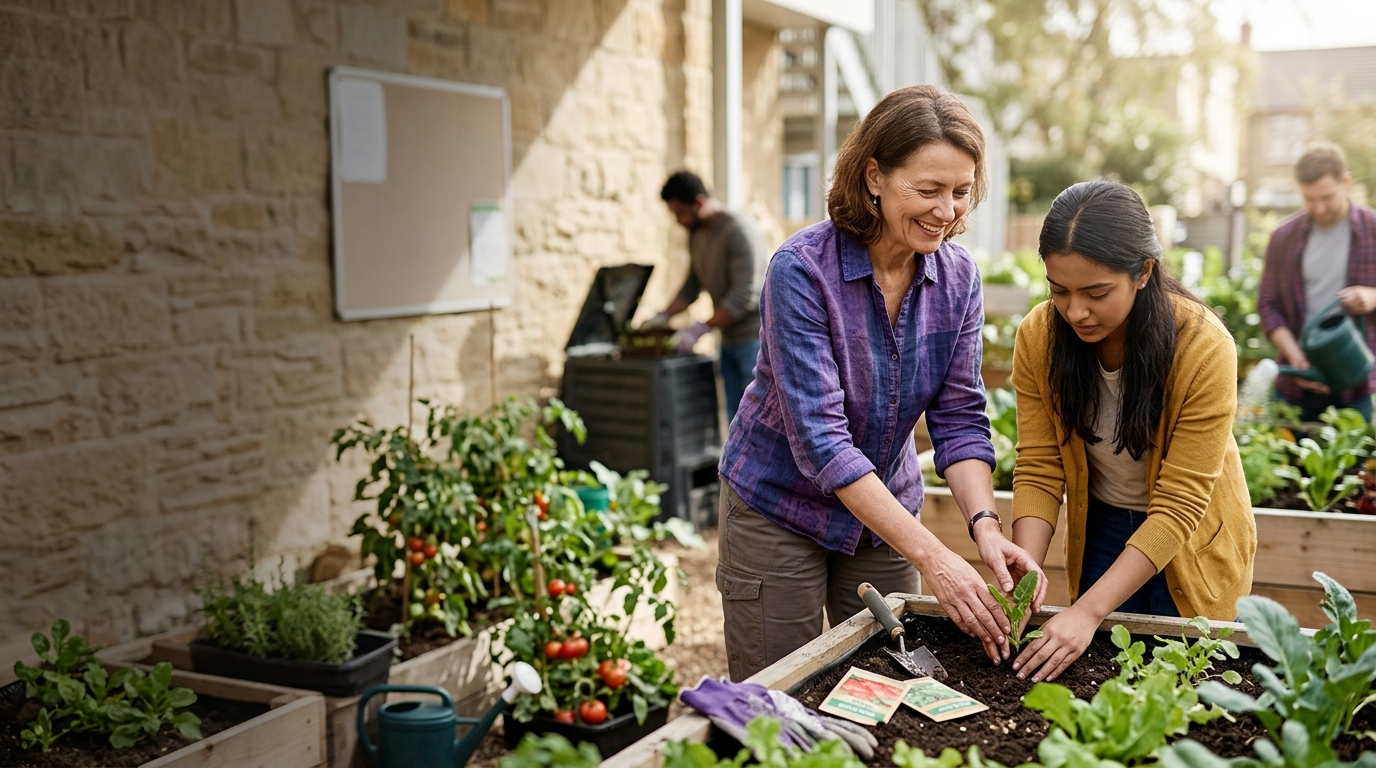
이미지를 아이디어 프롬프트로 사용하세요. 발견한 사항을 설명하고 이를 경험과 연결한 다음 실제 질문에 답하세요.


모델 답변을 나란히 들음
더 간단한 답변부터 시작하여 Band를 전환하여 동일한 작업이 어떻게 개발될 수 있는지 듣고 개인 응답을 녹음하세요. 이것은 공식적인 답변이나 점수 보장이 아닌 교육용 예시입니다.
2부 — 모델 답변
Part 2 cue-card response
The person I want to describe is my neighbour, Mrs Green. She often helps other people in our street. She brings shopping to older neighbours and sometimes looks after children when parents are busy. She does this almost every week and sometimes every day. She helps because she thinks it’s the right thing to do and because she likes people. For example, last week she drove an elderly man to a hospital appointment and waited with him. I feel grateful to her. Her kindness makes our neighbourhood nicer and it makes me want to help more too.
My aunt Susana is someone who often helps others. She lives near me and volunteers at the local community centre three mornings a week, and she also checks in on elderly neighbours most evenings. She’s always ready to lend a hand with shopping or paperwork; for example, last month she spent an afternoon helping our neighbour sort his benefit forms. She helps because she genuinely cares about people and because she grew up in a family where supporting one another was expected; this upbringing gave her a strong sense of duty. Her help takes many forms — practical tasks, emotional support and sometimes just listening — and she’s particularly good at calming people down in a crisis, for instance when a friend had a panic attack she stayed with them until they felt better. She also organises a small food drive each month and taught me how to coordinate donations and deliveries. That experience showed me how much a few hours can help. I admire her a lot and often feel inspired to do the same; her kindness has made me more patient and willing to offer help myself. I also feel grateful because her actions have improved our whole street, bringing neighbours closer and creating a friendlier atmosphere.
3부 - 모델 답변
What can children do to help their parents?
Children can help their parents by doing small jobs at home, like tidying their room, taking out the rubbish or helping to set the table. Older children can help with shopping or looking after younger siblings. These things save parents time and teach kids responsibility.
Children can do lots of practical things to help their parents, ranging from simple chores like tidying their room and emptying the dishwasher to more responsible tasks like babysitting a younger sibling or doing a weekly shop. Doing these jobs helps children learn time-management and independence, and it also eases pressure on busy parents. For example, a teenager who takes responsibility for meal prep a couple of evenings a week can make a real difference to a family’s routine.
Should children help their parents with household chores?
Yes, children should help with household chores. It’s fair and it teaches them basic skills. Parents can give age-appropriate tasks, like younger kids tidy toys and older kids wash dishes. It’s good practice for later life.
Yes — children should help with household chores because it teaches essential life skills and a sense of shared responsibility. However, tasks must be age-appropriate: younger children can tidy, feed pets or help set the table, while teenagers can take on laundry or cooking. Schools won’t teach everything, so chores are a practical way to prepare young people for independent living and to promote equality at home.
What kind of help do people need when looking for a new job?
People looking for a new job need help with writing a CV, preparing for interviews and finding vacancies. They also need references and sometimes training to learn new skills. Friends and career services can help with these things.
When searching for a new job people often need practical help — a well-crafted CV, tailored cover letters and interview practice — but they also need guidance on networking and identifying suitable roles. Emotional support is important too, because job hunting can be demoralising. For instance, a mentor who gives honest feedback on your application and introduces you to contacts can be invaluable in securing the right position.
Who should people ask for help, colleagues or family members?
It depends. For work problems it's usually better to ask colleagues because they know the job. For personal or emotional issues family members are better. Sometimes colleagues can help with practical advice and family with support.
It depends on the kind of help needed. For technical or job-specific guidance colleagues are often best placed because they understand the workplace and can offer practical tips. For emotional support or logistical help — childcare, for example — family members might be more suitable. Confidentiality and expertise matter too: I’d go to a colleague for feedback on a project, but to family for long-term moral support.
Do you think schools should teach children to do household chores?
Yes, I think schools should teach children some household chores. It helps them learn skills and be responsible. Schools could include basic cooking, laundry and cleaning in lessons or as part of life-skills classes.
I do think schools should include basic household skills within the curriculum, either in dedicated life-skills lessons or as part of PSHE. Teaching cooking, laundry basics, budgeting and simple home maintenance gives students practical competence they’ll need as adults. This also promotes fairness, so both boys and girls learn the same responsibilities, and can reduce the burden on families who otherwise do all that home teaching themselves.
Why are employees reluctant to ask their managers for help?
Employees may be reluctant because they don’t want to look weak or bother their manager. They might think the manager is too busy or they’re afraid of being judged. So they try to solve things by themselves.
Employees are often hesitant to ask managers for help because of power dynamics and fear of appearing incompetent, especially in cultures where self-reliance is prized. Time pressure and heavy workloads make staff worry they’ll be seen as a drain on resources. Creating psychological safety and clear channels for support — for instance regular one-to-one meetings — helps people feel more able to ask for guidance without worrying about negative judgement.
연습 상태: 이전 문제 은행 주기에서 보관된 주제입니다. 기술 연습에는 여전히 유용하지만 현재 또는 보장된 시험 문제로 제시되지는 않습니다. 주제에 라벨을 지정하는 방법.
답변 방법 다른 사람을 자주 돕는 사람을 설명하십시오. IELTS 말하기 질문
다른 사람을 자주 돕는 사람을 묘사하는 큐 카드의 경우 준비 시간을 사용하여 연설을 통한 경로를 구축하십시오. 명확한 주제를 선택하고 두 가지 구체적인 순간이나 세부 사항을 추가한 후 그것이 중요한 이유를 설명하여 마무리하세요. 그런 다음 연결된 파트 3 질문을 사용하여 더 폭넓은 설명과 비교를 연습하세요.
큐 카드 프롬프트:
- 이 사람은 누구인가?
- 그 사람이 다른 사람을 얼마나 자주 돕는지
- 그 사람이 다른 사람을 돕는 방법과 이유
- 이 사람에 대해 어떻게 생각하시나요?
- 열기: 사람, 장소, 사물 또는 사건을 식별합니다.
- 개발: 두 가지 세부 사항이나 순간을 논리적 순서로 설명합니다.
- 확장: 이유, 결과, 비교 또는 문제를 설명합니다.
- 묵상: 주제가 기억에 남거나 중요한 이유를 설명하여 마무리합니다.
질문별 접근 방식
| 연습문제 | 유용한 답변 이동 |
|---|---|
| What can children do to help their parents? | 먼저 사물의 이름을 지정한 다음 구체적인 특징이나 예를 설명하세요. |
| Should children help their parents with household chores? | 대본을 외우지 않고 직접 답변하고 이유 하나와 간단한 예를 들어보세요. |
| What kind of help do people need when looking for a new job? | 먼저 사물의 이름을 지정한 다음 구체적인 특징이나 예를 설명하세요. |
| Who should people ask for help, colleagues or family members? | 대본을 외우지 않고 직접 답변하고 이유 하나와 간단한 예를 들어보세요. |
어휘 집중
모델 답변에서 이미 입증된 유용한 언어는 다음과 같습니다. tidying their room, meal prep, time-management, age-appropriate, shared responsibility, independent living, tailored CV, networking. 각 의미와 자연스러운 단어 파트너십을 배운 다음 전체 스크립트를 복사하는 대신 새로운 답변에 항목을 사용하십시오.
피해야 할 일반적인 실수
- 질문에 부분적으로만 대답하는 암기된 답변을 제공합니다.
- 의미나 배열을 확인하지 않고 어려운 어휘를 추가합니다.
- 잠시 수정하고 계속하는 대신 오류가 발생할 때마다 다시 시작합니다.
- 첫 번째 시도를 기록하기 전에 모범 답변을 읽어보세요.
다른 사람들이 자주 FAQ를 연습하도록 돕는 사람을 묘사해 보세요.
큐카드 준비 시간은 다른 사람을 자주 돕는 사람 설명 시간을 어떻게 활용해야 합니까?
오프닝, 두세 가지 세부 사항 및 최종 반영을 위한 키워드를 작성하세요. 완전한 문장을 쓰려고 하지 마세요.
큐카드 총알을 모두 가려야 하나요?
프롬프트는 대화를 정리하는 데 도움이 됩니다. 이를 덮는 것이 유용하지만 각 라인을 기계적으로 체크하는 것보다 일관된 1~2분 응답이 더 중요합니다.
파트 3 질문은 파트 2와 어떻게 연결되어 있나요?
이유, 비교, 사회적 영향 또는 미래 가능성을 통해 동일한 광범위한 주제를 전개하므로 답변에는 일반적으로 파트 1보다 더 많은 설명이 필요합니다.
