
IELTS การพูด ตอนที่ 2 และ 3: Describe a home that you like to visit but do not want to live in
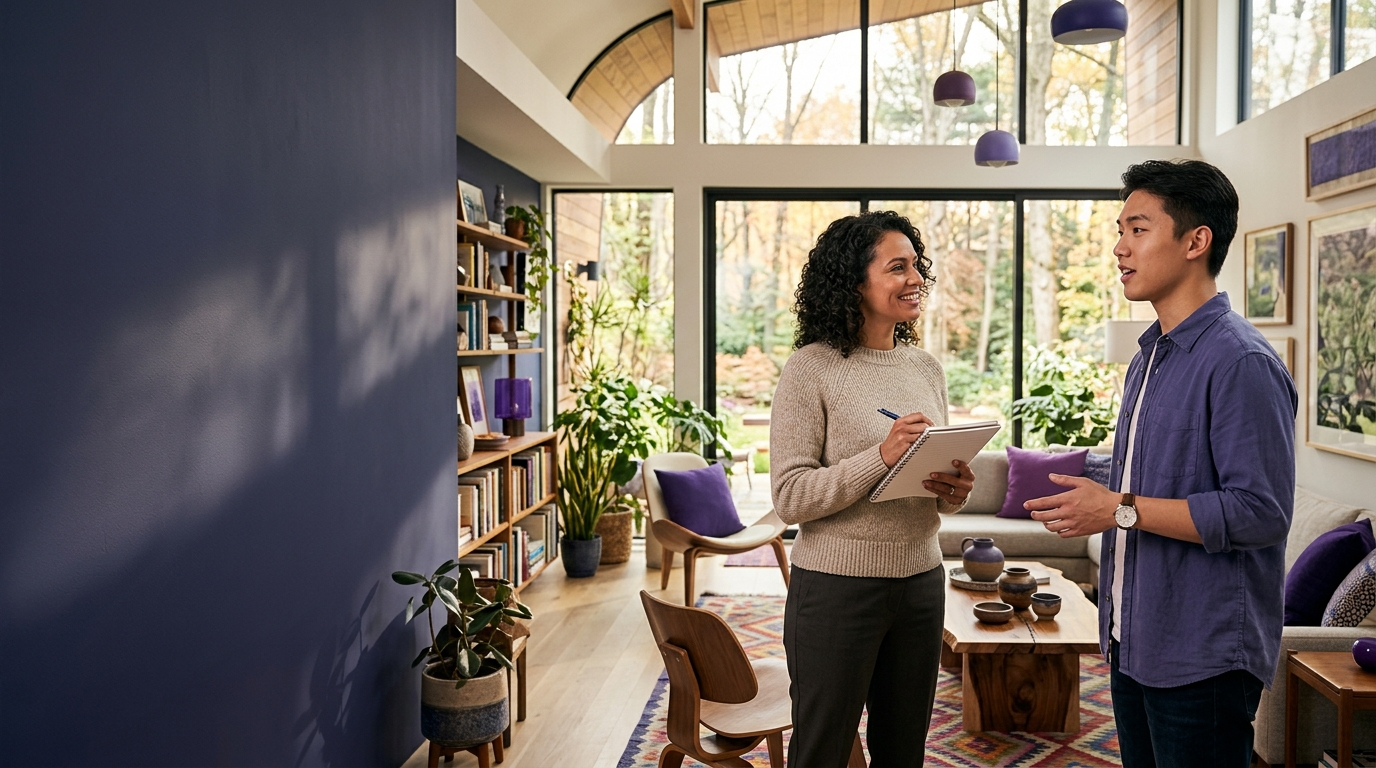
ส่วนที่ 2 บัตรคิว
Describe a home that you like to visit but do not want to live in
คุณควรพูดว่า:
- มันอยู่ที่ไหน
- มันเป็นอย่างไร
- ทำไมคุณถึงชอบไปเยี่ยมชมมัน
- และอธิบายว่าทำไมคุณถึงไม่อยากอยู่ที่นั่น
คุณจะมีเวลาหนึ่งถึงสองนาทีในการพูดคุยเกี่ยวกับหัวข้อนี้
อ่านบทบรรยายฉบับสมบูรณ์
มีกระท่อมกันฝนบนชายฝั่งคอร์นิช ฉันชอบไปเยี่ยมชมแต่ไม่อยากอยู่ถาวร ห่างจากเมืองของฉันประมาณสองชั่วโมงและตั้งอยู่บนหน้าผาที่มีลมพัดแรงพร้อมทิวทัศน์อันกว้างไกลของอ่าว กระท่อมมีบรรยากาศสบายๆ และเรียบง่ายเล็กน้อย ด้วยคานต่ำ เตาเผาไม้ และห้องครัวเล็กๆ และเต็มไปด้วยเฟอร์นิเจอร์ที่ไม่เข้ากันซึ่งสะสมมานานหลายทศวรรษ ฉันชอบเยี่ยมชมเพราะมันบังคับให้ฉันช้าลงและตัดการเชื่อมต่อจากอีเมลและเสียงรบกวน มีทางเดินยาวไปตามหาดทรายและอากาศบริสุทธิ์ทำให้สมองปลอดโปร่ง ตัวอย่างเช่น ในการเดินทางครั้งสุดท้าย ฉันเดินไปตามเส้นทางเลียบชายฝั่งประมาณ 5 ไมล์และรู้สึกสดชื่นอย่างเต็มที่ แต่ฉันไม่อยากอยู่ที่นั่นเพราะมันห่างไกลและไม่เหมาะกับชีวิตประจำวัน ซูเปอร์มาร์เก็ตที่ใกล้ที่สุดอยู่ห่างออกไปครึ่งชั่วโมงและบรอดแบนด์ก็ไม่น่าเชื่อถือ นอกจากนี้ กระท่อมยังมีลมพัดและมีขนาดเล็ก ดังนั้นในช่วงฤดูหนาว จึงเป็นเรื่องยากที่จะทำงานจากที่บ้านหรือต้อนรับเพื่อนเป็นประจำ ดังนั้นจึงเหมาะอย่างยิ่งสำหรับการหยุดพักระยะสั้นแต่ไม่เหมาะสำหรับการใช้ชีวิตระยะยาว
สถานะการเตรียมการ: รอบหัวข้อที่คาดการณ์ไว้ แหล่งข้อมูลสำหรับฝึกหัดอิสระนี้ไม่ใช่ข้อสอบ IELTS อย่างเป็นทางการ และคำถามในการทดสอบอาจแตกต่างกันออกไป วิธีการติดป้ายกำกับหัวข้อ.
ส่วนที่ 3 คำถามสนทนา
ย้ายทีละคำถาม: ฟัง ตอบ เปรียบเทียบ และลองอีกครั้ง ข้อความคำถามที่สมบูรณ์จะยังคงอยู่ในหน้า HTML เพื่อการเข้าถึงและการค้นหา
- 01Do Chinese people like to visit others' homes?
- 02What do Chinese people do when they visit others?
- 03What kind of place do people in your country like to live in?
- 04What's the difference between homes in cities and those in the countryside?
- 05What kind of gifts do people usually bring when they visit others?
- 06How often do you visit your relatives or friends?
ดูหัวข้อก่อนพูด
ใช้รูปภาพเป็นไอเดีย อธิบายสิ่งที่คุณสังเกตเห็น เชื่อมโยงกับประสบการณ์ของคุณ แล้วตอบคำถามจริง
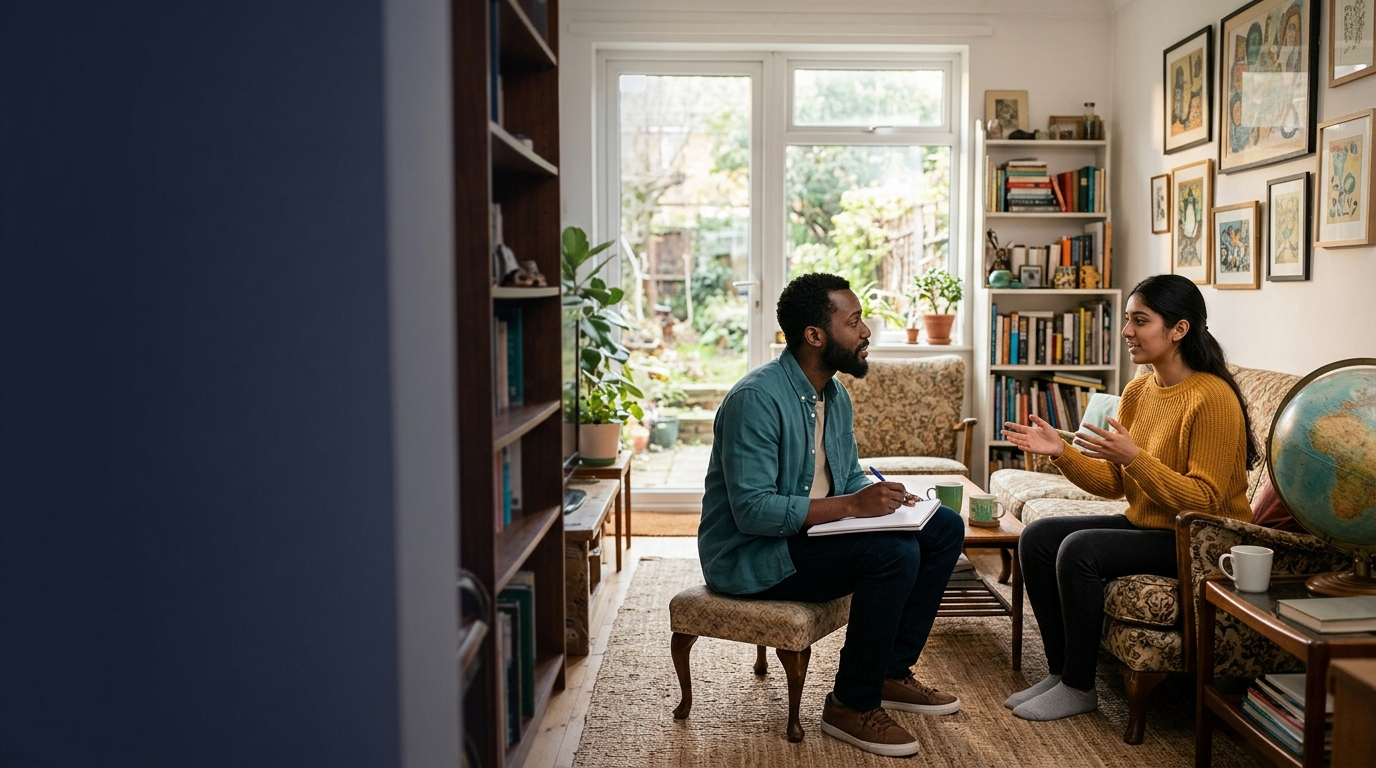
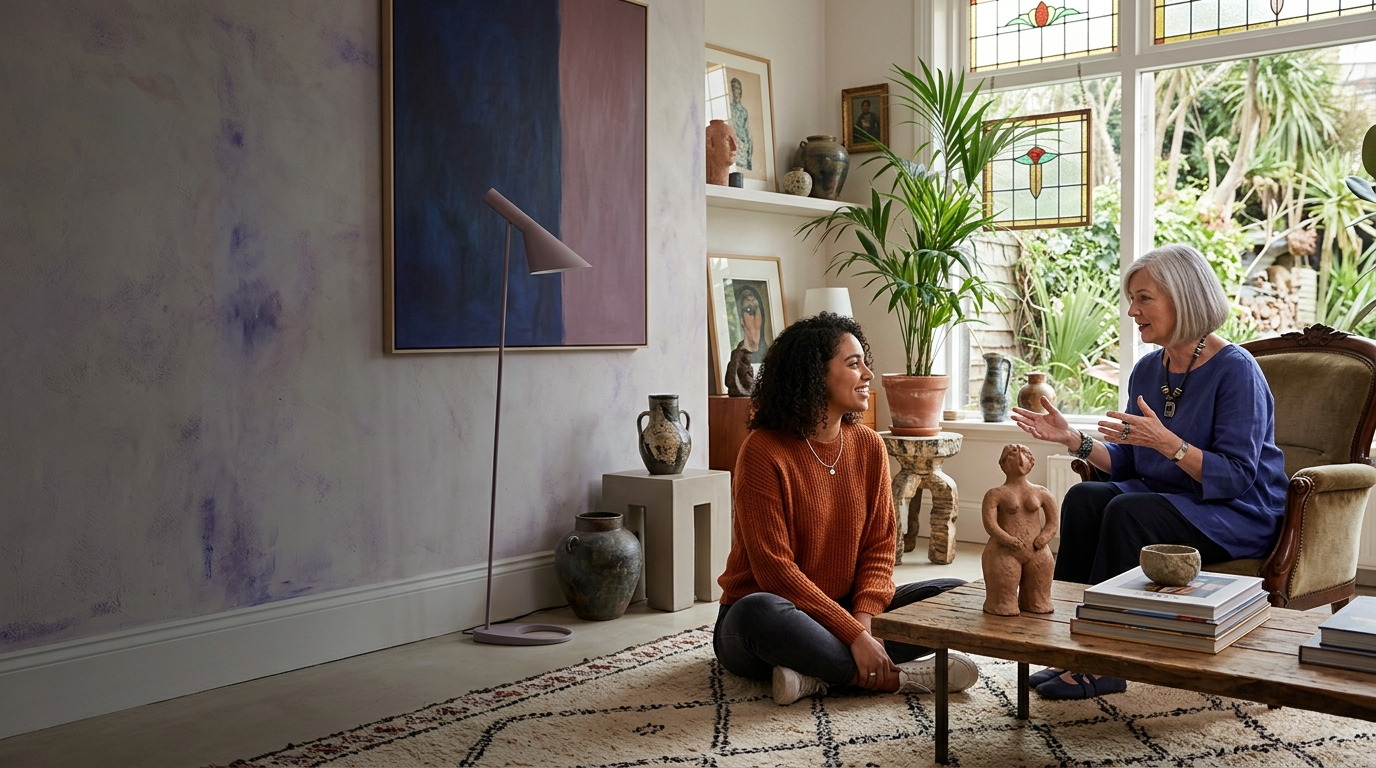
โมเดลตอบ ได้ยินพร้อมๆ กัน
เริ่มต้นด้วยคำตอบที่ง่ายกว่า สลับ Band เพื่อฟังว่างานเดียวกันนี้สามารถพัฒนาได้อย่างไร จากนั้นจึงบันทึกคำตอบส่วนตัว นี่เป็นตัวอย่างการสอน ไม่ใช่คำตอบอย่างเป็นทางการหรือการรับประกันคะแนน
ส่วนที่ 2 - คำตอบของแบบจำลอง
Part 2 cue-card response
There is a house I like to visit but I wouldn't live in. It's my aunt's small seaside cottage about two hours from here. The cottage is old, with low ceilings, wooden floors and a tiny kitchen. I enjoy visiting because it's peaceful; we go to the beach, have barbecues and talk a lot. I like the fresh air and the view of the sea. But I wouldn't live there because it's too remote, the rooms are small and the heating is poor in winter. I prefer a bigger, warmer place in the city.
I like to visit a converted loft apartment in the creative quarter of my city's centre. It's owned by an old university friend who moved there when they became a designer. It's a short walk from a park and several cafés, so it's easy to get to. The building used to be a factory and now it's a tall open-plan space with big windows, bare brick walls and a mezzanine bedroom. There are plants by the windows, a massive wooden table for dinner and an impressive collection of books and art on the walls, which always gives it a warm, lived-in feel. I enjoy going there because the atmosphere feels inspiring and relaxed; we usually talk late into the night about projects and ideas. Also, my friend cooks great meals and the layout makes socialising easy, as everyone gathers in one big room. Despite all that, I wouldn't want to live there myself. The apartment is very noisy — you can hear traffic and people in the street below — and it's surprisingly cold in winter because of the large windows. It also lacks storage and private rooms, which would be a problem for day-to-day life; I prefer somewhere quieter with separate spaces for work and rest. It would also be too expensive to rent long-term.
I often visit a small lakeside cottage owned by some old family friends about an hour's drive from town. Nestled among trees on the edge of a quiet lake, the cottage is low and wooden with a creaky porch, a little garden and enormous windows that frame the water. Inside, there are comfortable armchairs, a wood-burning stove, shelves filled with board games and a scattering of mismatched crockery that gives it a cosy, lived-in character. I like going there because everything slows down: we take long walks by the shore, cook simple dinners together and sit up late watching storm-clouds roll over the hills. One winter evening, for example, we stayed up drinking hot chocolate and listening to rain on the roof — it felt restorative. Even so, I couldn't imagine living there permanently. The house is cold and damp for much of the year, heating is inefficient and the nearest supermarket is twenty miles away, which makes daily life inconvenient. Furthermore, the isolation that makes it idyllic for short stays would feel claustrophobic long-term; I value access to cultural events, work opportunities and friends' company that only a town or city can provide.
ส่วนที่ 3 - คำตอบของแบบจำลอง
Do Chinese people like to visit others' homes?
Yes, many Chinese people do like to visit others' homes. Visiting is a way to see family and friends and to stay in touch. People often go for meals or festivals, and sometimes just to chat. But in big cities people may not visit as often because they are busy with work.
Generally speaking, visiting is an important part of social life in China. Family ties are strong, so people go to relatives' houses for festivals like Lunar New Year or for birthdays, and those visits are often quite formal. At the same time, urban lifestyles mean younger people sometimes prefer meeting in cafés or bars, so habits are changing. Hospitality and face-to-face conversation still matter, though — especially when elders are involved.
Yes — visiting remains a culturally significant practice, though the pattern varies by generation and location. Older people and those in rural areas tend to prioritise in‑person home visits for maintaining family bonds and showing respect, whereas many younger urbanites balance home calls with socialising outside the home or using messaging apps. Economic pressures and long working hours have reduced the frequency of visits for some, but when visits do happen they often carry clear social meanings around obligation, hospitality and reciprocity.
What do Chinese people do when they visit others?
When people visit they usually chat and have a meal together. Guests might bring food or fruit. Sometimes they play cards or watch TV. If it is a special day, they might stay longer.
Typically, a visit centres on food and conversation: guests bring a dish or a small gift, sit down for tea or a shared meal, and talk for a while. In many homes people also help with preparing food or clearing up, which is seen as polite. For longer visits, families may play games, look through photo albums or take a walk together — it depends on the situation.
What happens during a visit depends on the occasion and the relationship between host and guest. For casual calls people will exchange greetings, enjoy tea and perhaps a snack, and catch up; for more formal visits you'll often see ritual elements such as offering seats to elders, exchanging modest gifts and sitting down to a multi‑course meal. In some regions guests contribute by helping in the kitchen or bringing items to share, which reinforces communal bonds.
What kind of place do people in your country like to live in?
People in my country like to live somewhere comfortable and convenient. Many want a house with a garden or a flat near work. Good schools and shops nearby are important. People often prefer quieter neighbourhoods.
In my country the ideal home usually combines convenience and comfort: good transport links, access to shops and quality local schools are top priorities for families. Younger people often favour flats in the city for short commutes and nightlife, while families tend to look for houses with gardens in the suburbs. Affordability and proximity to work are increasingly decisive factors.
Preferences depend on life stage and income, but there are clear trends: many aspire to homes that balance accessibility with quality of life — for example, properties near good schools, public transport and green spaces. Professionals value compact city living for shorter commutes, whereas parents often seek suburban terraces or semi‑detached houses with gardens. Recent shifts — remote work and rising housing costs — are reshaping demand, with more people choosing flexible locations that offer both community and practicality.
What's the difference between homes in cities and those in the countryside?
Homes in cities are often flats and smaller. Countryside homes are usually bigger and have gardens. City homes are noisy and busy, while the countryside is quiet. Services like shops are nearer in cities.
City homes tend to be smaller, often flats or terraced houses, with limited outdoor space but easy access to shops, transport and entertainment. Countryside homes generally offer more space, a garden and a quieter environment, but services can be farther away and commutes longer. The style and age of properties also differ: older cottages in the country versus newer apartments in urban areas.
The contrast is both physical and social: urban dwellings prioritise density and accessibility — compact flats, apartments above shops and purpose‑built developments — while rural homes emphasise space, private gardens and a calmer atmosphere. This affects lifestyles: city residents benefit from proximity to work and cultural amenities, whereas country dwellers trade convenience for tranquillity and stronger local community ties. Energy efficiency, maintenance costs and transport dependency are other important differences to consider.
What kind of gifts do people usually bring when they visit others?
People usually bring food, fruit or flowers when they visit. Sometimes they bring wine or a small present. If it's a special event they might give something more valuable.
Common gifts are flowers, a bottle of wine, homemade food or a box of pastries — items that are easy to share with everyone. For more formal visits it's polite to choose something tasteful and not too personal, like good tea or nice biscuits. Presentation matters too; wrapping shows thought and respect.
Gifts are often practical and shareable — for example, a dessert, a bottle of wine or a nicely packaged box of tea — since hosts typically distribute them among guests. Etiquette matters: gifts should be modest, well presented and culturally appropriate; certain items or colours can be unsuitable on particular occasions. In some contexts monetary gifts in an envelope are normal, while in others a personal homemade item may be more appreciated — adapting to the host's preferences is the key.
How often do you visit your relatives or friends?
I visit my relatives about once a month or less if they live far away. I see close friends at the weekend sometimes. Work and distance make visits less often.
I try to visit my close relatives roughly once a month, though that varies — during holidays or special events I see them more often. Friends I meet more casually, usually at weekends or for an evening out. Work commitments and geography influence how often I can visit, so I also use phone or video calls sometimes.
It depends on who and where they are: I tend to see local family members every few weeks, whereas relatives who live farther away are usually visited only for major holidays or family gatherings. My friends and I meet more frequently, often at the weekend, but the rhythm has changed with work patterns and family life. Technology helps bridge the gaps, yet in‑person visits still carry greater emotional weight, so I try to prioritise those when possible.
วิธีตอบ อธิบายบ้านที่คุณชอบไปเยี่ยมชมแต่ไม่อยากอยู่ในคำถาม IELTS Speaking
สำหรับการบรรยายบ้านที่คุณชอบไปเยี่ยมชมแต่ไม่อยากอยู่อาศัยในบัตรคิวให้ใช้นาทีการเตรียมการเพื่อสร้างเส้นทางผ่านการพูดคุย เลือกหัวข้อที่ชัดเจน เพิ่มช่วงเวลาหรือรายละเอียดที่เฉพาะเจาะจงสองรายการ และจบด้วยเหตุผลว่าทำไมจึงสำคัญ จากนั้นใช้คำถามส่วนที่ 3 ที่เชื่อมโยงเพื่อฝึกฝนการอธิบายและการเปรียบเทียบที่กว้างขึ้น
ข้อความแจ้งบัตรคิว:
- มันอยู่ที่ไหน
- มันเป็นอย่างไร
- ทำไมคุณถึงชอบไปเยี่ยมชมมัน
- และอธิบายว่าทำไมคุณถึงไม่อยากอยู่ที่นั่น
- การเปิด: ระบุบุคคล สถานที่ วัตถุ หรือเหตุการณ์
- การพัฒนา: อธิบายสองรายละเอียดหรือช่วงเวลาตามลำดับตรรกะ
- ส่วนขยาย: อธิบายเหตุผล ผลลัพธ์ การเปรียบเทียบ หรือปัญหา
- การสะท้อนกลับ: จบด้วยเหตุผลว่าทำไมหัวข้อนั้นถึงน่าจดจำหรือสำคัญ
แนวทางคำถามต่อคำถาม
| คำถามฝึกหัด | การย้ายคำตอบที่เป็นประโยชน์ |
|---|---|
| Do Chinese people like to visit others' homes? | ให้คำตอบโดยตรง เหตุผลหนึ่งข้อ และตัวอย่างสั้นๆ โดยไม่ต้องจำสคริปต์ |
| What do Chinese people do when they visit others? | ตั้งชื่อสิ่งนั้นก่อน จากนั้นจึงอธิบายคุณลักษณะหรือตัวอย่างเฉพาะเจาะจง |
| What kind of place do people in your country like to live in? | ตั้งชื่อสิ่งนั้นก่อน จากนั้นจึงอธิบายคุณลักษณะหรือตัวอย่างเฉพาะเจาะจง |
| What's the difference between homes in cities and those in the countryside? | ตั้งชื่อสิ่งนั้นก่อน จากนั้นจึงอธิบายคุณลักษณะหรือตัวอย่างเฉพาะเจาะจง |
เน้นคำศัพท์
ภาษาที่มีประโยชน์แสดงให้เห็นแล้วในคำตอบของโมเดล ได้แก่ hospitality (friendly, generous reception of guests), generational (relating to different age groups), reciprocity (mutual exchange of favours), ritual (a customary practice), modest (not large or showy), catch up (informal: exchange news), affordability (how affordable something is), commute (regular travel to work). เรียนรู้แต่ละความหมายและคู่คำที่เป็นธรรมชาติ จากนั้นใช้รายการนั้นเป็นคำตอบใหม่แทนที่จะคัดลอกสคริปต์ที่สมบูรณ์
ข้อผิดพลาดทั่วไปที่ควรหลีกเลี่ยง
- ให้คำตอบที่จดจำซึ่งตอบคำถามเพียงบางส่วนเท่านั้น
- เติมคำศัพท์ยากๆ โดยไม่ต้องตรวจสอบความหมายหรือการจัดตำแหน่ง
- รีสตาร์ทหลังจากทุกข้อผิดพลาด แทนที่จะแก้ไขในช่วงสั้นๆ และดำเนินการต่อ
- อ่านคำตอบของแบบจำลองก่อนที่จะบันทึกความพยายามครั้งแรกของคุณเอง
อธิบายบ้านที่คุณชอบเยี่ยมชมแต่ไม่อยากอยู่จริง FAQ
ฉันจะใช้คำอธิบายบ้านที่คุณชอบไป แต่ไม่อยากอยู่ในนาทีเตรียมคิวการ์ดได้อย่างไร?
เขียนคำหลักสำหรับช่วงเริ่มต้น รายละเอียดสองหรือสามรายละเอียด และการไตร่ตรองขั้นสุดท้าย อย่าพยายามเขียนประโยคที่สมบูรณ์
ฉันต้องครอบคลุมสัญลักษณ์แสดงหัวข้อย่อยทุกบัตรคิวหรือไม่
ข้อความแจ้งจะช่วยคุณจัดระเบียบการสนทนา การครอบคลุมสิ่งเหล่านี้มีประโยชน์ แต่การตอบสนองหนึ่งถึงสองนาทีที่สอดคล้องกันนั้นมีความสำคัญมากกว่าการทำเครื่องหมายแต่ละบรรทัดโดยอัตโนมัติ
คำถามส่วนที่ 3 เชื่อมโยงกับส่วนที่ 2 อย่างไร
พวกเขาพัฒนาหัวข้อกว้างๆ ที่เหมือนกันด้วยเหตุผล การเปรียบเทียบ ผลกระทบทางสังคม หรือความเป็นไปได้ในอนาคต ดังนั้น คำตอบโดยปกติจะต้องมีคำอธิบายมากกว่าส่วนที่ 1
