
IELTS Nói Phần 2 & 3: Describe a home that you like to visit but do not want to live in
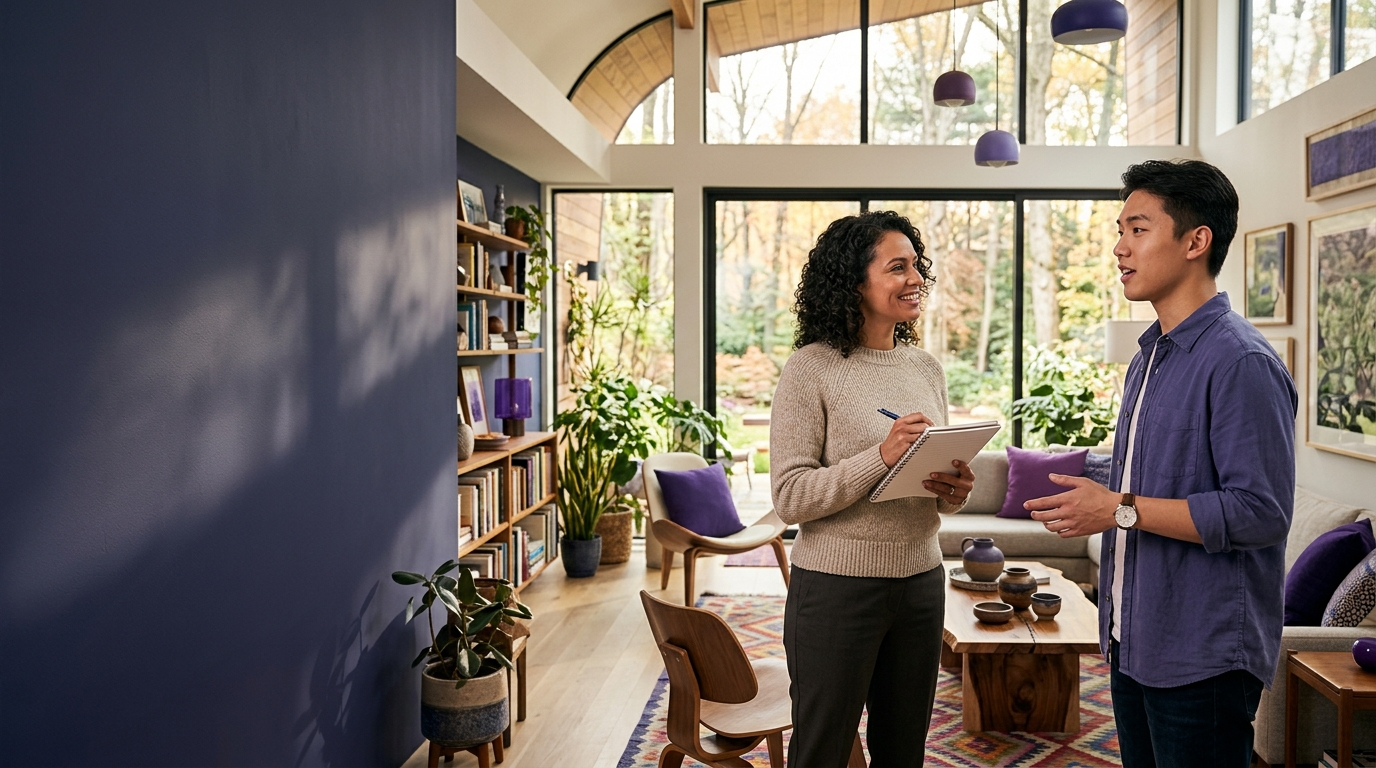
Thẻ gợi ý phần 2
Describe a home that you like to visit but do not want to live in
Bạn nên nói:
- Nó ở đâu
- Nó như thế nào
- Tại sao bạn thích ghé thăm nó
- Và giải thích tại sao bạn không muốn sống ở đó
Bạn sẽ có một đến hai phút để nói về chủ đề này.
Đọc bản ghi đầy đủ
Có một ngôi nhà nhỏ bằng ván trượt thời tiết trên bờ biển Cornish mà tôi thích đến thăm nhưng không muốn sống ở đó lâu dài. Nó cách thành phố của tôi khoảng hai giờ và nằm trên một vách đá lộng gió với tầm nhìn bao quát ra vịnh. Bản thân ngôi nhà nhỏ ấm cúng và hơi mộc mạc với dầm thấp, bếp đốt củi và căn bếp nhỏ, bên cạnh đó chứa đầy đồ nội thất không phù hợp được sưu tầm qua nhiều thập kỷ. Tôi thích truy cập vì nó buộc tôi phải sống chậm lại và ngắt kết nối với email và tiếng ồn; có những chuyến đi bộ dài dọc theo bãi cát và không khí trong lành làm đầu óc tôi sảng khoái. Ví dụ, trong chuyến đi vừa qua, tôi đã đi bộ năm dặm dọc theo con đường ven biển và cảm thấy hoàn toàn sảng khoái. Nhưng tôi không muốn sống ở đó vì nó xa xôi và không thiết thực cho cuộc sống hàng ngày - siêu thị gần nhất cách đó nửa giờ và băng thông rộng không đáng tin cậy. Ngoài ra, ngôi nhà nhỏ và tồi tàn nên trong mùa đông, rất khó để làm việc ở nhà hoặc tiếp đón bạn bè thường xuyên. Vì vậy, nó hoàn hảo cho những kỳ nghỉ phục hồi ngắn hạn nhưng không phù hợp cho cuộc sống lâu dài.
Trạng thái chuẩn bị: Dự đoán chu kỳ chủ đề. Tài nguyên thực hành độc lập này không phải là bài thi IELTS chính thức và các câu hỏi trong bài kiểm tra của bạn có thể khác nhau. Cách gắn nhãn chủ đề.
Câu hỏi thảo luận phần 3
Di chuyển từng câu hỏi một: nghe, trả lời, so sánh và thử lại. Văn bản câu hỏi hoàn chỉnh vẫn còn trong trang HTML để truy cập và tìm kiếm.
- 01Do Chinese people like to visit others' homes?
- 02What do Chinese people do when they visit others?
- 03What kind of place do people in your country like to live in?
- 04What's the difference between homes in cities and those in the countryside?
- 05What kind of gifts do people usually bring when they visit others?
- 06How often do you visit your relatives or friends?
Xem chủ đề trước khi nói
Sử dụng hình ảnh làm gợi ý tưởng. Mô tả những gì bạn nhận thấy, kết nối nó với trải nghiệm của bạn, sau đó trả lời câu hỏi thực sự.
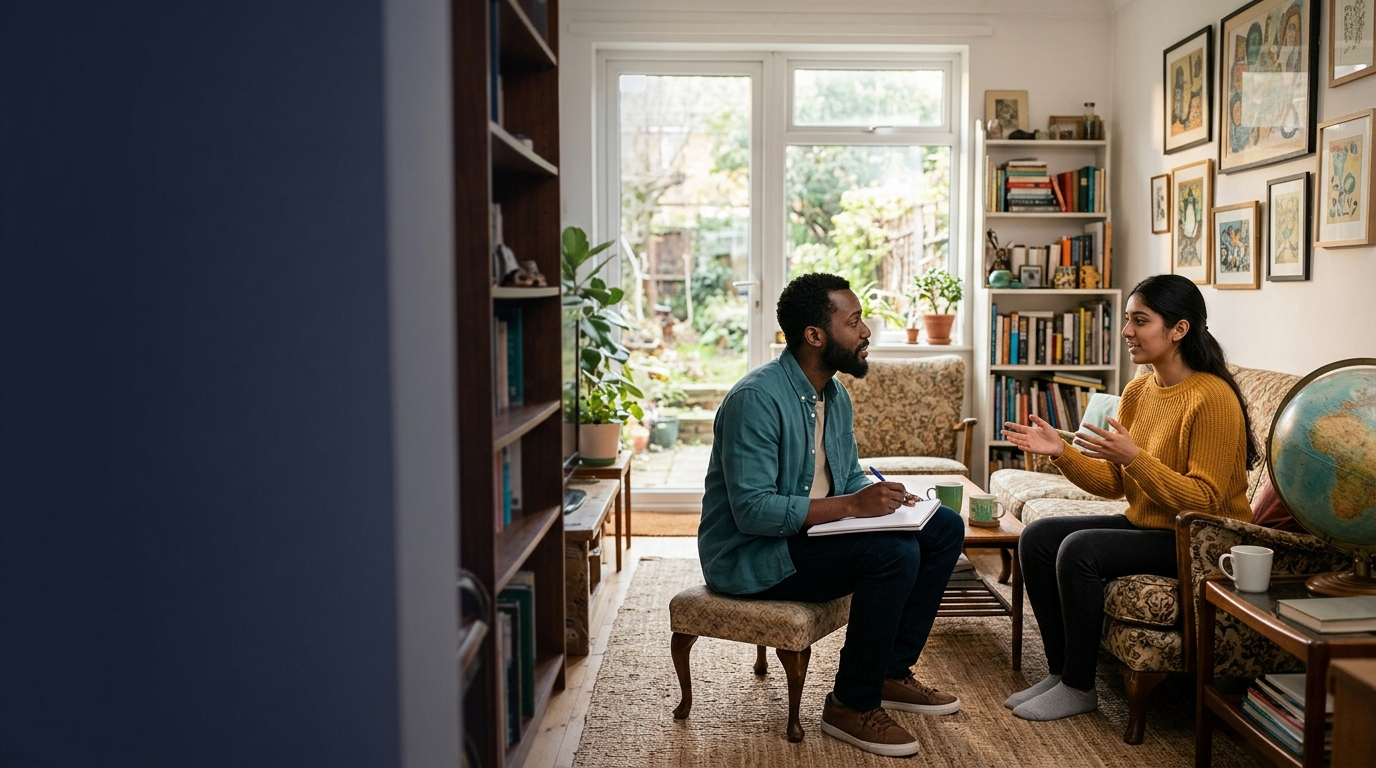
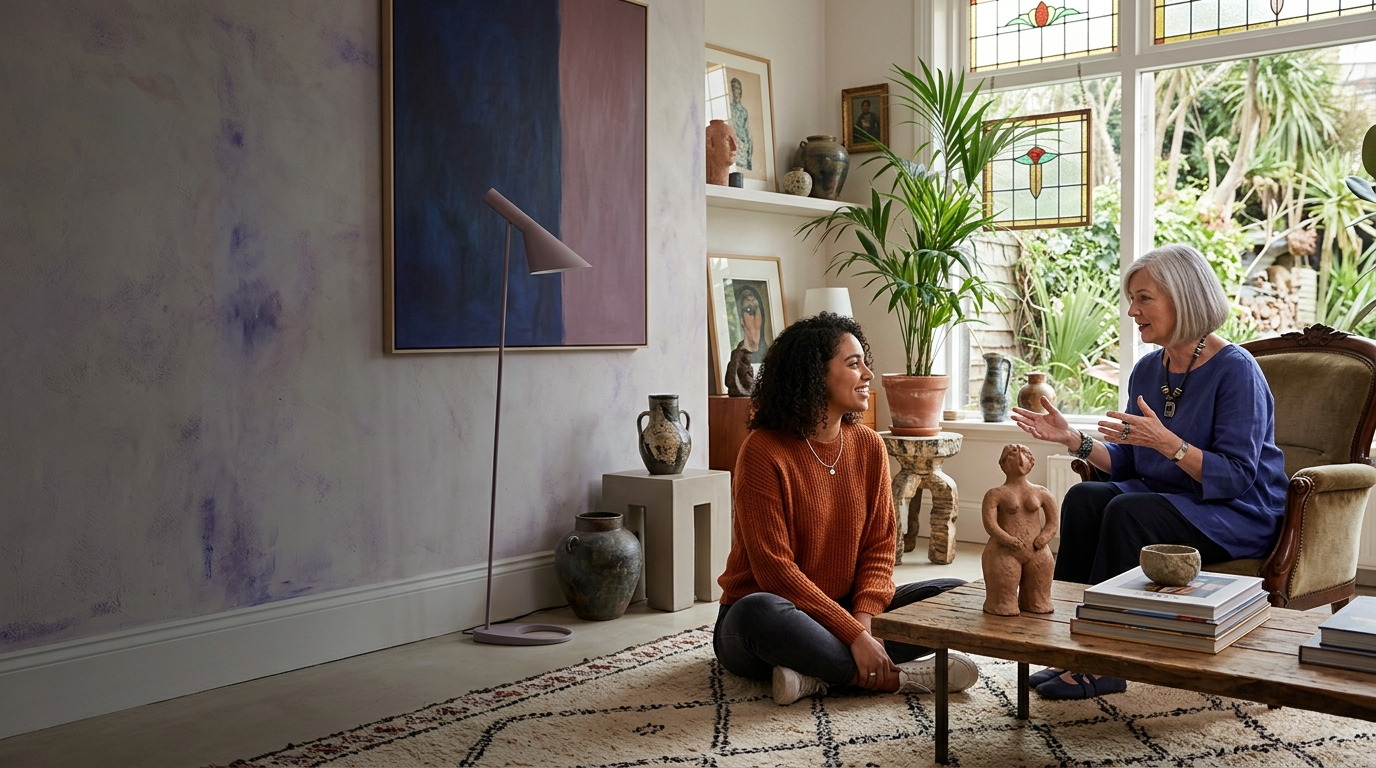
Những câu trả lời mẫu, được nghe cạnh nhau
Bắt đầu với câu trả lời đơn giản hơn, chuyển Band để nghe cách phát triển nhiệm vụ tương tự, sau đó ghi lại câu trả lời cá nhân. Đây là những ví dụ giảng dạy, không phải câu trả lời chính thức hoặc đảm bảo điểm số.
Phần 2 – Câu trả lời mẫu
Part 2 cue-card response
There is a house I like to visit but I wouldn't live in. It's my aunt's small seaside cottage about two hours from here. The cottage is old, with low ceilings, wooden floors and a tiny kitchen. I enjoy visiting because it's peaceful; we go to the beach, have barbecues and talk a lot. I like the fresh air and the view of the sea. But I wouldn't live there because it's too remote, the rooms are small and the heating is poor in winter. I prefer a bigger, warmer place in the city.
I like to visit a converted loft apartment in the creative quarter of my city's centre. It's owned by an old university friend who moved there when they became a designer. It's a short walk from a park and several cafés, so it's easy to get to. The building used to be a factory and now it's a tall open-plan space with big windows, bare brick walls and a mezzanine bedroom. There are plants by the windows, a massive wooden table for dinner and an impressive collection of books and art on the walls, which always gives it a warm, lived-in feel. I enjoy going there because the atmosphere feels inspiring and relaxed; we usually talk late into the night about projects and ideas. Also, my friend cooks great meals and the layout makes socialising easy, as everyone gathers in one big room. Despite all that, I wouldn't want to live there myself. The apartment is very noisy — you can hear traffic and people in the street below — and it's surprisingly cold in winter because of the large windows. It also lacks storage and private rooms, which would be a problem for day-to-day life; I prefer somewhere quieter with separate spaces for work and rest. It would also be too expensive to rent long-term.
I often visit a small lakeside cottage owned by some old family friends about an hour's drive from town. Nestled among trees on the edge of a quiet lake, the cottage is low and wooden with a creaky porch, a little garden and enormous windows that frame the water. Inside, there are comfortable armchairs, a wood-burning stove, shelves filled with board games and a scattering of mismatched crockery that gives it a cosy, lived-in character. I like going there because everything slows down: we take long walks by the shore, cook simple dinners together and sit up late watching storm-clouds roll over the hills. One winter evening, for example, we stayed up drinking hot chocolate and listening to rain on the roof — it felt restorative. Even so, I couldn't imagine living there permanently. The house is cold and damp for much of the year, heating is inefficient and the nearest supermarket is twenty miles away, which makes daily life inconvenient. Furthermore, the isolation that makes it idyllic for short stays would feel claustrophobic long-term; I value access to cultural events, work opportunities and friends' company that only a town or city can provide.
Phần 3 - Câu trả lời mẫu
Do Chinese people like to visit others' homes?
Yes, many Chinese people do like to visit others' homes. Visiting is a way to see family and friends and to stay in touch. People often go for meals or festivals, and sometimes just to chat. But in big cities people may not visit as often because they are busy with work.
Generally speaking, visiting is an important part of social life in China. Family ties are strong, so people go to relatives' houses for festivals like Lunar New Year or for birthdays, and those visits are often quite formal. At the same time, urban lifestyles mean younger people sometimes prefer meeting in cafés or bars, so habits are changing. Hospitality and face-to-face conversation still matter, though — especially when elders are involved.
Yes — visiting remains a culturally significant practice, though the pattern varies by generation and location. Older people and those in rural areas tend to prioritise in‑person home visits for maintaining family bonds and showing respect, whereas many younger urbanites balance home calls with socialising outside the home or using messaging apps. Economic pressures and long working hours have reduced the frequency of visits for some, but when visits do happen they often carry clear social meanings around obligation, hospitality and reciprocity.
What do Chinese people do when they visit others?
When people visit they usually chat and have a meal together. Guests might bring food or fruit. Sometimes they play cards or watch TV. If it is a special day, they might stay longer.
Typically, a visit centres on food and conversation: guests bring a dish or a small gift, sit down for tea or a shared meal, and talk for a while. In many homes people also help with preparing food or clearing up, which is seen as polite. For longer visits, families may play games, look through photo albums or take a walk together — it depends on the situation.
What happens during a visit depends on the occasion and the relationship between host and guest. For casual calls people will exchange greetings, enjoy tea and perhaps a snack, and catch up; for more formal visits you'll often see ritual elements such as offering seats to elders, exchanging modest gifts and sitting down to a multi‑course meal. In some regions guests contribute by helping in the kitchen or bringing items to share, which reinforces communal bonds.
What kind of place do people in your country like to live in?
People in my country like to live somewhere comfortable and convenient. Many want a house with a garden or a flat near work. Good schools and shops nearby are important. People often prefer quieter neighbourhoods.
In my country the ideal home usually combines convenience and comfort: good transport links, access to shops and quality local schools are top priorities for families. Younger people often favour flats in the city for short commutes and nightlife, while families tend to look for houses with gardens in the suburbs. Affordability and proximity to work are increasingly decisive factors.
Preferences depend on life stage and income, but there are clear trends: many aspire to homes that balance accessibility with quality of life — for example, properties near good schools, public transport and green spaces. Professionals value compact city living for shorter commutes, whereas parents often seek suburban terraces or semi‑detached houses with gardens. Recent shifts — remote work and rising housing costs — are reshaping demand, with more people choosing flexible locations that offer both community and practicality.
What's the difference between homes in cities and those in the countryside?
Homes in cities are often flats and smaller. Countryside homes are usually bigger and have gardens. City homes are noisy and busy, while the countryside is quiet. Services like shops are nearer in cities.
City homes tend to be smaller, often flats or terraced houses, with limited outdoor space but easy access to shops, transport and entertainment. Countryside homes generally offer more space, a garden and a quieter environment, but services can be farther away and commutes longer. The style and age of properties also differ: older cottages in the country versus newer apartments in urban areas.
The contrast is both physical and social: urban dwellings prioritise density and accessibility — compact flats, apartments above shops and purpose‑built developments — while rural homes emphasise space, private gardens and a calmer atmosphere. This affects lifestyles: city residents benefit from proximity to work and cultural amenities, whereas country dwellers trade convenience for tranquillity and stronger local community ties. Energy efficiency, maintenance costs and transport dependency are other important differences to consider.
What kind of gifts do people usually bring when they visit others?
People usually bring food, fruit or flowers when they visit. Sometimes they bring wine or a small present. If it's a special event they might give something more valuable.
Common gifts are flowers, a bottle of wine, homemade food or a box of pastries — items that are easy to share with everyone. For more formal visits it's polite to choose something tasteful and not too personal, like good tea or nice biscuits. Presentation matters too; wrapping shows thought and respect.
Gifts are often practical and shareable — for example, a dessert, a bottle of wine or a nicely packaged box of tea — since hosts typically distribute them among guests. Etiquette matters: gifts should be modest, well presented and culturally appropriate; certain items or colours can be unsuitable on particular occasions. In some contexts monetary gifts in an envelope are normal, while in others a personal homemade item may be more appreciated — adapting to the host's preferences is the key.
How often do you visit your relatives or friends?
I visit my relatives about once a month or less if they live far away. I see close friends at the weekend sometimes. Work and distance make visits less often.
I try to visit my close relatives roughly once a month, though that varies — during holidays or special events I see them more often. Friends I meet more casually, usually at weekends or for an evening out. Work commitments and geography influence how often I can visit, so I also use phone or video calls sometimes.
It depends on who and where they are: I tend to see local family members every few weeks, whereas relatives who live farther away are usually visited only for major holidays or family gatherings. My friends and I meet more frequently, often at the weekend, but the rhythm has changed with work patterns and family life. Technology helps bridge the gaps, yet in‑person visits still carry greater emotional weight, so I try to prioritise those when possible.
Cách trả lời Mô tả ngôi nhà mà bạn thích đến thăm nhưng không muốn ở trong câu hỏi IELTS Nói
Đối với phần Mô tả ngôi nhà mà bạn thích đến thăm nhưng không muốn sống trong thẻ gợi ý, hãy sử dụng phút chuẩn bị để xây dựng lộ trình xuyên suốt bài nói. Chọn một chủ đề rõ ràng, thêm hai khoảnh khắc hoặc chi tiết cụ thể và kết thúc bằng lý do tại sao nó quan trọng. Sau đó sử dụng các câu hỏi Phần 3 được liên kết để thực hành giải thích và so sánh rộng hơn.
Lời nhắc của thẻ Cue:
- Nó ở đâu
- Nó như thế nào
- Tại sao bạn thích ghé thăm nó
- Và giải thích tại sao bạn không muốn sống ở đó
- Mở đầu: xác định người, địa điểm, đồ vật hoặc sự kiện.
- Phát triển: mô tả hai chi tiết hoặc khoảnh khắc theo một trình tự hợp lý.
- Phần mở rộng: giải thích lý do, kết quả, so sánh hoặc vấn đề.
- Suy ngẫm: kết thúc bằng việc tại sao chủ đề lại đáng nhớ hoặc quan trọng.
Cách tiếp cận theo từng câu hỏi
| Câu hỏi thực hành | Câu trả lời hữu ích di chuyển |
|---|---|
| Do Chinese people like to visit others' homes? | Đưa ra câu trả lời trực tiếp, một lý do và một ví dụ ngắn mà không cần ghi nhớ kịch bản. |
| What do Chinese people do when they visit others? | Đặt tên cho sự vật trước, sau đó mô tả một tính năng hoặc ví dụ cụ thể. |
| What kind of place do people in your country like to live in? | Đặt tên cho sự vật trước, sau đó mô tả một tính năng hoặc ví dụ cụ thể. |
| What's the difference between homes in cities and those in the countryside? | Đặt tên cho sự vật trước, sau đó mô tả một tính năng hoặc ví dụ cụ thể. |
Trọng tâm từ vựng
Ngôn ngữ hữu ích đã được trình bày trong các câu trả lời mẫu bao gồm hospitality (friendly, generous reception of guests), generational (relating to different age groups), reciprocity (mutual exchange of favours), ritual (a customary practice), modest (not large or showy), catch up (informal: exchange news), affordability (how affordable something is), commute (regular travel to work). Tìm hiểu từng nghĩa và cách kết hợp từ tự nhiên, sau đó sử dụng mục đó trong câu trả lời mới thay vì sao chép toàn bộ văn bản.
Những lỗi thường gặp cần tránh
- Đưa ra một câu trả lời thuộc lòng mà chỉ trả lời được một phần câu hỏi.
- Bổ sung từ vựng khó mà không cần kiểm tra nghĩa hoặc sắp xếp thứ tự.
- Khởi động lại sau mỗi lỗi thay vì sửa nhanh và tiếp tục.
- Đọc câu trả lời mẫu trước khi ghi lại lần thử đầu tiên của bạn.
Mô tả một ngôi nhà mà bạn muốn đến thăm nhưng không muốn ở trong thực tế Câu hỏi thường gặp
Tôi nên sử dụng phần Mô tả ngôi nhà mà bạn thích đến thăm nhưng không muốn ở trong phút chuẩn bị thẻ gợi ý như thế nào?
Viết từ khóa cho phần mở đầu, hai hoặc ba chi tiết và suy ngẫm cuối cùng. Đừng cố gắng viết câu hoàn chỉnh.
Tôi có phải che từng viên đạn của thẻ gợi ý không?
Những lời nhắc giúp bạn tổ chức cuộc nói chuyện. Bao gồm chúng là hữu ích, nhưng một phản hồi mạch lạc từ một đến hai phút quan trọng hơn việc đánh dấu từng dòng một cách máy móc.
Các câu hỏi của Phần 3 được kết nối với Phần 2 như thế nào?
Chúng phát triển cùng một chủ đề rộng thông qua các lý do, so sánh, hiệu ứng xã hội hoặc khả năng trong tương lai, vì vậy các câu trả lời thường cần được giải thích nhiều hơn Phần 1.
