
IELTS Nói Phần 2 & 3: Describe a tall building you like or dislike
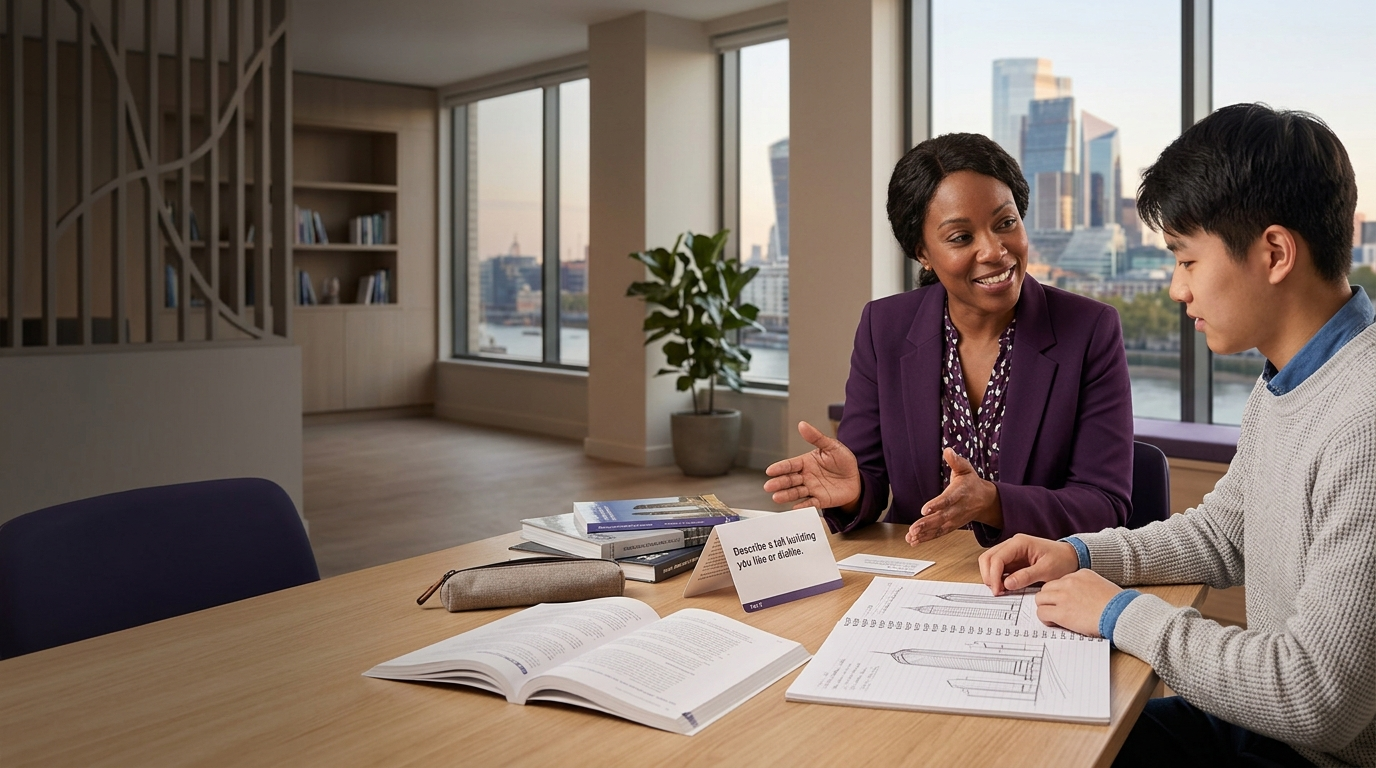
Thẻ gợi ý phần 2
Describe a tall building you like or dislike
Bạn nên nói:
- Nó được dùng để làm gì
- Nó ở đâu
- Nó trông như thế nào
- Và giải thích tại sao bạn thích hay không thích nó
Bạn sẽ có một đến hai phút để nói về chủ đề này.
Đọc bản ghi đầy đủ
One tall building I really like is Riverside Tower, a mixed-use skyscraper on the bank of the main river in my city's centre. It's used for offices, luxury apartments and a public observation gallery on the top floor, plus a few shops and a small supermarket on the ground level for locals. The location is very convenient — it's right by the tram stop and several cafés, which makes it a lively spot. Architecturally, the tower has a slim, tapering silhouette with a glass and steel façade and stepped terraces planted with trees; at night it's lit with soft white LEDs. The greenery on the terraces is real — some trees are large enough to give shade in summer and attract birds. I like it because it manages to be striking without feeling arrogant, and it includes sustainable features like rainwater harvesting and solar panels on the roof. For example, the building's water system irrigates the gardens and reduces the need for mains water. The top-floor gallery offers panoramic views of the river and bridges, and visiting there always makes me appreciate the city. Overall it's a successful blend of function, aesthetics and community use, which is why I admire it. Every visit cheers me up.
Trạng thái chuẩn bị: Dự đoán chu kỳ chủ đề. Tài nguyên thực hành độc lập này không phải là bài thi IELTS chính thức và các câu hỏi trong bài kiểm tra của bạn có thể khác nhau. Cách gắn nhãn chủ đề.
Câu hỏi thảo luận phần 3
Di chuyển từng câu hỏi một: nghe, trả lời, so sánh và thử lại. Văn bản câu hỏi hoàn chỉnh vẫn còn trong trang HTML để truy cập và tìm kiếm.
- 01Are there many tall buildings in your country?
- 02What are the differences between those tall buildings in your country?Full Band 6/7 answer →
- 03Why are different places laid out and designed differently?
- 04What are the advantages of living in tall buildings?
- 05Why do some people like to remodel and decorate their homes themselves?
- 06What kind of interior design style do most people like?
Xem chủ đề trước khi nói
Sử dụng hình ảnh làm gợi ý tưởng. Mô tả những gì bạn nhận thấy, kết nối nó với trải nghiệm của bạn, sau đó trả lời câu hỏi thực sự.

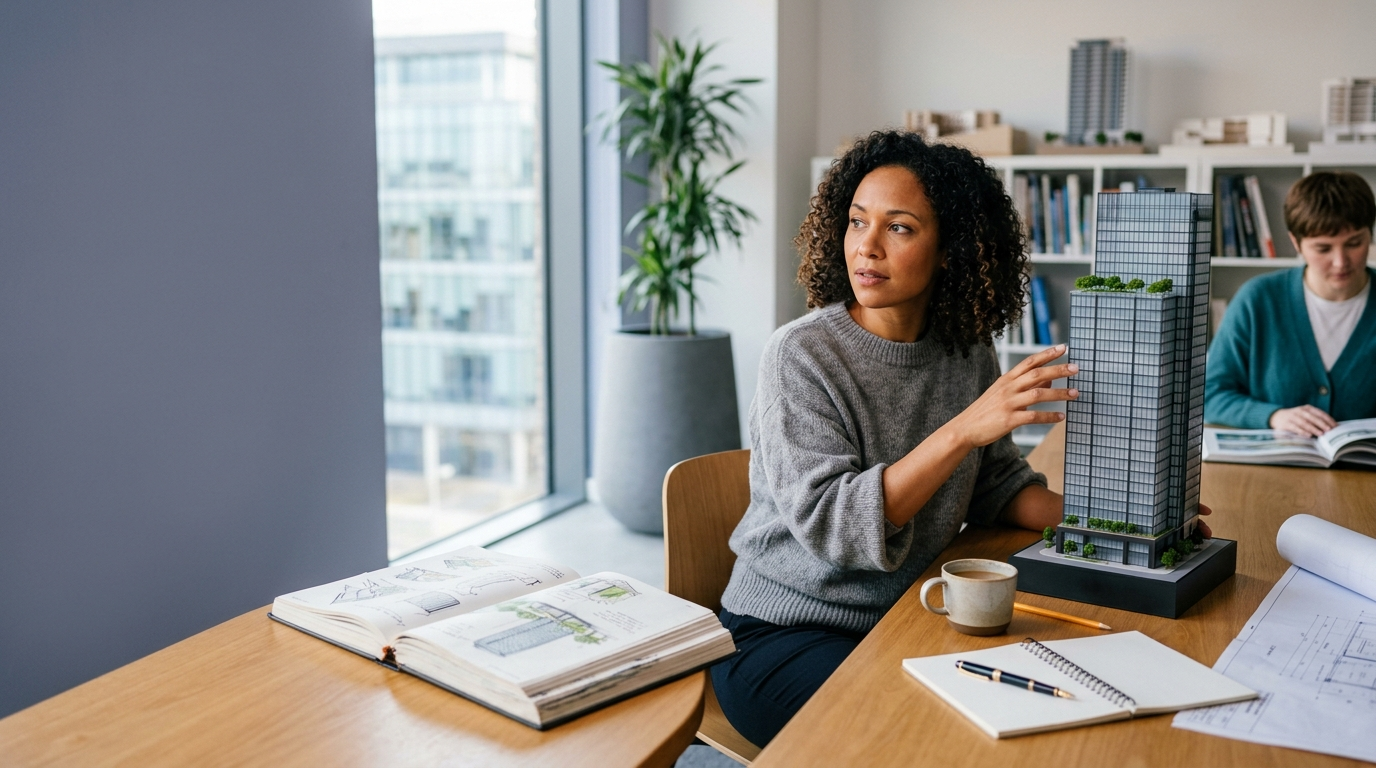
Những câu trả lời mẫu, được nghe cạnh nhau
Bắt đầu với câu trả lời đơn giản hơn, chuyển Band để nghe cách phát triển nhiệm vụ tương tự, sau đó ghi lại câu trả lời cá nhân. Đây là những ví dụ giảng dạy, không phải câu trả lời chính thức hoặc đảm bảo điểm số.
Phần 2 – Câu trả lời mẫu
Part 2 cue-card response
I want to talk about a tall building I like called Riverside Tower. It's used for offices and flats and has a small shopping area on the ground floor. It stands by the river in the city centre near the tram stop. The building is mostly glass and looks thin with terraces on some floors. I like it because it has plants on the balconies and an observation deck with nice views. It also has solar panels, so it feels modern and useful.
One tall building I really like is Riverside Tower, a mixed-use skyscraper on the bank of the main river in my city's centre. It's used for offices, luxury apartments and a public observation gallery on the top floor, plus a few shops and a small supermarket on the ground level for locals. The location is very convenient — it's right by the tram stop and several cafés, which makes it a lively spot. Architecturally, the tower has a slim, tapering silhouette with a glass and steel façade and stepped terraces planted with trees; at night it's lit with soft white LEDs. The greenery on the terraces is real — some trees are large enough to give shade in summer and attract birds. I like it because it manages to be striking without feeling arrogant, and it includes sustainable features like rainwater harvesting and solar panels on the roof. For example, the building's water system irrigates the gardens and reduces the need for mains water. The top-floor gallery offers panoramic views of the river and bridges, and visiting there always makes me appreciate the city. Overall it's a successful blend of function, aesthetics and community use, which is why I admire it. Every visit cheers me up.
Phần 3 - Câu trả lời mẫu
Are there many tall buildings in your country?
Yes, in the bigger cities there are quite a few tall buildings. The capital and other big towns have office towers and some residential high-rises. In smaller towns you won't see many; they usually have low-rise housing. The tall ones are mostly in business areas near trains and tram stops.
There are definitely clusters of tall buildings, but they're concentrated in major urban centres rather than spread evenly across the country. Cities with financial districts and major transport hubs tend to have office skyscrapers and newer residential towers, whereas historic towns preserve low-rise streets. Planning restrictions and land prices also shape where high-rises appear — it makes economic sense to build up close to good transport links.
What are the differences between those tall buildings in your country?
Tall buildings differ in style and use. Some are modern glass towers used by banks and companies. Others are older concrete apartment blocks. They also differ in height and how fancy the inside is.
The differences are quite marked: some are sleek, glass-clad office towers with high-tech facilities, while others are residential high-rises designed for density and affordability. You also get mixed-use developments combining shops, homes and offices, and heritage areas where any tall structure must respect the skyline. Materials, sustainability features and intended occupants all affect the design.
Why are different places laid out and designed differently?
Places are laid out differently because of history and how people live there. Some towns grew slowly so they are compact. Newer areas are planned with roads and parks. Climate and geography also matter.
Different places are designed according to a mix of factors: historical development, local climate, the economy and transport infrastructure. For instance, coastal towns might have promenades and low buildings to protect views, while industrial zones are laid out for vehicle access and storage. Planning policy and community priorities also influence the final shape.
What are the advantages of living in tall buildings?
Living in tall buildings has advantages. You often get good views and they are close to shops and transport. Many have security and shared facilities like gyms. They can save land in crowded cities.
There are several benefits to living in tall blocks: they maximise limited urban land, often provide excellent views and sunlight, and usually sit close to public transport and amenities. Many modern towers include concierge services, communal gyms and green roofs which foster a sense of community. They can also be more energy-efficient per occupant than spread-out housing.
Why do some people like to remodel and decorate their homes themselves?
Some people like to remodel themselves because it's cheaper. They enjoy DIY and making their home look the way they want. It can be relaxing and you learn skills.
Many people choose to redecorate or remodel themselves for several reasons: to save money, to personalise a space, or simply because DIY has become a popular hobby. Social media and online tutorials make projects seem achievable, and some enjoy the creative control and satisfaction of doing it themselves. It can also be a way to reuse materials and be more sustainable.
What kind of interior design style do most people like?
Most people like modern and simple interior styles. Neutral colours, clean lines and practical furniture are popular. Some people prefer traditional looks, but modern minimalism is common.
Contemporary tastes often lean towards clean, functional styles such as Scandinavian minimalism or modern contemporary design — light colours, natural materials and uncluttered spaces. However, there's also interest in mixing styles: industrial elements, vintage pieces and biophilic touches like lots of plants. Trends are influenced by magazines and platforms like Instagram, so people often aim for spaces that look both comfortable and photogenic.
Cách trả lời Mô tả một tòa nhà cao tầng bạn thích hoặc không thích câu hỏi IELTS Nói
Đối với thẻ gợi ý Mô tả một tòa nhà cao tầng mà bạn thích hoặc không thích, hãy sử dụng phút chuẩn bị để xây dựng lộ trình xuyên suốt bài nói. Chọn một chủ đề rõ ràng, thêm hai khoảnh khắc hoặc chi tiết cụ thể và kết thúc bằng lý do tại sao nó quan trọng. Sau đó sử dụng các câu hỏi Phần 3 được liên kết để thực hành giải thích và so sánh rộng hơn.
Lời nhắc của thẻ Cue:
- Nó được dùng để làm gì
- Nó ở đâu
- Nó trông như thế nào
- Và giải thích tại sao bạn thích hay không thích nó
- Mở đầu: xác định người, địa điểm, đồ vật hoặc sự kiện.
- Phát triển: mô tả hai chi tiết hoặc khoảnh khắc theo một trình tự hợp lý.
- Phần mở rộng: giải thích lý do, kết quả, so sánh hoặc vấn đề.
- Suy ngẫm: kết thúc bằng việc tại sao chủ đề lại đáng nhớ hoặc quan trọng.
Cách tiếp cận theo từng câu hỏi
| Câu hỏi thực hành | Câu trả lời hữu ích di chuyển |
|---|---|
| Are there many tall buildings in your country? | Đưa ra câu trả lời trực tiếp, một lý do và một ví dụ ngắn mà không cần ghi nhớ kịch bản. |
| What are the differences between those tall buildings in your country? | Đặt tên cho sự vật trước, sau đó mô tả một tính năng hoặc ví dụ cụ thể. |
| Why are different places laid out and designed differently? | Trả lời bằng một nguyên nhân chính, sau đó hỗ trợ nó bằng một ví dụ cụ thể. |
| What are the advantages of living in tall buildings? | Đặt tên cho sự vật trước, sau đó mô tả một tính năng hoặc ví dụ cụ thể. |
Trọng tâm từ vựng
Ngôn ngữ hữu ích đã được trình bày trong các câu trả lời mẫu bao gồm urban centres, financial district, planning restrictions, glass-clad, mixed-use, heritage areas, infrastructure, promenade. Tìm hiểu từng nghĩa và cách kết hợp từ tự nhiên, sau đó sử dụng mục đó trong câu trả lời mới thay vì sao chép toàn bộ văn bản.
Những lỗi thường gặp cần tránh
- Đưa ra một câu trả lời thuộc lòng mà chỉ trả lời được một phần câu hỏi.
- Bổ sung từ vựng khó mà không cần kiểm tra nghĩa hoặc sắp xếp thứ tự.
- Khởi động lại sau mỗi lỗi thay vì sửa nhanh và tiếp tục.
- Đọc câu trả lời mẫu trước khi ghi lại lần thử đầu tiên của bạn.
Mô tả một tòa nhà cao tầng mà bạn thích hoặc không thích thực hành Câu hỏi thường gặp
Tôi nên sử dụng phút chuẩn bị thẻ gợi ý Mô tả một tòa nhà cao tầng bạn thích hoặc không thích như thế nào?
Viết từ khóa cho phần mở đầu, hai hoặc ba chi tiết và suy ngẫm cuối cùng. Đừng cố gắng viết câu hoàn chỉnh.
Tôi có phải che từng viên đạn của thẻ gợi ý không?
Những lời nhắc giúp bạn tổ chức cuộc nói chuyện. Bao gồm chúng là hữu ích, nhưng một phản hồi mạch lạc từ một đến hai phút quan trọng hơn việc đánh dấu từng dòng một cách máy móc.
Các câu hỏi của Phần 3 được kết nối với Phần 2 như thế nào?
Chúng phát triển cùng một chủ đề rộng thông qua các lý do, so sánh, hiệu ứng xã hội hoặc khả năng trong tương lai, vì vậy các câu trả lời thường cần được giải thích nhiều hơn Phần 1.
