
IELTS Berbicara Bagian 2 & 3: Describe a tall building you like or dislike
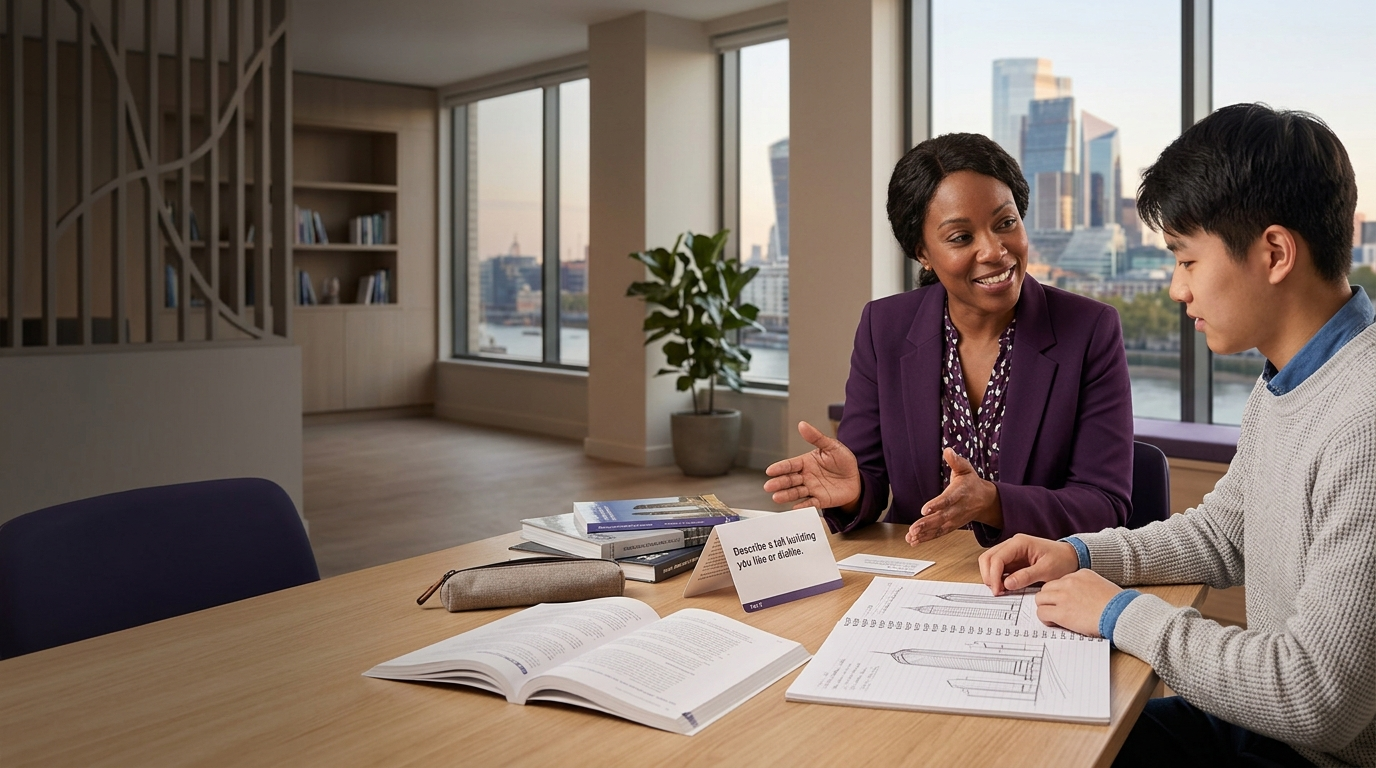
Bagian 2 kartu isyarat
Describe a tall building you like or dislike
Anda harus mengatakan:
- Untuk apa itu digunakan
- Dimana itu
- Seperti apa bentuknya
- Dan jelaskan mengapa Anda menyukai atau tidak menyukainya
Anda memiliki waktu satu hingga dua menit untuk membicarakan topik ini.
Baca transkrip lengkapnya
One tall building I really like is Riverside Tower, a mixed-use skyscraper on the bank of the main river in my city's centre. It's used for offices, luxury apartments and a public observation gallery on the top floor, plus a few shops and a small supermarket on the ground level for locals. The location is very convenient — it's right by the tram stop and several cafés, which makes it a lively spot. Architecturally, the tower has a slim, tapering silhouette with a glass and steel façade and stepped terraces planted with trees; at night it's lit with soft white LEDs. The greenery on the terraces is real — some trees are large enough to give shade in summer and attract birds. I like it because it manages to be striking without feeling arrogant, and it includes sustainable features like rainwater harvesting and solar panels on the roof. For example, the building's water system irrigates the gardens and reduces the need for mains water. The top-floor gallery offers panoramic views of the river and bridges, and visiting there always makes me appreciate the city. Overall it's a successful blend of function, aesthetics and community use, which is why I admire it. Every visit cheers me up.
Status persiapan: Siklus topik yang diprediksi. Sumber latihan mandiri ini bukan makalah IELTS resmi, dan soal-soal dalam tes Anda bisa berbeda. Bagaimana topik diberi label.
Bagian 3 pertanyaan diskusi
Pindahkan pertanyaan satu per satu: dengarkan, jawab, bandingkan, dan coba lagi. Teks pertanyaan lengkap tetap ada di halaman HTML untuk aksesibilitas dan pencarian.
- 01Are there many tall buildings in your country?
- 02What are the differences between those tall buildings in your country?Full Band 6/7 answer →
- 03Why are different places laid out and designed differently?
- 04What are the advantages of living in tall buildings?
- 05Why do some people like to remodel and decorate their homes themselves?
- 06What kind of interior design style do most people like?
Lihat topiknya sebelum Anda berbicara
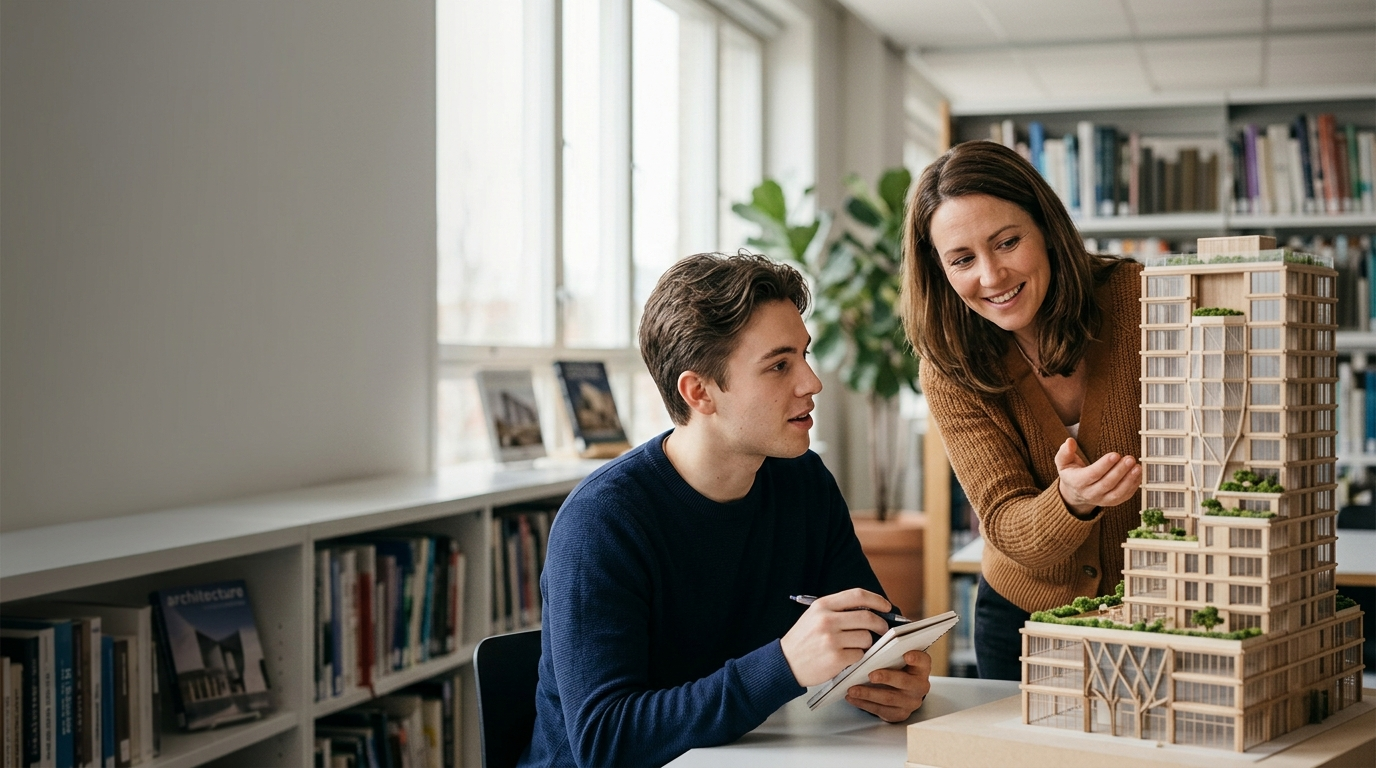
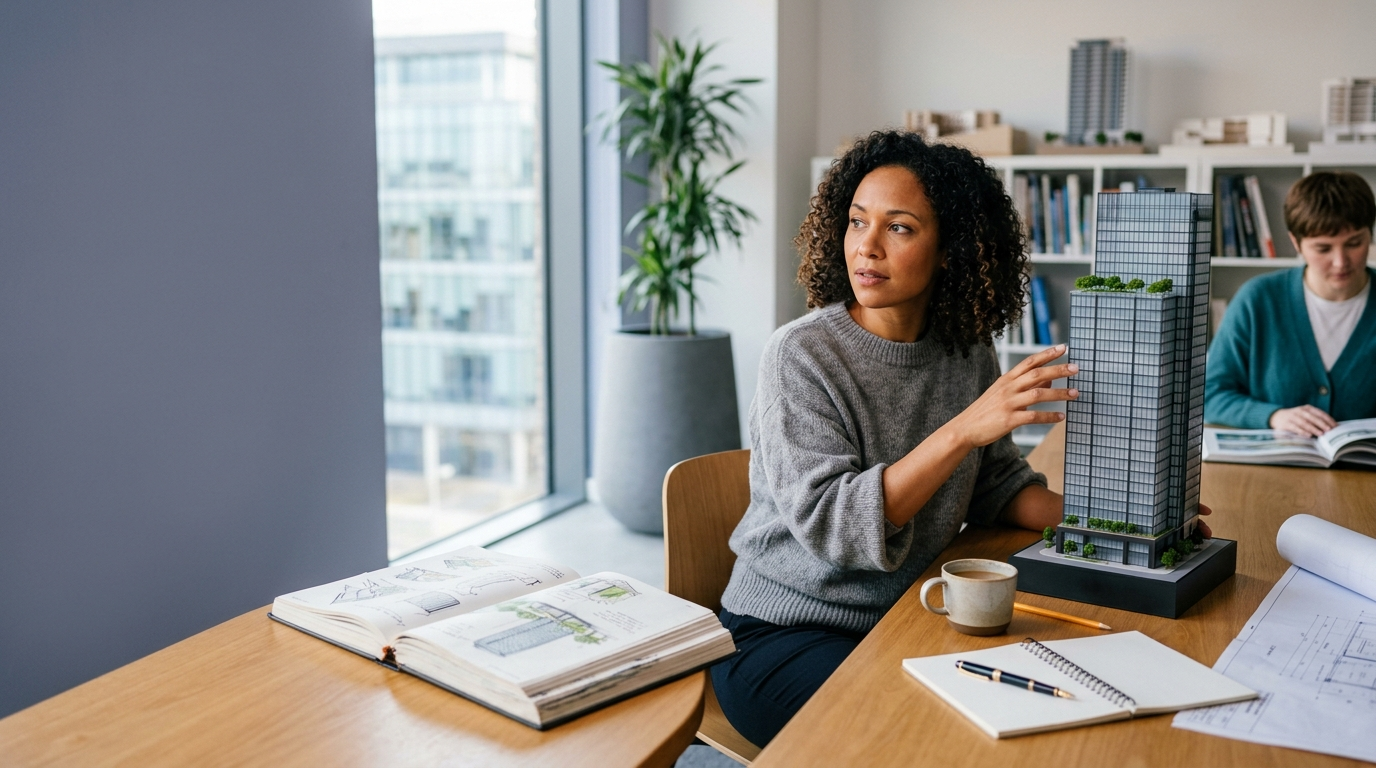
Gunakan gambar sebagai petunjuk ide. Jelaskan apa yang Anda perhatikan, hubungkan dengan pengalaman Anda, lalu jawab pertanyaan sebenarnya.
Jawaban model, terdengar berdampingan
Mulailah dengan jawaban yang lebih sederhana, alihkan Band untuk mendengarkan bagaimana tugas yang sama dapat dikembangkan, lalu catat tanggapan pribadi. Ini adalah contoh pengajaran, bukan jawaban resmi atau jaminan skor.
Bagian 2 — Jawaban Model
Part 2 cue-card response
I want to talk about a tall building I like called Riverside Tower. It's used for offices and flats and has a small shopping area on the ground floor. It stands by the river in the city centre near the tram stop. The building is mostly glass and looks thin with terraces on some floors. I like it because it has plants on the balconies and an observation deck with nice views. It also has solar panels, so it feels modern and useful.
One tall building I really like is Riverside Tower, a mixed-use skyscraper on the bank of the main river in my city's centre. It's used for offices, luxury apartments and a public observation gallery on the top floor, plus a few shops and a small supermarket on the ground level for locals. The location is very convenient — it's right by the tram stop and several cafés, which makes it a lively spot. Architecturally, the tower has a slim, tapering silhouette with a glass and steel façade and stepped terraces planted with trees; at night it's lit with soft white LEDs. The greenery on the terraces is real — some trees are large enough to give shade in summer and attract birds. I like it because it manages to be striking without feeling arrogant, and it includes sustainable features like rainwater harvesting and solar panels on the roof. For example, the building's water system irrigates the gardens and reduces the need for mains water. The top-floor gallery offers panoramic views of the river and bridges, and visiting there always makes me appreciate the city. Overall it's a successful blend of function, aesthetics and community use, which is why I admire it. Every visit cheers me up.
Bagian 3 - Jawaban Model
Are there many tall buildings in your country?
Yes, in the bigger cities there are quite a few tall buildings. The capital and other big towns have office towers and some residential high-rises. In smaller towns you won't see many; they usually have low-rise housing. The tall ones are mostly in business areas near trains and tram stops.
There are definitely clusters of tall buildings, but they're concentrated in major urban centres rather than spread evenly across the country. Cities with financial districts and major transport hubs tend to have office skyscrapers and newer residential towers, whereas historic towns preserve low-rise streets. Planning restrictions and land prices also shape where high-rises appear — it makes economic sense to build up close to good transport links.
What are the differences between those tall buildings in your country?
Tall buildings differ in style and use. Some are modern glass towers used by banks and companies. Others are older concrete apartment blocks. They also differ in height and how fancy the inside is.
The differences are quite marked: some are sleek, glass-clad office towers with high-tech facilities, while others are residential high-rises designed for density and affordability. You also get mixed-use developments combining shops, homes and offices, and heritage areas where any tall structure must respect the skyline. Materials, sustainability features and intended occupants all affect the design.
Why are different places laid out and designed differently?
Places are laid out differently because of history and how people live there. Some towns grew slowly so they are compact. Newer areas are planned with roads and parks. Climate and geography also matter.
Different places are designed according to a mix of factors: historical development, local climate, the economy and transport infrastructure. For instance, coastal towns might have promenades and low buildings to protect views, while industrial zones are laid out for vehicle access and storage. Planning policy and community priorities also influence the final shape.
What are the advantages of living in tall buildings?
Living in tall buildings has advantages. You often get good views and they are close to shops and transport. Many have security and shared facilities like gyms. They can save land in crowded cities.
There are several benefits to living in tall blocks: they maximise limited urban land, often provide excellent views and sunlight, and usually sit close to public transport and amenities. Many modern towers include concierge services, communal gyms and green roofs which foster a sense of community. They can also be more energy-efficient per occupant than spread-out housing.
Why do some people like to remodel and decorate their homes themselves?
Some people like to remodel themselves because it's cheaper. They enjoy DIY and making their home look the way they want. It can be relaxing and you learn skills.
Many people choose to redecorate or remodel themselves for several reasons: to save money, to personalise a space, or simply because DIY has become a popular hobby. Social media and online tutorials make projects seem achievable, and some enjoy the creative control and satisfaction of doing it themselves. It can also be a way to reuse materials and be more sustainable.
What kind of interior design style do most people like?
Most people like modern and simple interior styles. Neutral colours, clean lines and practical furniture are popular. Some people prefer traditional looks, but modern minimalism is common.
Contemporary tastes often lean towards clean, functional styles such as Scandinavian minimalism or modern contemporary design — light colours, natural materials and uncluttered spaces. However, there's also interest in mixing styles: industrial elements, vintage pieces and biophilic touches like lots of plants. Trends are influenced by magazines and platforms like Instagram, so people often aim for spaces that look both comfortable and photogenic.
Cara menjawab Jelaskan pertanyaan IELTS Speaking tentang gedung tinggi yang Anda suka atau tidak suka
Untuk kartu isyarat Jelaskan gedung tinggi yang Anda suka atau tidak suka, gunakan menit persiapan untuk membuat rute melalui pembicaraan. Pilih subjek yang jelas, tambahkan dua momen atau detail spesifik, dan akhiri dengan alasan mengapa hal itu penting. Kemudian gunakan pertanyaan Bagian 3 yang tertaut untuk melatih penjelasan dan perbandingan yang lebih luas.
Perintah kartu isyarat:
- Untuk apa itu digunakan
- Dimana itu
- Seperti apa bentuknya
- Dan jelaskan mengapa Anda menyukai atau tidak menyukainya
- Pembukaan: mengidentifikasi orang, tempat, benda atau peristiwa.
- Perkembangan: mendeskripsikan dua detail atau momen dalam urutan yang logis.
- Ekstensi: menjelaskan alasan, hasil, perbandingan atau masalah.
- Refleksi: akhiri dengan alasan mengapa subjek tersebut berkesan atau penting.
Pendekatan pertanyaan demi pertanyaan
| Soal latihan | Langkah jawaban yang berguna |
|---|---|
| Are there many tall buildings in your country? | Berikan jawaban langsung, satu alasan dan contoh singkat tanpa harus hafal naskahnya. |
| What are the differences between those tall buildings in your country? | Beri nama bendanya terlebih dahulu, lalu jelaskan fitur atau contoh spesifiknya. |
| Why are different places laid out and designed differently? | Jawab dengan satu penyebab utama, lalu dukung dengan contoh konkrit. |
| What are the advantages of living in tall buildings? | Beri nama bendanya terlebih dahulu, lalu jelaskan fitur atau contoh spesifiknya. |
Fokus kosakata
Bahasa yang berguna sudah ditunjukkan dalam model jawaban yang disertakan urban centres, financial district, planning restrictions, glass-clad, mixed-use, heritage areas, infrastructure, promenade. Pelajari setiap arti dan hubungan kata yang alami, lalu gunakan item tersebut dalam jawaban baru alih-alih menyalin naskah lengkap.
Kesalahan umum yang harus dihindari
- Memberikan respon hafalan yang hanya menjawab sebagian pertanyaan.
- Menambah kosakata sulit tanpa memeriksa makna atau kolokasi.
- Memulai ulang setelah setiap kesalahan alih-alih mengoreksi sebentar dan melanjutkan.
- Membaca jawaban model sebelum merekam upaya pertama Anda.
Jelaskan FAQ latihan gedung tinggi yang Anda suka atau tidak suka
Bagaimana cara menggunakan menit persiapan kartu isyarat Jelaskan gedung tinggi yang Anda suka atau tidak suka?
Tulis kata kunci untuk pembukaan, dua atau tiga detail, dan refleksi akhir. Jangan mencoba menulis kalimat lengkap.
Apakah saya harus menutupi setiap poin di kartu petunjuk?
Petunjuknya membantu Anda mengatur pembicaraan. Meliputinya memang berguna, tetapi respons yang koheren selama satu hingga dua menit lebih penting daripada mencentang setiap baris secara mekanis.
Bagaimana pertanyaan Bagian 3 terhubung dengan Bagian 2?
Mereka mengembangkan tema luas yang sama melalui alasan, perbandingan, dampak sosial atau kemungkinan masa depan, sehingga jawaban biasanya memerlukan penjelasan lebih banyak daripada Bagian 1.
