
雅思口语 Part 2 与 Part 3:Describe a home that you like to visit but do not want to live in
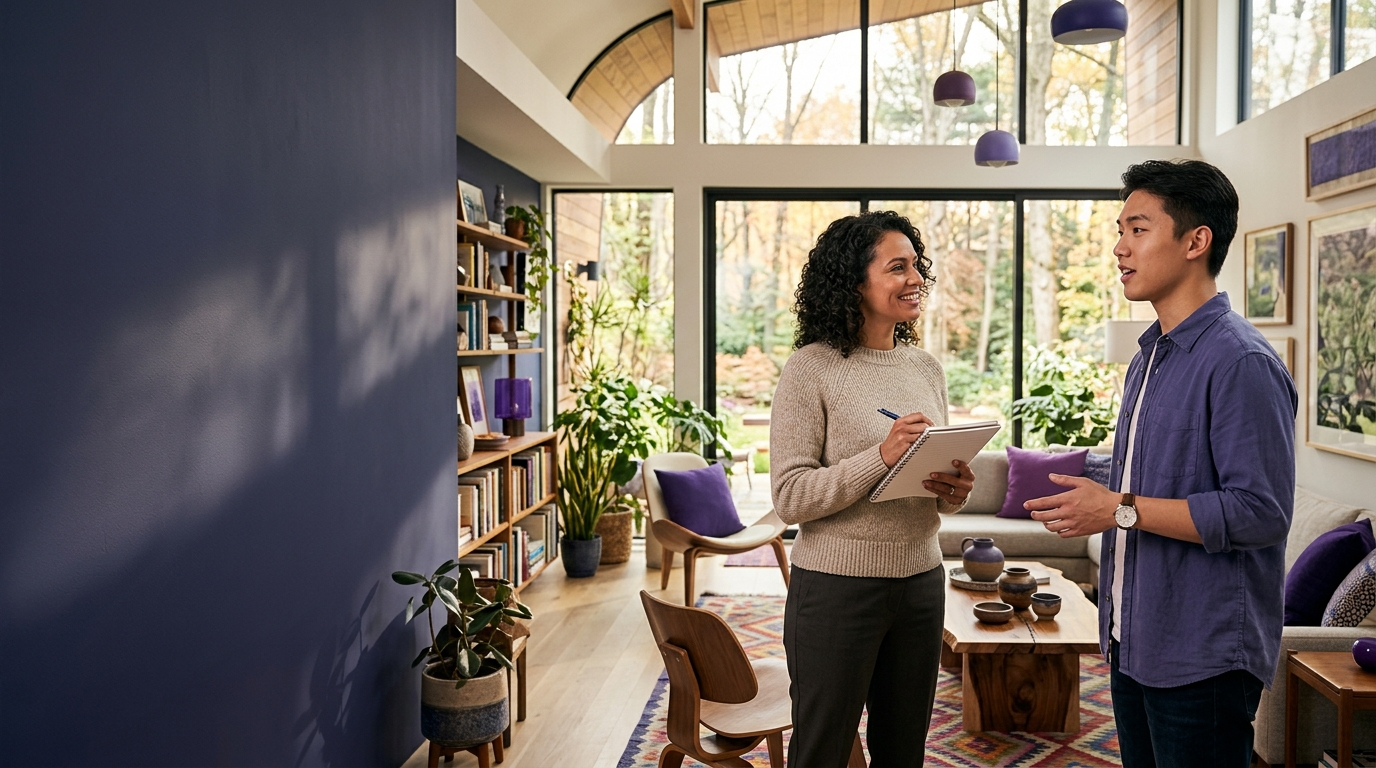
Part 2 话题卡
Describe a home that you like to visit but do not want to live in
你需要谈到:
- 它在哪里
- 它是什么样的
- 为什么你喜欢参观它
- 并解释为什么你不想住在那里
你需要围绕这个话题作答一到两分钟。
阅读完整的文字记录
康沃尔海岸有一座挡风雨板小屋,我喜欢参观,但不想永久居住。它距离我的城市大约两个小时,坐落在被风吹过的悬崖上,可以看到海湾的美景。小屋本身很舒适,略带乡村气息,有低梁、燃木火炉和小厨房,里面摆满了几十年来收集的不匹配的家具。我喜欢拜访,因为它迫使我放慢脚步,远离电子邮件和噪音;沿着沙滩有很长的步道,新鲜的空气使我的头脑清醒。例如,在我上次旅行中,我沿着海岸小路走了五英里,感觉完全神清气爽。但我不想住在那里,因为它很偏远,对日常生活来说不切实际——最近的超市距离酒店有半小时路程,而且宽带也不可靠。此外,小屋通风良好且狭小,因此在冬季很难在家工作或定期接待朋友。因此,它非常适合短暂的恢复性休息,但不适合长期生活。
备考状态:预测题季。本页面为独立备考资源,并非 IELTS 官方试卷;实际考试题目可能不同。 话题标签说明.
Part 3 讨论题
每次练习一道题:听题、作答、对照并重试。为便于无障碍访问和搜索,页面 HTML 中会保留完整英文题目。
- 01Do Chinese people like to visit others' homes?
- 02What do Chinese people do when they visit others?
- 03What kind of place do people in your country like to live in?
- 04What's the difference between homes in cities and those in the countryside?
- 05What kind of gifts do people usually bring when they visit others?
- 06How often do you visit your relatives or friends?
开口前先熟悉话题
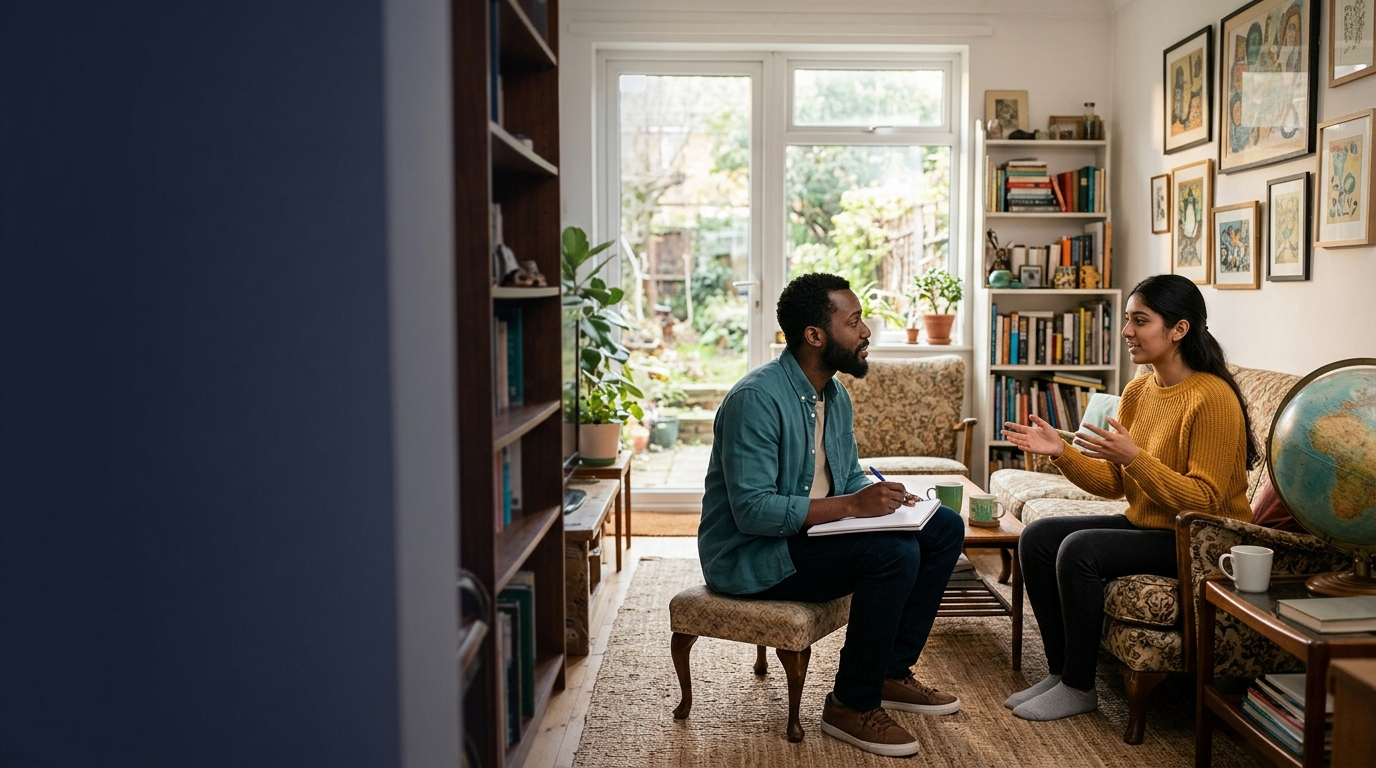
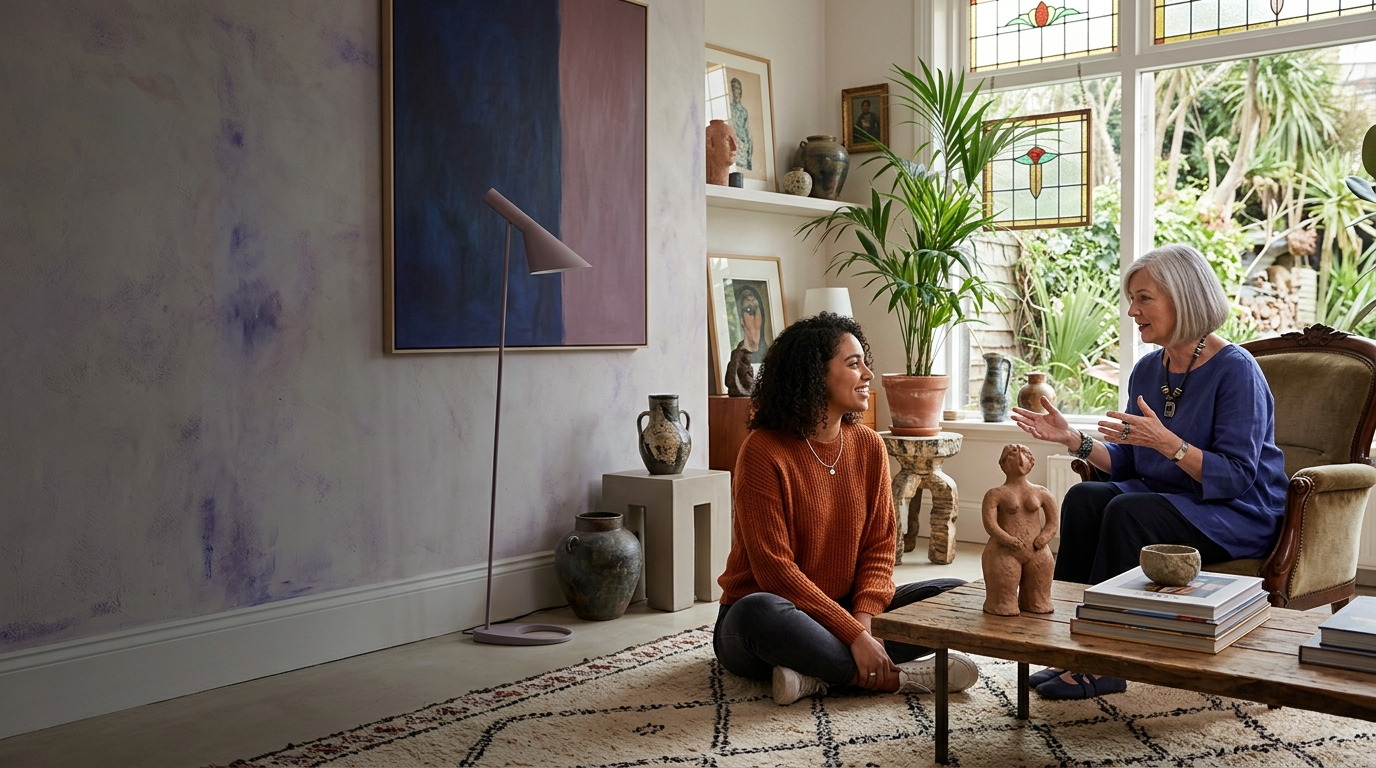
使用图像作为想法提示。描述您注意到的内容,将其与您的经历联系起来,然后回答真正的问题。
对照聆听参考答案
先听较简单的答案,再切换 Band 对照同一道题如何展开,最后录制你自己的回答。这些内容仅为教学示例,不是官方答案,也不保证对应分数。
Part 2 — 参考答案
Part 2 cue-card response
There is a house I like to visit but I wouldn't live in. It's my aunt's small seaside cottage about two hours from here. The cottage is old, with low ceilings, wooden floors and a tiny kitchen. I enjoy visiting because it's peaceful; we go to the beach, have barbecues and talk a lot. I like the fresh air and the view of the sea. But I wouldn't live there because it's too remote, the rooms are small and the heating is poor in winter. I prefer a bigger, warmer place in the city.
I like to visit a converted loft apartment in the creative quarter of my city's centre. It's owned by an old university friend who moved there when they became a designer. It's a short walk from a park and several cafés, so it's easy to get to. The building used to be a factory and now it's a tall open-plan space with big windows, bare brick walls and a mezzanine bedroom. There are plants by the windows, a massive wooden table for dinner and an impressive collection of books and art on the walls, which always gives it a warm, lived-in feel. I enjoy going there because the atmosphere feels inspiring and relaxed; we usually talk late into the night about projects and ideas. Also, my friend cooks great meals and the layout makes socialising easy, as everyone gathers in one big room. Despite all that, I wouldn't want to live there myself. The apartment is very noisy — you can hear traffic and people in the street below — and it's surprisingly cold in winter because of the large windows. It also lacks storage and private rooms, which would be a problem for day-to-day life; I prefer somewhere quieter with separate spaces for work and rest. It would also be too expensive to rent long-term.
I often visit a small lakeside cottage owned by some old family friends about an hour's drive from town. Nestled among trees on the edge of a quiet lake, the cottage is low and wooden with a creaky porch, a little garden and enormous windows that frame the water. Inside, there are comfortable armchairs, a wood-burning stove, shelves filled with board games and a scattering of mismatched crockery that gives it a cosy, lived-in character. I like going there because everything slows down: we take long walks by the shore, cook simple dinners together and sit up late watching storm-clouds roll over the hills. One winter evening, for example, we stayed up drinking hot chocolate and listening to rain on the roof — it felt restorative. Even so, I couldn't imagine living there permanently. The house is cold and damp for much of the year, heating is inefficient and the nearest supermarket is twenty miles away, which makes daily life inconvenient. Furthermore, the isolation that makes it idyllic for short stays would feel claustrophobic long-term; I value access to cultural events, work opportunities and friends' company that only a town or city can provide.
Part 3 — 参考答案
Do Chinese people like to visit others' homes?
Yes, many Chinese people do like to visit others' homes. Visiting is a way to see family and friends and to stay in touch. People often go for meals or festivals, and sometimes just to chat. But in big cities people may not visit as often because they are busy with work.
Generally speaking, visiting is an important part of social life in China. Family ties are strong, so people go to relatives' houses for festivals like Lunar New Year or for birthdays, and those visits are often quite formal. At the same time, urban lifestyles mean younger people sometimes prefer meeting in cafés or bars, so habits are changing. Hospitality and face-to-face conversation still matter, though — especially when elders are involved.
Yes — visiting remains a culturally significant practice, though the pattern varies by generation and location. Older people and those in rural areas tend to prioritise in‑person home visits for maintaining family bonds and showing respect, whereas many younger urbanites balance home calls with socialising outside the home or using messaging apps. Economic pressures and long working hours have reduced the frequency of visits for some, but when visits do happen they often carry clear social meanings around obligation, hospitality and reciprocity.
What do Chinese people do when they visit others?
When people visit they usually chat and have a meal together. Guests might bring food or fruit. Sometimes they play cards or watch TV. If it is a special day, they might stay longer.
Typically, a visit centres on food and conversation: guests bring a dish or a small gift, sit down for tea or a shared meal, and talk for a while. In many homes people also help with preparing food or clearing up, which is seen as polite. For longer visits, families may play games, look through photo albums or take a walk together — it depends on the situation.
What happens during a visit depends on the occasion and the relationship between host and guest. For casual calls people will exchange greetings, enjoy tea and perhaps a snack, and catch up; for more formal visits you'll often see ritual elements such as offering seats to elders, exchanging modest gifts and sitting down to a multi‑course meal. In some regions guests contribute by helping in the kitchen or bringing items to share, which reinforces communal bonds.
What kind of place do people in your country like to live in?
People in my country like to live somewhere comfortable and convenient. Many want a house with a garden or a flat near work. Good schools and shops nearby are important. People often prefer quieter neighbourhoods.
In my country the ideal home usually combines convenience and comfort: good transport links, access to shops and quality local schools are top priorities for families. Younger people often favour flats in the city for short commutes and nightlife, while families tend to look for houses with gardens in the suburbs. Affordability and proximity to work are increasingly decisive factors.
Preferences depend on life stage and income, but there are clear trends: many aspire to homes that balance accessibility with quality of life — for example, properties near good schools, public transport and green spaces. Professionals value compact city living for shorter commutes, whereas parents often seek suburban terraces or semi‑detached houses with gardens. Recent shifts — remote work and rising housing costs — are reshaping demand, with more people choosing flexible locations that offer both community and practicality.
What's the difference between homes in cities and those in the countryside?
Homes in cities are often flats and smaller. Countryside homes are usually bigger and have gardens. City homes are noisy and busy, while the countryside is quiet. Services like shops are nearer in cities.
City homes tend to be smaller, often flats or terraced houses, with limited outdoor space but easy access to shops, transport and entertainment. Countryside homes generally offer more space, a garden and a quieter environment, but services can be farther away and commutes longer. The style and age of properties also differ: older cottages in the country versus newer apartments in urban areas.
The contrast is both physical and social: urban dwellings prioritise density and accessibility — compact flats, apartments above shops and purpose‑built developments — while rural homes emphasise space, private gardens and a calmer atmosphere. This affects lifestyles: city residents benefit from proximity to work and cultural amenities, whereas country dwellers trade convenience for tranquillity and stronger local community ties. Energy efficiency, maintenance costs and transport dependency are other important differences to consider.
What kind of gifts do people usually bring when they visit others?
People usually bring food, fruit or flowers when they visit. Sometimes they bring wine or a small present. If it's a special event they might give something more valuable.
Common gifts are flowers, a bottle of wine, homemade food or a box of pastries — items that are easy to share with everyone. For more formal visits it's polite to choose something tasteful and not too personal, like good tea or nice biscuits. Presentation matters too; wrapping shows thought and respect.
Gifts are often practical and shareable — for example, a dessert, a bottle of wine or a nicely packaged box of tea — since hosts typically distribute them among guests. Etiquette matters: gifts should be modest, well presented and culturally appropriate; certain items or colours can be unsuitable on particular occasions. In some contexts monetary gifts in an envelope are normal, while in others a personal homemade item may be more appreciated — adapting to the host's preferences is the key.
How often do you visit your relatives or friends?
I visit my relatives about once a month or less if they live far away. I see close friends at the weekend sometimes. Work and distance make visits less often.
I try to visit my close relatives roughly once a month, though that varies — during holidays or special events I see them more often. Friends I meet more casually, usually at weekends or for an evening out. Work commitments and geography influence how often I can visit, so I also use phone or video calls sometimes.
It depends on who and where they are: I tend to see local family members every few weeks, whereas relatives who live farther away are usually visited only for major holidays or family gatherings. My friends and I meet more frequently, often at the weekend, but the rhythm has changed with work patterns and family life. Technology helps bridge the gaps, yet in‑person visits still carry greater emotional weight, so I try to prioritise those when possible.
雅思口语问题如何回答描述一个你喜欢参观但不想居住的家
对于“描述您喜欢参观但不想居住的家”提示卡,请利用准备时间在演讲中建立一条路线。选择一个明确的主题,添加两个特定的时刻或细节,最后说明为什么它很重要。然后使用链接的第 3 部分问题来练习更广泛的解释和比较。
提示卡提示:
- 它在哪里
- 它是什么样的
- 为什么你喜欢参观它
- 并解释为什么你不想住在那里
- 开头:指出人物、地点、物体或事件。
- 发展:按逻辑顺序描述两个细节或时刻。
- 扩展:解释原因、结果、比较或问题。
- 反思:以为什么该主题令人难忘或重要来结束。
逐题练习方法
| 练习题 | 实用作答方法 |
|---|---|
| Do Chinese people like to visit others' homes? | 给出一个直接的答案、一个原因和一个简短的例子,无需记住脚本。 |
| What do Chinese people do when they visit others? | 首先命名事物,然后描述特定的功能或示例。 |
| What kind of place do people in your country like to live in? | 首先命名事物,然后描述特定的功能或示例。 |
| What's the difference between homes in cities and those in the countryside? | 首先命名事物,然后描述特定的功能或示例。 |
重点词汇
模型答案中已经展示的有用语言包括 hospitality (friendly, generous reception of guests), generational (relating to different age groups), reciprocity (mutual exchange of favours), ritual (a customary practice), modest (not large or showy), catch up (informal: exchange news), affordability (how affordable something is), commute (regular travel to work)。学习每个含义和自然的单词伙伴关系,然后在新的答案中使用该项目,而不是复制完整的脚本。
需要避免的常见问题
- 给出的记忆答案只能部分回答问题。
- 添加困难的词汇而不检查含义或搭配。
- 每次错误后重新启动,而不是短暂纠正并继续。
- 在记录您自己的第一次尝试之前,请先阅读标准答案。
描述一个您喜欢参观但不想实际居住的房屋
我应该如何使用提示卡准备分钟描述您喜欢参观但不想居住的房屋?
为开头、两三个细节和最后的反思写下关键词。不要试图写出完整的句子。
我必须覆盖所有提示卡项目符号吗?
提示可以帮助您组织演讲。涵盖它们是有用的,但是一到两分钟的连贯响应比机械地勾选每一行更重要。
第 3 部分的问题与第 2 部分有何关联?
他们通过原因、比较、社会影响或未来的可能性发展出相同的广泛主题,因此答案通常需要比第 1 部分更多的解释。
