
IELTS 말하기 파트 1: Home and Accommodation 질문 및 답변
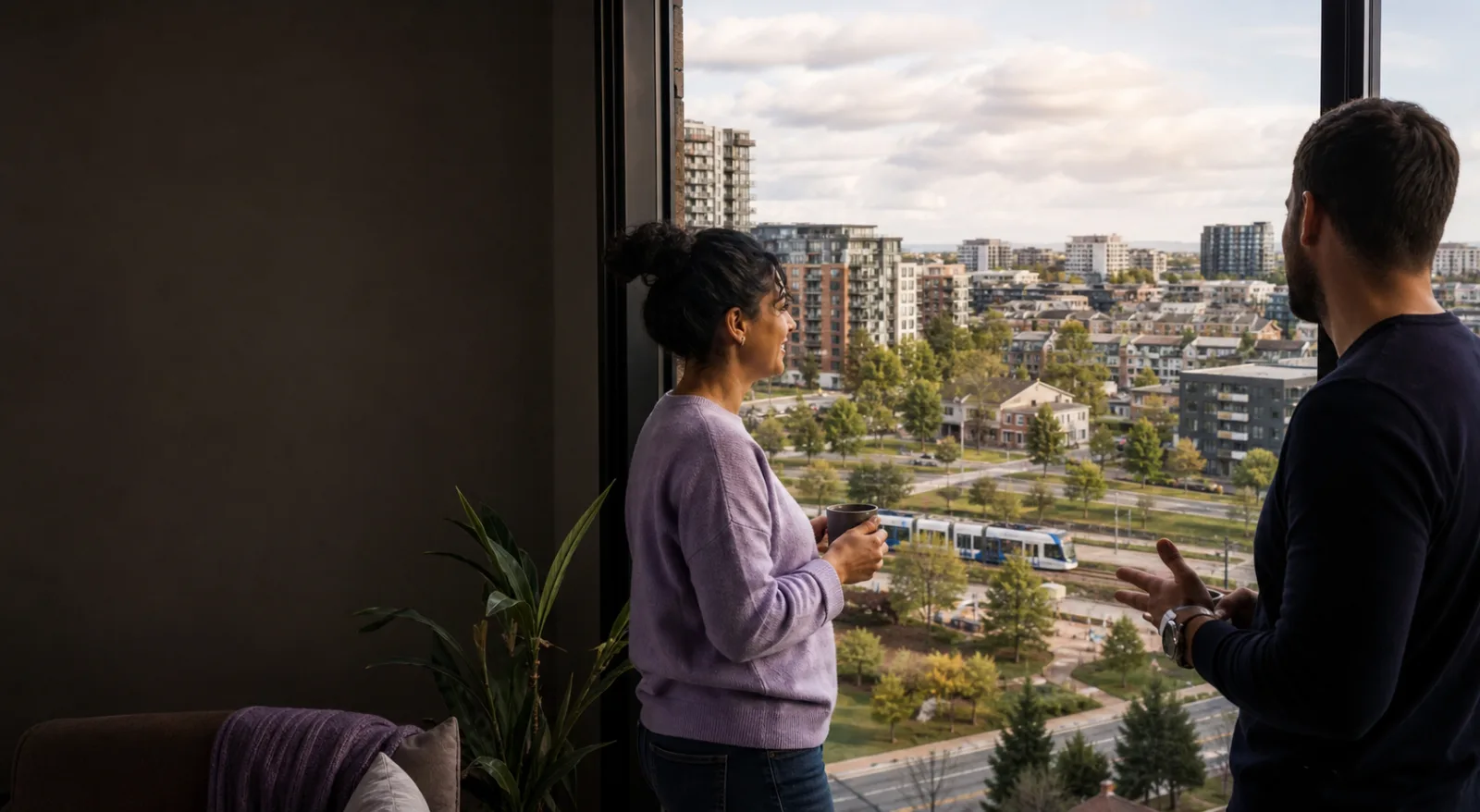
집과 숙소는 친숙한 Part 1 테마입니다. 이 늘 유용한 안내서를 사용하여 현재 살고 있는 집의 유형, 주변 지역, 좋아하는 것, 바꿀 것, 미래에 살 수 있는 곳을 설명하는 연습을 해보세요.
집과 숙소 파트 1 질문
한 번에 하나의 질문을 이동하세요. 듣고, 대답하고, 비교하고, 다시 시도하세요. 전체 질문 텍스트는 접근성 및 검색을 위해 페이지 HTML에 남아 있습니다.
- 01Do you live in a house or an apartment?Full Band 6/7 answer →
- 02Can you describe the place where you live?Full Band 6/7 answer →
- 03How long have you lived there?Full Band 6/7 answer →
- 04What do you like most about your home?
- 05What is the area or neighbourhood like?
- 06Is there anything you would like to change about your home or area?
- 07Do you plan to continue living there in the future?
- 08What kind of home would you like to live in one day?
실습 상태: Evergreen Part 1 가이드. Home은 공식 IELTS 준비 자료에서 친숙한 Speaking Part 1 테마로 명명되었습니다. 이 페이지의 모델 답변과 교육 노트는 공식 테스트 답변이 아닌 독립적인 IELTSpeaking 예시입니다. 공식 형식 소스 보기.
모델 답변을 나란히 들음
더 간단한 답변부터 시작하여 Band를 전환하여 동일한 작업이 어떻게 개발될 수 있는지 듣고 개인 응답을 녹음하세요. 이것은 공식적인 답변이나 점수 보장이 아닌 교육용 예시입니다.
Do you live in a house or an apartment?
I live in a two-bedroom apartment with my parents. It is on the sixth floor of a fairly new building, about twenty minutes from the city centre. It is not very large, but it has enough space for the three of us.
I live with my parents in a two-bedroom apartment on the sixth floor of a modern residential block. It is in a well-connected suburb, so the city centre is roughly twenty minutes away by metro. The flat is fairly compact, but the layout makes good use of the available space.
Can you describe the place where you live?
My apartment has a living room, a small kitchen, two bedrooms and one bathroom. It is quite bright because the main windows face south. The furniture is simple, and we have a small balcony with a few plants.
It is a bright, practical apartment with an open-plan living area, two modest bedrooms and a narrow balcony overlooking a row of trees. We have kept the furniture quite minimal, which stops the rooms from feeling crowded. My favourite feature is the natural light we get in the afternoon.
How long have you lived there?
I have lived there for about five years. My family moved in when I started university because our old home was too far from campus. I am used to the area now, and most of the places I need are nearby.
I have been living there for just over five years. We moved when I began university, mainly to shorten my commute and be closer to public transport. At first the neighbourhood felt unfamiliar, but it gradually became home as I discovered the local shops and got to know a few neighbours.
What do you like most about your home?
The best thing is the location. There is a metro station near my building, as well as a supermarket and a park. It is easy to get to work, and I can go for a walk without travelling far.
What I value most is the combination of convenience and quiet. The metro, grocery shops and a public park are all within walking distance, yet our building is set back from the main road. That means my commute is straightforward without having to put up with much traffic noise at home.
What is the area or neighbourhood like?
It is a quiet residential area with a mix of families and older people. There are several small shops, cafés and a primary school. It can get busy in the morning, but in the evening it is usually peaceful.
It is a fairly settled residential neighbourhood with tree-lined streets and a mixture of apartment blocks and older houses. Most daily essentials are available locally, and there is a friendly community feel because people recognise one another. The only busy period is the morning school run.
Is there anything you would like to change about your home or area?
I would like a larger kitchen because two people cannot cook comfortably at the same time. In the area, I think there should be more bicycle parking. Apart from those things, I am happy living there.
If I could change one thing inside the flat, I would make the kitchen slightly more spacious, as it becomes cramped whenever two of us cook together. As for the neighbourhood, secure bicycle storage would be useful. They are small improvements, though, rather than reasons to move.
Do you plan to continue living there in the future?
I will probably stay there for another year or two because it is affordable and convenient for work. Later, I may move closer to the city centre if I find a better job, but I have not made a firm plan yet.
For the next couple of years, I expect to stay because the rent is manageable and the location suits my current job. In the longer term, I would consider moving somewhere more central, particularly if my work situation changes. At the moment, though, there is no urgent reason to leave.
What kind of home would you like to live in one day?
I would like to live in a medium-sized house near a park. I do not need a huge home, but I would like a garden and a quiet room where I could work. Good public transport would also be important.
My ideal home would be a modest, energy-efficient house on the edge of a city. I would want a small garden, a dedicated workspace and plenty of daylight rather than lots of extra rooms. The main priority would be finding a peaceful street that still has reliable public transport nearby.
당신이 사는 곳에 대한 질문에 대답하는 방법
요청된 정확한 정보를 먼저 제시한 다음, 하나의 구체적인 세부 사항으로 개인적인 답변을 작성하세요. 예를 들어, 위치를 설명하기 전에 집의 유형을 식별하십시오. 이사한 이유를 설명하기 전에 시간을 주세요. 또는 그것이 당신에게 중요한 이유를 설명하기 전에 하나의 기능을 지정하십시오.
- 답변: 집, 기능, 선호 사항 또는 계획을 직접 명시하십시오.
- 다음을 찾으세요: 크기, 레이아웃, 지역, 운송 또는 시간에 대한 유용한 세부 정보를 추가합니다.
- 설명하세요: 한 가지 이유, 효과, 대조 또는 짧은 개인적인 예를 들어보십시오.
- 자연스럽게 멈추세요: 익숙한 파트 1 질문을 준비된 연설로 바꾸지 마십시오.
유용한 집 및 숙박 관련 어휘
완전한 단어 파트너십으로 이러한 항목을 배우십시오. 답변을 기록하기 전에 예시 세부정보를 자신의 집에 대한 정보로 바꾸세요.
| 단어 또는 문구 | 의미 | 자연스러운 배열 | 예 |
|---|---|---|---|
| 숙소 | 누군가가 살거나 머무르는 곳 | 학생 숙소 / 임대 숙소 | 현재 직장 근처 임대주택에 거주하고 있습니다. |
| 주거 지역 | 사무실이나 공장이 아닌 주택으로 주로 사용되는 지역 | 조용한 주거 지역 | 내 아파트는 중심가 외곽의 조용한 주거 지역에 있습니다. |
| 잘 연결된 | 대중교통이나 도로로 쉽게 접근 가능 | 잘 연결된 동네 | 동네가 잘 연결되어 있어 차가 거의 필요하지 않습니다. |
| within walking distance | 도보로 편안하게 닿을 수 있을 만큼 가까운 거리 | 역에서 걸어서 갈 수 있는 거리에 | 제가 이용하는 대부분의 상점은 도보 거리에 있습니다. |
| 넓다 | 공간이 넉넉하다 | 넓은 거실 | 거실은 온 가족이 사용하기에 충분히 넓습니다. |
| 콤팩트 | 작지만 효율적으로 배치 | 컴팩트한 아파트 | 컴팩트한 아파트이지만 레이아웃이 실용적입니다. |
| cramped | 불편할 정도로 작거나 혼잡함 | 비좁은 주방 | 여러 사람이 요리를 하면 주방이 좁아지는 느낌이 듭니다. |
| 개방형 | 내부 벽이 많지 않은 디자인 | 벽으로 나뉘지 않은 오픈 플랜 구조의 주방과 거실 공간 | 벽으로 나뉘지 않은 오픈 플랜 구조의 주방과 거실 공간이 있습니다. |
| natural light | 창문을 통해 들어오는 햇빛 | 자연광을 많이 받아라 | 오후에는 방에 충분한 자연 채광이 들어옵니다. |
| overlook | 위나 근처에서 무언가를 보다 | 공원 / 안뜰이 내려다 보입니다. | 발코니에서는 작은 공동 정원이 내려다보입니다. |
| 편의시설 | 유용한 지역 시설 및 서비스 | 지역 편의시설 | 이 지역에는 진료소, 도서관 등 유용한 지역 편의시설이 있습니다. |
| 출퇴근하다 | 집과 직장 또는 공부 사이의 정기적인 이동 | 짧은 출퇴근 / 출퇴근 시간 단축 | 지하철에 가까워지면서 통근 시간이 단축되었습니다. |
| 이웃 | 개인의 집 주변 지역 | 친근한 동네 | 사람들이 서로 인사를 나누는 친근한 동네이다. |
| 다시 출발하다 | 도로나 경계에서 어느 정도 떨어진 곳에 위치 | 주요 도로에서 출발 | 건물이 주요 도로에서 뒤쪽에 있어 상당히 조용합니다. |
| 이사하다 / 이사하다 | 집에서 생활을 시작하거나 중단하다 | 새 아파트로 이사하다 / 내년에 이사하다 | 우리는 5년 전에 이 아파트로 이사했습니다. |
| 공간을 잘 활용하다 | 제한된 공간을 효과적으로 배치 | 공간을 잘 활용한 레이아웃 | 내장형 수납공간으로 공간 활용도가 좋습니다. |
일반적인 실수
- 먼저 질문에 답하지 않고 방과 가구를 나열합니다.
- 모든 작은 집을 “비좁다”고 부릅니다. 컴팩트함은 공간을 효율적으로 배치할 때 긍정적일 수 있습니다.
- 개인적으로 그럴듯하게 들리지 않는 고급 꿈의 집 설명을 암기합니다.
- 정확한 일상 어휘를 사용하는 대신 여러 관용어를 짧은 답변으로 강요합니다.
- 현재 집, 고향, 동네 중 하나만 물어보면 헷갈린다.
집과 숙소 FAQ
주택 및 숙박 시설 파트 1의 답변은 얼마나 길어야 합니까?
직접적인 답변을 제공하고 하나의 이유, 세부 사항 또는 예를 들어 개발하십시오. 2~4개의 자연스러운 문장이면 충분하지만, 필수 문장이나 단어 수는 없습니다.
IELTS Speaking에서는 flat이라고 해야 할까요, apartment라고 해야 할까요?
둘 다 맞습니다. Flat은 특히 영국 영어에서 흔히 사용되는 반면, apartment는 여러 종류의 영어에서 흔히 사용됩니다. 자신에게 자연스럽게 느껴지는 단어를 사용하고 일관성을 유지하세요.
집에 관한 고급 어휘를 외워야 하나요?
아니요. 실제 집에 맞는 정확한 단어와 자연스러운 배열을 배우세요. 도보 거리 이내라는 정확한 문구가 잘못 사용된 드문 단어보다 더 유용합니다.
내가 사는 곳이 마음에 들지 않으면 어떻게 하나요?
자연스럽게 말하고 구체적인 이유를 한 가지 설명한 다음 긍정적인 점이나 변경하려는 점을 언급하세요. IELTS는 귀하의 의견이 긍정적인지 여부가 아니라 귀하의 언어를 평가합니다.
공식 형식 소스
이러한 소스는 집과 숙소가 친숙한 IELTS 말하기 파트 1 테마임을 입증하고 공식적인 형식 연습을 제공합니다. IELTSpeaking님이 이 페이지에 모델 답변과 교육 설명을 독립적으로 작성했습니다.
