
IELTS 말하기 파트 1: Parks 질문 및 답변
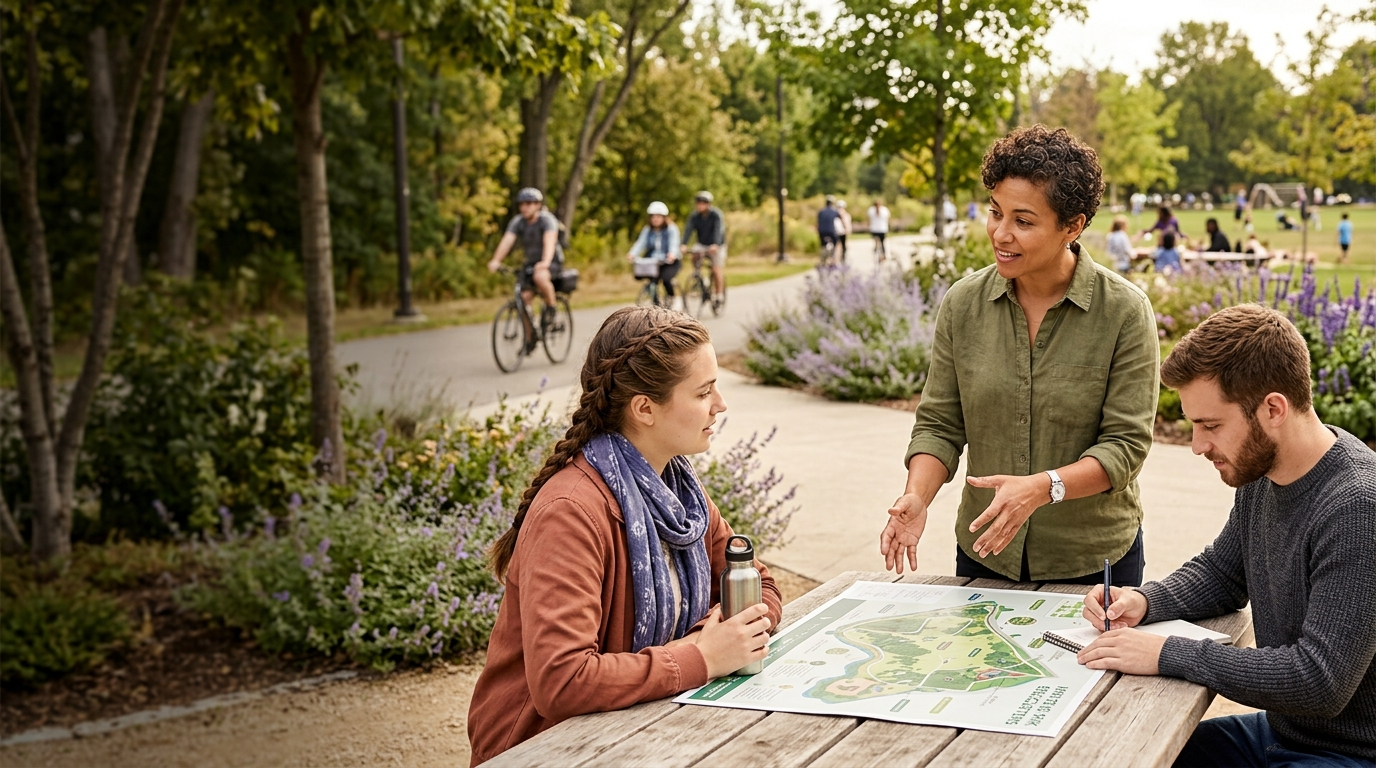
파트 1 질문
한 번에 하나의 질문을 이동하세요. 듣고, 대답하고, 비교하고, 다시 시도하세요. 전체 질문 텍스트는 접근성 및 검색을 위해 페이지 HTML에 남아 있습니다.
- 01Did you like going to parks as a child?
- 02Do you still like going to parks now?
- 03Would you like to see more parks in your city?
- 04Are there any parks you want to go to in the future?
전체 내용 읽기
Definitely. There was a small park on the way to school that I used to visit most days. I remember the climbing frame, a pond with ducks and lots of space to learn to ride my bike. It felt like a proper escape from being indoors — we’d play games, have picnics and sometimes just sit under a tree and chat. Those memories are still vivid.
준비상태: 예상 주제주기. 이 독립적인 연습 리소스는 공식 IELTS 시험이 아니며 시험 문제가 다를 수 있습니다. 주제에 라벨을 지정하는 방법.
말하기 전에 주제를 살펴보세요
이미지를 아이디어 프롬프트로 사용하세요. 발견한 사항을 설명하고 이를 경험과 연결한 다음 실제 질문에 답하세요.

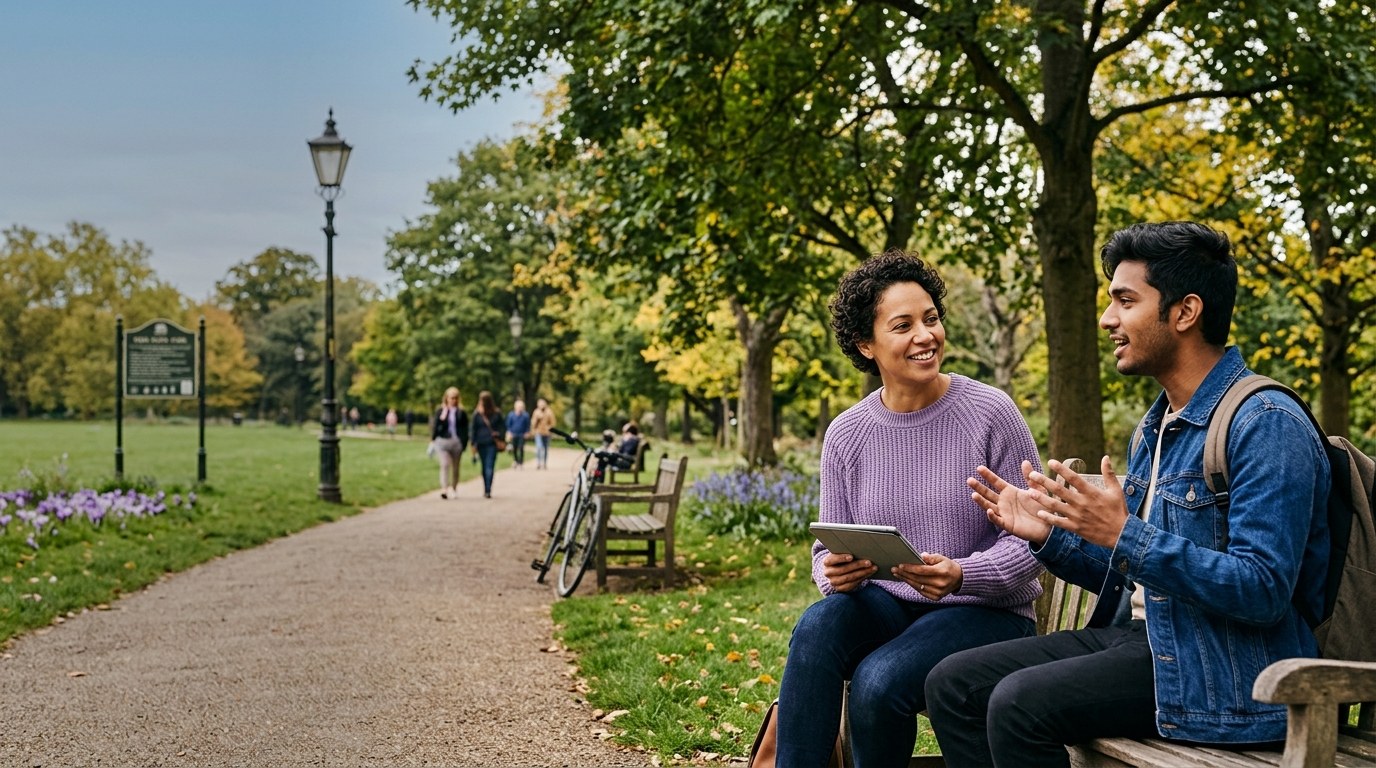
모델 답변을 나란히 들음
더 간단한 답변부터 시작하여 Band를 전환하여 동일한 작업이 어떻게 개발될 수 있는지 듣고 개인 응답을 녹음하세요. 이것은 공식적인 답변이나 점수 보장이 아닌 교육용 예시입니다.
Did you like going to parks as a child?
Yes, I liked going to parks as a child. My parents often took me to the local park near our house. I liked the swings and the slides, and I played football with other kids. Sometimes we had picnics on the grass. It was fun and I felt free to run around.
Definitely. There was a small park on the way to school that I used to visit most days. I remember the climbing frame, a pond with ducks and lots of space to learn to ride my bike. It felt like a proper escape from being indoors — we’d play games, have picnics and sometimes just sit under a tree and chat. Those memories are still vivid.
Do you still like going to parks now?
Yes, I still like going to parks now. I go sometimes at the weekend to get fresh air and relax. I might walk there or meet a friend. Parks are a good place to exercise and feel calm.
Yes, I do. I try to visit a park a few times a week, usually for a brisk walk or to read a book under a tree. Parks are useful for exercise and for clearing your head — they’re a good break from screens and noise. I also enjoy watching how the seasons change there, which I find quite calming.
Would you like to see more parks in your city?
Yes, I would like more parks in my city. More parks mean more places for children to play and for people to exercise. It would be nice if they were near where people live, because some areas are far from any green space.
I would — especially in denser parts of the city. More parks improve people’s health, provide places for children to play and can make a neighbourhood feel friendlier. I’d like to see a mix too: bigger parks for sports and small 'pocket' parks or green corridors where people live. Of course, funding and maintenance can be a challenge, but the benefits are worth it.
Are there any parks you want to go to in the future?
There are a few parks I want to visit in the future. For example, there is a large country park a short train ride away that has lakes and walking trails. I’d like to go there with my family for a day trip when we have time.
Yes — a couple actually. One is a national park within a short distance where I’d like to go hiking and maybe camp for a night; I want to see the views and go birdwatching. The other is a newly opened riverside park in the city that I’ve heard has good cycle paths and weekend events, so I’m planning to visit that with friends this summer.
Parks IELTS 말하기 질문에 대답하는 방법
이 Parks 세트에는 4개의 짧은 인터뷰 질문이 포함되어 있습니다. 시험관이 요청한 정보로 각 답변을 시작한 다음 한 가지 이유, 예 또는 대조로 확장하세요. 목표는 짧은 에세이가 아닌 자연스럽고 연결된 연설입니다.
- 첫 번째 문장의 정확한 질문에 답하세요.
- 한 가지 이유나 구체적인 개인 정보를 추가하세요.
- 새로운 정보를 추가할 때만 예나 대조를 사용하십시오.
- 자연스럽게 마무리하고 시험관이 다음 질문을 하도록 하십시오.
질문별 접근 방식
| 연습문제 | 유용한 답변 이동 |
|---|---|
| Did you like going to parks as a child? | 과거의 실제 사례를 들고 무엇이 바뀌었는지, 왜 중요한지 말해보세요. |
| Do you still like going to parks now? | 직접 답변하고, 이유를 제시하고, 자연스러운 개인 정보를 하나 추가하세요. |
| Would you like to see more parks in your city? | 가능한 견해를 기술하고 이유를 설명하고 하나의 조건이나 예를 추가하십시오. |
| Are there any parks you want to go to in the future? | 대본을 외우지 않고 직접 답변하고 이유 하나와 간단한 예를 들어보세요. |
어휘 집중
모델 답변에서 이미 입증된 유용한 언어는 다음과 같습니다. climbing frame, have a picnic, run around, get away from it all, green space, clear your head, urban oasis, pocket park. 각 의미와 자연스러운 단어 파트너십을 배운 다음 전체 스크립트를 복사하는 대신 새로운 답변에 항목을 사용하십시오.
피해야 할 일반적인 실수
- 질문에 부분적으로만 대답하는 암기된 답변을 제공합니다.
- 의미나 배열을 확인하지 않고 어려운 어휘를 추가합니다.
- 잠시 수정하고 계속하는 대신 오류가 발생할 때마다 다시 시작합니다.
- 첫 번째 시도를 기록하기 전에 모범 답변을 읽어보세요.
공원 연습 FAQ
1부의 공원에 대한 답변은 얼마나 길어야 합니까?
직접적인 답변과 이유 또는 세부 사항을 목표로 하세요. 일반적으로 2~4개의 문장으로 구성됩니다. 고정된 단어 수를 강요하기보다는 아이디어가 완성되면 중지하세요.
Parks 모델 답변을 외워야 합니까?
아니요. 구조와 언어를 파악하기 위해 이를 사용하고 자신의 경험을 바탕으로 답변하십시오. 시험관이 문제를 변경하면 암기한 표현이 실패할 수 있습니다.
해당 주제에 대한 경험이 없으면 어떻게 되나요?
솔직하게 말한 다음 관련된 선호도, 관찰 또는 가상의 예를 설명하십시오. 전문 지식이 아닌 언어로 평가됩니다.
