
雅思口语 Part 1:Parks 题目与参考答案
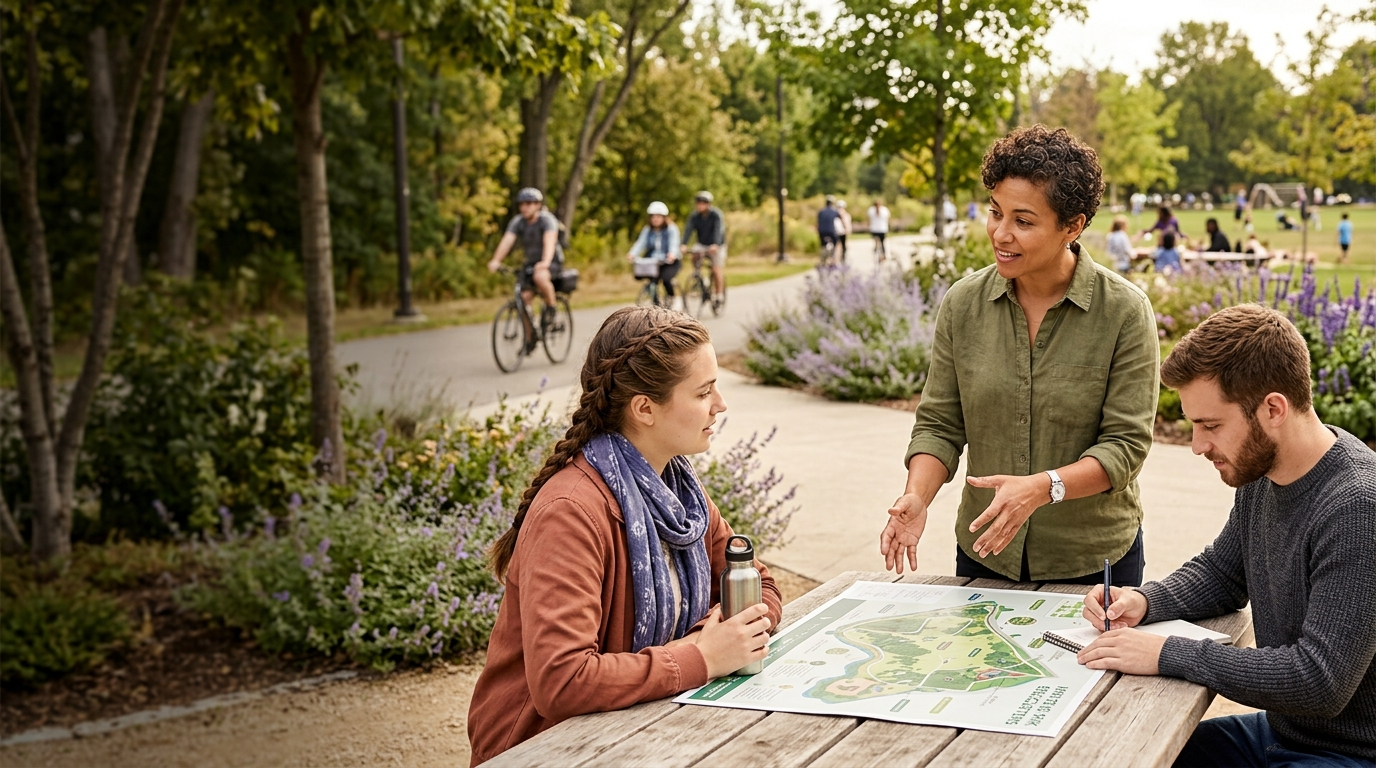
Part 1 题目
每次练习一道题:听题、作答、对照并重试。为便于无障碍访问和搜索,页面 HTML 中会保留完整英文题目。
- 01Did you like going to parks as a child?
- 02Do you still like going to parks now?
- 03Would you like to see more parks in your city?
- 04Are there any parks you want to go to in the future?
阅读完整的文字记录
Definitely. There was a small park on the way to school that I used to visit most days. I remember the climbing frame, a pond with ducks and lots of space to learn to ride my bike. It felt like a proper escape from being indoors — we’d play games, have picnics and sometimes just sit under a tree and chat. Those memories are still vivid.
备考状态:预测题季。本页面为独立备考资源,并非 IELTS 官方试卷;实际考试题目可能不同。 话题标签说明.
开口前先熟悉话题
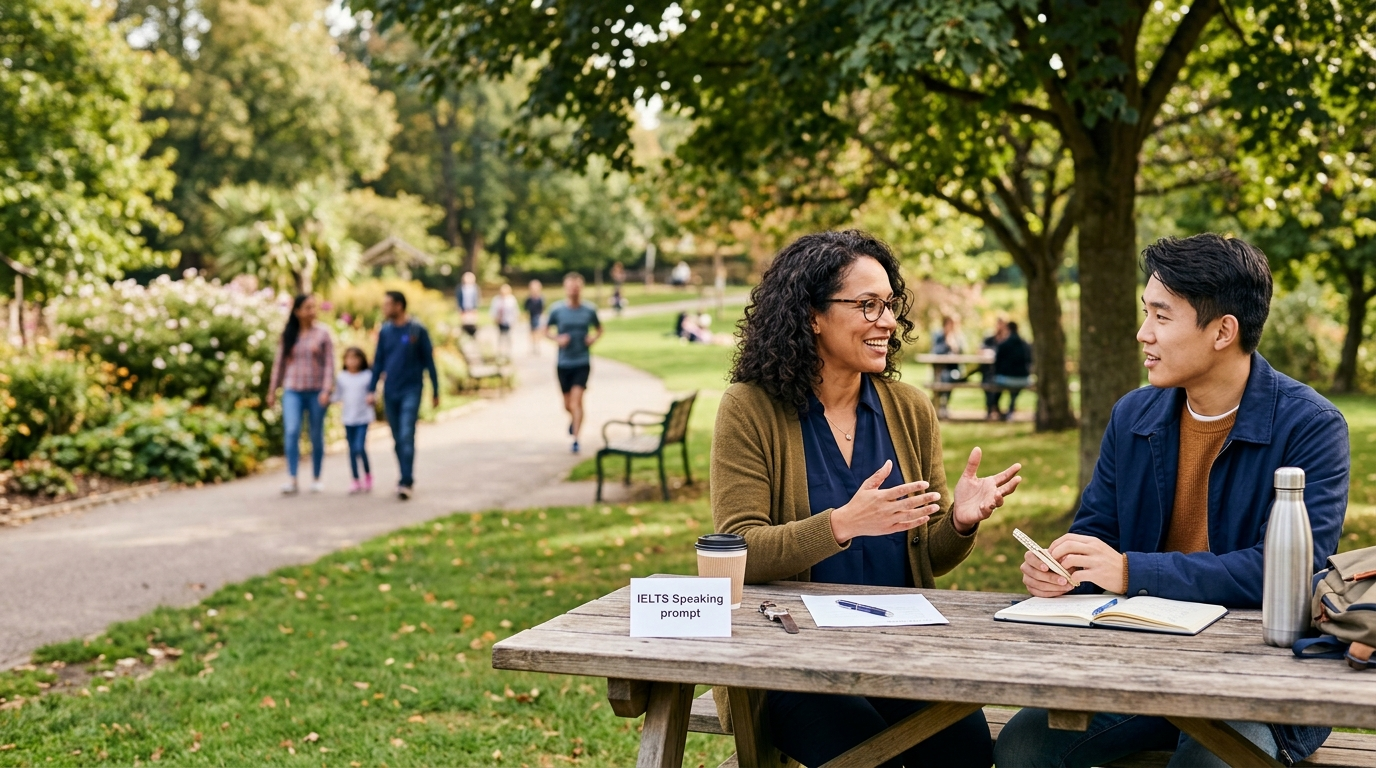
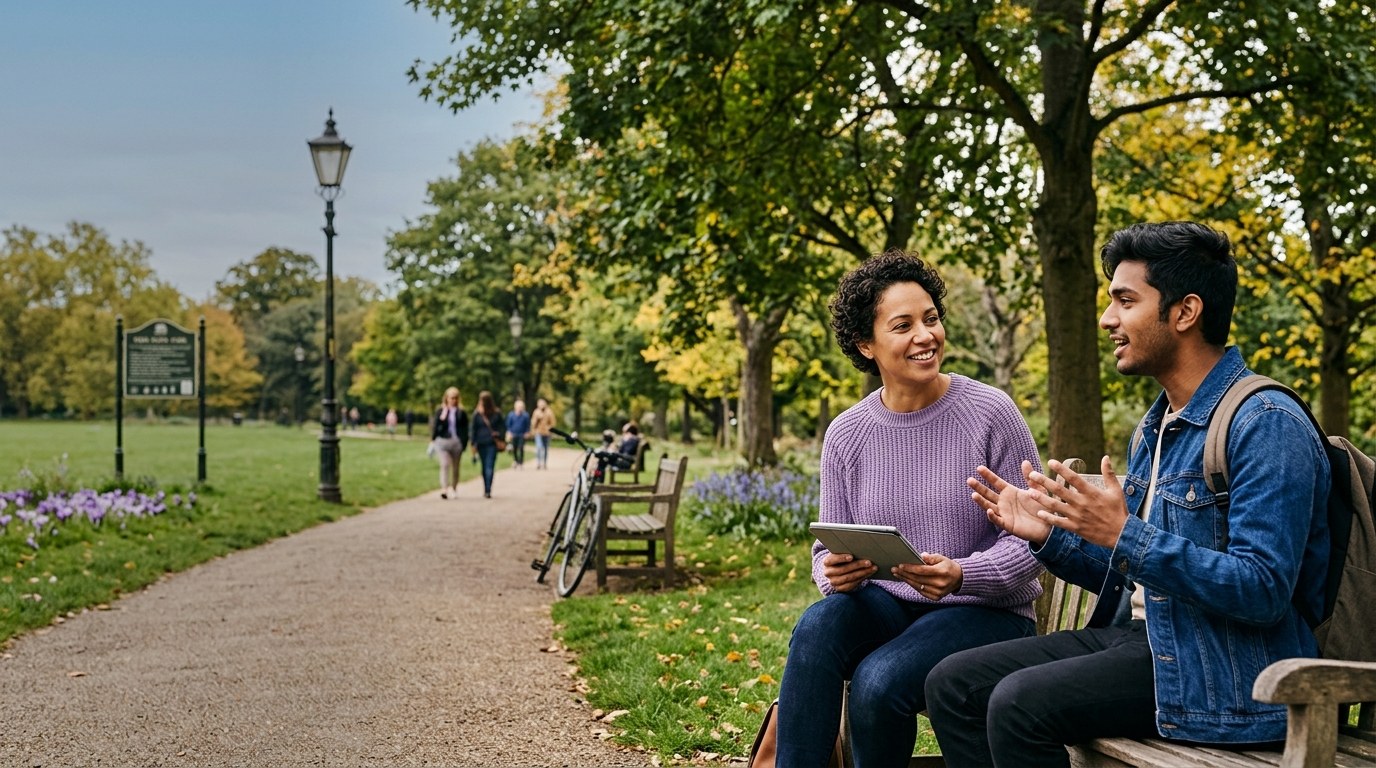
使用图像作为想法提示。描述您注意到的内容,将其与您的经历联系起来,然后回答真正的问题。
对照聆听参考答案
先听较简单的答案,再切换 Band 对照同一道题如何展开,最后录制你自己的回答。这些内容仅为教学示例,不是官方答案,也不保证对应分数。
Did you like going to parks as a child?
Yes, I liked going to parks as a child. My parents often took me to the local park near our house. I liked the swings and the slides, and I played football with other kids. Sometimes we had picnics on the grass. It was fun and I felt free to run around.
Definitely. There was a small park on the way to school that I used to visit most days. I remember the climbing frame, a pond with ducks and lots of space to learn to ride my bike. It felt like a proper escape from being indoors — we’d play games, have picnics and sometimes just sit under a tree and chat. Those memories are still vivid.
Do you still like going to parks now?
Yes, I still like going to parks now. I go sometimes at the weekend to get fresh air and relax. I might walk there or meet a friend. Parks are a good place to exercise and feel calm.
Yes, I do. I try to visit a park a few times a week, usually for a brisk walk or to read a book under a tree. Parks are useful for exercise and for clearing your head — they’re a good break from screens and noise. I also enjoy watching how the seasons change there, which I find quite calming.
Would you like to see more parks in your city?
Yes, I would like more parks in my city. More parks mean more places for children to play and for people to exercise. It would be nice if they were near where people live, because some areas are far from any green space.
I would — especially in denser parts of the city. More parks improve people’s health, provide places for children to play and can make a neighbourhood feel friendlier. I’d like to see a mix too: bigger parks for sports and small 'pocket' parks or green corridors where people live. Of course, funding and maintenance can be a challenge, but the benefits are worth it.
Are there any parks you want to go to in the future?
There are a few parks I want to visit in the future. For example, there is a large country park a short train ride away that has lakes and walking trails. I’d like to go there with my family for a day trip when we have time.
Yes — a couple actually. One is a national park within a short distance where I’d like to go hiking and maybe camp for a night; I want to see the views and go birdwatching. The other is a newly opened riverside park in the city that I’ve heard has good cycle paths and weekend events, so I’m planning to visit that with friends this summer.
如何回答帕克斯雅思口语问题
该 Parks 套装包含 4 个简短的面试问题。每个答案都以考官要求的信息开始,然后用一个原因、例子或对比来扩展它。目标是自发的、连贯的演讲,而不是一篇小论文。
- 准确回答第一句中的问题。
- 添加一个原因或具体的个人详细信息。
- 仅当添加新信息时才使用示例或对比。
- 自然地结束,让考官提出下一个问题。
逐题练习方法
| 练习题 | 实用作答方法 |
|---|---|
| Did you like going to parks as a child? | 举一个过去的真实例子,然后说明发生了什么变化或者为什么它很重要。 |
| Do you still like going to parks now? | 直接回答,给出理由并添加一个自然的个人细节。 |
| Would you like to see more parks in your city? | 陈述一种可能的观点,解释原因并添加一个条件或示例。 |
| Are there any parks you want to go to in the future? | 给出一个直接的答案、一个原因和一个简短的例子,无需记住脚本。 |
重点词汇
模型答案中已经展示的有用语言包括 climbing frame, have a picnic, run around, get away from it all, green space, clear your head, urban oasis, pocket park。学习每个含义和自然的单词伙伴关系,然后在新的答案中使用该项目,而不是复制完整的脚本。
需要避免的常见问题
- 给出的记忆答案只能部分回答问题。
- 添加困难的词汇而不检查含义或搭配。
- 每次错误后重新启动,而不是短暂纠正并继续。
- 在记录您自己的第一次尝试之前,请先阅读标准答案。
公园实践常见问题解答
对于第 1 部分中的公园,我的答案应该有多长?
目标是直接回答加上原因或细节,通常是两到四句话。当想法完成时就停止,而不是强制固定字数。
我应该记住帕克斯模型答案吗?
不。用它们来注意结构和语言,然后根据您自己的经验回答。当考官改变问题时,记忆的措辞可能会失败。
如果我没有该主题的经验怎么办?
诚实地说出来,然后解释相关的偏好、观察或假设的例子。您的评估标准是语言,而不是专业知识。
