
การพูด IELTS ตอนที่ 1: Parks คำถามและคำตอบ
ส่วนที่ 1 คำถาม
ย้ายทีละคำถาม: ฟัง ตอบ เปรียบเทียบ และลองอีกครั้ง ข้อความคำถามที่สมบูรณ์จะยังคงอยู่ในหน้า HTML เพื่อการเข้าถึงและการค้นหา
- 01Did you like going to parks as a child?
- 02Do you still like going to parks now?
- 03Would you like to see more parks in your city?
- 04Are there any parks you want to go to in the future?
อ่านบทบรรยายฉบับสมบูรณ์
Definitely. There was a small park on the way to school that I used to visit most days. I remember the climbing frame, a pond with ducks and lots of space to learn to ride my bike. It felt like a proper escape from being indoors — we’d play games, have picnics and sometimes just sit under a tree and chat. Those memories are still vivid.
สถานะการเตรียมการ: รอบหัวข้อที่คาดการณ์ไว้ แหล่งข้อมูลสำหรับฝึกหัดอิสระนี้ไม่ใช่ข้อสอบ IELTS อย่างเป็นทางการ และคำถามในการทดสอบอาจแตกต่างกันออกไป วิธีการติดป้ายกำกับหัวข้อ.
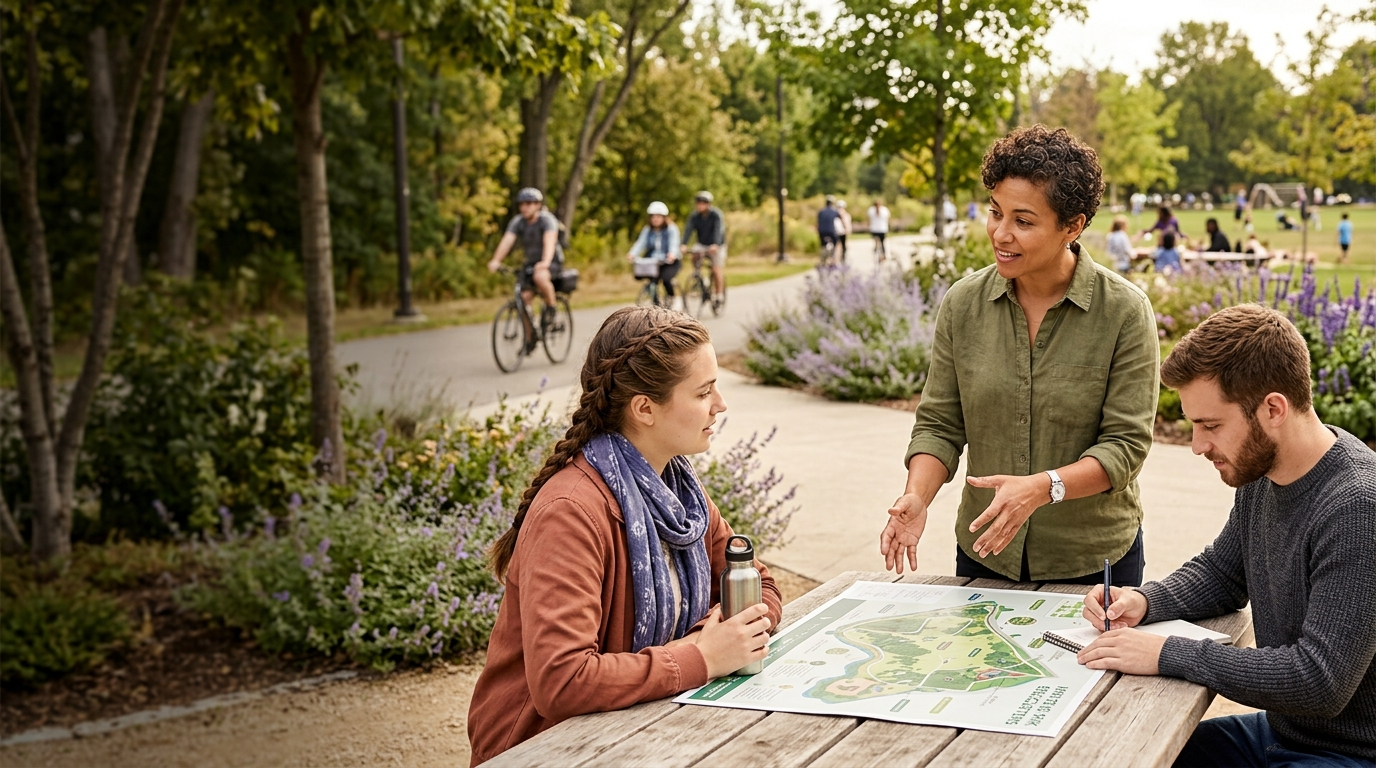
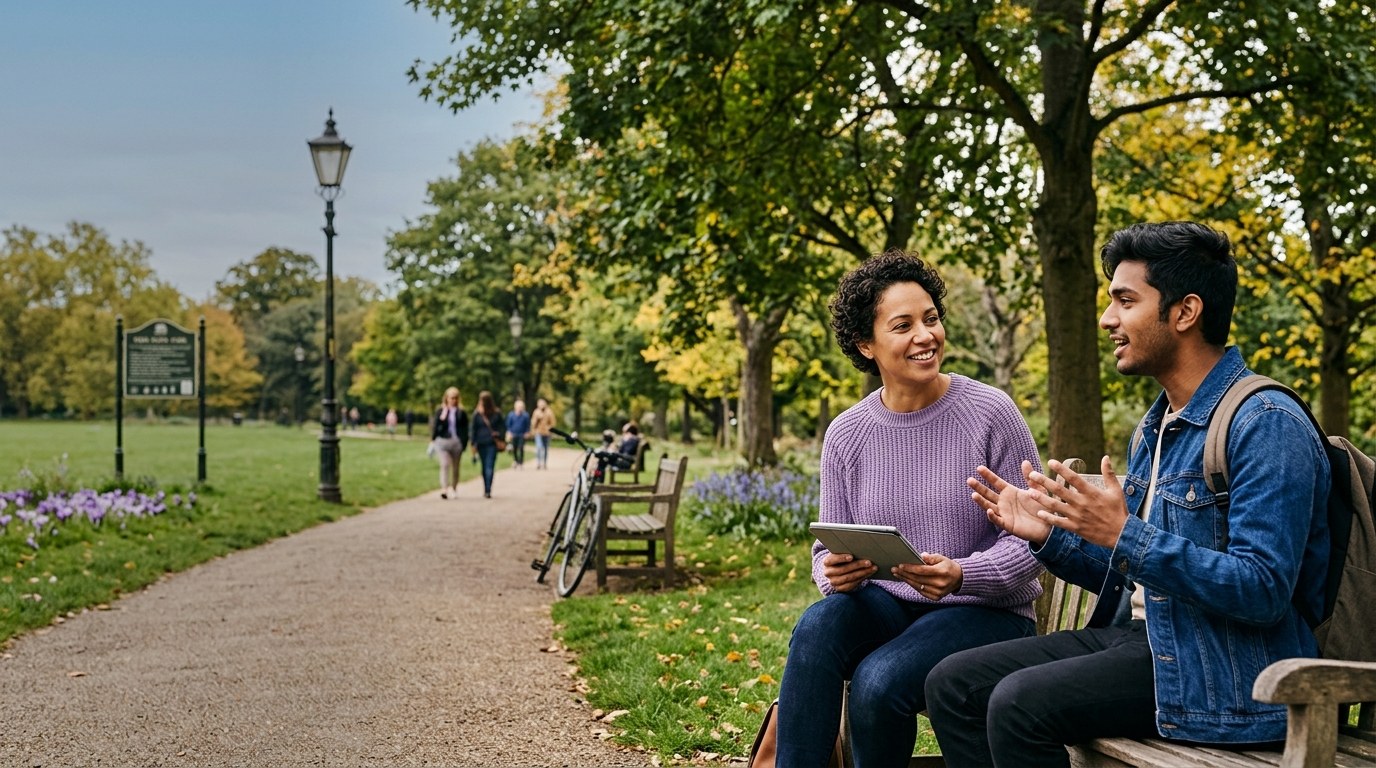
ดูหัวข้อก่อนพูด
ใช้รูปภาพเป็นไอเดีย อธิบายสิ่งที่คุณสังเกตเห็น เชื่อมโยงกับประสบการณ์ของคุณ แล้วตอบคำถามจริง

โมเดลตอบ ได้ยินพร้อมๆ กัน
เริ่มต้นด้วยคำตอบที่ง่ายกว่า สลับ Band เพื่อฟังว่างานเดียวกันนี้สามารถพัฒนาได้อย่างไร จากนั้นจึงบันทึกคำตอบส่วนตัว นี่เป็นตัวอย่างการสอน ไม่ใช่คำตอบอย่างเป็นทางการหรือการรับประกันคะแนน
Did you like going to parks as a child?
Yes, I liked going to parks as a child. My parents often took me to the local park near our house. I liked the swings and the slides, and I played football with other kids. Sometimes we had picnics on the grass. It was fun and I felt free to run around.
Definitely. There was a small park on the way to school that I used to visit most days. I remember the climbing frame, a pond with ducks and lots of space to learn to ride my bike. It felt like a proper escape from being indoors — we’d play games, have picnics and sometimes just sit under a tree and chat. Those memories are still vivid.
Do you still like going to parks now?
Yes, I still like going to parks now. I go sometimes at the weekend to get fresh air and relax. I might walk there or meet a friend. Parks are a good place to exercise and feel calm.
Yes, I do. I try to visit a park a few times a week, usually for a brisk walk or to read a book under a tree. Parks are useful for exercise and for clearing your head — they’re a good break from screens and noise. I also enjoy watching how the seasons change there, which I find quite calming.
Would you like to see more parks in your city?
Yes, I would like more parks in my city. More parks mean more places for children to play and for people to exercise. It would be nice if they were near where people live, because some areas are far from any green space.
I would — especially in denser parts of the city. More parks improve people’s health, provide places for children to play and can make a neighbourhood feel friendlier. I’d like to see a mix too: bigger parks for sports and small 'pocket' parks or green corridors where people live. Of course, funding and maintenance can be a challenge, but the benefits are worth it.
Are there any parks you want to go to in the future?
There are a few parks I want to visit in the future. For example, there is a large country park a short train ride away that has lakes and walking trails. I’d like to go there with my family for a day trip when we have time.
Yes — a couple actually. One is a national park within a short distance where I’d like to go hiking and maybe camp for a night; I want to see the views and go birdwatching. The other is a newly opened riverside park in the city that I’ve heard has good cycle paths and weekend events, so I’m planning to visit that with friends this summer.
วิธีตอบคำถาม IELTS Speaking ของ Parks
ชุด Parks นี้ประกอบด้วยคำถามสัมภาษณ์สั้นๆ 4 ข้อ เริ่มคำตอบแต่ละข้อด้วยข้อมูลที่ผู้สอบถาม จากนั้นขยายเหตุผลด้วยตัวอย่างหรือข้อแตกต่างเพียงข้อเดียว เป้าหมายคือคำพูดที่เชื่อมโยงและเป็นธรรมชาติ ไม่ใช่เรียงความสั้นๆ
- ตอบคำถามให้ตรงในประโยคแรก
- เพิ่มเหตุผลหรือรายละเอียดส่วนบุคคลที่เฉพาะเจาะจง
- ใช้ตัวอย่างหรือการเปรียบเทียบเฉพาะเมื่อมีการเพิ่มข้อมูลใหม่เท่านั้น
- จบอย่างเป็นธรรมชาติและให้ผู้คุมถามคำถามถัดไป
แนวทางคำถามต่อคำถาม
| คำถามฝึกหัด | การย้ายคำตอบที่เป็นประโยชน์ |
|---|---|
| Did you like going to parks as a child? | ยกตัวอย่างในอดีตที่แท้จริง จากนั้นพูดว่ามีอะไรเปลี่ยนแปลงหรือเหตุใดจึงสำคัญ |
| Do you still like going to parks now? | ตอบโดยตรง ให้เหตุผล และเพิ่มรายละเอียดส่วนบุคคลที่เป็นธรรมชาติหนึ่งรายการ |
| Would you like to see more parks in your city? | ระบุมุมมองที่เป็นไปได้ อธิบายเหตุผล และเพิ่มเงื่อนไขหรือตัวอย่างหนึ่งข้อ |
| Are there any parks you want to go to in the future? | ให้คำตอบโดยตรง เหตุผลหนึ่งข้อ และตัวอย่างสั้นๆ โดยไม่ต้องจำสคริปต์ |
เน้นคำศัพท์
ภาษาที่มีประโยชน์แสดงให้เห็นแล้วในคำตอบของโมเดล ได้แก่ climbing frame, have a picnic, run around, get away from it all, green space, clear your head, urban oasis, pocket park. เรียนรู้แต่ละความหมายและคู่คำที่เป็นธรรมชาติ จากนั้นใช้รายการนั้นเป็นคำตอบใหม่แทนที่จะคัดลอกสคริปต์ที่สมบูรณ์
ข้อผิดพลาดทั่วไปที่ควรหลีกเลี่ยง
- ให้คำตอบที่จดจำซึ่งตอบคำถามเพียงบางส่วนเท่านั้น
- เติมคำศัพท์ยากๆ โดยไม่ต้องตรวจสอบความหมายหรือการจัดตำแหน่ง
- รีสตาร์ทหลังจากทุกข้อผิดพลาด แทนที่จะแก้ไขในช่วงสั้นๆ และดำเนินการต่อ
- อ่านคำตอบของแบบจำลองก่อนที่จะบันทึกความพยายามครั้งแรกของคุณเอง
คำถามที่พบบ่อยเกี่ยวกับการปฏิบัติของสวนสาธารณะ
คำตอบของฉันควรยาวแค่ไหนสำหรับ Parks ในตอนที่ 1
ตั้งเป้าไปที่คำตอบโดยตรงพร้อมเหตุผลหรือรายละเอียด โดยปกติแล้วจะมีสองถึงสี่ประโยค หยุดเมื่อแนวคิดเสร็จสมบูรณ์ แทนที่จะบังคับให้นับจำนวนคำคงที่
ฉันควรจำคำตอบของโมเดล Parks หรือไม่
ไม่ ใช้สิ่งเหล่านี้เพื่อสังเกตโครงสร้างและภาษา แล้วตอบจากประสบการณ์ของคุณเอง ถ้อยคำที่จำไว้อาจล้มเหลวเมื่อผู้ตรวจสอบเปลี่ยนคำถาม
จะเกิดอะไรขึ้นถ้าฉันไม่มีประสบการณ์ในหัวข้อนี้?
พูดอย่างนั้นอย่างตรงไปตรงมา จากนั้นอธิบายความชอบ การสังเกต หรือตัวอย่างที่เกี่ยวข้องกัน คุณได้รับการประเมินโดยใช้ภาษา ไม่ใช่ความรู้เฉพาะทาง
