
การพูด IELTS ตอนที่ 1: Outer space and stars คำถามและคำตอบ

ส่วนที่ 1 คำถาม
ย้ายทีละคำถาม: ฟัง ตอบ เปรียบเทียบ และลองอีกครั้ง ข้อความคำถามที่สมบูรณ์จะยังคงอยู่ในหน้า HTML เพื่อการเข้าถึงและการค้นหา
- 01Have you ever learnt about outer space and stars?Full Band 6/7 answer →
- 02Do you like science fiction movies? Why?
- 03Do you want to know more about outer space?
- 04Do you want to go into outer space in the future?
อ่านบทบรรยายฉบับสมบูรณ์
Yes, I have. At school we did a few units on astronomy and I also visited a planetarium once, which made it more vivid. Since then I've watched documentaries and followed a few online talks about topics like light‑years, exoplanets and how stars form. I guess I’ve picked up a mix of formal facts and popular explanations, so I can understand simple astronomy and also enjoy more detailed discussions when they come up.
สถานะการเตรียมการ: รอบหัวข้อที่คาดการณ์ไว้ แหล่งข้อมูลสำหรับฝึกหัดอิสระนี้ไม่ใช่ข้อสอบ IELTS อย่างเป็นทางการ และคำถามในการทดสอบอาจแตกต่างกันออกไป วิธีการติดป้ายกำกับหัวข้อ.
ดูหัวข้อก่อนพูด
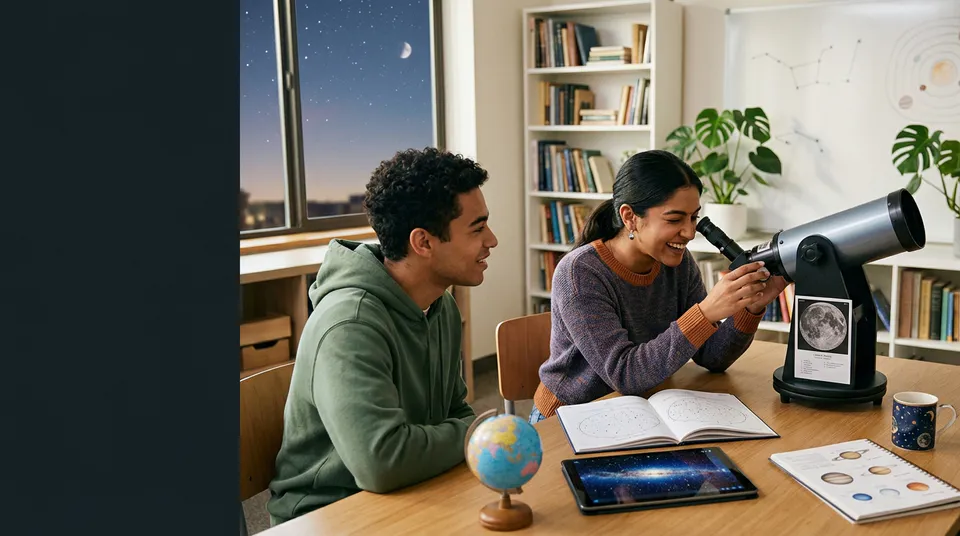
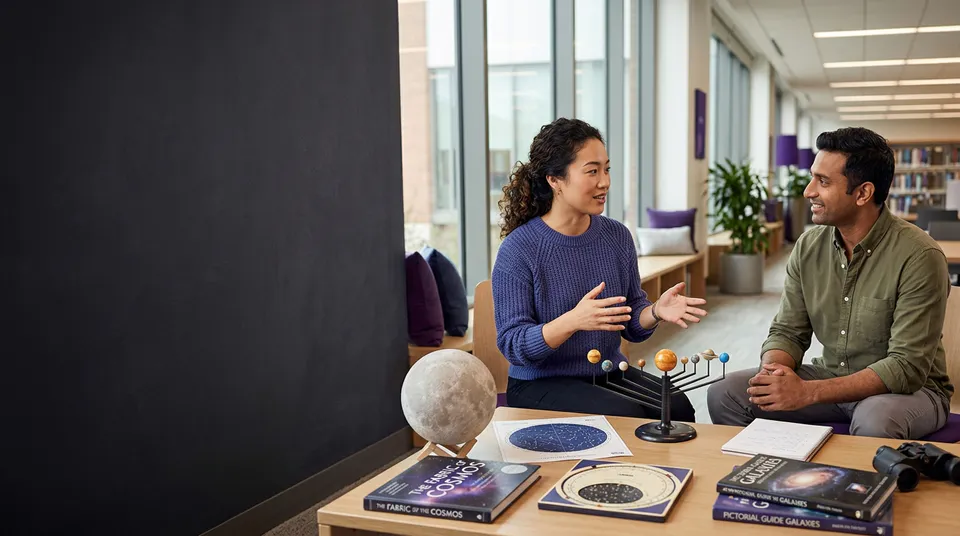
ใช้รูปภาพเป็นไอเดีย อธิบายสิ่งที่คุณสังเกตเห็น เชื่อมโยงกับประสบการณ์ของคุณ แล้วตอบคำถามจริง
โมเดลตอบ ได้ยินพร้อมๆ กัน
เริ่มต้นด้วยคำตอบที่ง่ายกว่า สลับ Band เพื่อฟังว่างานเดียวกันนี้สามารถพัฒนาได้อย่างไร จากนั้นจึงบันทึกคำตอบส่วนตัว นี่เป็นตัวอย่างการสอน ไม่ใช่คำตอบอย่างเป็นทางการหรือการรับประกันคะแนน
Have you ever learnt about outer space and stars?
Yes, I have. I first learnt about outer space and stars at school in science lessons. We talked about the Sun, the planets and simple ideas like gravity. Later I watched a few documentaries and read articles online about constellations and the odd comet. It was interesting but mostly basic facts.
Yes, I have. At school we did a few units on astronomy and I also visited a planetarium once, which made it more vivid. Since then I've watched documentaries and followed a few online talks about topics like light‑years, exoplanets and how stars form. I guess I’ve picked up a mix of formal facts and popular explanations, so I can understand simple astronomy and also enjoy more detailed discussions when they come up.
Do you like science fiction movies? Why?
I do like science fiction movies. They’re fun and often exciting, with good special effects. I enjoy the escape and the ideas about space travel, even if some parts are unrealistic. Sometimes they’re a bit predictable, but I still watch them.
Yes, I’m a fan of good science fiction. I like films that combine believable science with strong characters because they make you think about the future and what it means to be human. For example, films that explore ethical dilemmas around artificial intelligence or space exploration really grab me, not just the spectacular special effects. Even when a film takes liberties with the science, as long as it keeps the story believable I’ll happily suspend my disbelief.
Do you want to know more about outer space?
Yes, I’d like to know more. Space seems mysterious and there are lots of things I don’t understand, like black holes and other planets. I often read a short article or watch a video when I have time.
Definitely. I’m curious not only about the big questions, like how the universe began, but also about practical advances such as satellite technology and the search for exoplanets. I follow a few science channels and occasionally take online lectures, because learning more helps me appreciate how discoveries can affect life on Earth. In short, there’s a lot I don’t know and I’d like to keep learning.
Do you want to go into outer space in the future?
Maybe, but I’m not sure. It sounds exciting to go into space, but it also seems dangerous and expensive. I’d probably prefer to try a short tourist flight rather than stay up there for long.
I’d love the idea of going into space one day, but only if it became reasonably safe and affordable. The idea of seeing Earth from orbit is incredibly appealing, yet I’m mindful of the health risks of microgravity and the intensive training involved. If commercial space tourism becomes routine and the safety record improves, I’d seriously consider a short trip, but long missions? I think I’d leave those to professional astronauts.
วิธีตอบคำถามนอกโลกและดาว IELTS พูด
ชุดอวกาศและดวงดาวชุดนี้ประกอบด้วยคำถามสัมภาษณ์สั้นๆ 4 ข้อ เริ่มคำตอบแต่ละข้อด้วยข้อมูลที่ผู้สอบถาม จากนั้นขยายเหตุผลด้วยตัวอย่างหรือข้อแตกต่างเพียงข้อเดียว เป้าหมายคือคำพูดที่เชื่อมโยงและเป็นธรรมชาติ ไม่ใช่เรียงความสั้นๆ
- ตอบคำถามให้ตรงในประโยคแรก
- เพิ่มเหตุผลหรือรายละเอียดส่วนบุคคลที่เฉพาะเจาะจง
- ใช้ตัวอย่างหรือการเปรียบเทียบเฉพาะเมื่อมีการเพิ่มข้อมูลใหม่เท่านั้น
- จบอย่างเป็นธรรมชาติและให้ผู้คุมถามคำถามถัดไป
แนวทางคำถามต่อคำถาม
| คำถามฝึกหัด | การย้ายคำตอบที่เป็นประโยชน์ |
|---|---|
| Have you ever learnt about outer space and stars? | ยกตัวอย่างในอดีตที่แท้จริง จากนั้นพูดว่ามีอะไรเปลี่ยนแปลงหรือเหตุใดจึงสำคัญ |
| Do you like science fiction movies? Why? | ตอบโดยตรง ให้เหตุผล และเพิ่มรายละเอียดส่วนบุคคลที่เป็นธรรมชาติหนึ่งรายการ |
| Do you want to know more about outer space? | ตอบโดยตรง ให้เหตุผล และเพิ่มรายละเอียดส่วนบุคคลที่เป็นธรรมชาติหนึ่งรายการ |
| Do you want to go into outer space in the future? | ตอบโดยตรง ให้เหตุผล และเพิ่มรายละเอียดส่วนบุคคลที่เป็นธรรมชาติหนึ่งรายการ |
เน้นคำศัพท์
ภาษาที่มีประโยชน์แสดงให้เห็นแล้วในคำตอบของโมเดล ได้แก่ constellation, planetarium, light‑year, sci‑fi, special effects, suspension of disbelief, exoplanet, dark matter. เรียนรู้แต่ละความหมายและคู่คำที่เป็นธรรมชาติ จากนั้นใช้รายการนั้นเป็นคำตอบใหม่แทนที่จะคัดลอกสคริปต์ที่สมบูรณ์
ข้อผิดพลาดทั่วไปที่ควรหลีกเลี่ยง
- ให้คำตอบที่จดจำซึ่งตอบคำถามเพียงบางส่วนเท่านั้น
- เติมคำศัพท์ยากๆ โดยไม่ต้องตรวจสอบความหมายหรือการจัดตำแหน่ง
- รีสตาร์ทหลังจากทุกข้อผิดพลาด แทนที่จะแก้ไขในช่วงสั้นๆ และดำเนินการต่อ
- อ่านคำตอบของแบบจำลองก่อนที่จะบันทึกความพยายามครั้งแรกของคุณเอง
คำถามที่พบบ่อยเกี่ยวกับการฝึกซ้อมอวกาศและดวงดาว
คำตอบของฉันควรนานแค่ไหนสำหรับอวกาศและดวงดาวในตอนที่ 1
ตั้งเป้าไปที่คำตอบโดยตรงพร้อมเหตุผลหรือรายละเอียด โดยปกติแล้วจะมีสองถึงสี่ประโยค หยุดเมื่อแนวคิดเสร็จสมบูรณ์ แทนที่จะบังคับให้นับจำนวนคำคงที่
ฉันควรจำคำตอบแบบจำลองอวกาศและดวงดาวหรือไม่
ไม่ ใช้สิ่งเหล่านี้เพื่อสังเกตโครงสร้างและภาษา แล้วตอบจากประสบการณ์ของคุณเอง ถ้อยคำที่จำไว้อาจล้มเหลวเมื่อผู้ตรวจสอบเปลี่ยนคำถาม
จะเกิดอะไรขึ้นถ้าฉันไม่มีประสบการณ์ในหัวข้อนี้?
พูดอย่างนั้นอย่างตรงไปตรงมา จากนั้นอธิบายความชอบ การสังเกต หรือตัวอย่างที่เกี่ยวข้องกัน คุณได้รับการประเมินโดยใช้ภาษา ไม่ใช่ความรู้เฉพาะทาง
