
IELTS การพูด ตอนที่ 2 และ 3: Describe a sports competition you watched

ส่วนที่ 2 บัตรคิว
Describe a sports competition you watched
คุณควรพูดว่า:
- มันคืออะไร
- ดูเมื่อไหร่/ที่ไหน.
- คุณดูมันกับใคร
- และอธิบายว่าคุณชอบมันหรือไม่
คุณจะมีเวลาหนึ่งถึงสองนาทีในการพูดคุยเกี่ยวกับหัวข้อนี้
อ่านบทบรรยายฉบับสมบูรณ์
I watched an FA Cup quarter-final match between two well-known clubs, which was a thrilling local football competition. It took place last spring at our city’s main stadium, a place I often pass on the bus and whose atmosphere is always electric on match days. I went with two close friends from university; we’d booked our tickets weeks beforehand and made a day of it together. We sat in the family stand and shared a large pie and some hot drinks while cheering; our friends are fans of different teams so there was lots of good-natured banter. The match itself was highly entertaining: both sides played aggressively, there were a couple of near-misses and the winning goal came in stoppage time, which made the crowd go wild. I really enjoyed the whole experience because of the tension and the sense of community among supporters; afterwards we stayed behind to talk about the best moments and to watch the players leave, which felt memorable. Even the rainy weather added to the drama rather than spoiling it, because everyone huddled together under umbrellas and sang the team songs louder. Overall it was one of the most exciting live sports events I’ve seen.
สถานะการเตรียมการ: รอบหัวข้อที่คาดการณ์ไว้ แหล่งข้อมูลสำหรับฝึกหัดอิสระนี้ไม่ใช่ข้อสอบ IELTS อย่างเป็นทางการ และคำถามในการทดสอบอาจแตกต่างกันออกไป วิธีการติดป้ายกำกับหัวข้อ.
ส่วนที่ 3 คำถามสนทนา
ย้ายทีละคำถาม: ฟัง ตอบ เปรียบเทียบ และลองอีกครั้ง ข้อความคำถามที่สมบูรณ์จะยังคงอยู่ในหน้า HTML เพื่อการเข้าถึงและการค้นหา
- 01What kind of competitions do people in your country like to watch? Why?
ดูหัวข้อก่อนพูด
ใช้รูปภาพเป็นไอเดีย อธิบายสิ่งที่คุณสังเกตเห็น เชื่อมโยงกับประสบการณ์ของคุณ แล้วตอบคำถามจริง

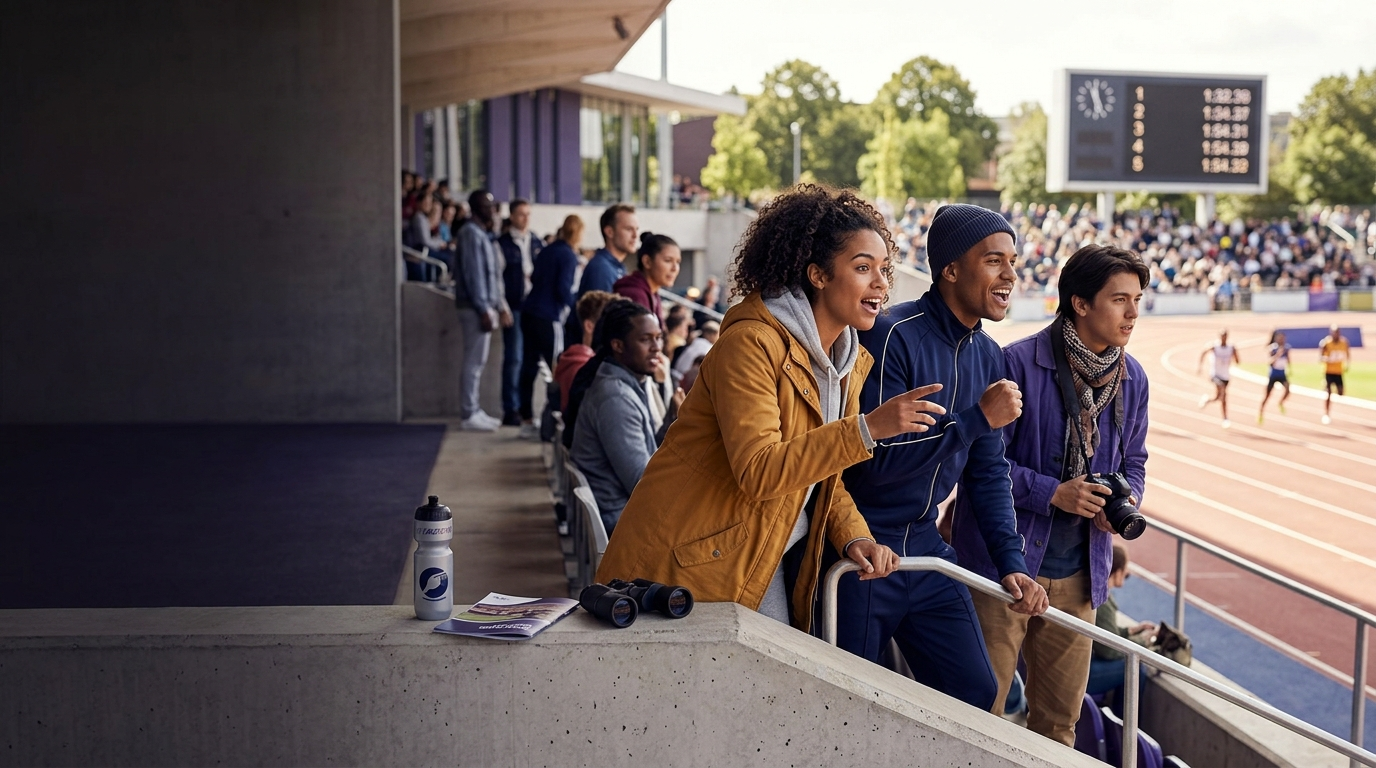
โมเดลตอบ ได้ยินพร้อมๆ กัน
เริ่มต้นด้วยคำตอบที่ง่ายกว่า สลับ Band เพื่อฟังว่างานเดียวกันนี้สามารถพัฒนาได้อย่างไร จากนั้นจึงบันทึกคำตอบส่วนตัว นี่เป็นตัวอย่างการสอน ไม่ใช่คำตอบอย่างเป็นทางการหรือการรับประกันคะแนน
ส่วนที่ 2 - คำตอบของแบบจำลอง
Part 2 cue-card response
I watched a local football match last autumn at the town stadium. It was a league game between our local side and their neighbours. I went with my brother and two friends from college; we all enjoy football and meet up sometimes to watch matches. We sat in the main stand and had chips and hot chocolate while watching. The game was close and the atmosphere was noisy, with supporters shouting and singing. I enjoyed it because it was exciting and we had a laugh together. It felt good to be part of the crowd and to see the players up close.
I watched an FA Cup quarter-final match between two well-known clubs, which was a thrilling local football competition. It took place last spring at our city’s main stadium, a place I often pass on the bus and whose atmosphere is always electric on match days. I went with two close friends from university; we’d booked our tickets weeks beforehand and made a day of it together. We sat in the family stand and shared a large pie and some hot drinks while cheering; our friends are fans of different teams so there was lots of good-natured banter. The match itself was highly entertaining: both sides played aggressively, there were a couple of near-misses and the winning goal came in stoppage time, which made the crowd go wild. I really enjoyed the whole experience because of the tension and the sense of community among supporters; afterwards we stayed behind to talk about the best moments and to watch the players leave, which felt memorable. Even the rainy weather added to the drama rather than spoiling it, because everyone huddled together under umbrellas and sang the team songs louder. Overall it was one of the most exciting live sports events I’ve seen.
ส่วนที่ 3 - คำตอบของแบบจำลอง
What kind of competitions do people in your country like to watch? Why?
People here mostly watch football and cricket competitions. Football is very popular because it's easy to follow and matches are on TV often. Cricket, especially international tests and one-day games, also gets big audiences. People also watch local athletics and rugby sometimes, but not as much. In towns, community sports days and school competitions attract families. Overall, people prefer sports that are traditional and easy to watch with friends.
Generally the biggest audiences are for football and cricket, though the pattern varies by season — football dominates the winter months while cricket takes over in summer. High-profile league matches, cup ties and international fixtures draw large crowds and viewing figures because they’re widely televised and have strong local loyalties. Other competitions like rugby tournaments, tennis Grand Slams and major athletics meetings attract attention too, particularly when national athletes are involved and there’s a clear narrative to follow. People favour events that are easy to understand, provide clear rivalries and offer a communal atmosphere for watching with friends or family.
สถานะการปฏิบัติ: หัวข้อที่เก็บถาวรจากรอบธนาคารคำถามครั้งก่อน ยังคงมีประโยชน์สำหรับการฝึกทักษะแต่ไม่ได้นำเสนอเป็นคำถามสอบในปัจจุบันหรือที่รับประกัน วิธีการติดป้ายกำกับหัวข้อ.
วิธีตอบ อธิบายการแข่งขันกีฬาที่คุณดูคำถามการพูด IELTS
สำหรับการอธิบายการแข่งขันกีฬาที่คุณดูคิวการ์ด ให้ใช้นาทีการเตรียมการเพื่อสร้างเส้นทางผ่านการพูดคุย เลือกหัวข้อที่ชัดเจน เพิ่มช่วงเวลาหรือรายละเอียดที่เฉพาะเจาะจงสองรายการ และจบด้วยเหตุผลว่าทำไมจึงสำคัญ จากนั้นใช้คำถามส่วนที่ 3 ที่เชื่อมโยงเพื่อฝึกฝนการอธิบายและการเปรียบเทียบที่กว้างขึ้น
ข้อความแจ้งบัตรคิว:
- มันคืออะไร
- ดูเมื่อไหร่/ที่ไหน.
- คุณดูมันกับใคร
- และอธิบายว่าคุณชอบมันหรือไม่
- การเปิด: ระบุบุคคล สถานที่ วัตถุ หรือเหตุการณ์
- การพัฒนา: อธิบายสองรายละเอียดหรือช่วงเวลาตามลำดับตรรกะ
- ส่วนขยาย: อธิบายเหตุผล ผลลัพธ์ การเปรียบเทียบ หรือปัญหา
- การสะท้อนกลับ: จบด้วยเหตุผลว่าทำไมหัวข้อนั้นถึงน่าจดจำหรือสำคัญ
แนวทางคำถามต่อคำถาม
| คำถามฝึกหัด | การย้ายคำตอบที่เป็นประโยชน์ |
|---|---|
| What kind of competitions do people in your country like to watch? Why? | ตั้งชื่อสิ่งนั้นก่อน จากนั้นจึงอธิบายคุณลักษณะหรือตัวอย่างเฉพาะเจาะจง |
เน้นคำศัพท์
ภาษาที่มีประโยชน์แสดงให้เห็นแล้วในคำตอบของโมเดล ได้แก่ dominates the winter months, local loyalties, viewing figures, stoppage time, good-natured banter, sense of community. เรียนรู้แต่ละความหมายและคู่คำที่เป็นธรรมชาติ จากนั้นใช้รายการนั้นเป็นคำตอบใหม่แทนที่จะคัดลอกสคริปต์ที่สมบูรณ์
ข้อผิดพลาดทั่วไปที่ควรหลีกเลี่ยง
- ให้คำตอบที่จดจำซึ่งตอบคำถามเพียงบางส่วนเท่านั้น
- เติมคำศัพท์ยากๆ โดยไม่ต้องตรวจสอบความหมายหรือการจัดตำแหน่ง
- รีสตาร์ทหลังจากทุกข้อผิดพลาด แทนที่จะแก้ไขในช่วงสั้นๆ และดำเนินการต่อ
- อ่านคำตอบของแบบจำลองก่อนที่จะบันทึกความพยายามครั้งแรกของคุณเอง
อธิบายการแข่งขันกีฬาที่คุณดูการฝึกซ้อม FAQ
ฉันควรใช้นาทีการอธิบายการแข่งขันกีฬาที่คุณดูคิวการ์ดอย่างไร
เขียนคำหลักสำหรับช่วงเริ่มต้น รายละเอียดสองหรือสามรายละเอียด และการไตร่ตรองขั้นสุดท้าย อย่าพยายามเขียนประโยคที่สมบูรณ์
ฉันต้องครอบคลุมสัญลักษณ์แสดงหัวข้อย่อยทุกบัตรคิวหรือไม่
ข้อความแจ้งจะช่วยคุณจัดระเบียบการสนทนา การครอบคลุมสิ่งเหล่านี้มีประโยชน์ แต่การตอบสนองหนึ่งถึงสองนาทีที่สอดคล้องกันนั้นมีความสำคัญมากกว่าการทำเครื่องหมายแต่ละบรรทัดโดยอัตโนมัติ
คำถามส่วนที่ 3 เชื่อมโยงกับส่วนที่ 2 อย่างไร
พวกเขาพัฒนาหัวข้อกว้างๆ ที่เหมือนกันด้วยเหตุผล การเปรียบเทียบ ผลกระทบทางสังคม หรือความเป็นไปได้ในอนาคต ดังนั้น คำตอบโดยปกติจะต้องมีคำอธิบายมากกว่าส่วนที่ 1
