
IELTS Nói Phần 2 & 3: Describe an interesting video

Thẻ gợi ý phần 2
Describe an interesting video
Bạn nên nói:
- Bạn đã xem nó khi nào và ở đâu
- Nó nói về cái gì
- Tại sao bạn xem nó
- Và giải thích bạn cảm thấy thế nào về nó
Bạn sẽ có một đến hai phút để nói về chủ đề này.
Đọc bản ghi đầy đủ
Last summer I watched a short documentary on YouTube about urban beekeeping while having lunch at home; it was made by a small independent filmmaker and lasted about 25 minutes. The film explained how ordinary people keep bees on rooftops to help pollinate city gardens and showed practical steps like building and maintaining a hive. I watched it because I'm thinking of keeping bees on my balcony and wanted to know the challenges and legal issues — for example it mentioned contacting local councils and checking guidance on where hives can be sited. The director combined interviews with experienced beekeepers and clear close-ups of bees at work, which made the subject surprisingly vivid; there was a memorable scene of a swarm being gently moved to a new hive. It also gave useful safety tips, such as how to tell when a hive is healthy and what protective clothing to use, and it listed approximate start-up costs. Within a week I joined an online community the filmmaker recommended to ask practical questions and share plans. After watching, I felt inspired but realistic — excited to try it, yet aware of the responsibility and the need for proper training.
Trạng thái chuẩn bị: Dự đoán chu kỳ chủ đề. Tài nguyên thực hành độc lập này không phải là bài thi IELTS chính thức và các câu hỏi trong bài kiểm tra của bạn có thể khác nhau. Cách gắn nhãn chủ đề.
Câu hỏi thảo luận phần 3
Di chuyển từng câu hỏi một: nghe, trả lời, so sánh và thử lại. Văn bản câu hỏi hoàn chỉnh vẫn còn trong trang HTML để truy cập và tìm kiếm.
- 01What kind of videos do people in your country like to watch?
- 02Which is more helpful, watching videos or reading books?
- 03What skills can people learn from watching videos?
- 04Are there any differences between the videos that young people and old people like to watch?
- 05Are there any differences between the videos that young men and young women like to watch?
- 06What makes a video go viral online?
Xem chủ đề trước khi nói
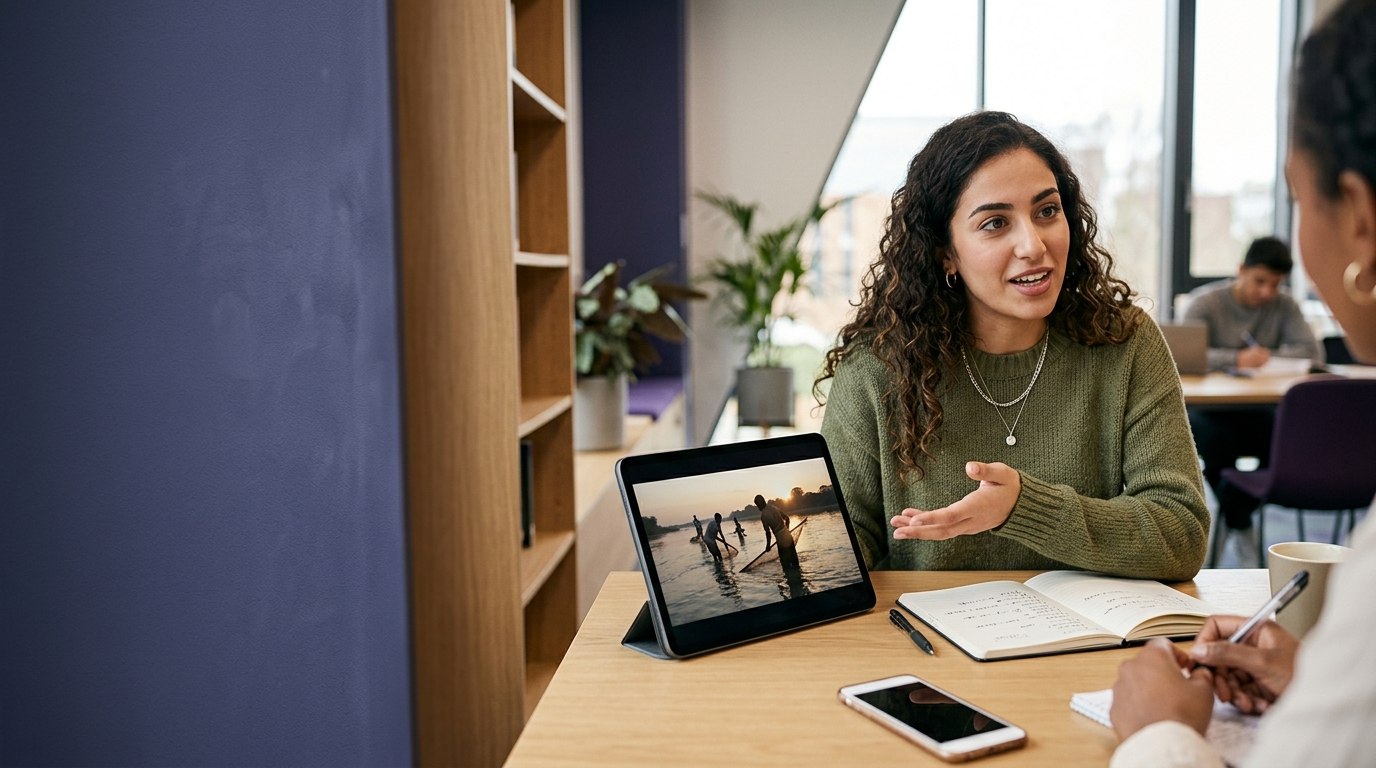
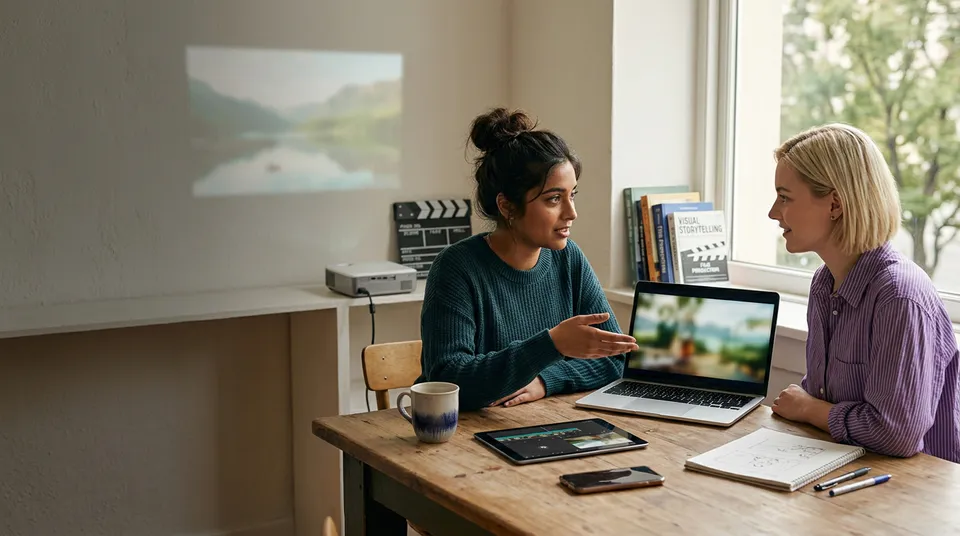
Sử dụng hình ảnh làm gợi ý tưởng. Mô tả những gì bạn nhận thấy, kết nối nó với trải nghiệm của bạn, sau đó trả lời câu hỏi thực sự.
Những câu trả lời mẫu, được nghe cạnh nhau
Bắt đầu với câu trả lời đơn giản hơn, chuyển Band để nghe cách phát triển nhiệm vụ tương tự, sau đó ghi lại câu trả lời cá nhân. Đây là những ví dụ giảng dạy, không phải câu trả lời chính thức hoặc đảm bảo điểm số.
Phần 2 – Câu trả lời mẫu
Part 2 cue-card response
I watched an interesting video last month on my laptop. It was a short documentary about people who keep bees in cities. I saw it at home in the evening while making tea. The video showed how they look after the bees, where they put the hives, and why bees are important for plants. I watched it because I like nature programmes and wanted an easy introduction to beekeeping. The pictures of bees and the hives were clear and the presenter explained things slowly. After watching, I felt curious and more confident that I could try learning more. It made me want to read a book or go to a class about bees.
Last summer I watched a short documentary on YouTube about urban beekeeping while having lunch at home; it was made by a small independent filmmaker and lasted about 25 minutes. The film explained how ordinary people keep bees on rooftops to help pollinate city gardens and showed practical steps like building and maintaining a hive. I watched it because I'm thinking of keeping bees on my balcony and wanted to know the challenges and legal issues — for example it mentioned contacting local councils and checking guidance on where hives can be sited. The director combined interviews with experienced beekeepers and clear close-ups of bees at work, which made the subject surprisingly vivid; there was a memorable scene of a swarm being gently moved to a new hive. It also gave useful safety tips, such as how to tell when a hive is healthy and what protective clothing to use, and it listed approximate start-up costs. Within a week I joined an online community the filmmaker recommended to ask practical questions and share plans. After watching, I felt inspired but realistic — excited to try it, yet aware of the responsibility and the need for proper training.
Phần 3 - Câu trả lời mẫu
What kind of videos do people in your country like to watch?
People here watch lots of different videos. Many like music videos, funny clips, cooking shows and short social media posts. A lot of people also watch news clips and documentaries. It depends on age and mood — young people choose short, fast clips while older people might watch longer programmes.
People tend to follow global trends: short-form social clips, music videos and lifestyle tutorials are very popular, but there's also a steady audience for long-form documentaries and streamed dramas. Platform matters too — on phones you get quick, snackable content, while on a TV people prefer a full documentary or drama. So tastes are varied and often shaped by how people access the video and how much time they have.
Which is more helpful, watching videos or reading books?
It really depends on what you want to learn. Videos are good when you need to see something done, like cooking or DIY. Books are better for deep background, ideas and detailed explanations. For most people, using both is best.
Which is more helpful depends on the goal: videos excel at demonstrations and visual explanations, so they're ideal for practical skills, whereas books give more depth, structure and critical analysis, which is useful for theory and reflection. Many learners combine both — watch a video to grasp a procedure, then read a chapter for wider context and nuance. In short, they're complementary rather than mutually exclusive.
What skills can people learn from watching videos?
From videos people can learn cooking, DIY tasks, exercises, language basics and some software skills. You can copy steps and repeat them at home. It's easy to pause and try things yourself.
Videos are excellent for procedural and technical skills — cooking techniques, DIY repairs, software tutorials and musical instrument basics — because learners can see step-by-step actions and visual cues. They also help with soft skills like presentation or public speaking when you watch examples and mimic body language or phrasing. However, watching alone isn't enough; real improvement needs practice and feedback.
Are there any differences between the videos that young people and old people like to watch?
Yes — young people usually like short, fast clips, vlogs and gaming videos. Older people often prefer news, documentaries or gardening and cooking shows. Young viewers want quick entertainment while older viewers like more detail.
There are clear tendencies: younger audiences generally favour short-form content, influencers, live streams and gaming videos that move fast and are easy to share, whereas older viewers often prefer long-form material such as news, in-depth documentaries and traditional TV programmes. Preferences also reflect habits — younger people grew up with smartphones and social platforms, so they expect rapid editing and interaction, while older viewers favour a calmer pace and familiar formats. That said, overlap exists and many older viewers now enjoy viral clips too.
Are there any differences between the videos that young men and young women like to watch?
There can be differences, but they are not strict. Young men might watch gaming and tech reviews more, and young women might watch beauty and lifestyle videos more. But many kinds of videos are popular with both genders these days.
Differences do appear in viewing patterns, but they're more about interests and marketing than fixed rules: historically gaming and tech channels have skewed male, while beauty, fashion and lifestyle channels attract larger female audiences, yet many creators now reach broad, gender-mixed followings. Algorithms and targeted advertising also push certain genres to particular groups, which reinforces those patterns. Ultimately individual interests matter more than gender alone.
What makes a video go viral online?
A video goes viral if lots of people share it quickly. It needs to be funny, surprising or very emotional. Good thumbnails and short length help make people click and share.
Virality usually comes from a combination of factors: an immediate emotional hook (humour, surprise, awe or empathy), a clear and relatable idea that people want to share, and favourable timing or endorsement by an influencer. Platform mechanics matter too — the algorithm, an eye-catching thumbnail, short loopable format and subtitles for silent viewing all boost spread. Ultimately, simple originality plus social proof often makes a piece of content explode online.
Cách trả lời Mô tả một video thú vị Câu hỏi Nói IELTS
Đối với thẻ gợi ý Mô tả một video thú vị, hãy sử dụng phút chuẩn bị để xây dựng lộ trình xuyên suốt buổi nói chuyện. Chọn một chủ đề rõ ràng, thêm hai khoảnh khắc hoặc chi tiết cụ thể và kết thúc bằng lý do tại sao nó quan trọng. Sau đó sử dụng các câu hỏi Phần 3 được liên kết để thực hành giải thích và so sánh rộng hơn.
Lời nhắc của thẻ Cue:
- Bạn đã xem nó khi nào và ở đâu
- Nó nói về cái gì
- Tại sao bạn xem nó
- Và giải thích bạn cảm thấy thế nào về nó
- Mở đầu: xác định người, địa điểm, đồ vật hoặc sự kiện.
- Phát triển: mô tả hai chi tiết hoặc khoảnh khắc theo một trình tự hợp lý.
- Phần mở rộng: giải thích lý do, kết quả, so sánh hoặc vấn đề.
- Suy ngẫm: kết thúc bằng việc tại sao chủ đề lại đáng nhớ hoặc quan trọng.
Cách tiếp cận theo từng câu hỏi
| Câu hỏi thực hành | Câu trả lời hữu ích di chuyển |
|---|---|
| What kind of videos do people in your country like to watch? | Đặt tên cho sự vật trước, sau đó mô tả một tính năng hoặc ví dụ cụ thể. |
| Which is more helpful, watching videos or reading books? | Đưa ra câu trả lời trực tiếp, một lý do và một ví dụ ngắn mà không cần ghi nhớ kịch bản. |
| What skills can people learn from watching videos? | Đặt tên cho sự vật trước, sau đó mô tả một tính năng hoặc ví dụ cụ thể. |
| Are there any differences between the videos that young people and old people like to watch? | Đưa ra câu trả lời trực tiếp, một lý do và một ví dụ ngắn mà không cần ghi nhớ kịch bản. |
Trọng tâm từ vựng
Ngôn ngữ hữu ích đã được trình bày trong các câu trả lời mẫu bao gồm short-form, lifestyle tutorials, snackable content, demonstration, in-depth, complementary, step-by-step, visual cues. Tìm hiểu từng nghĩa và cách kết hợp từ tự nhiên, sau đó sử dụng mục đó trong câu trả lời mới thay vì sao chép toàn bộ văn bản.
Những lỗi thường gặp cần tránh
- Đưa ra một câu trả lời thuộc lòng mà chỉ trả lời được một phần câu hỏi.
- Bổ sung từ vựng khó mà không cần kiểm tra nghĩa hoặc sắp xếp thứ tự.
- Khởi động lại sau mỗi lỗi thay vì sửa nhanh và tiếp tục.
- Đọc câu trả lời mẫu trước khi ghi lại lần thử đầu tiên của bạn.
Mô tả một câu hỏi thường gặp về video thực hành thú vị
Tôi nên sử dụng phút chuẩn bị thẻ mô tả video thú vị như thế nào?
Viết từ khóa cho phần mở đầu, hai hoặc ba chi tiết và suy ngẫm cuối cùng. Đừng cố gắng viết câu hoàn chỉnh.
Tôi có phải che từng viên đạn của thẻ gợi ý không?
Những lời nhắc giúp bạn tổ chức cuộc nói chuyện. Bao gồm chúng là hữu ích, nhưng một phản hồi mạch lạc từ một đến hai phút quan trọng hơn việc đánh dấu từng dòng một cách máy móc.
Các câu hỏi của Phần 3 được kết nối với Phần 2 như thế nào?
Chúng phát triển cùng một chủ đề rộng thông qua các lý do, so sánh, hiệu ứng xã hội hoặc khả năng trong tương lai, vì vậy các câu trả lời thường cần được giải thích nhiều hơn Phần 1.
