
雅思口說第二部分和第三部分:Describe an interesting video

第 2 部分 提示卡
Describe an interesting video
你應該說:
- 您何時何地觀看的
- 這是關於什麼的
- 你為什麼觀看它
- 並解釋你對此的感受
您將有一到兩分鐘的時間來討論這個主題。
閱讀完整的文字記錄
Last summer I watched a short documentary on YouTube about urban beekeeping while having lunch at home; it was made by a small independent filmmaker and lasted about 25 minutes. The film explained how ordinary people keep bees on rooftops to help pollinate city gardens and showed practical steps like building and maintaining a hive. I watched it because I'm thinking of keeping bees on my balcony and wanted to know the challenges and legal issues — for example it mentioned contacting local councils and checking guidance on where hives can be sited. The director combined interviews with experienced beekeepers and clear close-ups of bees at work, which made the subject surprisingly vivid; there was a memorable scene of a swarm being gently moved to a new hive. It also gave useful safety tips, such as how to tell when a hive is healthy and what protective clothing to use, and it listed approximate start-up costs. Within a week I joined an online community the filmmaker recommended to ask practical questions and share plans. After watching, I felt inspired but realistic — excited to try it, yet aware of the responsibility and the need for proper training.
準備狀態:預測主題週期。這個獨立的練習資源不是雅思官方試卷,您測驗中的問題可能會有所不同。 主題如何標記.
第三部分討論問題
一次移動一個問題:聆聽、回答、比較並重試。完整的問題文字保留在 HTML 頁面中,以便於存取和搜尋。
- 01What kind of videos do people in your country like to watch?
- 02Which is more helpful, watching videos or reading books?
- 03What skills can people learn from watching videos?
- 04Are there any differences between the videos that young people and old people like to watch?
- 05Are there any differences between the videos that young men and young women like to watch?
- 06What makes a video go viral online?
說話前先看清主題
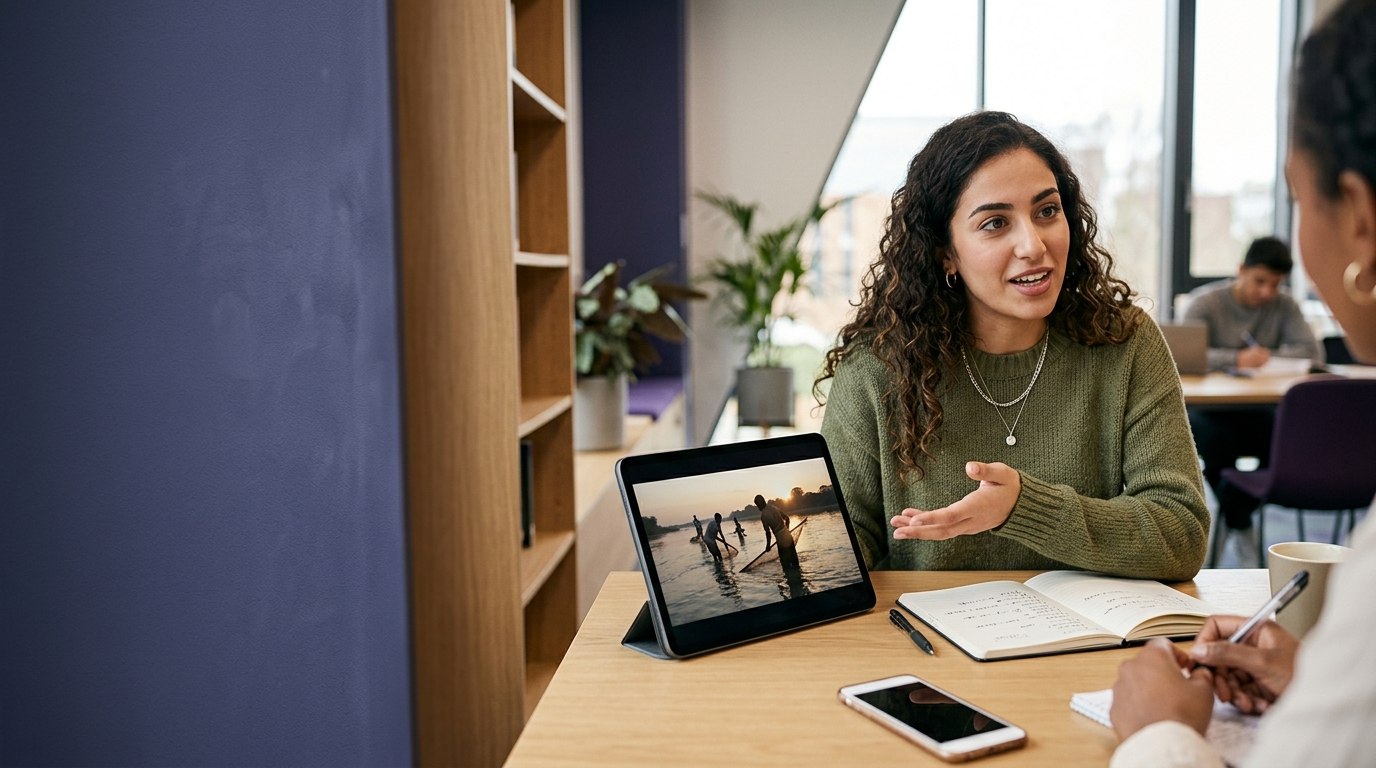
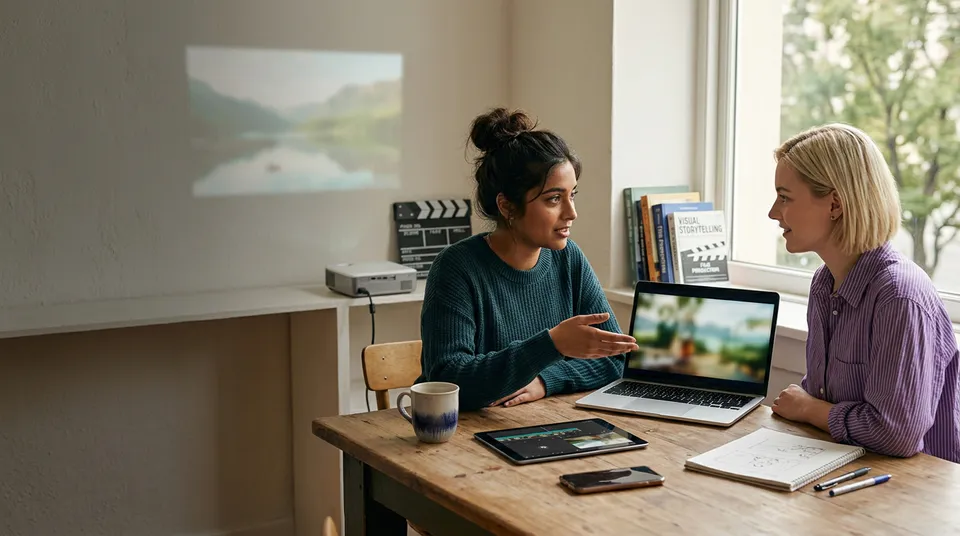
使用圖像作為想法提示。描述您注意到的內容,將其與您的經歷聯繫起來,然後回答真正的問題。
模範答案,並排聆聽
從更簡單的答案開始,切換 Band 來聽聽如何發展相同的任務,然後記錄個人回答。這些是教學範例,不是官方答案或分數保證。
第 2 部分—標準答案
Part 2 cue-card response
I watched an interesting video last month on my laptop. It was a short documentary about people who keep bees in cities. I saw it at home in the evening while making tea. The video showed how they look after the bees, where they put the hives, and why bees are important for plants. I watched it because I like nature programmes and wanted an easy introduction to beekeeping. The pictures of bees and the hives were clear and the presenter explained things slowly. After watching, I felt curious and more confident that I could try learning more. It made me want to read a book or go to a class about bees.
Last summer I watched a short documentary on YouTube about urban beekeeping while having lunch at home; it was made by a small independent filmmaker and lasted about 25 minutes. The film explained how ordinary people keep bees on rooftops to help pollinate city gardens and showed practical steps like building and maintaining a hive. I watched it because I'm thinking of keeping bees on my balcony and wanted to know the challenges and legal issues — for example it mentioned contacting local councils and checking guidance on where hives can be sited. The director combined interviews with experienced beekeepers and clear close-ups of bees at work, which made the subject surprisingly vivid; there was a memorable scene of a swarm being gently moved to a new hive. It also gave useful safety tips, such as how to tell when a hive is healthy and what protective clothing to use, and it listed approximate start-up costs. Within a week I joined an online community the filmmaker recommended to ask practical questions and share plans. After watching, I felt inspired but realistic — excited to try it, yet aware of the responsibility and the need for proper training.
第 3 部分—標準答案
What kind of videos do people in your country like to watch?
People here watch lots of different videos. Many like music videos, funny clips, cooking shows and short social media posts. A lot of people also watch news clips and documentaries. It depends on age and mood — young people choose short, fast clips while older people might watch longer programmes.
People tend to follow global trends: short-form social clips, music videos and lifestyle tutorials are very popular, but there's also a steady audience for long-form documentaries and streamed dramas. Platform matters too — on phones you get quick, snackable content, while on a TV people prefer a full documentary or drama. So tastes are varied and often shaped by how people access the video and how much time they have.
Which is more helpful, watching videos or reading books?
It really depends on what you want to learn. Videos are good when you need to see something done, like cooking or DIY. Books are better for deep background, ideas and detailed explanations. For most people, using both is best.
Which is more helpful depends on the goal: videos excel at demonstrations and visual explanations, so they're ideal for practical skills, whereas books give more depth, structure and critical analysis, which is useful for theory and reflection. Many learners combine both — watch a video to grasp a procedure, then read a chapter for wider context and nuance. In short, they're complementary rather than mutually exclusive.
What skills can people learn from watching videos?
From videos people can learn cooking, DIY tasks, exercises, language basics and some software skills. You can copy steps and repeat them at home. It's easy to pause and try things yourself.
Videos are excellent for procedural and technical skills — cooking techniques, DIY repairs, software tutorials and musical instrument basics — because learners can see step-by-step actions and visual cues. They also help with soft skills like presentation or public speaking when you watch examples and mimic body language or phrasing. However, watching alone isn't enough; real improvement needs practice and feedback.
Are there any differences between the videos that young people and old people like to watch?
Yes — young people usually like short, fast clips, vlogs and gaming videos. Older people often prefer news, documentaries or gardening and cooking shows. Young viewers want quick entertainment while older viewers like more detail.
There are clear tendencies: younger audiences generally favour short-form content, influencers, live streams and gaming videos that move fast and are easy to share, whereas older viewers often prefer long-form material such as news, in-depth documentaries and traditional TV programmes. Preferences also reflect habits — younger people grew up with smartphones and social platforms, so they expect rapid editing and interaction, while older viewers favour a calmer pace and familiar formats. That said, overlap exists and many older viewers now enjoy viral clips too.
Are there any differences between the videos that young men and young women like to watch?
There can be differences, but they are not strict. Young men might watch gaming and tech reviews more, and young women might watch beauty and lifestyle videos more. But many kinds of videos are popular with both genders these days.
Differences do appear in viewing patterns, but they're more about interests and marketing than fixed rules: historically gaming and tech channels have skewed male, while beauty, fashion and lifestyle channels attract larger female audiences, yet many creators now reach broad, gender-mixed followings. Algorithms and targeted advertising also push certain genres to particular groups, which reinforces those patterns. Ultimately individual interests matter more than gender alone.
What makes a video go viral online?
A video goes viral if lots of people share it quickly. It needs to be funny, surprising or very emotional. Good thumbnails and short length help make people click and share.
Virality usually comes from a combination of factors: an immediate emotional hook (humour, surprise, awe or empathy), a clear and relatable idea that people want to share, and favourable timing or endorsement by an influencer. Platform mechanics matter too — the algorithm, an eye-catching thumbnail, short loopable format and subtitles for silent viewing all boost spread. Ultimately, simple originality plus social proof often makes a piece of content explode online.
如何回答 描述一個有趣的影片 雅思口語問題
對於“描述一個有趣的視訊提示卡”,請利用準備時間來建立貫穿演講的路線。選擇一個明確的主題,加入兩個特定的時刻或細節,最後說明為什麼它很重要。然後使用連結的第 3 部分問題來練習更廣泛的解釋和比較。
提示卡提示:
- 您何時何地觀看的
- 這是關於什麼的
- 你為什麼觀看它
- 並解釋你對此的感受
- 開頭:指出人物、地點、物件或事件。
- 發展:以邏輯順序描述兩個細節或時刻。
- 擴展:解釋原因、結果、比較或問題。
- 反思:以為什麼主題令人難忘或重要來結束。
逐個問題的方法
| 練習題 | 有用的答案動作 |
|---|---|
| What kind of videos do people in your country like to watch? | 首先命名事物,然後描述特定的功能或範例。 |
| Which is more helpful, watching videos or reading books? | 給出一個直接的答案、一個原因和一個簡短的例子,無需記住腳本。 |
| What skills can people learn from watching videos? | 首先命名事物,然後描述特定的功能或範例。 |
| Are there any differences between the videos that young people and old people like to watch? | 給出一個直接的答案、一個原因和一個簡短的例子,無需記住腳本。 |
詞彙重點
模型答案中已經展示的有用語言包括 short-form, lifestyle tutorials, snackable content, demonstration, in-depth, complementary, step-by-step, visual cues。學習每個含義和自然的單字夥伴關係,然後在新的答案中使用該項目,而不是複製完整的腳本。
要避免的常見錯誤
- 給出的記憶答案只能部分回答問題。
- 加入困難的詞彙而不檢查意義或搭配。
- 每次錯誤後重新啟動,而不是短暫修正並繼續。
- 在記錄您自己的第一次嘗試之前,請先閱讀標準答案。
描述一個有趣的影片練習常見問題解答
我應該如何使用“描述一個有趣的視頻提示卡準備分鐘”?
為開頭、兩三個細節和最後的反思寫下關鍵字。不要試圖寫出完整的句子。
我必須覆蓋所有提示卡項目符號嗎?
提示可以幫助您組織演講。涵蓋它們是有用的,但是一到兩分鐘的連貫響應比機械地勾選每一行更重要。
第 3 部分的問題與第 2 部分有何關聯?
他們透過原因、比較、社會影響或未來的可能性發展出相同的廣泛主題,因此答案通常需要比第 1 部分更多的解釋。
