
IELTS Speaking, часть 2 и 3: Describe an interesting video

Карточка-подсказка части 2
Describe an interesting video
Вы должны сказать:
- Когда и где ты это смотрел
- О чем идет речь
- Почему ты это посмотрел
- И объясни, что ты чувствуешь по этому поводу
У вас будет одна-две минуты, чтобы поговорить на эту тему.
Читать полную расшифровку
Last summer I watched a short documentary on YouTube about urban beekeeping while having lunch at home; it was made by a small independent filmmaker and lasted about 25 minutes. The film explained how ordinary people keep bees on rooftops to help pollinate city gardens and showed practical steps like building and maintaining a hive. I watched it because I'm thinking of keeping bees on my balcony and wanted to know the challenges and legal issues — for example it mentioned contacting local councils and checking guidance on where hives can be sited. The director combined interviews with experienced beekeepers and clear close-ups of bees at work, which made the subject surprisingly vivid; there was a memorable scene of a swarm being gently moved to a new hive. It also gave useful safety tips, such as how to tell when a hive is healthy and what protective clothing to use, and it listed approximate start-up costs. Within a week I joined an online community the filmmaker recommended to ask practical questions and share plans. After watching, I felt inspired but realistic — excited to try it, yet aware of the responsibility and the need for proper training.
Статус подготовки: Прогнозируемый тематический цикл. Этот независимый практический ресурс не является официальным документом IELTS, и вопросы в вашем тесте могут быть разными. Как помечаются темы.
Вопросы для обсуждения части 3
Двигайтесь по одному вопросу за раз: слушайте, отвечайте, сравнивайте и повторяйте. Полный текст вопроса остается в HTML-коде страницы для обеспечения доступности и поиска.
- 01What kind of videos do people in your country like to watch?
- 02Which is more helpful, watching videos or reading books?
- 03What skills can people learn from watching videos?
- 04Are there any differences between the videos that young people and old people like to watch?
- 05Are there any differences between the videos that young men and young women like to watch?
- 06What makes a video go viral online?
Прежде чем говорить, просмотрите тему
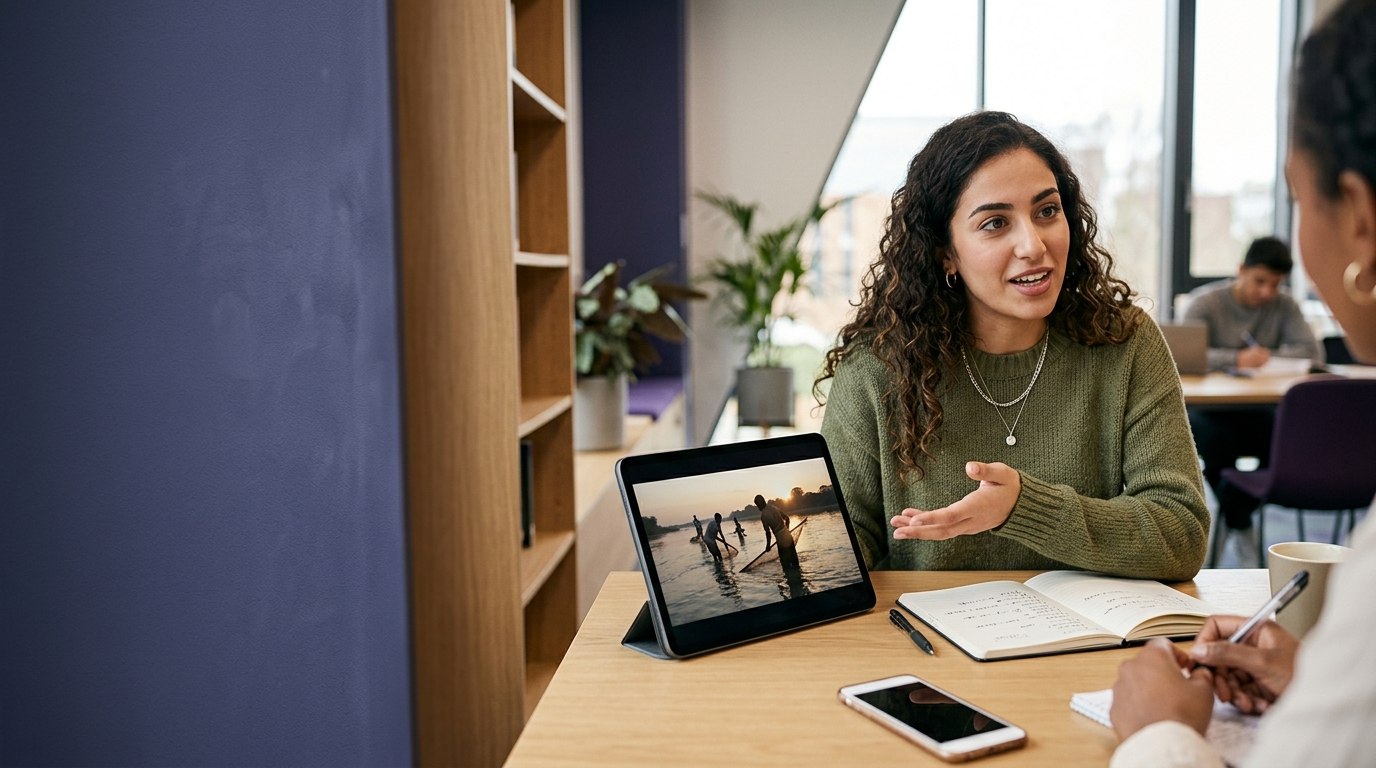
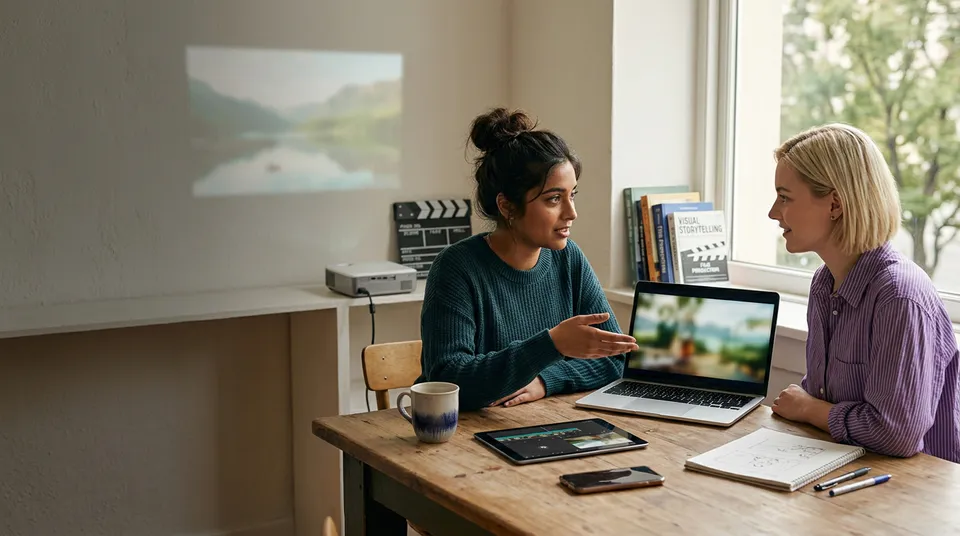
Используйте изображения в качестве подсказок идей. Опишите то, что вы заметили, свяжите это со своим опытом, а затем ответьте на реальный вопрос.
Типовые ответы, услышанные параллельно
Начните с более простого ответа, переключитесь на Band, чтобы услышать, как можно разработать ту же задачу, а затем запишите личный ответ. Это обучающие примеры, а не официальные ответы или гарантии баллов.
Часть 2. Типовой ответ
Part 2 cue-card response
I watched an interesting video last month on my laptop. It was a short documentary about people who keep bees in cities. I saw it at home in the evening while making tea. The video showed how they look after the bees, where they put the hives, and why bees are important for plants. I watched it because I like nature programmes and wanted an easy introduction to beekeeping. The pictures of bees and the hives were clear and the presenter explained things slowly. After watching, I felt curious and more confident that I could try learning more. It made me want to read a book or go to a class about bees.
Last summer I watched a short documentary on YouTube about urban beekeeping while having lunch at home; it was made by a small independent filmmaker and lasted about 25 minutes. The film explained how ordinary people keep bees on rooftops to help pollinate city gardens and showed practical steps like building and maintaining a hive. I watched it because I'm thinking of keeping bees on my balcony and wanted to know the challenges and legal issues — for example it mentioned contacting local councils and checking guidance on where hives can be sited. The director combined interviews with experienced beekeepers and clear close-ups of bees at work, which made the subject surprisingly vivid; there was a memorable scene of a swarm being gently moved to a new hive. It also gave useful safety tips, such as how to tell when a hive is healthy and what protective clothing to use, and it listed approximate start-up costs. Within a week I joined an online community the filmmaker recommended to ask practical questions and share plans. After watching, I felt inspired but realistic — excited to try it, yet aware of the responsibility and the need for proper training.
Часть 3. Типовые ответы
What kind of videos do people in your country like to watch?
People here watch lots of different videos. Many like music videos, funny clips, cooking shows and short social media posts. A lot of people also watch news clips and documentaries. It depends on age and mood — young people choose short, fast clips while older people might watch longer programmes.
People tend to follow global trends: short-form social clips, music videos and lifestyle tutorials are very popular, but there's also a steady audience for long-form documentaries and streamed dramas. Platform matters too — on phones you get quick, snackable content, while on a TV people prefer a full documentary or drama. So tastes are varied and often shaped by how people access the video and how much time they have.
Which is more helpful, watching videos or reading books?
It really depends on what you want to learn. Videos are good when you need to see something done, like cooking or DIY. Books are better for deep background, ideas and detailed explanations. For most people, using both is best.
Which is more helpful depends on the goal: videos excel at demonstrations and visual explanations, so they're ideal for practical skills, whereas books give more depth, structure and critical analysis, which is useful for theory and reflection. Many learners combine both — watch a video to grasp a procedure, then read a chapter for wider context and nuance. In short, they're complementary rather than mutually exclusive.
What skills can people learn from watching videos?
From videos people can learn cooking, DIY tasks, exercises, language basics and some software skills. You can copy steps and repeat them at home. It's easy to pause and try things yourself.
Videos are excellent for procedural and technical skills — cooking techniques, DIY repairs, software tutorials and musical instrument basics — because learners can see step-by-step actions and visual cues. They also help with soft skills like presentation or public speaking when you watch examples and mimic body language or phrasing. However, watching alone isn't enough; real improvement needs practice and feedback.
Are there any differences between the videos that young people and old people like to watch?
Yes — young people usually like short, fast clips, vlogs and gaming videos. Older people often prefer news, documentaries or gardening and cooking shows. Young viewers want quick entertainment while older viewers like more detail.
There are clear tendencies: younger audiences generally favour short-form content, influencers, live streams and gaming videos that move fast and are easy to share, whereas older viewers often prefer long-form material such as news, in-depth documentaries and traditional TV programmes. Preferences also reflect habits — younger people grew up with smartphones and social platforms, so they expect rapid editing and interaction, while older viewers favour a calmer pace and familiar formats. That said, overlap exists and many older viewers now enjoy viral clips too.
Are there any differences between the videos that young men and young women like to watch?
There can be differences, but they are not strict. Young men might watch gaming and tech reviews more, and young women might watch beauty and lifestyle videos more. But many kinds of videos are popular with both genders these days.
Differences do appear in viewing patterns, but they're more about interests and marketing than fixed rules: historically gaming and tech channels have skewed male, while beauty, fashion and lifestyle channels attract larger female audiences, yet many creators now reach broad, gender-mixed followings. Algorithms and targeted advertising also push certain genres to particular groups, which reinforces those patterns. Ultimately individual interests matter more than gender alone.
What makes a video go viral online?
A video goes viral if lots of people share it quickly. It needs to be funny, surprising or very emotional. Good thumbnails and short length help make people click and share.
Virality usually comes from a combination of factors: an immediate emotional hook (humour, surprise, awe or empathy), a clear and relatable idea that people want to share, and favourable timing or endorsement by an influencer. Platform mechanics matter too — the algorithm, an eye-catching thumbnail, short loopable format and subtitles for silent viewing all boost spread. Ultimately, simple originality plus social proof often makes a piece of content explode online.
Как ответить Опишите интересное видео IELTS Speaking вопросы
Для карточки «Опишите интересную видеоподсказку» используйте минуту подготовки, чтобы построить маршрут выступления. Выберите четкую тему, добавьте два конкретных момента или детали и закончите рассказом, почему это важно. Затем используйте связанные вопросы Части 3, чтобы попрактиковаться в более широком объяснении и сравнении.
Подсказки на карточке:
- Когда и где ты это смотрел
- О чем идет речь
- Почему ты это посмотрел
- И объясни, что ты чувствуешь по этому поводу
- Открытие: идентифицируйте человека, место, предмет или событие.
- Развитие: опишите две детали или моменты в логическом порядке.
- Расширение: объясните причину, результат, сравнение или проблему.
- Для размышления: закончите рассказом о том, почему тема запомнилась или важна.
Повопросный подход
| Практический вопрос | Полезный ответный ход |
|---|---|
| What kind of videos do people in your country like to watch? | Сначала назовите вещь, затем опишите конкретную особенность или пример. |
| Which is more helpful, watching videos or reading books? | Дайте прямой ответ, одну причину и короткий пример, не заучивая сценарий. |
| What skills can people learn from watching videos? | Сначала назовите вещь, затем опишите конкретную особенность или пример. |
| Are there any differences between the videos that young people and old people like to watch? | Дайте прямой ответ, одну причину и короткий пример, не заучивая сценарий. |
Словарный фокус
Полезные формулировки, уже продемонстрированные в примерных ответах, включают: short-form, lifestyle tutorials, snackable content, demonstration, in-depth, complementary, step-by-step, visual cues. Изучите каждое значение и естественное сочетание слов, а затем используйте этот элемент в новом ответе вместо того, чтобы копировать полный сценарий.
Распространенные ошибки, которых следует избегать
- Дает заученный ответ, который лишь частично отвечает на вопрос.
- Добавление сложной лексики без проверки значения или словосочетания.
- Перезапуск после каждой ошибки вместо кратковременного исправления и продолжения.
- Чтение ответа модели перед записью своей первой попытки.
Опишите интересное видео по практике FAQ
Как мне использовать минутку подготовки «Опишите интересную видеоподсказку»?
Напишите ключевые слова для начала, двух-трех деталей и финального размышления. Не пытайтесь писать полные предложения.
Должен ли я покрывать каждый пункт подсказки?
Подсказки помогут вам организовать беседу. Рассказывать о них полезно, но последовательный ответ в течение одной-двух минут важнее, чем механическая отметка каждой строки.
Как вопросы Части 3 связаны с Частью 2?
Они развивают одну и ту же широкую тему посредством причин, сравнений, социальных последствий или будущих возможностей, поэтому ответы обычно требуют большего объяснения, чем Часть 1.
