
IELTS Speaking Bagian 1: Crowded place Tanya Jawab

Pertanyaan bagian 1
Pindahkan pertanyaan satu per satu: dengarkan, jawab, bandingkan, dan coba lagi. Teks pertanyaan lengkap tetap ada di halaman HTML untuk aksesibilitas dan pencarian.
- 01Is the city where you live crowded?
- 02Is there a crowded place near where you live?
- 03Do you like crowded places?Full Band 6/7 answer →
- 04Do most people like crowded places?
- 05When was the last time you were in a crowded place?
Baca transkrip lengkapnya
It really depends which part of the city you mean. The city centre is usually packed, particularly during the morning and evening rush hours, with crowded buses and busy pavements. By contrast, the suburbs and riverside parks are much quieter, so overall the city feels busy but not uniformly overcrowded.
Status persiapan: Siklus topik yang diprediksi. Sumber latihan mandiri ini bukan makalah IELTS resmi, dan soal-soal dalam tes Anda bisa berbeda. Bagaimana topik diberi label.
Lihat topiknya sebelum Anda berbicara
Gunakan gambar sebagai petunjuk ide. Jelaskan apa yang Anda perhatikan, hubungkan dengan pengalaman Anda, lalu jawab pertanyaan sebenarnya.
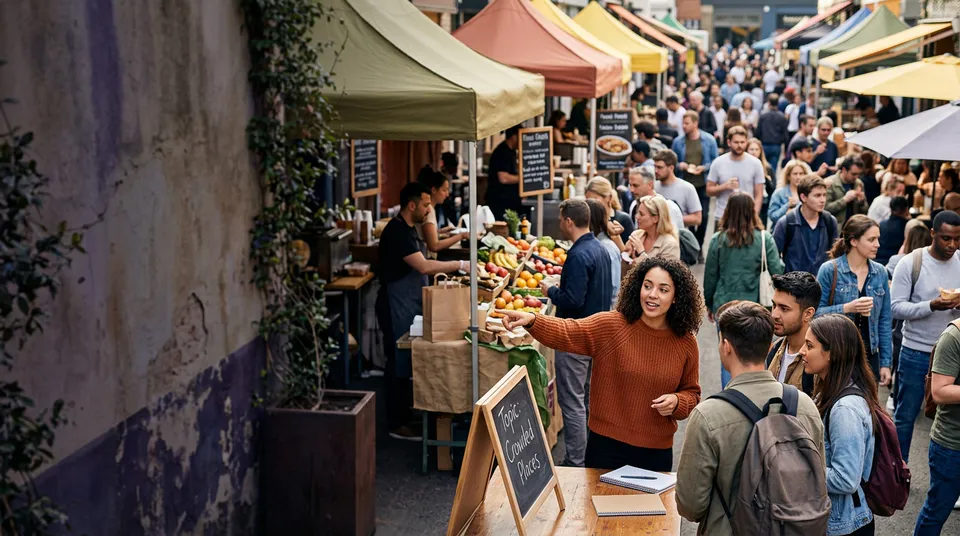
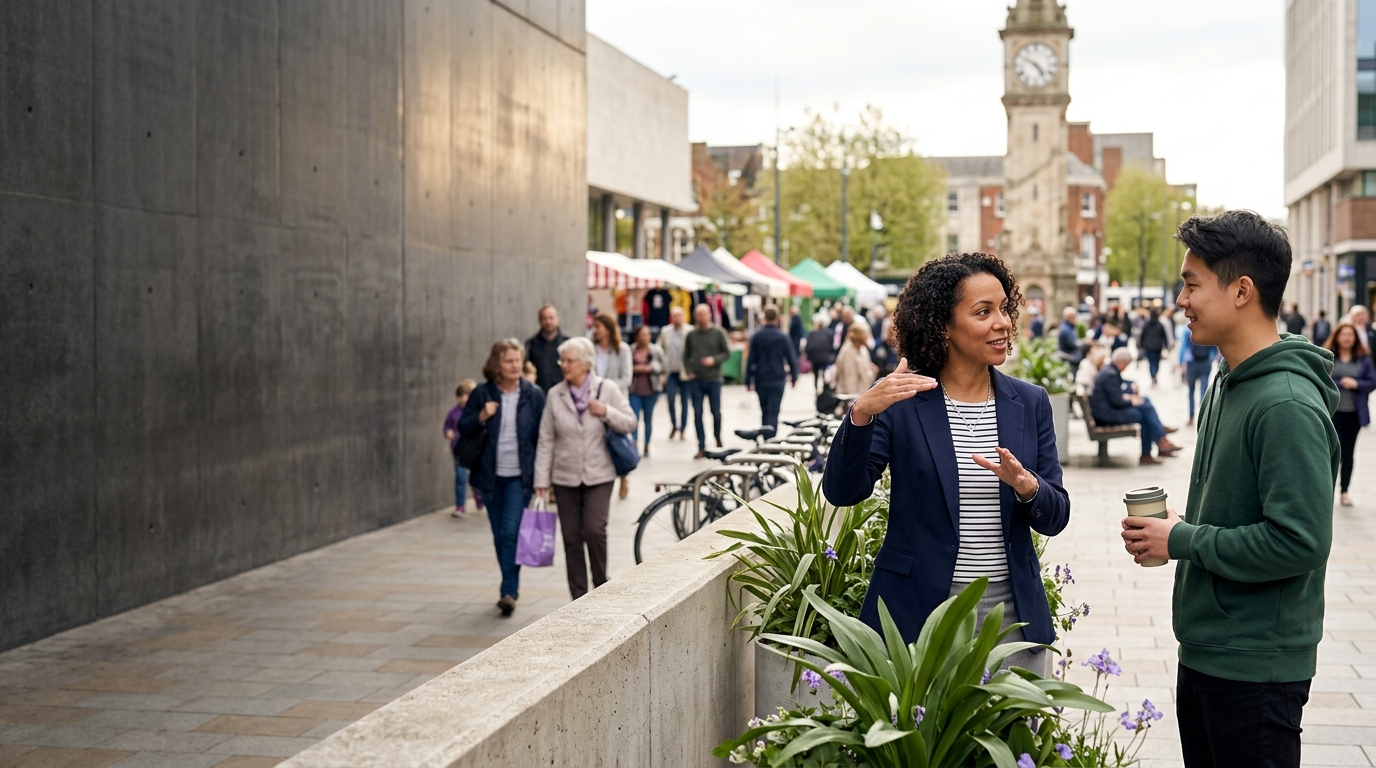
Jawaban model, terdengar berdampingan
Mulailah dengan jawaban yang lebih sederhana, alihkan Band untuk mendengarkan bagaimana tugas yang sama dapat dikembangkan, lalu catat tanggapan pribadi. Ini adalah contoh pengajaran, bukan jawaban resmi atau jaminan skor.
Is the city where you live crowded?
Yes, the city I live in is quite crowded, especially in the centre. There are lots of cars and buses at rush hour and the pavements can be busy. Parks and some residential streets are much quieter though, so it depends where you go.
It really depends which part of the city you mean. The city centre is usually packed, particularly during the morning and evening rush hours, with crowded buses and busy pavements. By contrast, the suburbs and riverside parks are much quieter, so overall the city feels busy but not uniformly overcrowded.
Is there a crowded place near where you live?
Yes, there’s a busy shopping street a few minutes from my flat. On Saturdays it gets crowded, with people queuing outside shops and a lot of traffic nearby. It’s noisy but convenient for shopping.
There’s a small shopping district and a commuter train station close to where I live, and both can get quite busy. The train station is particularly crowded during weekday mornings, while the shopping area fills up at weekends and during sales, which creates queues and a lot of footfall.
Do you like crowded places?
I don’t mind crowded places sometimes. I like them when there’s a good atmosphere, like at a market or festival. But I don’t enjoy being cramped for a long time, so I usually avoid very crowded shops.
I’m fairly ambivalent — I enjoy crowds when there’s energy and a purpose, for example at a concert or a weekend market, because it feels lively. But I find very dense crowds draining and a bit claustrophobic, so I avoid them for shopping or long journeys if I can.
Do most people like crowded places?
I think opinions differ. Some people like crowded places because they’re lively and social. Others prefer quiet places and avoid crowds. It depends on the person.
Most people’s preferences vary — some thrive on the buzz of crowded places and enjoy being around others, while others prefer tranquillity and personal space. Factors like personality, age and cultural background often determine whether someone finds crowds appealing or stressful.
When was the last time you were in a crowded place?
The last time I was in a crowded place was last Saturday when I went to the weekend market. It was busy with families and stalls, and I only stayed for about an hour before it felt too crowded.
I was in a crowded place just a few days ago at a street food fair on Saturday evening. It was packed with people sampling food and chatting; I enjoyed wandering through the stalls for about ninety minutes but started to feel overwhelmed so I left before it got any later.
Status latihan: Arsip topik dari siklus bank soal sebelumnya. Ini tetap berguna untuk latihan keterampilan tetapi tidak disajikan sebagai soal ujian saat ini atau yang dijamin. Bagaimana topik diberi label.
Bagaimana menjawab pertanyaan IELTS Speaking di tempat ramai
Kumpulan tempat ramai ini berisi 5 pertanyaan wawancara singkat. Mulailah setiap jawaban dengan informasi yang diminta pemeriksa, kemudian perpanjang dengan satu alasan, contoh atau kontras. Tujuannya adalah pidato yang spontan dan terhubung—bukan esai mini.
- Jawab pertanyaan persis di kalimat pertama.
- Tambahkan satu alasan atau detail pribadi tertentu.
- Gunakan contoh atau kontras hanya jika menambah informasi baru.
- Selesaikan secara alami dan biarkan penguji mengajukan pertanyaan berikutnya.
Pendekatan pertanyaan demi pertanyaan
| Soal latihan | Langkah jawaban yang berguna |
|---|---|
| Is the city where you live crowded? | Berikan jawaban langsung, satu alasan dan contoh singkat tanpa harus hafal naskahnya. |
| Is there a crowded place near where you live? | Berikan jawaban langsung, satu alasan dan contoh singkat tanpa harus hafal naskahnya. |
| Do you like crowded places? | Jawab secara langsung, berikan alasan dan tambahkan satu detail pribadi yang alami. |
| Do most people like crowded places? | Berikan jawaban langsung, satu alasan dan contoh singkat tanpa harus hafal naskahnya. |
Fokus kosakata
Bahasa yang berguna sudah ditunjukkan dalam model jawaban yang disertakan rush hour, packed, pavements, commuter station, footfall, queues, atmosphere, claustrophobic. Pelajari setiap arti dan hubungan kata yang alami, lalu gunakan item tersebut dalam jawaban baru alih-alih menyalin naskah lengkap.
Kesalahan umum yang harus dihindari
- Memberikan respon hafalan yang hanya menjawab sebagian pertanyaan.
- Menambah kosakata sulit tanpa memeriksa makna atau kolokasi.
- Memulai ulang setelah setiap kesalahan alih-alih mengoreksi sebentar dan melanjutkan.
- Membaca jawaban model sebelum merekam upaya pertama Anda.
FAQ latihan tempat ramai
Berapa panjang jawaban saya untuk Tempat ramai di Bagian 1?
Bertujuan untuk jawaban langsung ditambah alasan atau detail, biasanya dua hingga empat kalimat. Berhentilah ketika ide sudah selesai daripada memaksakan jumlah kata yang tetap.
Haruskah saya menghafal jawaban model tempat ramai?
Tidak. Gunakan hal tersebut untuk memperhatikan struktur dan bahasa, lalu jawablah berdasarkan pengalaman Anda sendiri. Kata-kata yang dihafal bisa gagal ketika penguji mengubah pertanyaan.
Bagaimana jika saya tidak memiliki pengalaman tentang topik tersebut?
Katakan dengan jujur, lalu jelaskan preferensi, observasi, atau contoh hipotetis terkait. Anda dinilai berdasarkan bahasa, bukan pengetahuan khusus.
