
การพูด IELTS ตอนที่ 1: Crowded place คำถามและคำตอบ
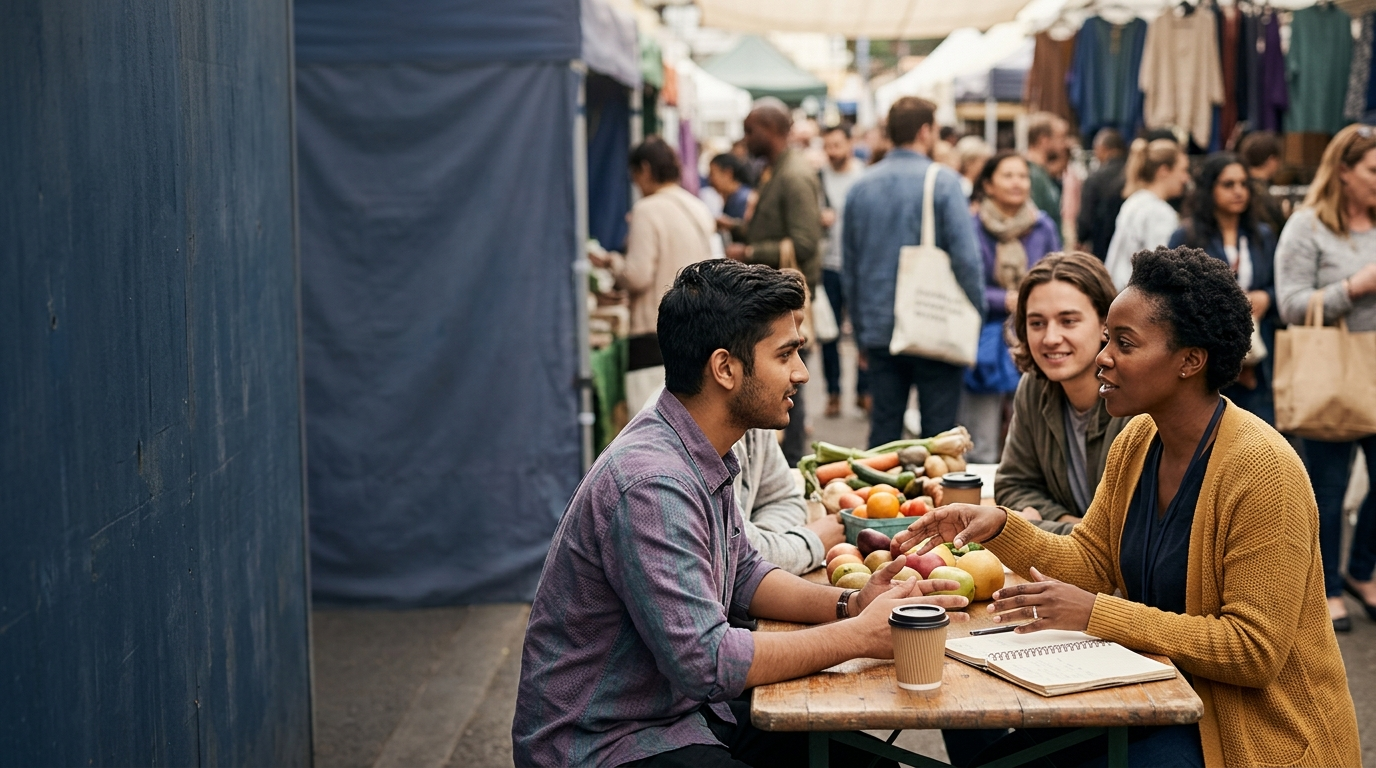
ส่วนที่ 1 คำถาม
ย้ายทีละคำถาม: ฟัง ตอบ เปรียบเทียบ และลองอีกครั้ง ข้อความคำถามที่สมบูรณ์จะยังคงอยู่ในหน้า HTML เพื่อการเข้าถึงและการค้นหา
- 01Is the city where you live crowded?
- 02Is there a crowded place near where you live?
- 03Do you like crowded places?Full Band 6/7 answer →
- 04Do most people like crowded places?
- 05When was the last time you were in a crowded place?
อ่านบทบรรยายฉบับสมบูรณ์
It really depends which part of the city you mean. The city centre is usually packed, particularly during the morning and evening rush hours, with crowded buses and busy pavements. By contrast, the suburbs and riverside parks are much quieter, so overall the city feels busy but not uniformly overcrowded.
สถานะการเตรียมการ: รอบหัวข้อที่คาดการณ์ไว้ แหล่งข้อมูลสำหรับฝึกหัดอิสระนี้ไม่ใช่ข้อสอบ IELTS อย่างเป็นทางการ และคำถามในการทดสอบอาจแตกต่างกันออกไป วิธีการติดป้ายกำกับหัวข้อ.
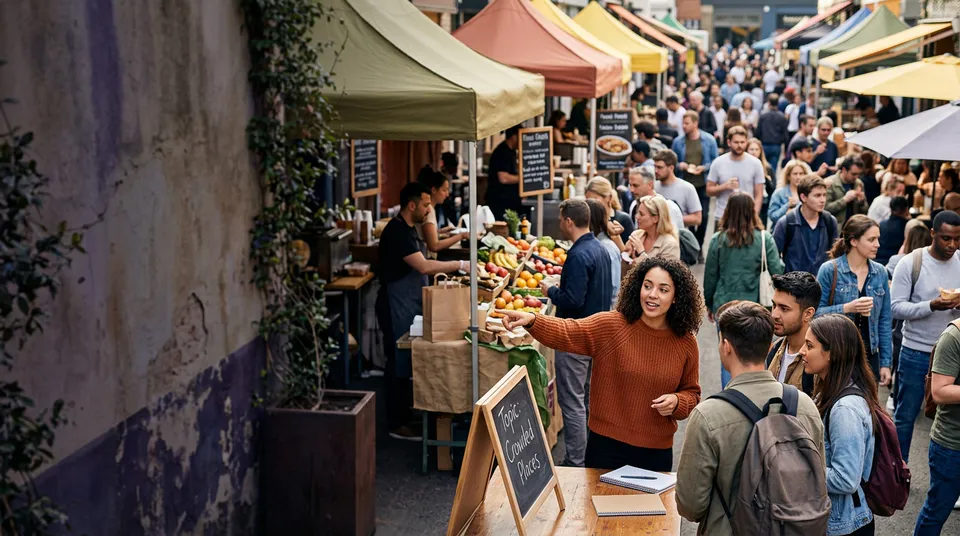
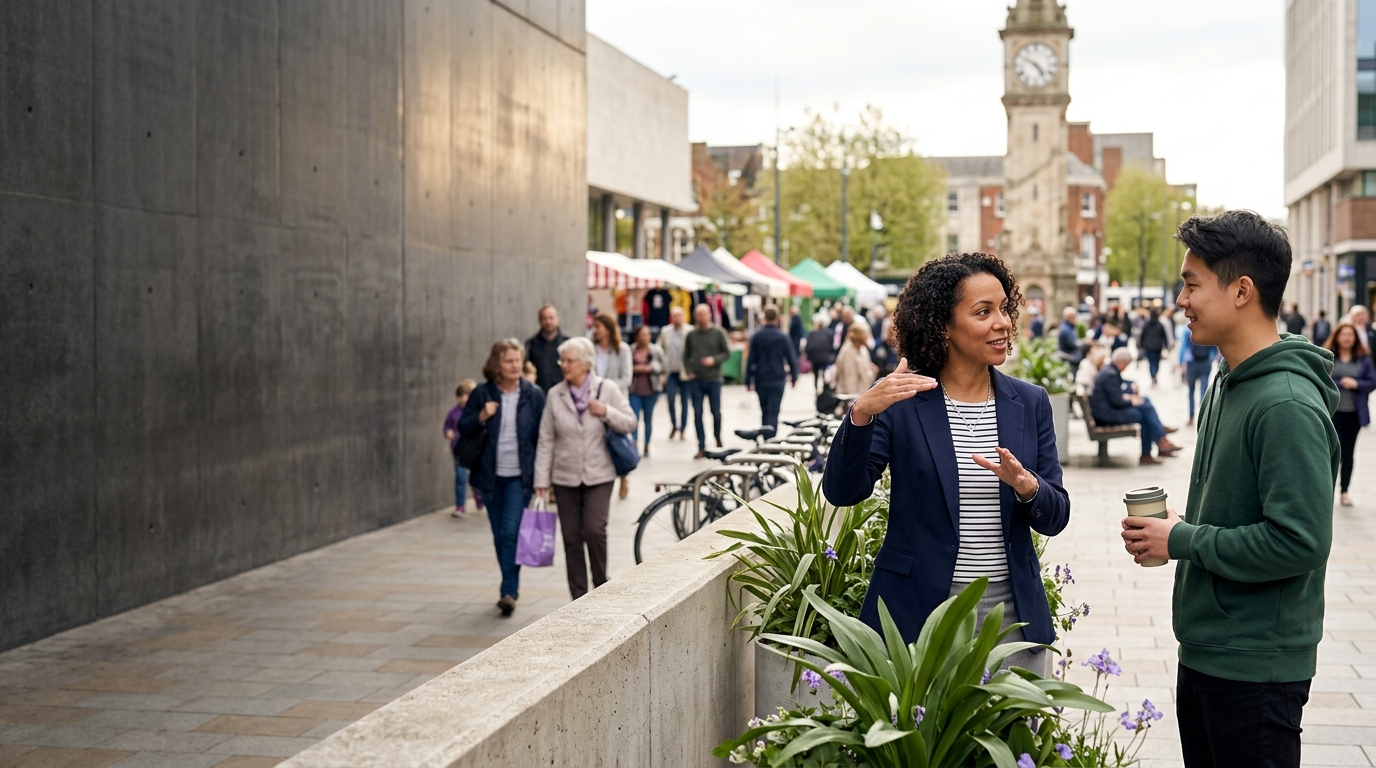
ดูหัวข้อก่อนพูด
ใช้รูปภาพเป็นไอเดีย อธิบายสิ่งที่คุณสังเกตเห็น เชื่อมโยงกับประสบการณ์ของคุณ แล้วตอบคำถามจริง
โมเดลตอบ ได้ยินพร้อมๆ กัน
เริ่มต้นด้วยคำตอบที่ง่ายกว่า สลับ Band เพื่อฟังว่างานเดียวกันนี้สามารถพัฒนาได้อย่างไร จากนั้นจึงบันทึกคำตอบส่วนตัว นี่เป็นตัวอย่างการสอน ไม่ใช่คำตอบอย่างเป็นทางการหรือการรับประกันคะแนน
Is the city where you live crowded?
Yes, the city I live in is quite crowded, especially in the centre. There are lots of cars and buses at rush hour and the pavements can be busy. Parks and some residential streets are much quieter though, so it depends where you go.
It really depends which part of the city you mean. The city centre is usually packed, particularly during the morning and evening rush hours, with crowded buses and busy pavements. By contrast, the suburbs and riverside parks are much quieter, so overall the city feels busy but not uniformly overcrowded.
Is there a crowded place near where you live?
Yes, there’s a busy shopping street a few minutes from my flat. On Saturdays it gets crowded, with people queuing outside shops and a lot of traffic nearby. It’s noisy but convenient for shopping.
There’s a small shopping district and a commuter train station close to where I live, and both can get quite busy. The train station is particularly crowded during weekday mornings, while the shopping area fills up at weekends and during sales, which creates queues and a lot of footfall.
Do you like crowded places?
I don’t mind crowded places sometimes. I like them when there’s a good atmosphere, like at a market or festival. But I don’t enjoy being cramped for a long time, so I usually avoid very crowded shops.
I’m fairly ambivalent — I enjoy crowds when there’s energy and a purpose, for example at a concert or a weekend market, because it feels lively. But I find very dense crowds draining and a bit claustrophobic, so I avoid them for shopping or long journeys if I can.
Do most people like crowded places?
I think opinions differ. Some people like crowded places because they’re lively and social. Others prefer quiet places and avoid crowds. It depends on the person.
Most people’s preferences vary — some thrive on the buzz of crowded places and enjoy being around others, while others prefer tranquillity and personal space. Factors like personality, age and cultural background often determine whether someone finds crowds appealing or stressful.
When was the last time you were in a crowded place?
The last time I was in a crowded place was last Saturday when I went to the weekend market. It was busy with families and stalls, and I only stayed for about an hour before it felt too crowded.
I was in a crowded place just a few days ago at a street food fair on Saturday evening. It was packed with people sampling food and chatting; I enjoyed wandering through the stalls for about ninety minutes but started to feel overwhelmed so I left before it got any later.
สถานะการปฏิบัติ: หัวข้อที่เก็บถาวรจากรอบธนาคารคำถามครั้งก่อน ยังคงมีประโยชน์สำหรับการฝึกทักษะแต่ไม่ได้นำเสนอเป็นคำถามสอบในปัจจุบันหรือที่รับประกัน วิธีการติดป้ายกำกับหัวข้อ.
วิธีตอบคำถาม IELTS Speaking ในที่แออัด
ชุดสถานที่แออัดนี้ประกอบด้วยคำถามสัมภาษณ์สั้นๆ 5 ข้อ เริ่มคำตอบแต่ละข้อด้วยข้อมูลที่ผู้สอบถาม จากนั้นขยายเหตุผลด้วยตัวอย่างหรือข้อแตกต่างเพียงข้อเดียว เป้าหมายคือคำพูดที่เชื่อมโยงและเป็นธรรมชาติ ไม่ใช่เรียงความสั้นๆ
- ตอบคำถามให้ตรงในประโยคแรก
- เพิ่มเหตุผลหรือรายละเอียดส่วนบุคคลที่เฉพาะเจาะจง
- ใช้ตัวอย่างหรือการเปรียบเทียบเฉพาะเมื่อมีการเพิ่มข้อมูลใหม่เท่านั้น
- จบอย่างเป็นธรรมชาติและให้ผู้คุมถามคำถามถัดไป
แนวทางคำถามต่อคำถาม
| คำถามฝึกหัด | การย้ายคำตอบที่เป็นประโยชน์ |
|---|---|
| Is the city where you live crowded? | ให้คำตอบโดยตรง เหตุผลหนึ่งข้อ และตัวอย่างสั้นๆ โดยไม่ต้องจำสคริปต์ |
| Is there a crowded place near where you live? | ให้คำตอบโดยตรง เหตุผลหนึ่งข้อ และตัวอย่างสั้นๆ โดยไม่ต้องจำสคริปต์ |
| Do you like crowded places? | ตอบโดยตรง ให้เหตุผล และเพิ่มรายละเอียดส่วนบุคคลที่เป็นธรรมชาติหนึ่งรายการ |
| Do most people like crowded places? | ให้คำตอบโดยตรง เหตุผลหนึ่งข้อ และตัวอย่างสั้นๆ โดยไม่ต้องจำสคริปต์ |
เน้นคำศัพท์
ภาษาที่มีประโยชน์แสดงให้เห็นแล้วในคำตอบของโมเดล ได้แก่ rush hour, packed, pavements, commuter station, footfall, queues, atmosphere, claustrophobic. เรียนรู้แต่ละความหมายและคู่คำที่เป็นธรรมชาติ จากนั้นใช้รายการนั้นเป็นคำตอบใหม่แทนที่จะคัดลอกสคริปต์ที่สมบูรณ์
ข้อผิดพลาดทั่วไปที่ควรหลีกเลี่ยง
- ให้คำตอบที่จดจำซึ่งตอบคำถามเพียงบางส่วนเท่านั้น
- เติมคำศัพท์ยากๆ โดยไม่ต้องตรวจสอบความหมายหรือการจัดตำแหน่ง
- รีสตาร์ทหลังจากทุกข้อผิดพลาด แทนที่จะแก้ไขในช่วงสั้นๆ และดำเนินการต่อ
- อ่านคำตอบของแบบจำลองก่อนที่จะบันทึกความพยายามครั้งแรกของคุณเอง
คำถามที่พบบ่อยเกี่ยวกับการปฏิบัติในสถานที่แออัด
คำตอบของฉันควรนานแค่ไหนสำหรับสถานที่ที่มีผู้คนหนาแน่นในภาคที่ 1
ตั้งเป้าไปที่คำตอบโดยตรงพร้อมเหตุผลหรือรายละเอียด โดยปกติแล้วจะมีสองถึงสี่ประโยค หยุดเมื่อแนวคิดเสร็จสมบูรณ์ แทนที่จะบังคับให้นับจำนวนคำคงที่
ฉันควรจำคำตอบโมเดลสถานที่แออัดหรือไม่
ไม่ ใช้สิ่งเหล่านี้เพื่อสังเกตโครงสร้างและภาษา แล้วตอบจากประสบการณ์ของคุณเอง ถ้อยคำที่จำไว้อาจล้มเหลวเมื่อผู้ตรวจสอบเปลี่ยนคำถาม
จะเกิดอะไรขึ้นถ้าฉันไม่มีประสบการณ์ในหัวข้อนี้?
พูดอย่างนั้นอย่างตรงไปตรงมา จากนั้นอธิบายความชอบ การสังเกต หรือตัวอย่างที่เกี่ยวข้องกัน คุณได้รับการประเมินโดยใช้ภาษา ไม่ใช่ความรู้เฉพาะทาง