
Bagian 2 Kartu Isyarat
Jelaskan undang-undang tentang perlindungan lingkungan hidup
Anda harus mengatakan:
- Apa itu
- Bagaimana Anda pertama kali mempelajarinya
- Siapa yang mendapat manfaat darinya
- Bagaimana perasaan Anda tentang undang-undang ini
Anda memiliki waktu satu hingga dua menit untuk membicarakan topik ini.
Bagian 3 Pertanyaan Diskusi
- What kinds of rules do schools in China have?
- Do you think school rules are important?
- Are children unhappy with the school rules?
- How can parents and teachers help children understand and follow rules?
- What are the rules people should obey at work?
- What is the purpose of punishment?
Status latihan: Arsip topik dari siklus bank soal sebelumnya. Ini tetap berguna untuk latihan keterampilan tetapi tidak disajikan sebagai soal ujian saat ini atau yang dijamin. Bagaimana topik diberi label.
Baca transkrip lengkapnya
I'd like to talk about a local law that bans single-use plastic bags in most shops and supermarkets. The regulation was introduced by the city council two years ago and requires retailers to stop giving out free plastic carrier bags; instead they must offer reusable bags or paper alternatives, often at a small charge. I first heard about the law on local radio, and then the supermarket where I shop put up posters and staff explained the change. At first people grumbled, but after a few weeks it became normal. The main beneficiaries are the environment and wildlife — fewer plastic bags end up in rivers and on beaches — and, in the long run, future generations who will inherit cleaner ecosystems. Small businesses also benefit because customers start bringing their own bags and shops reduce waste costs. I feel broadly positive about this law. It's a simple, practical step that reduces pollution and encourages people to change habits. That said, I think it needs good enforcement and ongoing public education so people don't just switch to other disposable items. Overall, it's a sensible policy that balances behaviour change and realistic implementation.
Lihat topiknya sebelum Anda berbicara
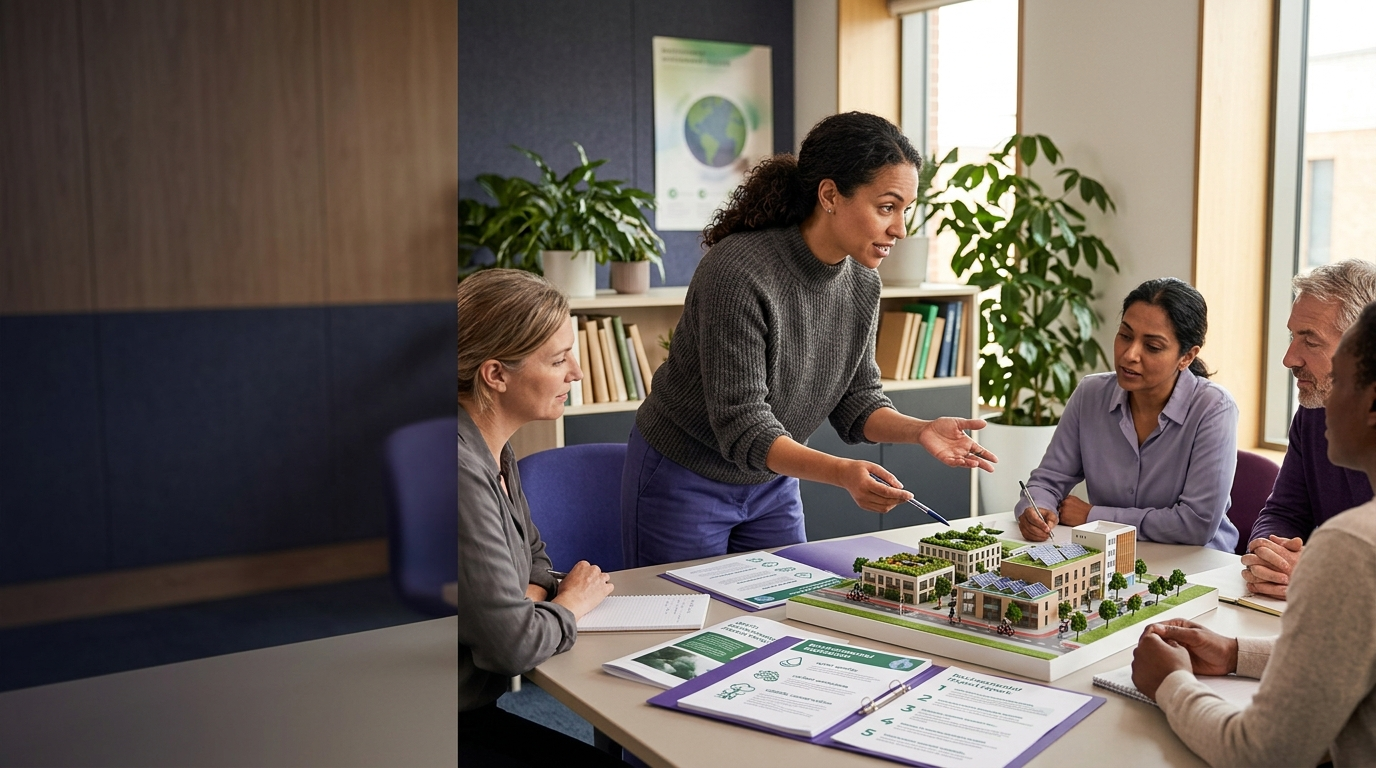
Gunakan gambar sebagai petunjuk ide. Jelaskan apa yang Anda perhatikan, hubungkan dengan pengalaman Anda, lalu jawab pertanyaan sebenarnya.

Jawaban model, terdengar berdampingan
Mulailah dengan jawaban yang lebih sederhana, alihkan Band untuk mendengarkan bagaimana tugas yang sama dapat dikembangkan, lalu catat tanggapan pribadi. Ini adalah contoh pengajaran, bukan jawaban resmi atau jaminan skor.
Bagian 2 — Jawaban Model
Part 2 cue-card response
I'm going to describe a law that bans single-use plastic bags in shops. The rule says shops should not give free thin plastic carrier bags and customers should bring reusable bags or pay a small fee for alternatives. I first learned about it from a radio announcement and then saw signs in my local supermarket. The law helps the environment and animals because fewer bags end up in rivers and parks. I feel it is a good idea. It's simple and practical. Some people complained at first, but most got used to bringing their own bags. I think it should continue and be supported with reminders and maybe small fines for big offenders.
I'd like to talk about a local law that bans single-use plastic bags in most shops and supermarkets. The regulation was introduced by the city council two years ago and requires retailers to stop giving out free plastic carrier bags; instead they must offer reusable bags or paper alternatives, often at a small charge. I first heard about the law on local radio, and then the supermarket where I shop put up posters and staff explained the change. At first people grumbled, but after a few weeks it became normal. The main beneficiaries are the environment and wildlife — fewer plastic bags end up in rivers and on beaches — and, in the long run, future generations who will inherit cleaner ecosystems. Small businesses also benefit because customers start bringing their own bags and shops reduce waste costs. I feel broadly positive about this law. It's a simple, practical step that reduces pollution and encourages people to change habits. That said, I think it needs good enforcement and ongoing public education so people don't just switch to other disposable items. Overall, it's a sensible policy that balances behaviour change and realistic implementation.
Bagian 3 - Jawaban Model
What kinds of rules do schools in China have?
Schools usually have rules about wearing a uniform, being on time, and not using mobile phones in class. There are also rules about homework, respecting teachers and keeping the classroom tidy. These rules are easy to understand and most pupils follow them.
Most schools have a mixture of behavioural and practical rules: a uniform policy, punctuality, mobile-phone restrictions, and expectations about homework and conduct. There are also safety rules for labs and sports, rules on internet use, and codes about respect and anti-bullying. These regulations aim to create a predictable environment where learning is possible.
Do you think school rules are important?
Yes, school rules are important because they keep order and help everyone learn. Rules about safety and behaviour stop problems and make lessons run smoothly. Without them it would be noisy and chaotic.
I do think well-designed school rules are important. They maintain order, protect students' safety and create a fair playing field for learning. However, rules should be reasonable and age-appropriate — overly strict or arbitrary rules can stifle creativity and motivation, so there needs to be a balance.
Are children unhappy with the school rules?
Sometimes children are unhappy, especially about uniforms or lots of homework. Teenagers often complain and say rules are unfair. But many pupils accept rules if they think they are sensible.
There is a mix of reactions. Younger children usually accept rules, but older pupils may push back if they see a rule as unfair or unnecessary. Much depends on how rules are explained and enforced — if students understand the reasons and have some input, they're less likely to be resentful.
How can parents and teachers help children understand and follow rules?
Parents and teachers can explain why rules exist and set a good example. They should remind children calmly and praise them when they follow rules. Simple rewards or routine help too.
Parents and teachers can help by modelling the behaviour they expect, being consistent with consequences and involving children in setting some of the rules. Positive reinforcement and clear explanations about why a rule matters — rather than arbitrary punishment — make it easier for kids to understand and follow them.
What are the rules people should obey at work?
At work people should be on time, do their job properly, dress neatly and respect colleagues. They must follow health and safety rules and meet deadlines. These are basic and important.
Workplace rules include punctuality and attendance, professional conduct, confidentiality, health and safety compliance, and meeting contractual obligations like deadlines. There are also norms about communication, teamwork and respecting boundaries. Following these rules keeps operations running smoothly and protects both staff and the organisation.
What is the purpose of punishment?
Punishment is used to stop bad behaviour and make people follow rules. It can teach children or workers right from wrong and act as a warning to others. But punishment should not be too harsh.
The purpose of punishment can be deterrence — discouraging future offences — and holding people accountable. Ideally it should also aim at rehabilitation or restoration where possible, helping someone learn from their mistake. Proportionality and fairness are crucial; punitive measures that alienate people rarely produce long-term change.
Status latihan: Arsip topik dari siklus bank soal sebelumnya. Ini tetap berguna untuk latihan keterampilan tetapi tidak disajikan sebagai soal ujian saat ini atau yang dijamin. Bagaimana topik diberi label.
Bagaimana menjawab Jelaskan undang-undang tentang perlindungan lingkungan Pertanyaan IELTS Berbicara
Untuk kartu petunjuk Jelaskan undang-undang tentang perlindungan lingkungan, gunakan menit persiapan untuk membangun rute melalui pembicaraan. Pilih subjek yang jelas, tambahkan dua momen atau detail spesifik, dan akhiri dengan alasan mengapa hal itu penting. Kemudian gunakan pertanyaan Bagian 3 yang tertaut untuk melatih penjelasan dan perbandingan yang lebih luas.
Perintah kartu isyarat:
- Apa itu
- Bagaimana Anda pertama kali mempelajarinya
- Siapa yang mendapat manfaat darinya
- Bagaimana perasaan Anda tentang undang-undang ini
- Pembukaan: mengidentifikasi orang, tempat, benda atau peristiwa.
- Perkembangan: mendeskripsikan dua detail atau momen dalam urutan yang logis.
- Ekstensi: menjelaskan alasan, hasil, perbandingan atau masalah.
- Refleksi: akhiri dengan alasan mengapa subjek tersebut berkesan atau penting.
Pendekatan pertanyaan demi pertanyaan
| Soal latihan | Langkah jawaban yang berguna |
|---|---|
| What kinds of rules do schools in China have? | Beri nama bendanya terlebih dahulu, lalu jelaskan fitur atau contoh spesifiknya. |
| Do you think school rules are important? | Nyatakan kemungkinan pandangan, jelaskan alasannya dan tambahkan satu kondisi atau contoh. |
| Are children unhappy with the school rules? | Berikan jawaban langsung, satu alasan dan contoh singkat tanpa harus hafal naskahnya. |
| How can parents and teachers help children understand and follow rules? | Jelaskan proses atau perbedaannya dalam urutan yang jelas dan tambahkan hasilnya. |
Fokus kosakata
Bahasa yang berguna sudah ditunjukkan dalam model jawaban yang disertakan school uniform, mobile-phone restrictions, anti-bullying, maintain order, safeguard, age-appropriate, push back, feel restricted. Pelajari setiap arti dan hubungan kata yang alami, lalu gunakan item tersebut dalam jawaban baru alih-alih menyalin naskah lengkap.
Kesalahan umum yang harus dihindari
- Memberikan respon hafalan yang hanya menjawab sebagian pertanyaan.
- Menambah kosakata sulit tanpa memeriksa makna atau kolokasi.
- Memulai ulang setelah setiap kesalahan alih-alih mengoreksi sebentar dan melanjutkan.
- Membaca jawaban model sebelum merekam upaya pertama Anda.
Jelaskan undang-undang tentang FAQ praktik perlindungan lingkungan
Bagaimana cara menggunakan menit persiapan kartu petunjuk Jelaskan undang-undang tentang perlindungan lingkungan?
Tulis kata kunci untuk pembukaan, dua atau tiga detail, dan refleksi akhir. Jangan mencoba menulis kalimat lengkap.
Apakah saya harus menutupi setiap poin di kartu petunjuk?
Petunjuknya membantu Anda mengatur pembicaraan. Meliputinya memang berguna, tetapi respons yang koheren selama satu hingga dua menit lebih penting daripada mencentang setiap baris secara mekanis.
Bagaimana pertanyaan Bagian 3 terhubung dengan Bagian 2?
Mereka mengembangkan tema luas yang sama melalui alasan, perbandingan, dampak sosial atau kemungkinan masa depan, sehingga jawaban biasanya memerlukan penjelasan lebih banyak daripada Bagian 1.