
파트 2 큐 카드
환경 보호에 관한 법률을 설명해보세요.
당신은 이렇게 말해야 합니다:
- 그것은 무엇입니까
- 처음에 어떻게 알게 됐나요?
- 누가 혜택을 받나요?
- 이 법에 대해 어떻게 생각하시나요?
이 주제에 대해 1~2분 정도 이야기할 시간이 있습니다.
3부 토론 질문
- What kinds of rules do schools in China have?
- Do you think school rules are important?
- Are children unhappy with the school rules?
- How can parents and teachers help children understand and follow rules?
- What are the rules people should obey at work?
- What is the purpose of punishment?
연습 상태: 이전 문제 은행 주기에서 보관된 주제입니다. 기술 연습에는 여전히 유용하지만 현재 또는 보장된 시험 문제로 제시되지는 않습니다. 주제에 라벨을 지정하는 방법.
전체 내용 읽기
I'd like to talk about a local law that bans single-use plastic bags in most shops and supermarkets. The regulation was introduced by the city council two years ago and requires retailers to stop giving out free plastic carrier bags; instead they must offer reusable bags or paper alternatives, often at a small charge. I first heard about the law on local radio, and then the supermarket where I shop put up posters and staff explained the change. At first people grumbled, but after a few weeks it became normal. The main beneficiaries are the environment and wildlife — fewer plastic bags end up in rivers and on beaches — and, in the long run, future generations who will inherit cleaner ecosystems. Small businesses also benefit because customers start bringing their own bags and shops reduce waste costs. I feel broadly positive about this law. It's a simple, practical step that reduces pollution and encourages people to change habits. That said, I think it needs good enforcement and ongoing public education so people don't just switch to other disposable items. Overall, it's a sensible policy that balances behaviour change and realistic implementation.
말하기 전에 주제를 살펴보세요
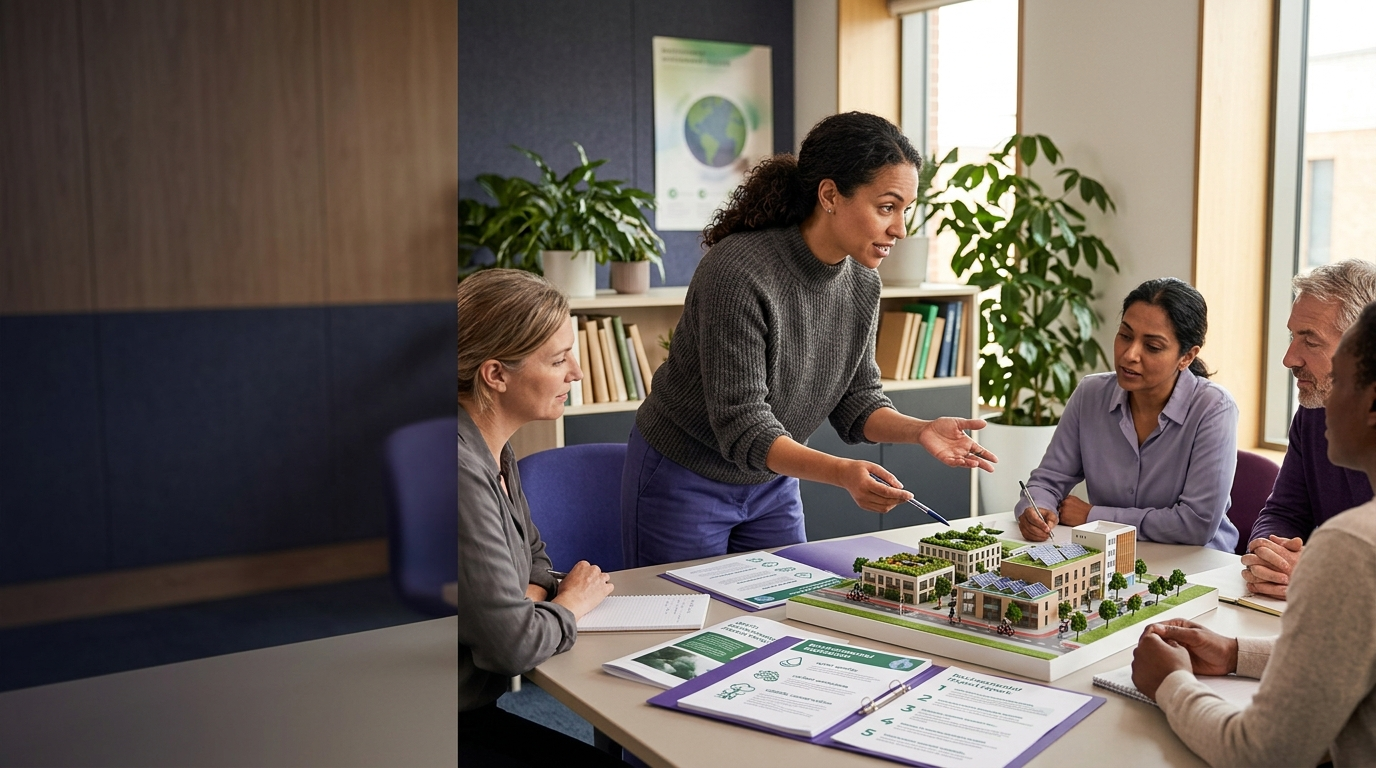
이미지를 아이디어 프롬프트로 사용하세요. 발견한 사항을 설명하고 이를 경험과 연결한 다음 실제 질문에 답하세요.

모델 답변을 나란히 들음
더 간단한 답변부터 시작하여 Band를 전환하여 동일한 작업이 어떻게 개발될 수 있는지 듣고 개인 응답을 녹음하세요. 이것은 공식적인 답변이나 점수 보장이 아닌 교육용 예시입니다.
2부 — 모델 답변
Part 2 cue-card response
I'm going to describe a law that bans single-use plastic bags in shops. The rule says shops should not give free thin plastic carrier bags and customers should bring reusable bags or pay a small fee for alternatives. I first learned about it from a radio announcement and then saw signs in my local supermarket. The law helps the environment and animals because fewer bags end up in rivers and parks. I feel it is a good idea. It's simple and practical. Some people complained at first, but most got used to bringing their own bags. I think it should continue and be supported with reminders and maybe small fines for big offenders.
I'd like to talk about a local law that bans single-use plastic bags in most shops and supermarkets. The regulation was introduced by the city council two years ago and requires retailers to stop giving out free plastic carrier bags; instead they must offer reusable bags or paper alternatives, often at a small charge. I first heard about the law on local radio, and then the supermarket where I shop put up posters and staff explained the change. At first people grumbled, but after a few weeks it became normal. The main beneficiaries are the environment and wildlife — fewer plastic bags end up in rivers and on beaches — and, in the long run, future generations who will inherit cleaner ecosystems. Small businesses also benefit because customers start bringing their own bags and shops reduce waste costs. I feel broadly positive about this law. It's a simple, practical step that reduces pollution and encourages people to change habits. That said, I think it needs good enforcement and ongoing public education so people don't just switch to other disposable items. Overall, it's a sensible policy that balances behaviour change and realistic implementation.
3부 - 모델 답변
What kinds of rules do schools in China have?
Schools usually have rules about wearing a uniform, being on time, and not using mobile phones in class. There are also rules about homework, respecting teachers and keeping the classroom tidy. These rules are easy to understand and most pupils follow them.
Most schools have a mixture of behavioural and practical rules: a uniform policy, punctuality, mobile-phone restrictions, and expectations about homework and conduct. There are also safety rules for labs and sports, rules on internet use, and codes about respect and anti-bullying. These regulations aim to create a predictable environment where learning is possible.
Do you think school rules are important?
Yes, school rules are important because they keep order and help everyone learn. Rules about safety and behaviour stop problems and make lessons run smoothly. Without them it would be noisy and chaotic.
I do think well-designed school rules are important. They maintain order, protect students' safety and create a fair playing field for learning. However, rules should be reasonable and age-appropriate — overly strict or arbitrary rules can stifle creativity and motivation, so there needs to be a balance.
Are children unhappy with the school rules?
Sometimes children are unhappy, especially about uniforms or lots of homework. Teenagers often complain and say rules are unfair. But many pupils accept rules if they think they are sensible.
There is a mix of reactions. Younger children usually accept rules, but older pupils may push back if they see a rule as unfair or unnecessary. Much depends on how rules are explained and enforced — if students understand the reasons and have some input, they're less likely to be resentful.
How can parents and teachers help children understand and follow rules?
Parents and teachers can explain why rules exist and set a good example. They should remind children calmly and praise them when they follow rules. Simple rewards or routine help too.
Parents and teachers can help by modelling the behaviour they expect, being consistent with consequences and involving children in setting some of the rules. Positive reinforcement and clear explanations about why a rule matters — rather than arbitrary punishment — make it easier for kids to understand and follow them.
What are the rules people should obey at work?
At work people should be on time, do their job properly, dress neatly and respect colleagues. They must follow health and safety rules and meet deadlines. These are basic and important.
Workplace rules include punctuality and attendance, professional conduct, confidentiality, health and safety compliance, and meeting contractual obligations like deadlines. There are also norms about communication, teamwork and respecting boundaries. Following these rules keeps operations running smoothly and protects both staff and the organisation.
What is the purpose of punishment?
Punishment is used to stop bad behaviour and make people follow rules. It can teach children or workers right from wrong and act as a warning to others. But punishment should not be too harsh.
The purpose of punishment can be deterrence — discouraging future offences — and holding people accountable. Ideally it should also aim at rehabilitation or restoration where possible, helping someone learn from their mistake. Proportionality and fairness are crucial; punitive measures that alienate people rarely produce long-term change.
연습 상태: 이전 문제 은행 주기에서 보관된 주제입니다. 기술 연습에는 여전히 유용하지만 현재 또는 보장된 시험 문제로 제시되지는 않습니다. 주제에 라벨을 지정하는 방법.
답변 방법 환경 보호에 관한 법률 설명 IELTS 말하기 질문
환경 보호에 관한 법률 설명 큐 카드의 경우 준비 시간을 활용하여 강연을 통해 경로를 구축합니다. 명확한 주제를 선택하고 두 가지 구체적인 순간이나 세부 사항을 추가한 후 그것이 중요한 이유를 설명하여 마무리하세요. 그런 다음 연결된 파트 3 질문을 사용하여 더 폭넓은 설명과 비교를 연습하세요.
큐 카드 프롬프트:
- 그것은 무엇입니까
- 처음에 어떻게 알게 됐나요?
- 누가 혜택을 받나요?
- 이 법에 대해 어떻게 생각하시나요?
- 열기: 사람, 장소, 사물 또는 사건을 식별합니다.
- 개발: 두 가지 세부 사항이나 순간을 논리적 순서로 설명합니다.
- 확장: 이유, 결과, 비교 또는 문제를 설명합니다.
- 묵상: 주제가 기억에 남거나 중요한 이유를 설명하여 마무리합니다.
질문별 접근 방식
| 연습문제 | 유용한 답변 이동 |
|---|---|
| What kinds of rules do schools in China have? | 먼저 사물의 이름을 지정한 다음 구체적인 특징이나 예를 설명하세요. |
| Do you think school rules are important? | 가능한 견해를 기술하고 이유를 설명하고 하나의 조건이나 예를 추가하십시오. |
| Are children unhappy with the school rules? | 대본을 외우지 않고 직접 답변하고 이유 하나와 간단한 예를 들어보세요. |
| How can parents and teachers help children understand and follow rules? | 과정이나 차이점을 명확한 순서로 기술하고 결과를 추가하세요. |
어휘 집중
모델 답변에서 이미 입증된 유용한 언어는 다음과 같습니다. school uniform, mobile-phone restrictions, anti-bullying, maintain order, safeguard, age-appropriate, push back, feel restricted. 각 의미와 자연스러운 단어 파트너십을 배운 다음 전체 스크립트를 복사하는 대신 새로운 답변에 항목을 사용하십시오.
피해야 할 일반적인 실수
- 질문에 부분적으로만 대답하는 암기된 답변을 제공합니다.
- 의미나 배열을 확인하지 않고 어려운 어휘를 추가합니다.
- 잠시 수정하고 계속하는 대신 오류가 발생할 때마다 다시 시작합니다.
- 첫 번째 시도를 기록하기 전에 모범 답변을 읽어보세요.
환경 보호 실천에 관한 법률을 설명하세요. FAQ
환경보호법 설명 큐카드 작성자료는 어떻게 활용하나요?
오프닝, 두세 가지 세부 사항 및 최종 반영을 위한 키워드를 작성하세요. 완전한 문장을 쓰려고 하지 마세요.
큐카드 총알을 모두 가려야 하나요?
프롬프트는 대화를 정리하는 데 도움이 됩니다. 이를 덮는 것이 유용하지만 각 라인을 기계적으로 체크하는 것보다 일관된 1~2분 응답이 더 중요합니다.
파트 3 질문은 파트 2와 어떻게 연결되어 있나요?
이유, 비교, 사회적 영향 또는 미래 가능성을 통해 동일한 광범위한 주제를 전개하므로 답변에는 일반적으로 파트 1보다 더 많은 설명이 필요합니다.
