
IELTS 말하기 파트 2 & 3: Describe a food that people eat on special occasions/events

파트 2 큐 카드
Describe a food that people eat on special occasions/events
당신은 이렇게 말해야 합니다:
- 그것은 무엇입니까
- 특별 이벤트/행사가 무엇인가요?
- 요리/만드는 방법
- 그리고 사람들이 특별한 날이나 행사에 그것을 먹는 이유를 설명하세요.
이 주제에 대해 1~2분 정도 이야기할 시간이 있습니다.
전체 내용 읽기
One food strongly associated with special occasions in many countries is roast turkey, especially at Christmas. It's a large bird, usually stuffed with herbs, onion and breadcrumbs, and roasted slowly until the skin is crisp and the meat is tender. The special event is Christmas dinner, a family meal on Christmas Day when households gather; in my family we always serve it and everyone helps with the preparation. To cook it, you season the turkey, fill the cavity with a stuffing mixture, truss the legs, and roast it in the oven for several hours, basting occasionally; sometimes we also add root vegetables to the roasting tray so they absorb the juices. People eat turkey at Christmas because it has become a symbol of abundance and celebration, replacing older dishes like goose; historically it was chosen because a single bird can feed a large group, which is practical for family gatherings. Additionally, the smell and taste create a sense of nostalgia and continuity, reminding people of past celebrations; for example, the sound of the oven timer always makes my extended family anticipate dessert and toasts. We also make gravy from the pan juices and serve cranberry sauce, which balances the richness; my aunt insists on adding a splash of sherry to the gravy. Leftovers are equally important — turkey sandwiches and soup keep the festive spirit for days.
준비상태: 예상 주제주기. 이 독립적인 연습 리소스는 공식 IELTS 시험이 아니며 시험 문제가 다를 수 있습니다. 주제에 라벨을 지정하는 방법.
파트 3 토론 질문
한 번에 하나의 질문을 이동하세요. 듣고, 대답하고, 비교하고, 다시 시도하세요. 전체 질문 텍스트는 접근성 및 검색을 위해 페이지 HTML에 남아 있습니다.
- 01Why are there special foods on special occasions or events?Full Band 6/7 answer →
- 02What are the differences between everyday food and festival food?Full Band 6/7 answer →
- 03Are there any differences between the food people eat today and the food people ate in the past?
- 04Do people today prefer eating at home or in a restaurant?
말하기 전에 주제를 살펴보세요
이미지를 아이디어 프롬프트로 사용하세요. 발견한 사항을 설명하고 이를 경험과 연결한 다음 실제 질문에 답하세요.
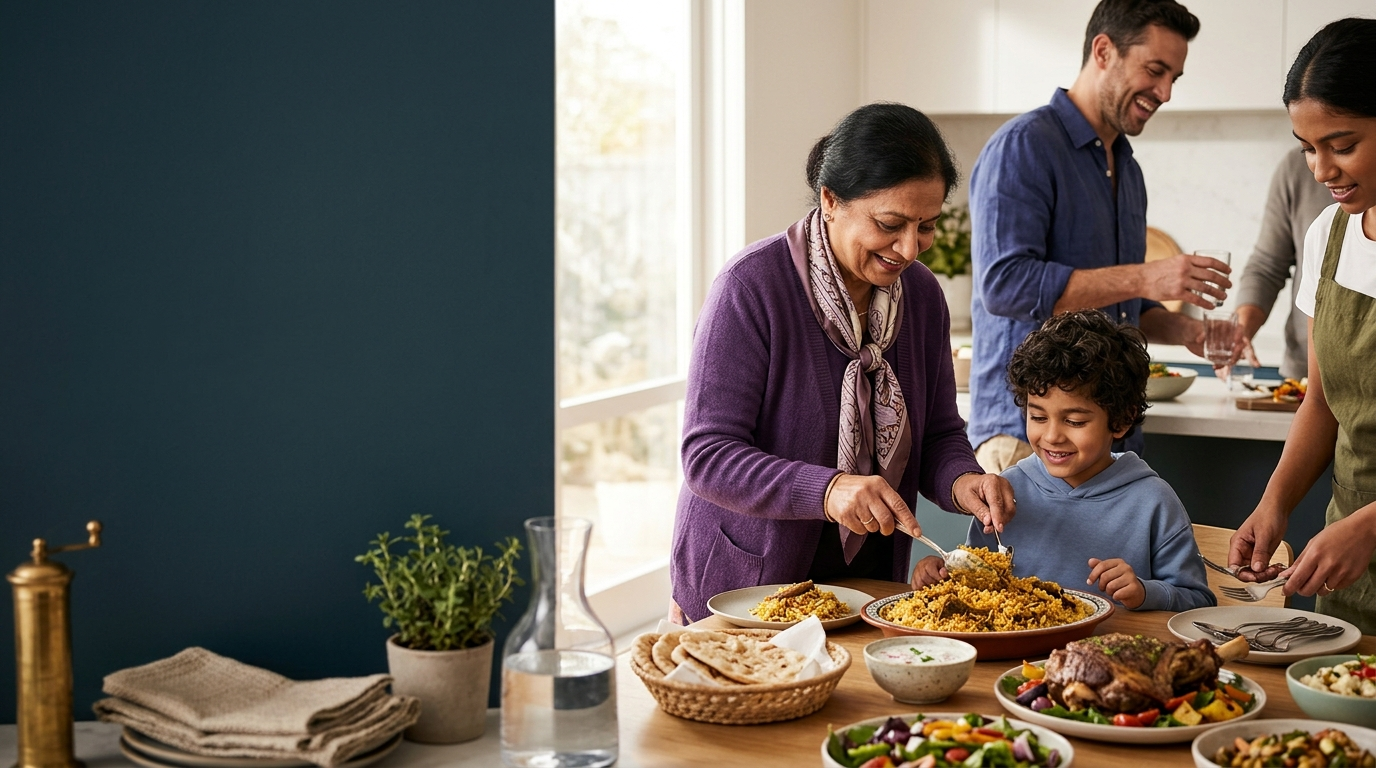
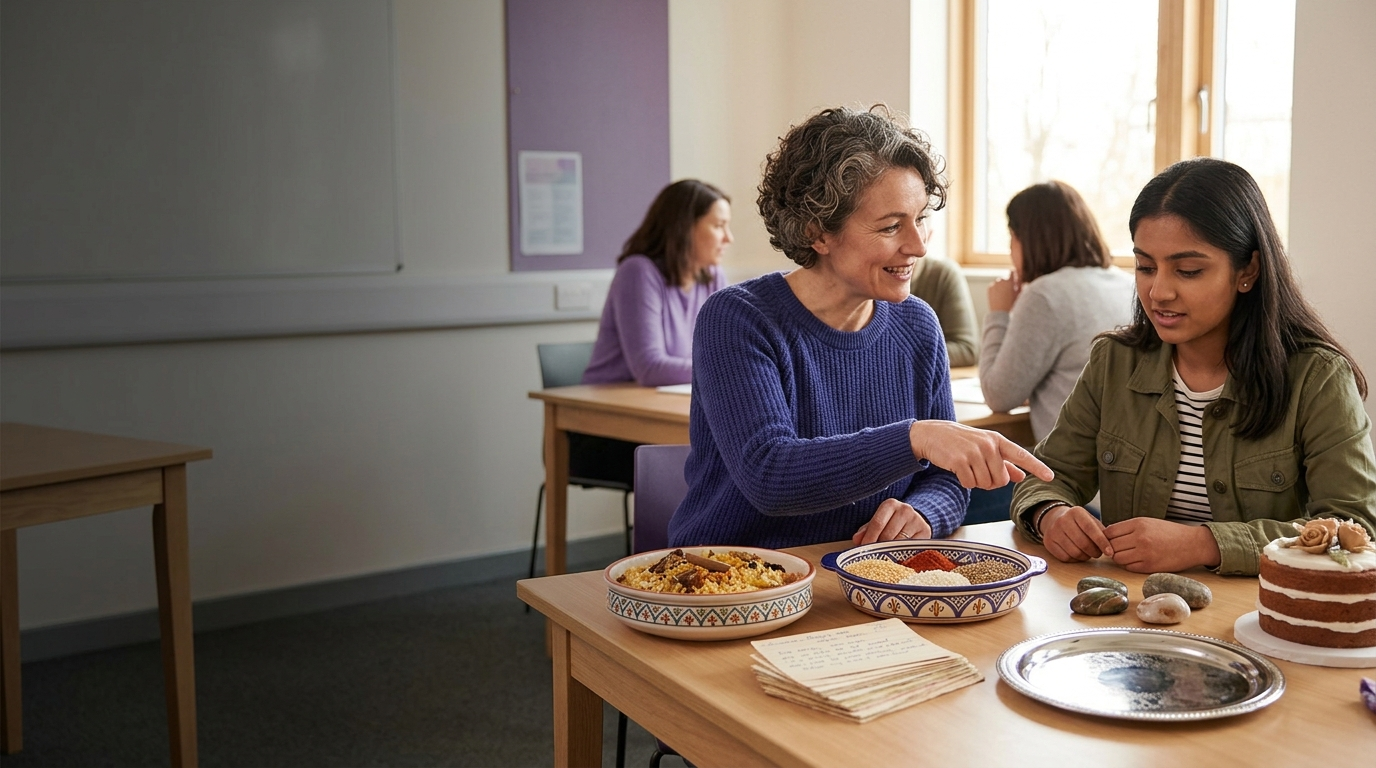
모델 답변을 나란히 들음
더 간단한 답변부터 시작하여 Band를 전환하여 동일한 작업이 어떻게 개발될 수 있는지 듣고 개인 응답을 녹음하세요. 이것은 공식적인 답변이나 점수 보장이 아닌 교육용 예시입니다.
2부 — 모델 답변
Part 2 cue-card response
A food I associate with special occasions is roast turkey. People eat it at Christmas when families get together. The turkey is a big bird; you clean it, put stuffing inside, and roast it in the oven for a few hours until cooked. My family also makes roast potatoes and vegetables with it. People eat turkey at Christmas because it's a tradition and it feeds many people, so it's practical for gatherings. It also tastes special compared with everyday meals like chicken or pasta.
One food strongly associated with special occasions in many countries is roast turkey, especially at Christmas. It's a large bird, usually stuffed with herbs, onion and breadcrumbs, and roasted slowly until the skin is crisp and the meat is tender. The special event is Christmas dinner, a family meal on Christmas Day when households gather; in my family we always serve it and everyone helps with the preparation. To cook it, you season the turkey, fill the cavity with a stuffing mixture, truss the legs, and roast it in the oven for several hours, basting occasionally; sometimes we also add root vegetables to the roasting tray so they absorb the juices. People eat turkey at Christmas because it has become a symbol of abundance and celebration, replacing older dishes like goose; historically it was chosen because a single bird can feed a large group, which is practical for family gatherings. Additionally, the smell and taste create a sense of nostalgia and continuity, reminding people of past celebrations; for example, the sound of the oven timer always makes my extended family anticipate dessert and toasts. We also make gravy from the pan juices and serve cranberry sauce, which balances the richness; my aunt insists on adding a splash of sherry to the gravy. Leftovers are equally important — turkey sandwiches and soup keep the festive spirit for days.
3부 - 모델 답변
Why are there special foods on special occasions or events?
I think special foods exist because people want to mark important events. Food makes a celebration feel different from normal days. Often the dish has been eaten for years at that festival, so it becomes a habit. It also brings people together, which is the main reason.
Special foods mark identity and ritual; they signal that a moment is different from everyday life. Many dishes gain symbolic meaning over time — for example, bread or cake might stand for prosperity — and that symbolism gets passed down through families. Additionally, the sensory aspect, like particular smells or flavours, helps create a collective memory, so people keep preparing the same dishes to maintain continuity and belonging.
What are the differences between everyday food and festival food?
Everyday food tends to be simpler and quicker, while festival food is richer and more elaborate. Festival dishes often use special ingredients or take longer to cook. People don't eat festival food all the time because it can be expensive or heavy.
Festival food usually differs in ingredients, preparation and presentation: it's often richer, uses more expensive or seasonal produce, and involves longer cooking or special techniques. Presentation matters too — meals are served in larger portions or as centrepieces. The difference also lies in social function: festival dishes are designed for sharing and ceremony, whereas everyday meals prioritise convenience and nutrition.
Are there any differences between the food people eat today and the food people ate in the past?
Yes, there are differences. Today people have more processed and convenience foods, like ready meals, which weren't common before. Also we can buy ingredients from around the world, so diets are more varied than in the past.
Food today differs from the past because of technology, global trade and changing lifestyles. We have frozen and ready-made options, supermarket supply chains and ingredients from across the globe, which wasn't possible for most households decades ago. At the same time there's a revival of interest in traditional methods — for example, artisan bread-making and local produce — so some people are reconnecting with older practices.
Do people today prefer eating at home or in a restaurant?
It depends. Some people prefer eating at home because it's cheaper and more comfortable, especially with family. Others like restaurants for special occasions or because it's more convenient. Young people might go out more, while older people stay in.
Preferences vary, but there's a clear trend: people choose restaurants for convenience, socialising and variety, while home-cooked meals remain popular for comfort, cost and tradition. The pandemic changed habits for a while, with more takeaways and cooking at home, yet dining out has bounced back as restaurants innovate and offer experiences you can't easily recreate at home. Ultimately it comes down to budget, occasion and lifestyle.
답변 방법 사람들이 특별한 행사/행사에서 먹는 음식을 설명하세요. IELTS 말하기 질문
사람들이 특별한 날/행사에 먹는 음식을 설명하는 큐카드의 경우, 준비 시간을 활용하여 강연을 통해 경로를 구축하세요. 명확한 주제를 선택하고 두 가지 구체적인 순간이나 세부 사항을 추가한 후 그것이 중요한 이유를 설명하여 마무리하세요. 그런 다음 연결된 파트 3 질문을 사용하여 더 폭넓은 설명과 비교를 연습하세요.
큐 카드 프롬프트:
- 그것은 무엇입니까
- 특별 이벤트/행사가 무엇인가요?
- 요리/만드는 방법
- 그리고 사람들이 특별한 날이나 행사에 그것을 먹는 이유를 설명하세요.
- 열기: 사람, 장소, 사물 또는 사건을 식별합니다.
- 개발: 두 가지 세부 사항이나 순간을 논리적 순서로 설명합니다.
- 확장: 이유, 결과, 비교 또는 문제를 설명합니다.
- 묵상: 주제가 기억에 남거나 중요한 이유를 설명하여 마무리합니다.
질문별 접근 방식
| 연습문제 | 유용한 답변 이동 |
|---|---|
| Why are there special foods on special occasions or events? | 한 가지 주요 원인을 제시하고 구체적인 예를 들어 이를 뒷받침하십시오. |
| What are the differences between everyday food and festival food? | 먼저 사물의 이름을 지정한 다음 구체적인 특징이나 예를 설명하세요. |
| Are there any differences between the food people eat today and the food people ate in the past? | 대본을 외우지 않고 직접 답변하고 이유 하나와 간단한 예를 들어보세요. |
| Do people today prefer eating at home or in a restaurant? | 대본을 외우지 않고 직접 답변하고 이유 하나와 간단한 예를 들어보세요. |
어휘 집중
모델 답변에서 이미 입증된 유용한 언어는 다음과 같습니다. mark an occasion, symbolic meaning, collective memory, centrepiece, seasonal produce, presentation, ready-made, global trade. 각 의미와 자연스러운 단어 파트너십을 배운 다음 전체 스크립트를 복사하는 대신 새로운 답변에 항목을 사용하십시오.
피해야 할 일반적인 실수
- 질문에 부분적으로만 대답하는 암기된 답변을 제공합니다.
- 의미나 배열을 확인하지 않고 어려운 어휘를 추가합니다.
- 잠시 수정하고 계속하는 대신 오류가 발생할 때마다 다시 시작합니다.
- 첫 번째 시도를 기록하기 전에 모범 답변을 읽어보세요.
사람들이 특별한 날/행사에서 먹는 음식에 대해 설명하세요. 연습 FAQ
특별한 날/행사 때 먹는 음식 설명 큐카드 준비 시간은 어떻게 활용해야 하나요?
오프닝, 두세 가지 세부 사항 및 최종 반영을 위한 키워드를 작성하세요. 완전한 문장을 쓰려고 하지 마세요.
큐카드 총알을 모두 가려야 하나요?
프롬프트는 대화를 정리하는 데 도움이 됩니다. 이를 덮는 것이 유용하지만 각 라인을 기계적으로 체크하는 것보다 일관된 1~2분 응답이 더 중요합니다.
파트 3 질문은 파트 2와 어떻게 연결되어 있나요?
이유, 비교, 사회적 영향 또는 미래 가능성을 통해 동일한 광범위한 주제를 전개하므로 답변에는 일반적으로 파트 1보다 더 많은 설명이 필요합니다.
