
IELTS Speaking Parte 2 y 3: Describe a food that people eat on special occasions/events
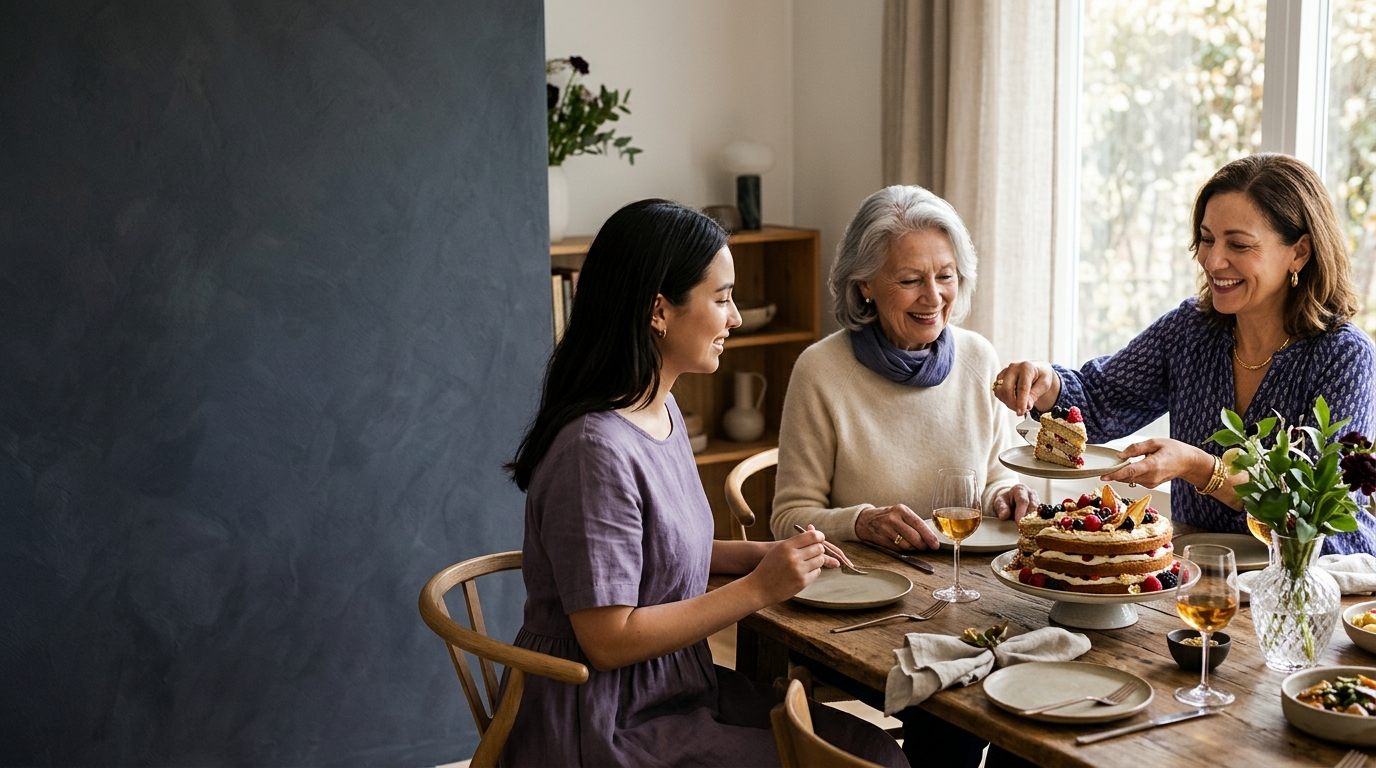
Tarjeta de referencia de la parte 2
Describe a food that people eat on special occasions/events
Deberías decir:
- que es
- Cuál es el evento/ocasión especial
- Cómo se cocina/hace
- Y explica por qué la gente lo come en esa ocasión/evento especial.
Tendrás uno o dos minutos para hablar sobre este tema.
Lea la transcripción completa
One food strongly associated with special occasions in many countries is roast turkey, especially at Christmas. It's a large bird, usually stuffed with herbs, onion and breadcrumbs, and roasted slowly until the skin is crisp and the meat is tender. The special event is Christmas dinner, a family meal on Christmas Day when households gather; in my family we always serve it and everyone helps with the preparation. To cook it, you season the turkey, fill the cavity with a stuffing mixture, truss the legs, and roast it in the oven for several hours, basting occasionally; sometimes we also add root vegetables to the roasting tray so they absorb the juices. People eat turkey at Christmas because it has become a symbol of abundance and celebration, replacing older dishes like goose; historically it was chosen because a single bird can feed a large group, which is practical for family gatherings. Additionally, the smell and taste create a sense of nostalgia and continuity, reminding people of past celebrations; for example, the sound of the oven timer always makes my extended family anticipate dessert and toasts. We also make gravy from the pan juices and serve cranberry sauce, which balances the richness; my aunt insists on adding a splash of sherry to the gravy. Leftovers are equally important — turkey sandwiches and soup keep the festive spirit for days.
Estado de preparación: ciclo de tema previsto. Este recurso de práctica independiente no es un documento oficial del IELTS y las preguntas de su examen pueden ser diferentes. Cómo se etiquetan los temas.
Preguntas de discusión de la parte 3
Mueva una pregunta a la vez: escuche, responda, compare y vuelva a intentarlo. El texto completo de la pregunta permanece en la página HTML para accesibilidad y búsqueda.
- 01Why are there special foods on special occasions or events?Full Band 6/7 answer →
- 02What are the differences between everyday food and festival food?Full Band 6/7 answer →
- 03Are there any differences between the food people eat today and the food people ate in the past?
- 04Do people today prefer eating at home or in a restaurant?
Vea el tema antes de hablar.
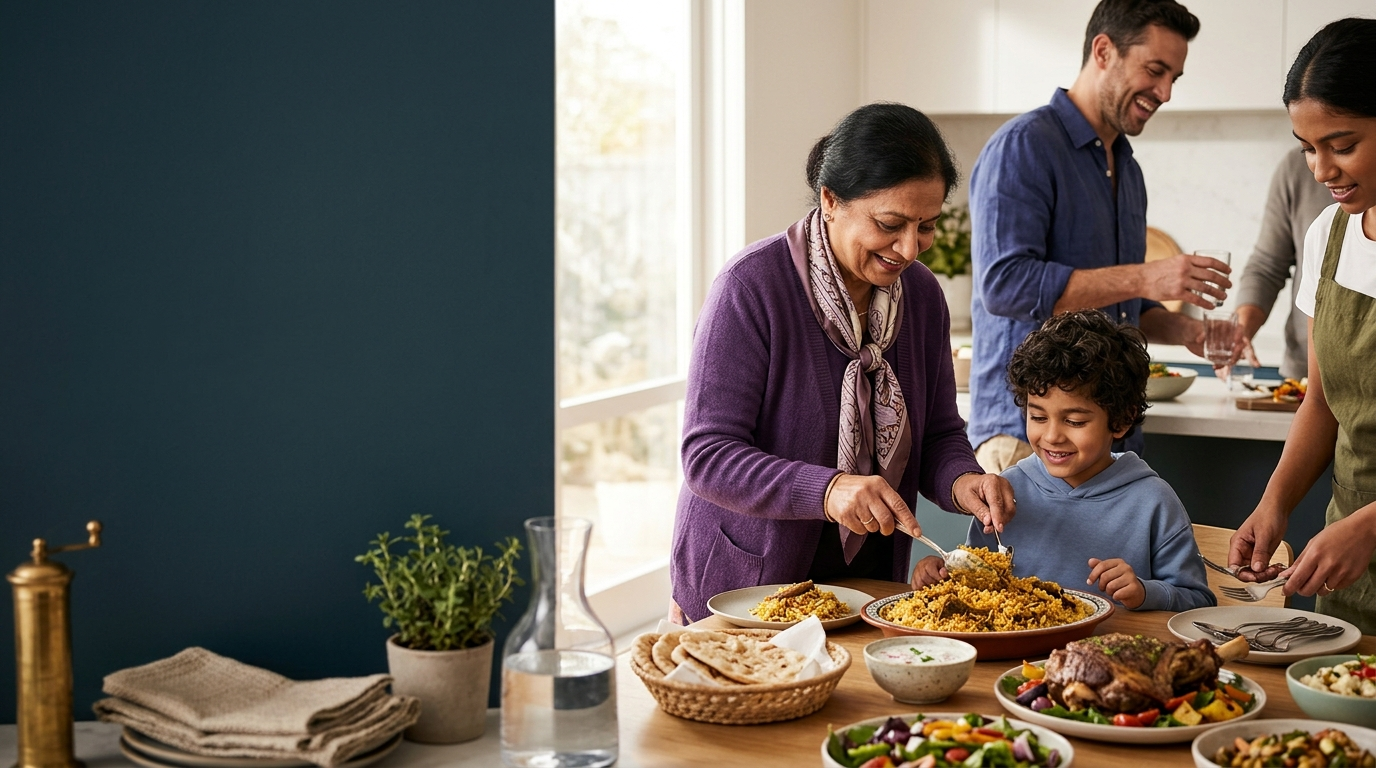
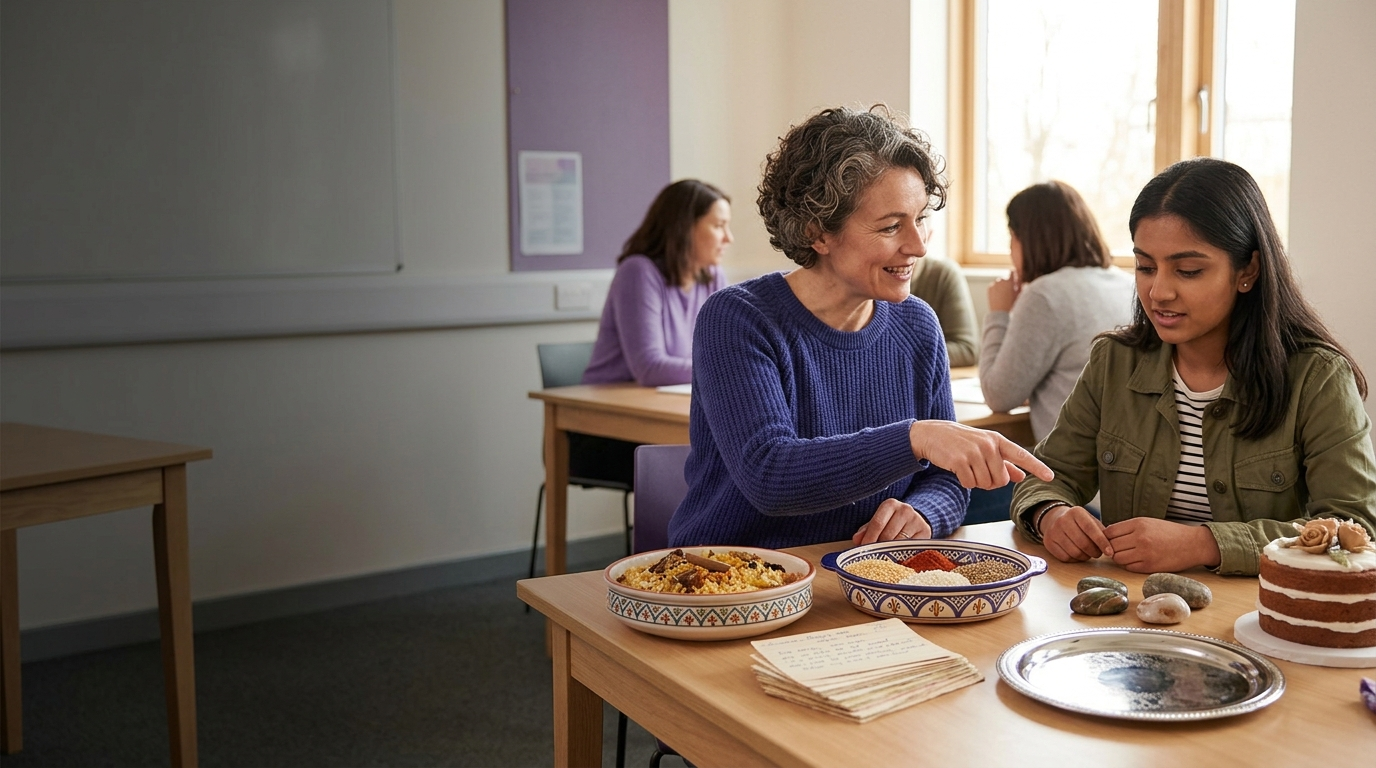
Utilice las imágenes como sugerencias de ideas. Describe lo que notas, conéctalo con tu experiencia y luego responde la pregunta real.
Respuestas modelo, escuchadas una al lado de la otra
Comience con la respuesta más simple, cambie Band para escuchar cómo se puede desarrollar la misma tarea y luego registre una respuesta personal. Estos son ejemplos de enseñanza, no respuestas oficiales ni garantías de puntuación.
Parte 2: Respuesta modelo
Part 2 cue-card response
A food I associate with special occasions is roast turkey. People eat it at Christmas when families get together. The turkey is a big bird; you clean it, put stuffing inside, and roast it in the oven for a few hours until cooked. My family also makes roast potatoes and vegetables with it. People eat turkey at Christmas because it's a tradition and it feeds many people, so it's practical for gatherings. It also tastes special compared with everyday meals like chicken or pasta.
One food strongly associated with special occasions in many countries is roast turkey, especially at Christmas. It's a large bird, usually stuffed with herbs, onion and breadcrumbs, and roasted slowly until the skin is crisp and the meat is tender. The special event is Christmas dinner, a family meal on Christmas Day when households gather; in my family we always serve it and everyone helps with the preparation. To cook it, you season the turkey, fill the cavity with a stuffing mixture, truss the legs, and roast it in the oven for several hours, basting occasionally; sometimes we also add root vegetables to the roasting tray so they absorb the juices. People eat turkey at Christmas because it has become a symbol of abundance and celebration, replacing older dishes like goose; historically it was chosen because a single bird can feed a large group, which is practical for family gatherings. Additionally, the smell and taste create a sense of nostalgia and continuity, reminding people of past celebrations; for example, the sound of the oven timer always makes my extended family anticipate dessert and toasts. We also make gravy from the pan juices and serve cranberry sauce, which balances the richness; my aunt insists on adding a splash of sherry to the gravy. Leftovers are equally important — turkey sandwiches and soup keep the festive spirit for days.
Parte 3: Respuestas modelo
Why are there special foods on special occasions or events?
I think special foods exist because people want to mark important events. Food makes a celebration feel different from normal days. Often the dish has been eaten for years at that festival, so it becomes a habit. It also brings people together, which is the main reason.
Special foods mark identity and ritual; they signal that a moment is different from everyday life. Many dishes gain symbolic meaning over time — for example, bread or cake might stand for prosperity — and that symbolism gets passed down through families. Additionally, the sensory aspect, like particular smells or flavours, helps create a collective memory, so people keep preparing the same dishes to maintain continuity and belonging.
What are the differences between everyday food and festival food?
Everyday food tends to be simpler and quicker, while festival food is richer and more elaborate. Festival dishes often use special ingredients or take longer to cook. People don't eat festival food all the time because it can be expensive or heavy.
Festival food usually differs in ingredients, preparation and presentation: it's often richer, uses more expensive or seasonal produce, and involves longer cooking or special techniques. Presentation matters too — meals are served in larger portions or as centrepieces. The difference also lies in social function: festival dishes are designed for sharing and ceremony, whereas everyday meals prioritise convenience and nutrition.
Are there any differences between the food people eat today and the food people ate in the past?
Yes, there are differences. Today people have more processed and convenience foods, like ready meals, which weren't common before. Also we can buy ingredients from around the world, so diets are more varied than in the past.
Food today differs from the past because of technology, global trade and changing lifestyles. We have frozen and ready-made options, supermarket supply chains and ingredients from across the globe, which wasn't possible for most households decades ago. At the same time there's a revival of interest in traditional methods — for example, artisan bread-making and local produce — so some people are reconnecting with older practices.
Do people today prefer eating at home or in a restaurant?
It depends. Some people prefer eating at home because it's cheaper and more comfortable, especially with family. Others like restaurants for special occasions or because it's more convenient. Young people might go out more, while older people stay in.
Preferences vary, but there's a clear trend: people choose restaurants for convenience, socialising and variety, while home-cooked meals remain popular for comfort, cost and tradition. The pandemic changed habits for a while, with more takeaways and cooking at home, yet dining out has bounced back as restaurants innovate and offer experiences you can't easily recreate at home. Ultimately it comes down to budget, occasion and lifestyle.
Cómo responder Describe un alimento que la gente come en ocasiones/eventos especiales Preguntas orales del IELTS
Para la tarjeta de referencia Describe un alimento que la gente come en ocasiones/eventos especiales, utiliza el minuto de preparación para construir una ruta a lo largo de la charla. Elija un tema claro, agregue dos momentos o detalles específicos y termine explicando por qué es importante. Luego utilice las preguntas vinculadas de la Parte 3 para practicar explicaciones y comparaciones más amplias.
Indicaciones de la tarjeta de referencia:
- que es
- Cuál es el evento/ocasión especial
- Cómo se cocina/hace
- Y explica por qué la gente lo come en esa ocasión/evento especial.
- Apertura: identificar a la persona, lugar, objeto o evento.
- Desarrollo: describir dos detalles o momentos en un orden lógico.
- Ampliación: explicar un motivo, resultado, comparación o problema.
- Reflexión: terminar con por qué el tema es memorable o importante.
Enfoque pregunta por pregunta
| pregunta de práctica | movimiento de respuesta útil |
|---|---|
| Why are there special foods on special occasions or events? | Responda con una causa principal y luego apóyela con un ejemplo concreto. |
| What are the differences between everyday food and festival food? | Primero nombra el objeto y luego describe una característica o ejemplo específico. |
| Are there any differences between the food people eat today and the food people ate in the past? | Da una respuesta directa, una razón y un breve ejemplo sin memorizar un guión. |
| Do people today prefer eating at home or in a restaurant? | Da una respuesta directa, una razón y un breve ejemplo sin memorizar un guión. |
Enfoque de vocabulario
El lenguaje útil ya demostrado en las respuestas modelo incluye mark an occasion, symbolic meaning, collective memory, centrepiece, seasonal produce, presentation, ready-made, global trade. Aprenda cada significado y una asociación natural de palabras, luego use el elemento en una respuesta nueva en lugar de copiar un guión completo.
Errores comunes a evitar
- Dar una respuesta memorizada que responda sólo parcialmente a la pregunta.
- Agregar vocabulario difícil sin verificar el significado o la colocación.
- Reiniciar después de cada error en lugar de corregir brevemente y continuar.
- Leer la respuesta modelo antes de grabar su primer intento.
Describe un alimento que la gente come en ocasiones/eventos especiales. Practica preguntas frecuentes.
¿Cómo debo utilizar el minuto de preparación de la tarjeta de referencia Describe un alimento que la gente come en ocasiones/eventos especiales?
Escribe palabras clave para una apertura, dos o tres detalles y una reflexión final. No intentes escribir oraciones completas.
¿Tengo que cubrir cada viñeta de la tarjeta de referencia?
Las indicaciones le ayudarán a organizar la charla. Cubrirlos es útil, pero una respuesta coherente de uno a dos minutos es más importante que marcar mecánicamente cada línea.
¿Cómo se conectan las preguntas de la Parte 3 con la Parte 2?
Desarrollan el mismo tema amplio a través de razones, comparaciones, efectos sociales o posibilidades futuras, por lo que las respuestas normalmente necesitan más explicaciones que la Parte 1.
