
IELTS Nói Phần 2 & 3: Describe a food that people eat on special occasions/events
Thẻ gợi ý phần 2
Describe a food that people eat on special occasions/events
Bạn nên nói:
- Nó là gì
- Sự kiện/dịp đặc biệt là gì
- Cách nấu/làm
- Và giải thích lý do tại sao mọi người ăn nó vào dịp/sự kiện đặc biệt đó
Bạn sẽ có một đến hai phút để nói về chủ đề này.
Đọc bản ghi đầy đủ
One food strongly associated with special occasions in many countries is roast turkey, especially at Christmas. It's a large bird, usually stuffed with herbs, onion and breadcrumbs, and roasted slowly until the skin is crisp and the meat is tender. The special event is Christmas dinner, a family meal on Christmas Day when households gather; in my family we always serve it and everyone helps with the preparation. To cook it, you season the turkey, fill the cavity with a stuffing mixture, truss the legs, and roast it in the oven for several hours, basting occasionally; sometimes we also add root vegetables to the roasting tray so they absorb the juices. People eat turkey at Christmas because it has become a symbol of abundance and celebration, replacing older dishes like goose; historically it was chosen because a single bird can feed a large group, which is practical for family gatherings. Additionally, the smell and taste create a sense of nostalgia and continuity, reminding people of past celebrations; for example, the sound of the oven timer always makes my extended family anticipate dessert and toasts. We also make gravy from the pan juices and serve cranberry sauce, which balances the richness; my aunt insists on adding a splash of sherry to the gravy. Leftovers are equally important — turkey sandwiches and soup keep the festive spirit for days.
Trạng thái chuẩn bị: Dự đoán chu kỳ chủ đề. Tài nguyên thực hành độc lập này không phải là bài thi IELTS chính thức và các câu hỏi trong bài kiểm tra của bạn có thể khác nhau. Cách gắn nhãn chủ đề.
Câu hỏi thảo luận phần 3
Di chuyển từng câu hỏi một: nghe, trả lời, so sánh và thử lại. Văn bản câu hỏi hoàn chỉnh vẫn còn trong trang HTML để truy cập và tìm kiếm.
- 01Why are there special foods on special occasions or events?Full Band 6/7 answer →
- 02What are the differences between everyday food and festival food?Full Band 6/7 answer →
- 03Are there any differences between the food people eat today and the food people ate in the past?
- 04Do people today prefer eating at home or in a restaurant?
Xem chủ đề trước khi nói
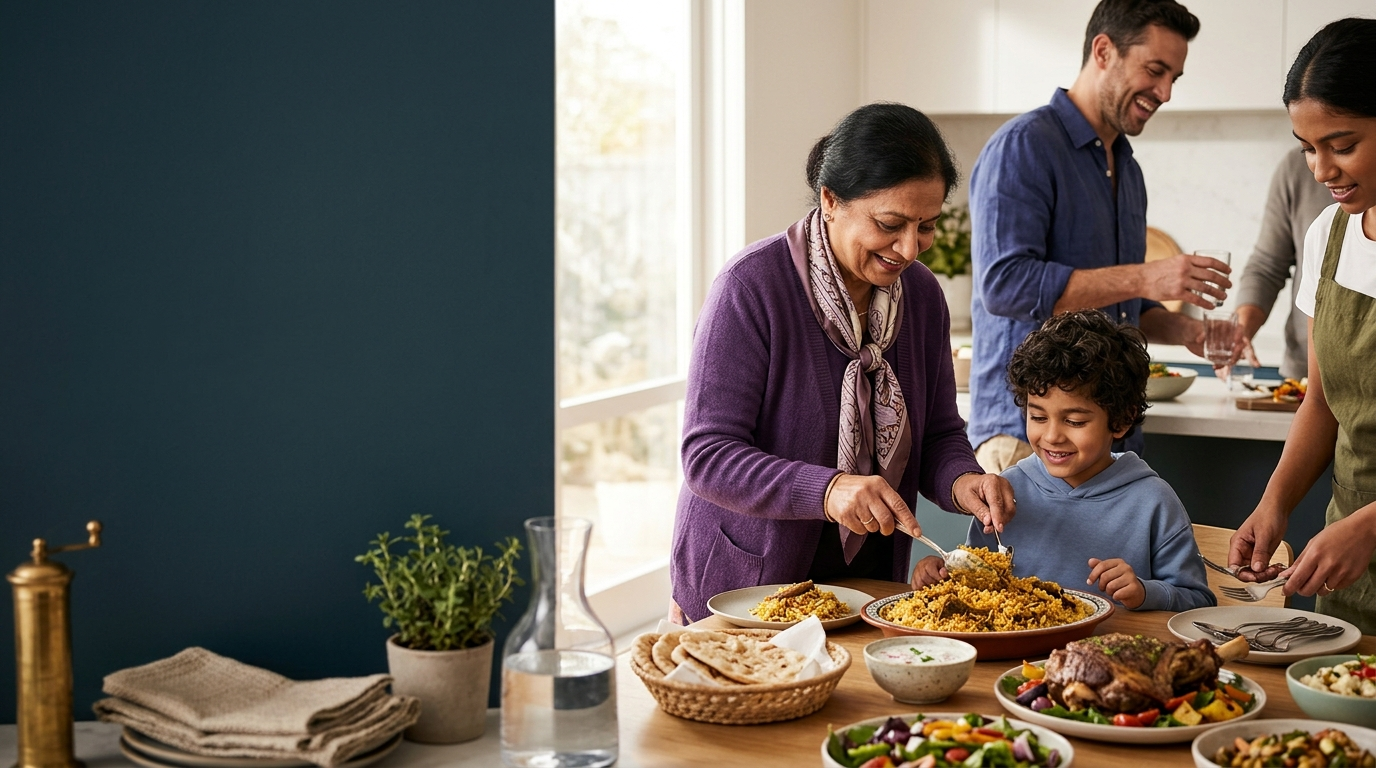
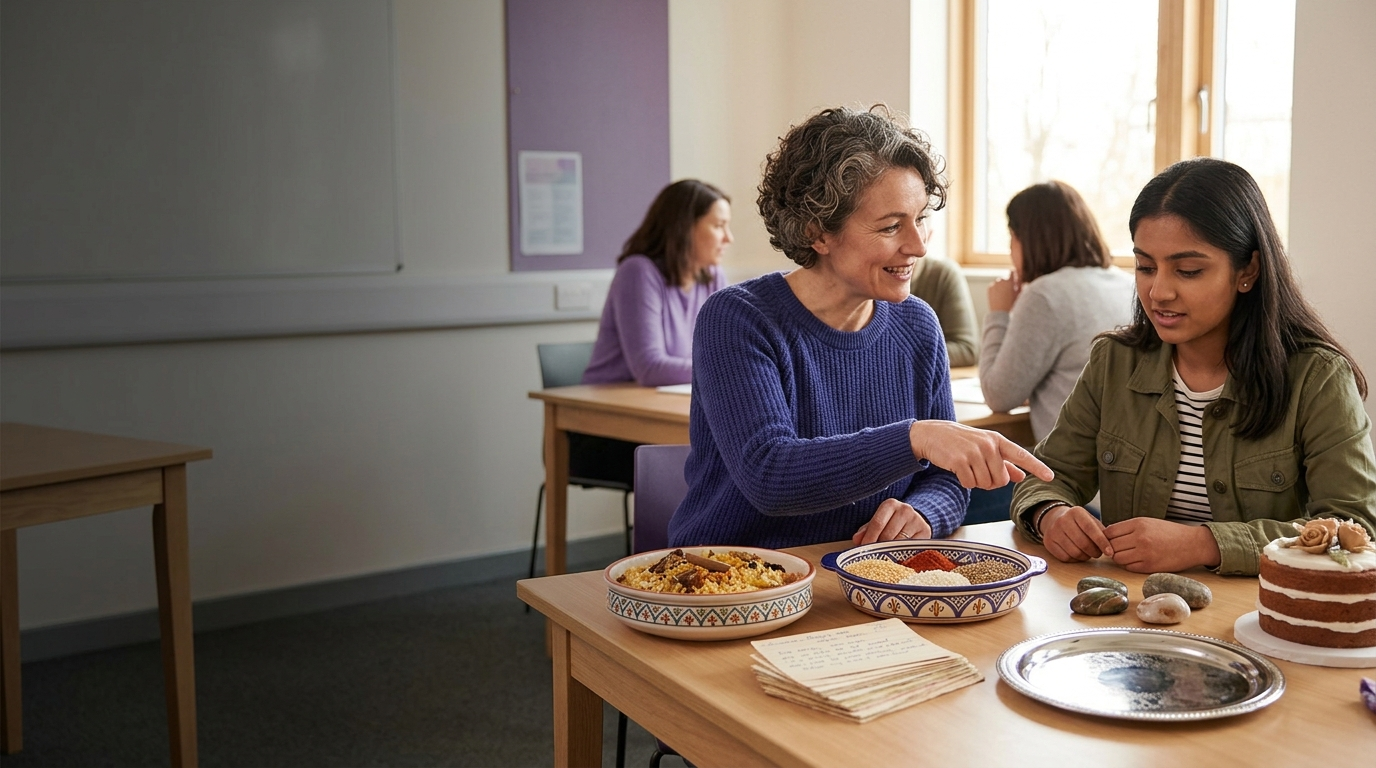
Sử dụng hình ảnh làm gợi ý tưởng. Mô tả những gì bạn nhận thấy, kết nối nó với trải nghiệm của bạn, sau đó trả lời câu hỏi thực sự.
Những câu trả lời mẫu, được nghe cạnh nhau
Bắt đầu với câu trả lời đơn giản hơn, chuyển Band để nghe cách phát triển nhiệm vụ tương tự, sau đó ghi lại câu trả lời cá nhân. Đây là những ví dụ giảng dạy, không phải câu trả lời chính thức hoặc đảm bảo điểm số.
Phần 2 – Câu trả lời mẫu
Part 2 cue-card response
A food I associate with special occasions is roast turkey. People eat it at Christmas when families get together. The turkey is a big bird; you clean it, put stuffing inside, and roast it in the oven for a few hours until cooked. My family also makes roast potatoes and vegetables with it. People eat turkey at Christmas because it's a tradition and it feeds many people, so it's practical for gatherings. It also tastes special compared with everyday meals like chicken or pasta.
One food strongly associated with special occasions in many countries is roast turkey, especially at Christmas. It's a large bird, usually stuffed with herbs, onion and breadcrumbs, and roasted slowly until the skin is crisp and the meat is tender. The special event is Christmas dinner, a family meal on Christmas Day when households gather; in my family we always serve it and everyone helps with the preparation. To cook it, you season the turkey, fill the cavity with a stuffing mixture, truss the legs, and roast it in the oven for several hours, basting occasionally; sometimes we also add root vegetables to the roasting tray so they absorb the juices. People eat turkey at Christmas because it has become a symbol of abundance and celebration, replacing older dishes like goose; historically it was chosen because a single bird can feed a large group, which is practical for family gatherings. Additionally, the smell and taste create a sense of nostalgia and continuity, reminding people of past celebrations; for example, the sound of the oven timer always makes my extended family anticipate dessert and toasts. We also make gravy from the pan juices and serve cranberry sauce, which balances the richness; my aunt insists on adding a splash of sherry to the gravy. Leftovers are equally important — turkey sandwiches and soup keep the festive spirit for days.
Phần 3 - Câu trả lời mẫu
Why are there special foods on special occasions or events?
I think special foods exist because people want to mark important events. Food makes a celebration feel different from normal days. Often the dish has been eaten for years at that festival, so it becomes a habit. It also brings people together, which is the main reason.
Special foods mark identity and ritual; they signal that a moment is different from everyday life. Many dishes gain symbolic meaning over time — for example, bread or cake might stand for prosperity — and that symbolism gets passed down through families. Additionally, the sensory aspect, like particular smells or flavours, helps create a collective memory, so people keep preparing the same dishes to maintain continuity and belonging.
What are the differences between everyday food and festival food?
Everyday food tends to be simpler and quicker, while festival food is richer and more elaborate. Festival dishes often use special ingredients or take longer to cook. People don't eat festival food all the time because it can be expensive or heavy.
Festival food usually differs in ingredients, preparation and presentation: it's often richer, uses more expensive or seasonal produce, and involves longer cooking or special techniques. Presentation matters too — meals are served in larger portions or as centrepieces. The difference also lies in social function: festival dishes are designed for sharing and ceremony, whereas everyday meals prioritise convenience and nutrition.
Are there any differences between the food people eat today and the food people ate in the past?
Yes, there are differences. Today people have more processed and convenience foods, like ready meals, which weren't common before. Also we can buy ingredients from around the world, so diets are more varied than in the past.
Food today differs from the past because of technology, global trade and changing lifestyles. We have frozen and ready-made options, supermarket supply chains and ingredients from across the globe, which wasn't possible for most households decades ago. At the same time there's a revival of interest in traditional methods — for example, artisan bread-making and local produce — so some people are reconnecting with older practices.
Do people today prefer eating at home or in a restaurant?
It depends. Some people prefer eating at home because it's cheaper and more comfortable, especially with family. Others like restaurants for special occasions or because it's more convenient. Young people might go out more, while older people stay in.
Preferences vary, but there's a clear trend: people choose restaurants for convenience, socialising and variety, while home-cooked meals remain popular for comfort, cost and tradition. The pandemic changed habits for a while, with more takeaways and cooking at home, yet dining out has bounced back as restaurants innovate and offer experiences you can't easily recreate at home. Ultimately it comes down to budget, occasion and lifestyle.
Cách trả lời Mô tả món ăn mà mọi người ăn trong những dịp/sự kiện đặc biệt Câu hỏi Nói IELTS
Đối với thẻ gợi ý Mô tả món ăn mà mọi người ăn trong những dịp/sự kiện đặc biệt, hãy sử dụng phút chuẩn bị để xây dựng lộ trình xuyên suốt bài nói chuyện. Chọn một chủ đề rõ ràng, thêm hai khoảnh khắc hoặc chi tiết cụ thể và kết thúc bằng lý do tại sao nó quan trọng. Sau đó sử dụng các câu hỏi Phần 3 được liên kết để thực hành giải thích và so sánh rộng hơn.
Lời nhắc của thẻ Cue:
- Nó là gì
- Sự kiện/dịp đặc biệt là gì
- Cách nấu/làm
- Và giải thích lý do tại sao mọi người ăn nó vào dịp/sự kiện đặc biệt đó
- Mở đầu: xác định người, địa điểm, đồ vật hoặc sự kiện.
- Phát triển: mô tả hai chi tiết hoặc khoảnh khắc theo một trình tự hợp lý.
- Phần mở rộng: giải thích lý do, kết quả, so sánh hoặc vấn đề.
- Suy ngẫm: kết thúc bằng việc tại sao chủ đề lại đáng nhớ hoặc quan trọng.
Cách tiếp cận theo từng câu hỏi
| Câu hỏi thực hành | Câu trả lời hữu ích di chuyển |
|---|---|
| Why are there special foods on special occasions or events? | Trả lời bằng một nguyên nhân chính, sau đó hỗ trợ nó bằng một ví dụ cụ thể. |
| What are the differences between everyday food and festival food? | Đặt tên cho sự vật trước, sau đó mô tả một tính năng hoặc ví dụ cụ thể. |
| Are there any differences between the food people eat today and the food people ate in the past? | Đưa ra câu trả lời trực tiếp, một lý do và một ví dụ ngắn mà không cần ghi nhớ kịch bản. |
| Do people today prefer eating at home or in a restaurant? | Đưa ra câu trả lời trực tiếp, một lý do và một ví dụ ngắn mà không cần ghi nhớ kịch bản. |
Trọng tâm từ vựng
Ngôn ngữ hữu ích đã được trình bày trong các câu trả lời mẫu bao gồm mark an occasion, symbolic meaning, collective memory, centrepiece, seasonal produce, presentation, ready-made, global trade. Tìm hiểu từng nghĩa và cách kết hợp từ tự nhiên, sau đó sử dụng mục đó trong câu trả lời mới thay vì sao chép toàn bộ văn bản.
Những lỗi thường gặp cần tránh
- Đưa ra một câu trả lời thuộc lòng mà chỉ trả lời được một phần câu hỏi.
- Bổ sung từ vựng khó mà không cần kiểm tra nghĩa hoặc sắp xếp thứ tự.
- Khởi động lại sau mỗi lỗi thay vì sửa nhanh và tiếp tục.
- Đọc câu trả lời mẫu trước khi ghi lại lần thử đầu tiên của bạn.
Mô tả một món ăn mà mọi người ăn trong những dịp/sự kiện đặc biệt Câu hỏi thường gặp
Tôi nên sử dụng phút chuẩn bị thẻ mô tả món ăn mà mọi người ăn vào những dịp/sự kiện đặc biệt như thế nào?
Viết từ khóa cho phần mở đầu, hai hoặc ba chi tiết và suy ngẫm cuối cùng. Đừng cố gắng viết câu hoàn chỉnh.
Tôi có phải che từng viên đạn của thẻ gợi ý không?
Những lời nhắc giúp bạn tổ chức cuộc nói chuyện. Bao gồm chúng là hữu ích, nhưng một phản hồi mạch lạc từ một đến hai phút quan trọng hơn việc đánh dấu từng dòng một cách máy móc.
Các câu hỏi của Phần 3 được kết nối với Phần 2 như thế nào?
Chúng phát triển cùng một chủ đề rộng thông qua các lý do, so sánh, hiệu ứng xã hội hoặc khả năng trong tương lai, vì vậy các câu trả lời thường cần được giải thích nhiều hơn Phần 1.
