
IELTS Speaking, часть 2 и 3: Describe a food that people eat on special occasions/events
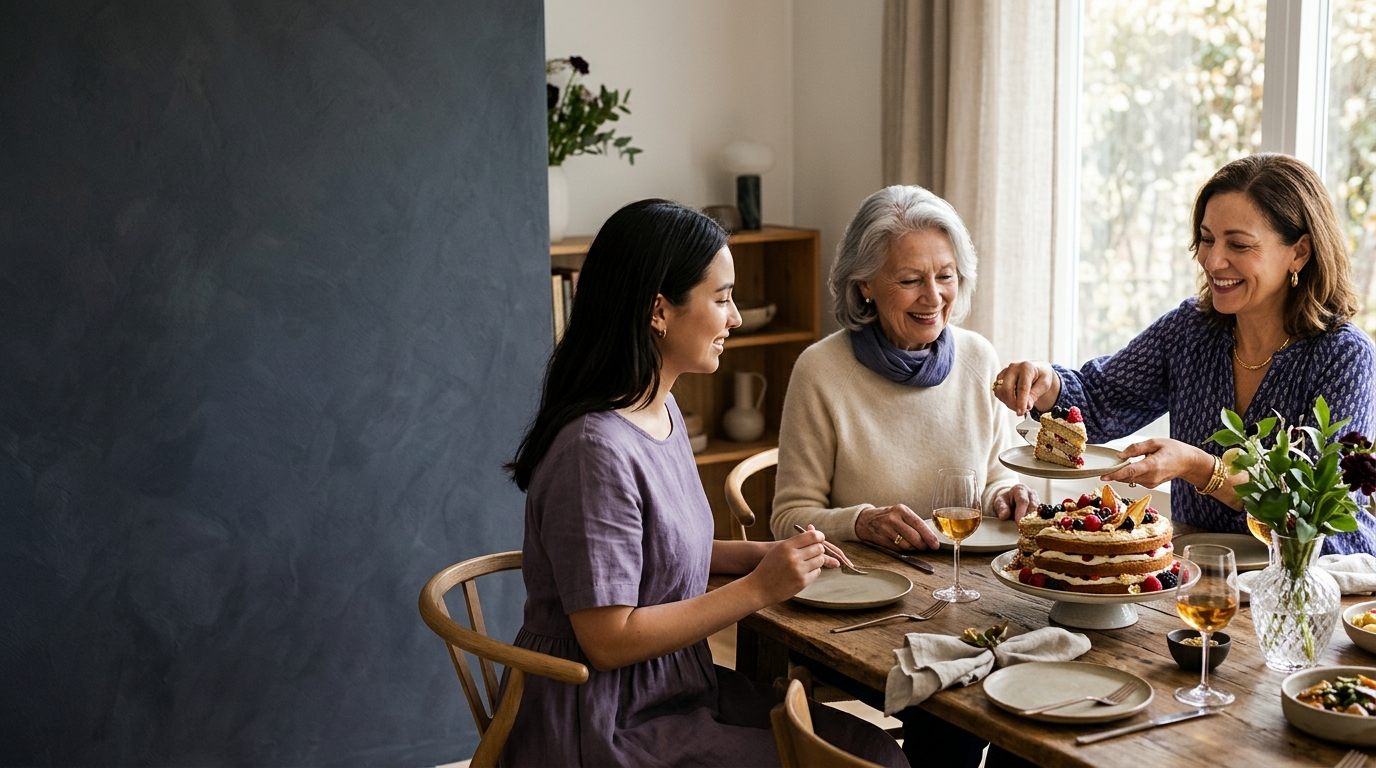
Карточка-подсказка части 2
Describe a food that people eat on special occasions/events
Вы должны сказать:
- Что это такое
- Что такое особое событие/событие
- Как это готовится/сделано
- И объясните, почему люди едят его по такому особому случаю/событию.
У вас будет одна-две минуты, чтобы поговорить на эту тему.
Читать полную расшифровку
One food strongly associated with special occasions in many countries is roast turkey, especially at Christmas. It's a large bird, usually stuffed with herbs, onion and breadcrumbs, and roasted slowly until the skin is crisp and the meat is tender. The special event is Christmas dinner, a family meal on Christmas Day when households gather; in my family we always serve it and everyone helps with the preparation. To cook it, you season the turkey, fill the cavity with a stuffing mixture, truss the legs, and roast it in the oven for several hours, basting occasionally; sometimes we also add root vegetables to the roasting tray so they absorb the juices. People eat turkey at Christmas because it has become a symbol of abundance and celebration, replacing older dishes like goose; historically it was chosen because a single bird can feed a large group, which is practical for family gatherings. Additionally, the smell and taste create a sense of nostalgia and continuity, reminding people of past celebrations; for example, the sound of the oven timer always makes my extended family anticipate dessert and toasts. We also make gravy from the pan juices and serve cranberry sauce, which balances the richness; my aunt insists on adding a splash of sherry to the gravy. Leftovers are equally important — turkey sandwiches and soup keep the festive spirit for days.
Статус подготовки: Прогнозируемый тематический цикл. Этот независимый практический ресурс не является официальным документом IELTS, и вопросы в вашем тесте могут быть разными. Как помечаются темы.
Вопросы для обсуждения части 3
Двигайтесь по одному вопросу за раз: слушайте, отвечайте, сравнивайте и повторяйте. Полный текст вопроса остается в HTML-коде страницы для обеспечения доступности и поиска.
- 01Why are there special foods on special occasions or events?Full Band 6/7 answer →
- 02What are the differences between everyday food and festival food?Full Band 6/7 answer →
- 03Are there any differences between the food people eat today and the food people ate in the past?
- 04Do people today prefer eating at home or in a restaurant?
Прежде чем говорить, просмотрите тему
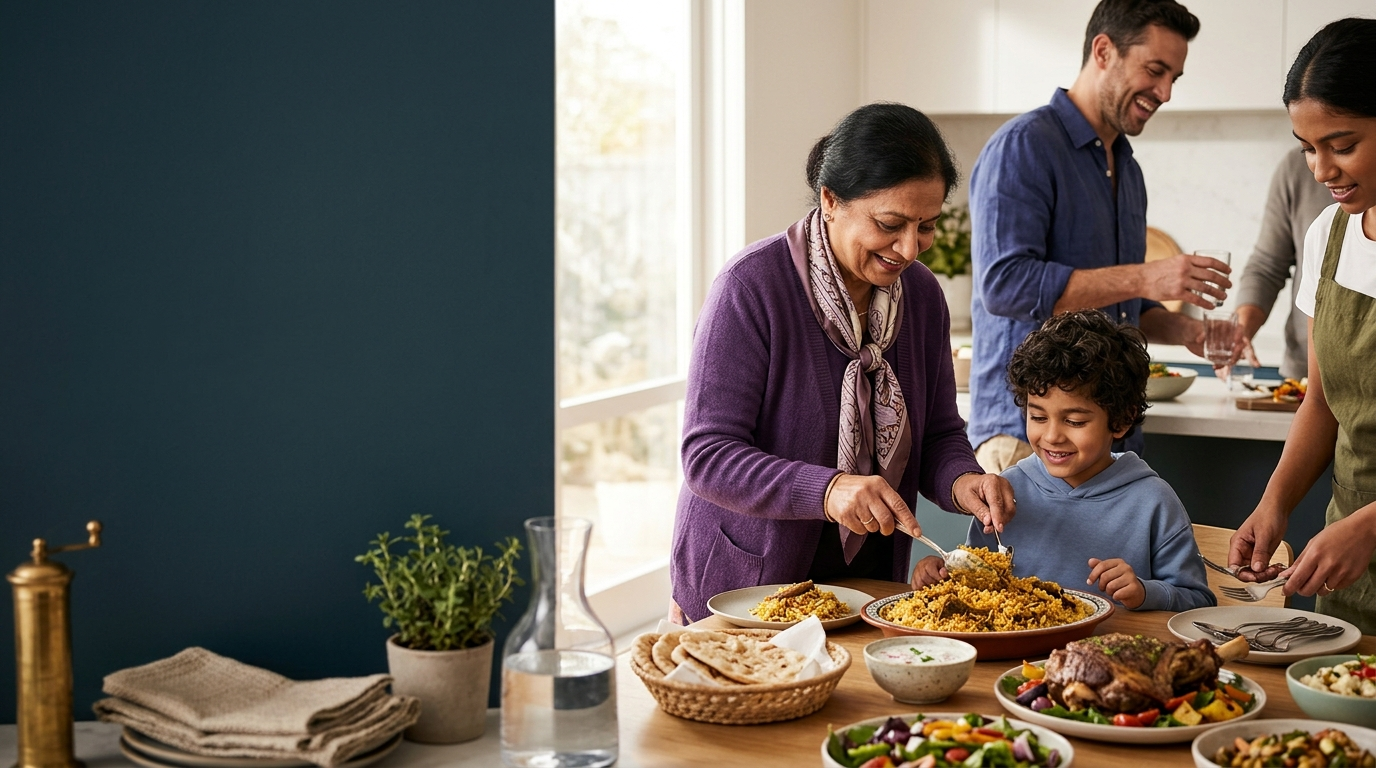
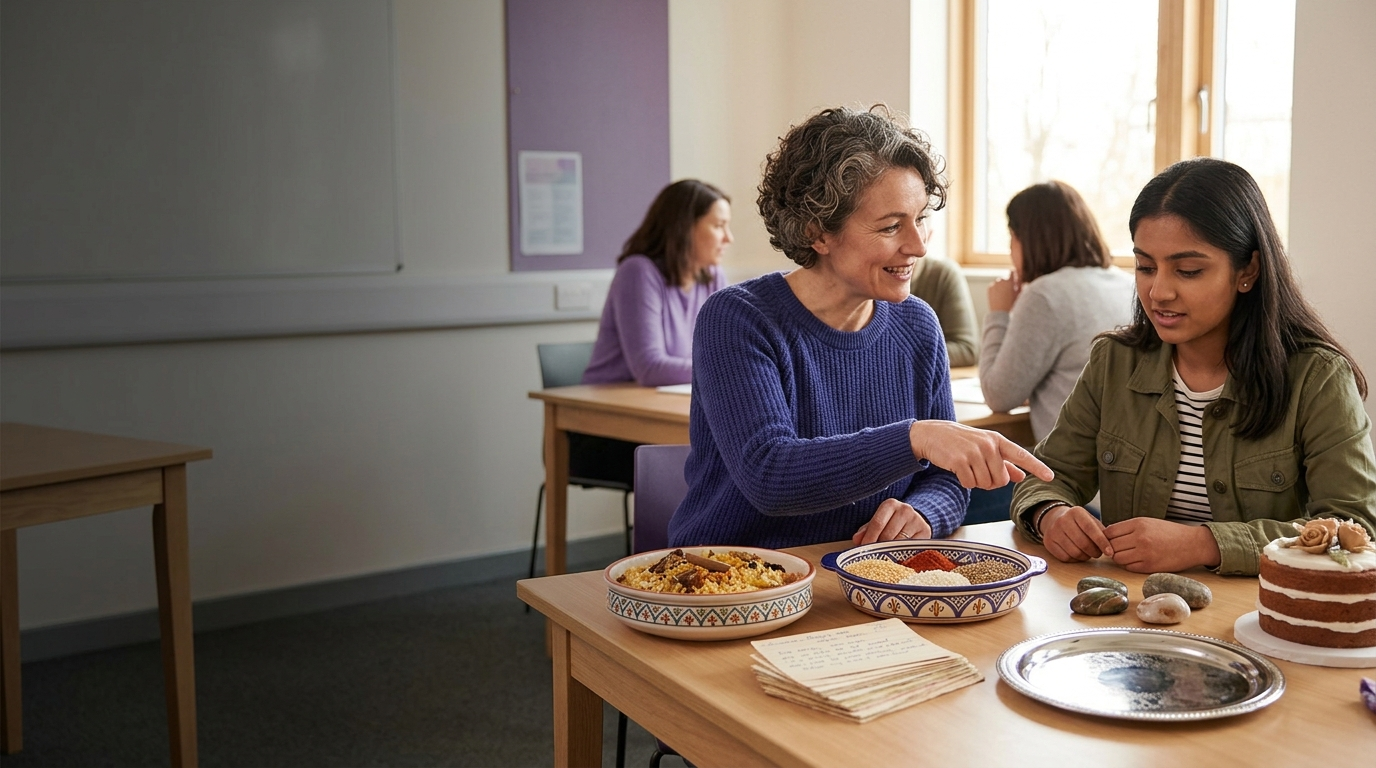
Используйте изображения в качестве подсказок идей. Опишите то, что вы заметили, свяжите это со своим опытом, а затем ответьте на реальный вопрос.
Типовые ответы, услышанные параллельно
Начните с более простого ответа, переключитесь на Band, чтобы услышать, как можно разработать ту же задачу, а затем запишите личный ответ. Это обучающие примеры, а не официальные ответы или гарантии баллов.
Часть 2. Типовой ответ
Part 2 cue-card response
A food I associate with special occasions is roast turkey. People eat it at Christmas when families get together. The turkey is a big bird; you clean it, put stuffing inside, and roast it in the oven for a few hours until cooked. My family also makes roast potatoes and vegetables with it. People eat turkey at Christmas because it's a tradition and it feeds many people, so it's practical for gatherings. It also tastes special compared with everyday meals like chicken or pasta.
One food strongly associated with special occasions in many countries is roast turkey, especially at Christmas. It's a large bird, usually stuffed with herbs, onion and breadcrumbs, and roasted slowly until the skin is crisp and the meat is tender. The special event is Christmas dinner, a family meal on Christmas Day when households gather; in my family we always serve it and everyone helps with the preparation. To cook it, you season the turkey, fill the cavity with a stuffing mixture, truss the legs, and roast it in the oven for several hours, basting occasionally; sometimes we also add root vegetables to the roasting tray so they absorb the juices. People eat turkey at Christmas because it has become a symbol of abundance and celebration, replacing older dishes like goose; historically it was chosen because a single bird can feed a large group, which is practical for family gatherings. Additionally, the smell and taste create a sense of nostalgia and continuity, reminding people of past celebrations; for example, the sound of the oven timer always makes my extended family anticipate dessert and toasts. We also make gravy from the pan juices and serve cranberry sauce, which balances the richness; my aunt insists on adding a splash of sherry to the gravy. Leftovers are equally important — turkey sandwiches and soup keep the festive spirit for days.
Часть 3. Типовые ответы
Why are there special foods on special occasions or events?
I think special foods exist because people want to mark important events. Food makes a celebration feel different from normal days. Often the dish has been eaten for years at that festival, so it becomes a habit. It also brings people together, which is the main reason.
Special foods mark identity and ritual; they signal that a moment is different from everyday life. Many dishes gain symbolic meaning over time — for example, bread or cake might stand for prosperity — and that symbolism gets passed down through families. Additionally, the sensory aspect, like particular smells or flavours, helps create a collective memory, so people keep preparing the same dishes to maintain continuity and belonging.
What are the differences between everyday food and festival food?
Everyday food tends to be simpler and quicker, while festival food is richer and more elaborate. Festival dishes often use special ingredients or take longer to cook. People don't eat festival food all the time because it can be expensive or heavy.
Festival food usually differs in ingredients, preparation and presentation: it's often richer, uses more expensive or seasonal produce, and involves longer cooking or special techniques. Presentation matters too — meals are served in larger portions or as centrepieces. The difference also lies in social function: festival dishes are designed for sharing and ceremony, whereas everyday meals prioritise convenience and nutrition.
Are there any differences between the food people eat today and the food people ate in the past?
Yes, there are differences. Today people have more processed and convenience foods, like ready meals, which weren't common before. Also we can buy ingredients from around the world, so diets are more varied than in the past.
Food today differs from the past because of technology, global trade and changing lifestyles. We have frozen and ready-made options, supermarket supply chains and ingredients from across the globe, which wasn't possible for most households decades ago. At the same time there's a revival of interest in traditional methods — for example, artisan bread-making and local produce — so some people are reconnecting with older practices.
Do people today prefer eating at home or in a restaurant?
It depends. Some people prefer eating at home because it's cheaper and more comfortable, especially with family. Others like restaurants for special occasions or because it's more convenient. Young people might go out more, while older people stay in.
Preferences vary, but there's a clear trend: people choose restaurants for convenience, socialising and variety, while home-cooked meals remain popular for comfort, cost and tradition. The pandemic changed habits for a while, with more takeaways and cooking at home, yet dining out has bounced back as restaurants innovate and offer experiences you can't easily recreate at home. Ultimately it comes down to budget, occasion and lifestyle.
Как ответить Опишите еду, которую люди едят по особым случаям/мероприятиям IELTS Устные вопросы
Для карточки-подсказки «Опишите еду, которую люди едят в особых случаях/событиях» используйте минуту подготовки, чтобы построить маршрут беседы. Выберите четкую тему, добавьте два конкретных момента или детали и закончите рассказом, почему это важно. Затем используйте связанные вопросы Части 3, чтобы попрактиковаться в более широком объяснении и сравнении.
Подсказки на карточке:
- Что это такое
- Что такое особое событие/событие
- Как это готовится/сделано
- И объясните, почему люди едят его по такому особому случаю/событию.
- Открытие: идентифицируйте человека, место, предмет или событие.
- Развитие: опишите две детали или моменты в логическом порядке.
- Расширение: объясните причину, результат, сравнение или проблему.
- Для размышления: закончите рассказом о том, почему тема запомнилась или важна.
Повопросный подход
| Практический вопрос | Полезный ответный ход |
|---|---|
| Why are there special foods on special occasions or events? | Ответьте на одну основную причину, а затем подтвердите ее конкретным примером. |
| What are the differences between everyday food and festival food? | Сначала назовите вещь, затем опишите конкретную особенность или пример. |
| Are there any differences between the food people eat today and the food people ate in the past? | Дайте прямой ответ, одну причину и короткий пример, не заучивая сценарий. |
| Do people today prefer eating at home or in a restaurant? | Дайте прямой ответ, одну причину и короткий пример, не заучивая сценарий. |
Словарный фокус
Полезные формулировки, уже продемонстрированные в примерных ответах, включают: mark an occasion, symbolic meaning, collective memory, centrepiece, seasonal produce, presentation, ready-made, global trade. Изучите каждое значение и естественное сочетание слов, а затем используйте этот элемент в новом ответе вместо того, чтобы копировать полный сценарий.
Распространенные ошибки, которых следует избегать
- Дает заученный ответ, который лишь частично отвечает на вопрос.
- Добавление сложной лексики без проверки значения или словосочетания.
- Перезапуск после каждой ошибки вместо кратковременного исправления и продолжения.
- Чтение ответа модели перед записью своей первой попытки.
Опишите еду, которую люди едят по особым случаям/мероприятиям. Часто задаваемые вопросы.
Как мне следует использовать минутку подготовки карточки-подсказки «Опишите еду, которую люди едят в особых случаях/событиях»?
Напишите ключевые слова для начала, двух-трех деталей и финального размышления. Не пытайтесь писать полные предложения.
Должен ли я покрывать каждый пункт подсказки?
Подсказки помогут вам организовать беседу. Рассказывать о них полезно, но последовательный ответ в течение одной-двух минут важнее, чем механическая отметка каждой строки.
Как вопросы Части 3 связаны с Частью 2?
Они развивают одну и ту же широкую тему посредством причин, сравнений, социальных последствий или будущих возможностей, поэтому ответы обычно требуют большего объяснения, чем Часть 1.
