
Bölüm 2 İşaret Kartı
Birçok insanın gülümsediği bir olayı anlatın
Şunu söylemelisin:
- Ne zaman oldu
- kiminle birlikteydin
- Ne oldu?
- Ve çoğu insanın neden gülümsediğini açıklayın
Bu konu hakkında konuşmak için bir ila iki dakikanız olacak.
Bölüm 3 Tartışma Soruları
- Do you think people who like to smile are more friendly?
- Why do most people smile in photographs?
- Do women smile more than men? Why?
- Do people smile more when they are younger or older?
- Is smiling important in your culture?
- Are there any occasions when people need to pretend to smile?
Alıştırma durumu: Önceki bir soru bankası döngüsünden arşivlenmiş konu. Beceri pratiği için yararlı olmayı sürdürüyor ancak güncel veya garantili bir sınav sorusu olarak sunulmuyor. Konular nasıl etiketlenir?.
Transkriptin tamamını okuyun
It was last summer during a small street festival in my town. I went with a couple of close friends and my partner, and we stayed for most of the afternoon. The festival was held on a cobbled street with stalls selling food, crafts and local beer; there were buskers and a small stage for live music. At one point a local choir started an upbeat song and people gathered around, clapping and swaying; a few children even started dancing between the crowd. As the song reached the chorus, someone suggested a sing-along and within minutes hundreds of people were joining in. What surprised me was how quickly strangers relaxed and smiled at one another; even visitors from other towns were beaming. Most people were smiling because the atmosphere was very friendly and inclusive, and there weren't any obvious worries — for a couple of hours everyone just enjoyed the moment. Also, the combination of sunshine, good music and a few glasses of wine probably helped lift people's mood. It felt like a brief escape from routine, where smiling became contagious and natural. It happened in July, early evening when the light was golden. I remember taking a photo that captured dozens of smiling faces.
Konuşmadan önce konuya bakın
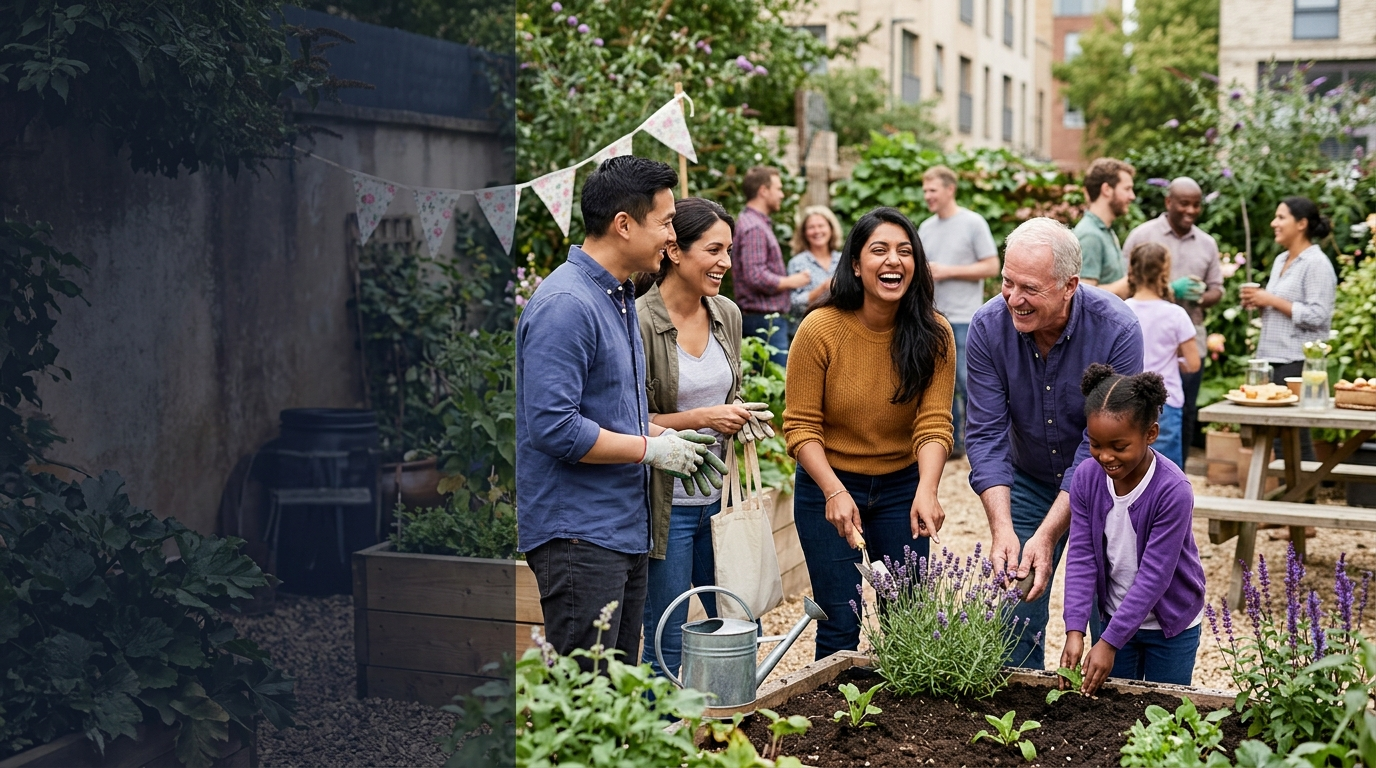
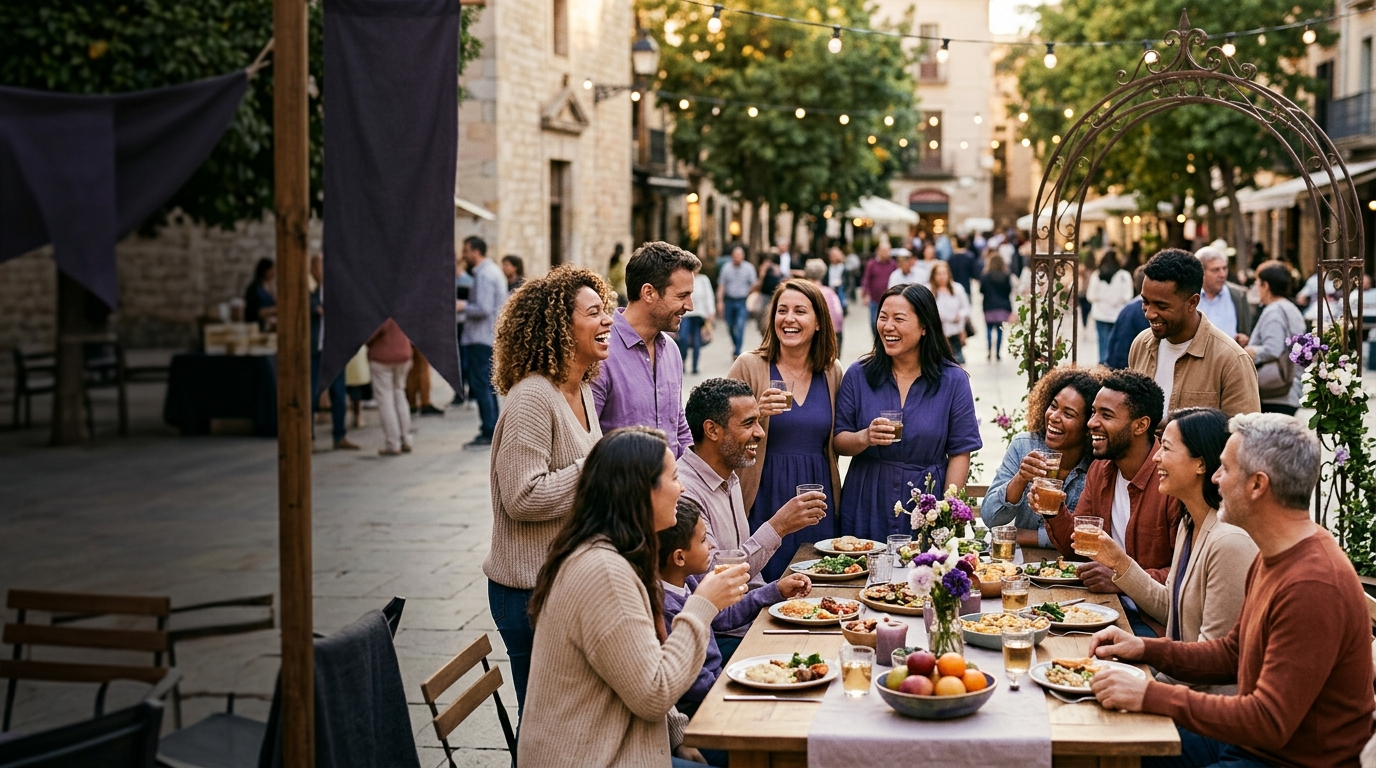
Görüntüleri fikir istemleri olarak kullanın. Neyi fark ettiğinizi açıklayın, bunu deneyiminizle ilişkilendirin ve ardından asıl soruyu yanıtlayın.
Yan yana duyulan model yanıtları
Daha basit cevapla başlayın, aynı görevin nasıl geliştirilebileceğini duymak için Band'yi değiştirin, ardından kişisel bir yanıtı kaydedin. Bunlar öğretim örnekleridir, resmi cevaplar veya puan garantisi değildir.
Bölüm 2 - Örnek Cevap
Part 2 cue-card response
I remember a village fair last summer. I went with two friends and my sister. The fair had food stalls, a band and a small stage. During an afternoon set the band played a cheerful tune and many people started clapping. Soon others joined and it turned into a big sing-along. People were smiling a lot — families, older people and teenagers. I think most people smiled because they felt relaxed and happy. The sun was shining and the drinks were cheap, so everyone was in a good mood. I took some photos and most faces were laughing or smiling.
It was last summer during a small street festival in my town. I went with a couple of close friends and my partner, and we stayed for most of the afternoon. The festival was held on a cobbled street with stalls selling food, crafts and local beer; there were buskers and a small stage for live music. At one point a local choir started an upbeat song and people gathered around, clapping and swaying; a few children even started dancing between the crowd. As the song reached the chorus, someone suggested a sing-along and within minutes hundreds of people were joining in. What surprised me was how quickly strangers relaxed and smiled at one another; even visitors from other towns were beaming. Most people were smiling because the atmosphere was very friendly and inclusive, and there weren't any obvious worries — for a couple of hours everyone just enjoyed the moment. Also, the combination of sunshine, good music and a few glasses of wine probably helped lift people's mood. It felt like a brief escape from routine, where smiling became contagious and natural. It happened in July, early evening when the light was golden. I remember taking a photo that captured dozens of smiling faces.
Bölüm 3 - Örnek Yanıtlar
Do you think people who like to smile are more friendly?
Yes, I think people who like to smile often seem friendlier. A smile makes someone look approachable and calmer. It helps when you talk to them, because you feel comfortable.
Smiling does tend to make a person appear more friendly and approachable, but it's not the whole story. Sometimes people smile as a polite social cue rather than out of genuine warmth, so you need to look at body language and tone as well. Overall, a smile usually opens doors in conversation.
Why do most people smile in photographs?
Most people smile in photos because it's a habit and it looks nice. We are taught to smile for pictures so everyone looks friendly and happy.
People smile in photographs because it's become a social convention — smiling signals confidence and likability. Cameras also prompt posed behaviour, so people put on a pleasant expression even if they're not feeling particularly joyful; candid shots, by contrast, often show a wider range of genuine emotion.
Do women smile more than men? Why?
I think women often smile more than men. Society teaches women to be pleasant, so they smile more in social situations. But it's not true for everyone.
Research and everyday observation suggest women tend to smile more due to social norms and expectations — they're often socialised to be welcoming and emotionally expressive. Men may be encouraged to appear reserved. That said, context matters: in professional settings some men smile a lot, while some women keep a neutral face.
Do people smile more when they are younger or older?
Younger people probably smile more because they are more carefree and outgoing. Older people smile too, but sometimes they're more reserved.
Younger people often smile more spontaneously — they're freer to show emotions in public. Older people may smile in a different way: more gently or knowingly, reflecting life experience. Health, culture and personality also influence how often people smile at different ages.
Is smiling important in your culture?
Yes, smiling is important in my culture. We smile to be polite and to greet people. It's part of everyday manners, like saying hello.
Smiling is important where I'm from, though there's a distinct British reserve: we often favour a small, polite smile rather than being overly demonstrative. In service industries and everyday interactions a quick smile smooths conversation and shows courtesy, but it doesn't always mean deep friendship.
Are there any occasions when people need to pretend to smile?
Yes, people sometimes pretend to smile, for example at work or at parties when they are tired. It's a way to be polite even if you don't feel happy.
There are plenty of occasions for a forced smile: customer service roles, formal diplomacy or even social events where you want to be polite. This emotional labour can be draining, because people conceal their real feelings to meet social or professional expectations.
Alıştırma durumu: Önceki bir soru bankası döngüsünden arşivlenmiş konu. Beceri pratiği için yararlı olmayı sürdürüyor ancak güncel veya garantili bir sınav sorusu olarak sunulmuyor. Konular nasıl etiketlenir?.
Nasıl cevap verilir? Birçok insanın gülümsediği bir olayı anlatın. IELTS Konuşma soruları
Pek çok kişinin gülümsediği bir olayı anlatın ipucu kartı için, hazırlık dakikasını konuşma boyunca bir rota oluşturmak için kullanın. Net bir konu seçin, iki özel anı veya ayrıntıyı ekleyin ve bunun neden önemli olduğunu anlatarak bitirin. Daha sonra daha geniş bir açıklama ve karşılaştırma yapmak için bağlantılı Bölüm 3 sorularını kullanın.
İşaret kartı istemleri:
- Ne zaman oldu
- kiminle birlikteydin
- Ne oldu?
- Ve çoğu insanın neden gülümsediğini açıklayın
- Açılış: Kişiyi, yeri, nesneyi veya olayı tanımlayın.
- Gelişim: İki ayrıntıyı veya anı mantıksal bir sırayla tanımlayın.
- Uzantı: Bir nedeni, sonucu, karşılaştırmayı veya sorunu açıklayın.
- Düşünme: Konunun neden unutulmaz veya önemli olduğunu açıklayarak bitirin.
Soru bazında yaklaşım
| Alıştırma sorusu | Yararlı cevap hamlesi |
|---|---|
| Do you think people who like to smile are more friendly? | Olası bir görüşü belirtin, nedenini açıklayın ve bir koşul veya örnek ekleyin. |
| Why do most people smile in photographs? | Tek bir ana sebeple cevap verin ve ardından bunu somut bir örnekle destekleyin. |
| Do women smile more than men? Why? | Senaryoyu ezberlemeden doğrudan bir cevap, tek bir neden ve kısa bir örnek verin. |
| Do people smile more when they are younger or older? | Senaryoyu ezberlemeden doğrudan bir cevap, tek bir neden ve kısa bir örnek verin. |
Kelime odağı
Model cevaplarında halihazırda gösterilen faydalı dil şunları içerir: approachable, social cue, genuine smile, pose, candid, impression management, emotional labour, socialised. Her bir anlamı ve doğal kelime ortaklığını öğrenin, ardından tüm metni kopyalamak yerine öğeyi yeni bir yanıtta kullanın.
Kaçınılması gereken yaygın hatalar
- Soruyu yalnızca kısmen yanıtlayan ezberlenmiş bir yanıt vermek.
- Anlamı veya sıralamayı kontrol etmeden zor kelimeleri eklemek.
- Her hatadan sonra kısa süreliğine düzeltme yapıp devam etmek yerine yeniden başlatmak.
- İlk denemenizi kaydetmeden önce model cevabını okuyun.
Birçok insanın gülümsediği bir olayı anlatın pratik SSS
Birçok kişinin işaret kartı hazırlarken gülümsediği bir durumu nasıl kullanmalıyım?
Bir açılış, iki veya üç ayrıntı ve son bir yansıma için anahtar kelimeler yazın. Tam cümleler yazmaya çalışmayın.
Her işaret kartı mermisini kapatmak zorunda mıyım?
Yönlendirmeler konuşmayı organize etmenize yardımcı olur. Bunları ele almak faydalıdır, ancak bir ila iki dakikalık tutarlı bir yanıt, her satırın mekanik olarak işaretlenmesinden daha önemlidir.
Bölüm 3 soruları Bölüm 2 ile nasıl bağlantılıdır?
Sebepler, karşılaştırmalar, sosyal etkiler veya gelecekteki olasılıklar yoluyla aynı geniş temayı geliştirirler, dolayısıyla yanıtlar normalde Bölüm 1'den daha fazla açıklamaya ihtiyaç duyar.
