
第 2 部分 提示卡
描述一个很多人都微笑的场景
你需要谈到:
- 当事情发生时
- 你和谁在一起
- 发生了什么
- 并解释为什么大多数人都在微笑
你需要围绕这个话题作答一到两分钟。
第 3 部分讨论问题
- Do you think people who like to smile are more friendly?
- Why do most people smile in photographs?
- Do women smile more than men? Why?
- Do people smile more when they are younger or older?
- Is smiling important in your culture?
- Are there any occasions when people need to pretend to smile?
练习状态:上一个题库周期的存档主题。它对于技能练习仍然有用,但不会作为当前或保证的考试问题出现。 话题标签说明.
阅读完整的文字记录
It was last summer during a small street festival in my town. I went with a couple of close friends and my partner, and we stayed for most of the afternoon. The festival was held on a cobbled street with stalls selling food, crafts and local beer; there were buskers and a small stage for live music. At one point a local choir started an upbeat song and people gathered around, clapping and swaying; a few children even started dancing between the crowd. As the song reached the chorus, someone suggested a sing-along and within minutes hundreds of people were joining in. What surprised me was how quickly strangers relaxed and smiled at one another; even visitors from other towns were beaming. Most people were smiling because the atmosphere was very friendly and inclusive, and there weren't any obvious worries — for a couple of hours everyone just enjoyed the moment. Also, the combination of sunshine, good music and a few glasses of wine probably helped lift people's mood. It felt like a brief escape from routine, where smiling became contagious and natural. It happened in July, early evening when the light was golden. I remember taking a photo that captured dozens of smiling faces.
开口前先熟悉话题
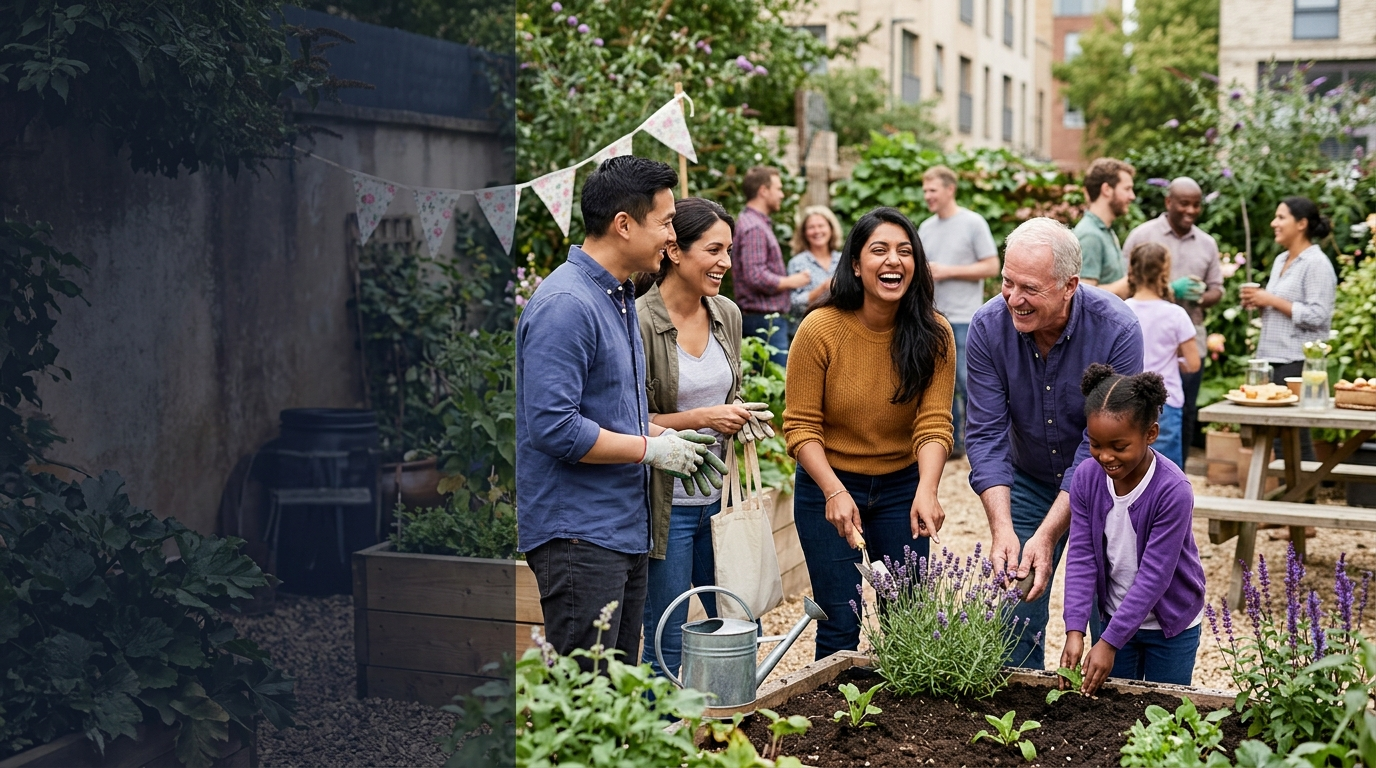
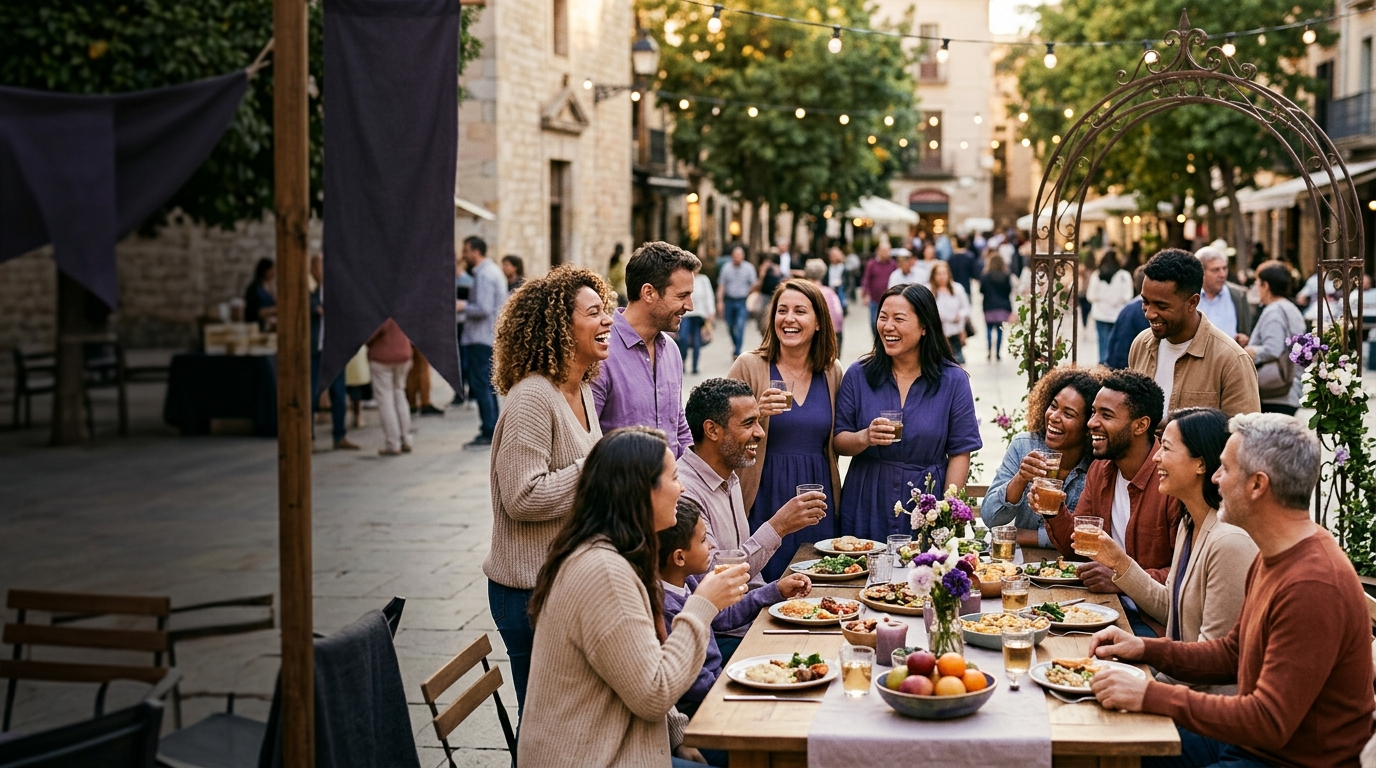
使用图像作为想法提示。描述您注意到的内容,将其与您的经历联系起来,然后回答真正的问题。
对照聆听参考答案
先听较简单的答案,再切换 Band 对照同一道题如何展开,最后录制你自己的回答。这些内容仅为教学示例,不是官方答案,也不保证对应分数。
Part 2 — 参考答案
Part 2 cue-card response
I remember a village fair last summer. I went with two friends and my sister. The fair had food stalls, a band and a small stage. During an afternoon set the band played a cheerful tune and many people started clapping. Soon others joined and it turned into a big sing-along. People were smiling a lot — families, older people and teenagers. I think most people smiled because they felt relaxed and happy. The sun was shining and the drinks were cheap, so everyone was in a good mood. I took some photos and most faces were laughing or smiling.
It was last summer during a small street festival in my town. I went with a couple of close friends and my partner, and we stayed for most of the afternoon. The festival was held on a cobbled street with stalls selling food, crafts and local beer; there were buskers and a small stage for live music. At one point a local choir started an upbeat song and people gathered around, clapping and swaying; a few children even started dancing between the crowd. As the song reached the chorus, someone suggested a sing-along and within minutes hundreds of people were joining in. What surprised me was how quickly strangers relaxed and smiled at one another; even visitors from other towns were beaming. Most people were smiling because the atmosphere was very friendly and inclusive, and there weren't any obvious worries — for a couple of hours everyone just enjoyed the moment. Also, the combination of sunshine, good music and a few glasses of wine probably helped lift people's mood. It felt like a brief escape from routine, where smiling became contagious and natural. It happened in July, early evening when the light was golden. I remember taking a photo that captured dozens of smiling faces.
Part 3 — 参考答案
Do you think people who like to smile are more friendly?
Yes, I think people who like to smile often seem friendlier. A smile makes someone look approachable and calmer. It helps when you talk to them, because you feel comfortable.
Smiling does tend to make a person appear more friendly and approachable, but it's not the whole story. Sometimes people smile as a polite social cue rather than out of genuine warmth, so you need to look at body language and tone as well. Overall, a smile usually opens doors in conversation.
Why do most people smile in photographs?
Most people smile in photos because it's a habit and it looks nice. We are taught to smile for pictures so everyone looks friendly and happy.
People smile in photographs because it's become a social convention — smiling signals confidence and likability. Cameras also prompt posed behaviour, so people put on a pleasant expression even if they're not feeling particularly joyful; candid shots, by contrast, often show a wider range of genuine emotion.
Do women smile more than men? Why?
I think women often smile more than men. Society teaches women to be pleasant, so they smile more in social situations. But it's not true for everyone.
Research and everyday observation suggest women tend to smile more due to social norms and expectations — they're often socialised to be welcoming and emotionally expressive. Men may be encouraged to appear reserved. That said, context matters: in professional settings some men smile a lot, while some women keep a neutral face.
Do people smile more when they are younger or older?
Younger people probably smile more because they are more carefree and outgoing. Older people smile too, but sometimes they're more reserved.
Younger people often smile more spontaneously — they're freer to show emotions in public. Older people may smile in a different way: more gently or knowingly, reflecting life experience. Health, culture and personality also influence how often people smile at different ages.
Is smiling important in your culture?
Yes, smiling is important in my culture. We smile to be polite and to greet people. It's part of everyday manners, like saying hello.
Smiling is important where I'm from, though there's a distinct British reserve: we often favour a small, polite smile rather than being overly demonstrative. In service industries and everyday interactions a quick smile smooths conversation and shows courtesy, but it doesn't always mean deep friendship.
Are there any occasions when people need to pretend to smile?
Yes, people sometimes pretend to smile, for example at work or at parties when they are tired. It's a way to be polite even if you don't feel happy.
There are plenty of occasions for a forced smile: customer service roles, formal diplomacy or even social events where you want to be polite. This emotional labour can be draining, because people conceal their real feelings to meet social or professional expectations.
练习状态:上一个题库周期的存档主题。它对于技能练习仍然有用,但不会作为当前或保证的考试问题出现。 话题标签说明.
如何回答 描述一个很多人都在微笑的场合 雅思口语问题
对于“描述很多人都在微笑的场合”提示卡,请利用准备时间来构建贯穿演讲的路线。选择一个明确的主题,添加两个特定的时刻或细节,最后说明为什么它很重要。然后使用链接的第 3 部分问题来练习更广泛的解释和比较。
提示卡提示:
- 当事情发生时
- 你和谁在一起
- 发生了什么
- 并解释为什么大多数人都在微笑
- 开头:指出人物、地点、物体或事件。
- 发展:按逻辑顺序描述两个细节或时刻。
- 扩展:解释原因、结果、比较或问题。
- 反思:以为什么该主题令人难忘或重要来结束。
逐题练习方法
| 练习题 | 实用作答方法 |
|---|---|
| Do you think people who like to smile are more friendly? | 陈述一种可能的观点,解释原因并添加一个条件或示例。 |
| Why do most people smile in photographs? | 回答一个主要原因,然后用一个具体的例子来支持它。 |
| Do women smile more than men? Why? | 给出一个直接的答案、一个原因和一个简短的例子,无需记住脚本。 |
| Do people smile more when they are younger or older? | 给出一个直接的答案、一个原因和一个简短的例子,无需记住脚本。 |
重点词汇
模型答案中已经展示的有用语言包括 approachable, social cue, genuine smile, pose, candid, impression management, emotional labour, socialised。学习每个含义和自然的单词伙伴关系,然后在新的答案中使用该项目,而不是复制完整的脚本。
需要避免的常见问题
- 给出的记忆答案只能部分回答问题。
- 添加困难的词汇而不检查含义或搭配。
- 每次错误后重新启动,而不是短暂纠正并继续。
- 在记录您自己的第一次尝试之前,请先阅读标准答案。
描述一个很多人都微笑着练习的场景
我应该如何使用“描述一个很多人都微笑的场合”提示卡准备分钟?
为开头、两三个细节和最后的反思写下关键词。不要试图写出完整的句子。
我必须覆盖所有提示卡项目符号吗?
提示可以帮助您组织演讲。涵盖它们是有用的,但是一到两分钟的连贯响应比机械地勾选每一行更重要。
第 3 部分的问题与第 2 部分有何关联?
他们通过原因、比较、社会影响或未来的可能性发展出相同的广泛主题,因此答案通常需要比第 1 部分更多的解释。
