
雅思口语 Part 2 与 Part 3:Describe a time when you felt proud of a family member

Part 2 话题卡
Describe a time when you felt proud of a family member
你需要谈到:
- 当事情发生时
- 这个人是谁
- 这个人做了什么
- 并解释为什么你为他/她感到骄傲
你需要围绕这个话题作答一到两分钟。
阅读完整的文字记录
Last year, at my sister's graduation ceremony, I felt especially proud. It happened in June, on a bright summer morning, when she walked across the stage to collect her diploma. The person is my younger sister, Emma, who had struggled with her course but kept going. She completed a three-year degree in environmental science and gave a short speech about community projects she’d led. What she did was juggle part-time work, volunteering for a local conservation group, and her studies, and still managed top marks in several modules. For example, she organised a beach-clean event that drew fifty volunteers and reduced local plastic pollution. I felt proud because I saw how much effort and resilience she put in, especially after she failed an important exam in the first year and didn’t give up. Her determination made her achievements meaningful to me, and watching her confidence grow reminded me of how family support can help someone recover from setbacks. It was emotional to see her parents’ faces in the audience, and I knew her success would open doors for meaningful work in environmental protection. That mix of hard work, kindness and visible impact is why I was so proud of her.
备考状态:预测题季。本页面为独立备考资源,并非 IELTS 官方试卷;实际考试题目可能不同。 话题标签说明.
Part 3 讨论题
每次练习一道题:听题、作答、对照并重试。为便于无障碍访问和搜索,页面 HTML 中会保留完整英文题目。
- 01When would parents feel proud of their children?
- 02Should parents reward children? Why and how?
- 03Is it good to reward children too often? Why?
- 04On what occasions would adults be proud of themselves?
- 05Do rewards help a child become better?
- 06What do you think about children working hard just for grades?
开口前先熟悉话题
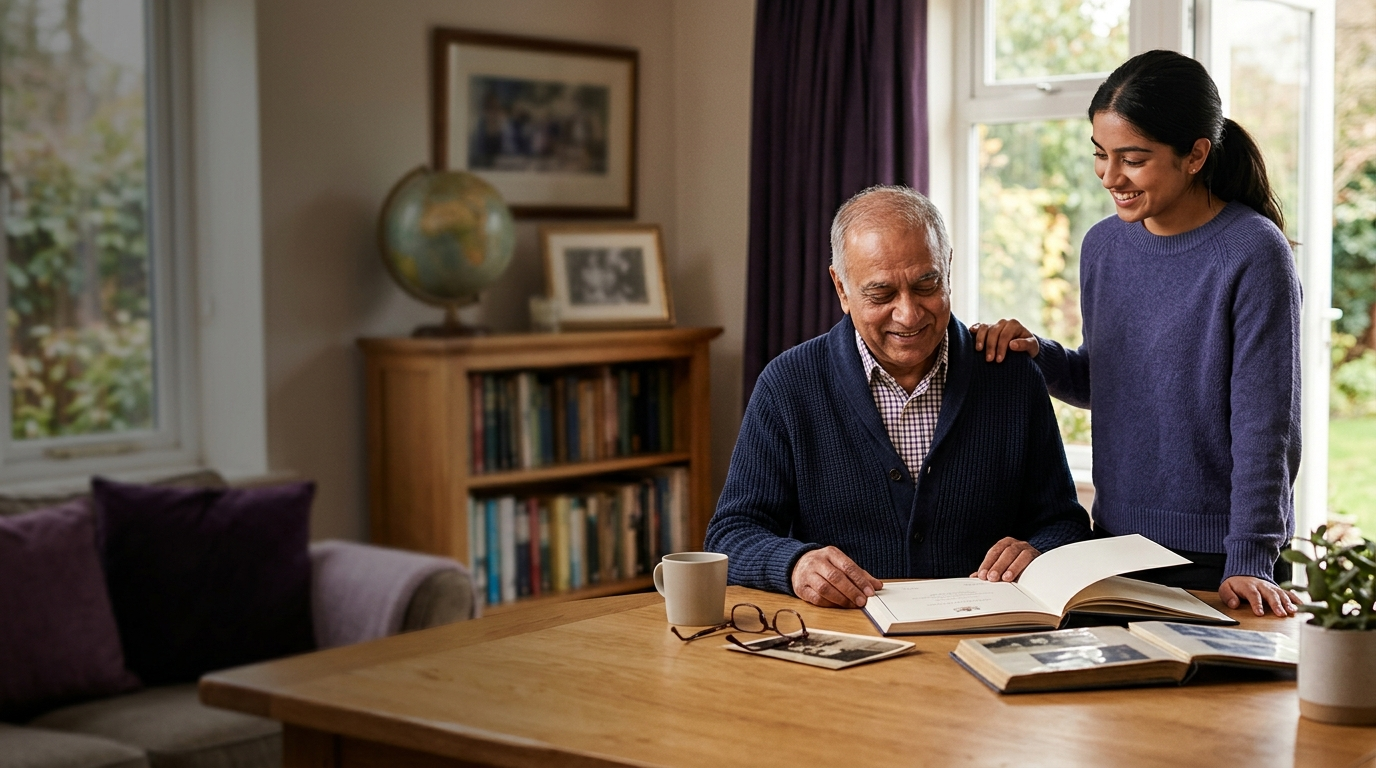
使用图像作为想法提示。描述您注意到的内容,将其与您的经历联系起来,然后回答真正的问题。

对照聆听参考答案
先听较简单的答案,再切换 Band 对照同一道题如何展开,最后录制你自己的回答。这些内容仅为教学示例,不是官方答案,也不保证对应分数。
Part 2 — 参考答案
Part 2 cue-card response
A few years ago I felt proud of my mum. It was at her retirement party. She had worked as a nurse for over thirty years. At the party she received thanks from many colleagues and a small speech from her manager. I felt proud because she always cared for people and never complained about long shifts. She helped many patients and taught me to be kind. I remember she organised files and kept everything calm even when the ward was busy. Seeing her praised in front of friends and family made me very happy. It showed me that steady, quiet effort can be noticed.
Last year, at my sister's graduation ceremony, I felt especially proud. It happened in June, on a bright summer morning, when she walked across the stage to collect her diploma. The person is my younger sister, Emma, who had struggled with her course but kept going. She completed a three-year degree in environmental science and gave a short speech about community projects she’d led. What she did was juggle part-time work, volunteering for a local conservation group, and her studies, and still managed top marks in several modules. For example, she organised a beach-clean event that drew fifty volunteers and reduced local plastic pollution. I felt proud because I saw how much effort and resilience she put in, especially after she failed an important exam in the first year and didn’t give up. Her determination made her achievements meaningful to me, and watching her confidence grow reminded me of how family support can help someone recover from setbacks. It was emotional to see her parents’ faces in the audience, and I knew her success would open doors for meaningful work in environmental protection. That mix of hard work, kindness and visible impact is why I was so proud of her.
Part 3 — 参考答案
When would parents feel proud of their children?
Parents usually feel proud when their children reach milestones like finishing school, getting a good job or doing well in exams. They also feel proud when a child shows kindness or responsibility, for example looking after a younger sibling or helping at home. Small things like a child learning to ride a bike can make parents happy too.
Parents tend to feel proud at two kinds of moments: milestone achievements and moral growth. Milestones are clear — graduation, a first job, passing a big exam — and they signal progress. But many parents feel deeper pride when children show resilience, empathy or responsibility, such as helping a neighbour or recovering from failure. Often the quiet, everyday acts of kindness or steady improvement are the most meaningful over time.
Should parents reward children? Why and how?
Yes, parents should reward children because it encourages good behaviour. Rewards can be praise, a small treat, stickers or extra screen time. It's useful to reward effort as well as results so children keep trying. But rewards should be fair and not too big.
I think parents should use rewards thoughtfully. Praise and positive attention are often the most effective and help build self-esteem. Material rewards can work too, but they should be age-appropriate and tied to clear expectations so they don’t become bribes. Practical rewards — for example extra freedom, a special outing or responsibility — can reinforce good habits while teaching children about consequences.
Is it good to reward children too often? Why?
No, it is not good to reward children too often. If you reward everything, the child may expect a prize for every small thing. That can stop them from doing things because they care. It is better to use rewards sometimes and praise more.
Generally it’s unwise to reward children too frequently because that can undermine intrinsic motivation. If every task comes with a prize, kids learn to do things only for external gain. A better approach is intermittent reinforcement: praise effort consistently and offer occasional, meaningful rewards to celebrate progress. Over time this helps children value the activity itself rather than just the reward.
On what occasions would adults be proud of themselves?
Adults feel proud of themselves on many occasions, like when they get a promotion, finish an important project, or buy a house. Also when they learn a new skill, such as swimming or cooking, or when they help someone in need. These things show personal progress.
Adults can be proud for both public achievements and private growth. Career milestones such as promotions or completing a degree are obvious examples, but quieter moments — overcoming anxiety, sticking with sobriety, or rebuilding a relationship — are often more profound. Pride also comes from meeting long-term goals, like training for a marathon, where steady commitment pays off.
Do rewards help a child become better?
Rewards can help a child improve because they make the child want to repeat good behaviour. They work well at the start when forming a habit. But rewards need to be followed by teaching and practice; otherwise the child may stop when the reward ends.
Rewards are useful as part of a broader strategy. They provide feedback and can motivate initial learning, especially for difficult or boring tasks. However, for lasting improvement you need to combine rewards with explanations, modelling and opportunities to practise so the child internalises the behaviour. Praise that focuses on effort and strategies tends to produce better long-term results than simple treats.
What do you think about children working hard just for grades?
If children work hard just for grades, that is not good. Grades matter but they are not everything. Working only for marks can make children stressed and they might not learn other useful skills. It's better to balance grades with real understanding.
Working hard for grades is understandable because exams open doors, but it’s limiting if that’s the sole aim. A grade-oriented approach can encourage short-term memorisation rather than deep learning, and it can harm wellbeing. Ideally, teachers and parents should promote a growth mindset: value effort, curiosity and problem-solving so children work for understanding as well as for results.
练习状态:上一个题库周期的存档主题。它对于技能练习仍然有用,但不会作为当前或保证的考试问题出现。 话题标签说明.
如何回答 描述一次你为家庭成员感到自豪的时刻 雅思口语问题
对于“描述一次您为家庭成员感到自豪的时刻”提示卡,请利用准备时间来构建整个演讲的路线。选择一个明确的主题,添加两个特定的时刻或细节,最后说明为什么它很重要。然后使用链接的第 3 部分问题来练习更广泛的解释和比较。
提示卡提示:
- 当事情发生时
- 这个人是谁
- 这个人做了什么
- 并解释为什么你为他/她感到骄傲
- 开头:指出人物、地点、物体或事件。
- 发展:按逻辑顺序描述两个细节或时刻。
- 扩展:解释原因、结果、比较或问题。
- 反思:以为什么该主题令人难忘或重要来结束。
逐题练习方法
| 练习题 | 实用作答方法 |
|---|---|
| When would parents feel proud of their children? | 给出一个直接的答案、一个原因和一个简短的例子,无需记住脚本。 |
| Should parents reward children? Why and how? | 给出一个直接的答案、一个原因和一个简短的例子,无需记住脚本。 |
| Is it good to reward children too often? Why? | 直接回答,给出理由并添加一个自然的个人细节。 |
| On what occasions would adults be proud of themselves? | 给出一个直接的答案、一个原因和一个简短的例子,无需记住脚本。 |
重点词汇
模型答案中已经展示的有用语言包括 milestone, resilience, everyday acts, age-appropriate, positive attention, tied to expectations, intrinsic motivation, intermittent reinforcement。学习每个含义和自然的单词伙伴关系,然后在新的答案中使用该项目,而不是复制完整的脚本。
需要避免的常见问题
- 给出的记忆答案只能部分回答问题。
- 添加困难的词汇而不检查含义或搭配。
- 每次错误后重新启动,而不是短暂纠正并继续。
- 在记录您自己的第一次尝试之前,请先阅读标准答案。
描述一次您为家庭成员感到自豪的经历
我应该如何使用“描述一次您为家庭成员感到自豪的时刻”提示卡准备分钟?
为开头、两三个细节和最后的反思写下关键词。不要试图写出完整的句子。
我必须覆盖所有提示卡项目符号吗?
提示可以帮助您组织演讲。涵盖它们是有用的,但是一到两分钟的连贯响应比机械地勾选每一行更重要。
第 3 部分的问题与第 2 部分有何关联?
他们通过原因、比较、社会影响或未来的可能性发展出相同的广泛主题,因此答案通常需要比第 1 部分更多的解释。
