
IELTS 말하기 파트 2 & 3: Describe a time when you felt proud of a family member

파트 2 큐 카드
Describe a time when you felt proud of a family member
당신은 이렇게 말해야 합니다:
- 그런 일이 일어났을 때
- 그 사람은 누구인가?
- 그 사람이 한 일
- 그리고 그 사람이 왜 자랑스러웠는지 설명해주세요.
이 주제에 대해 1~2분 정도 이야기할 시간이 있습니다.
전체 내용 읽기
Last year, at my sister's graduation ceremony, I felt especially proud. It happened in June, on a bright summer morning, when she walked across the stage to collect her diploma. The person is my younger sister, Emma, who had struggled with her course but kept going. She completed a three-year degree in environmental science and gave a short speech about community projects she’d led. What she did was juggle part-time work, volunteering for a local conservation group, and her studies, and still managed top marks in several modules. For example, she organised a beach-clean event that drew fifty volunteers and reduced local plastic pollution. I felt proud because I saw how much effort and resilience she put in, especially after she failed an important exam in the first year and didn’t give up. Her determination made her achievements meaningful to me, and watching her confidence grow reminded me of how family support can help someone recover from setbacks. It was emotional to see her parents’ faces in the audience, and I knew her success would open doors for meaningful work in environmental protection. That mix of hard work, kindness and visible impact is why I was so proud of her.
준비상태: 예상 주제주기. 이 독립적인 연습 리소스는 공식 IELTS 시험이 아니며 시험 문제가 다를 수 있습니다. 주제에 라벨을 지정하는 방법.
파트 3 토론 질문
한 번에 하나의 질문을 이동하세요. 듣고, 대답하고, 비교하고, 다시 시도하세요. 전체 질문 텍스트는 접근성 및 검색을 위해 페이지 HTML에 남아 있습니다.
- 01When would parents feel proud of their children?
- 02Should parents reward children? Why and how?
- 03Is it good to reward children too often? Why?
- 04On what occasions would adults be proud of themselves?
- 05Do rewards help a child become better?
- 06What do you think about children working hard just for grades?
말하기 전에 주제를 살펴보세요
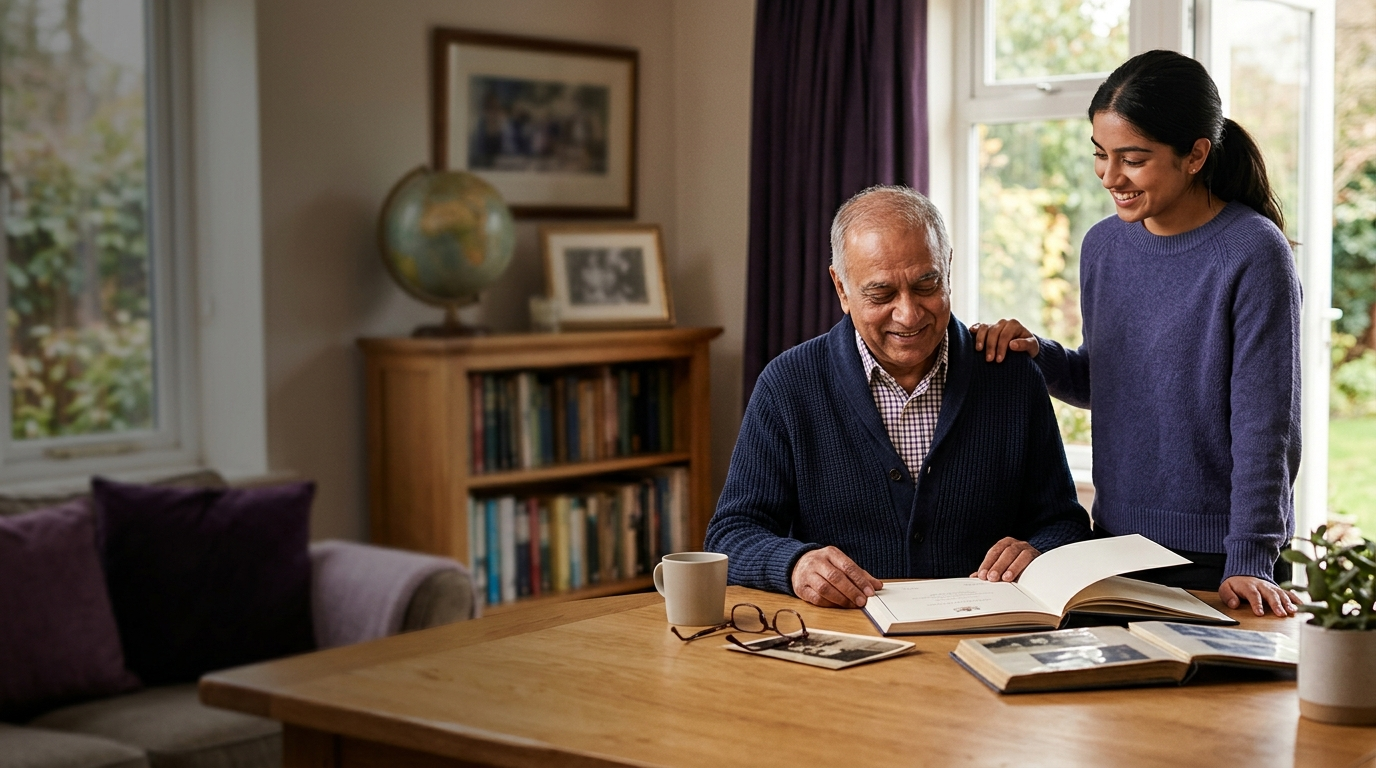
이미지를 아이디어 프롬프트로 사용하세요. 발견한 사항을 설명하고 이를 경험과 연결한 다음 실제 질문에 답하세요.

모델 답변을 나란히 들음
더 간단한 답변부터 시작하여 Band를 전환하여 동일한 작업이 어떻게 개발될 수 있는지 듣고 개인 응답을 녹음하세요. 이것은 공식적인 답변이나 점수 보장이 아닌 교육용 예시입니다.
2부 — 모델 답변
Part 2 cue-card response
A few years ago I felt proud of my mum. It was at her retirement party. She had worked as a nurse for over thirty years. At the party she received thanks from many colleagues and a small speech from her manager. I felt proud because she always cared for people and never complained about long shifts. She helped many patients and taught me to be kind. I remember she organised files and kept everything calm even when the ward was busy. Seeing her praised in front of friends and family made me very happy. It showed me that steady, quiet effort can be noticed.
Last year, at my sister's graduation ceremony, I felt especially proud. It happened in June, on a bright summer morning, when she walked across the stage to collect her diploma. The person is my younger sister, Emma, who had struggled with her course but kept going. She completed a three-year degree in environmental science and gave a short speech about community projects she’d led. What she did was juggle part-time work, volunteering for a local conservation group, and her studies, and still managed top marks in several modules. For example, she organised a beach-clean event that drew fifty volunteers and reduced local plastic pollution. I felt proud because I saw how much effort and resilience she put in, especially after she failed an important exam in the first year and didn’t give up. Her determination made her achievements meaningful to me, and watching her confidence grow reminded me of how family support can help someone recover from setbacks. It was emotional to see her parents’ faces in the audience, and I knew her success would open doors for meaningful work in environmental protection. That mix of hard work, kindness and visible impact is why I was so proud of her.
3부 - 모델 답변
When would parents feel proud of their children?
Parents usually feel proud when their children reach milestones like finishing school, getting a good job or doing well in exams. They also feel proud when a child shows kindness or responsibility, for example looking after a younger sibling or helping at home. Small things like a child learning to ride a bike can make parents happy too.
Parents tend to feel proud at two kinds of moments: milestone achievements and moral growth. Milestones are clear — graduation, a first job, passing a big exam — and they signal progress. But many parents feel deeper pride when children show resilience, empathy or responsibility, such as helping a neighbour or recovering from failure. Often the quiet, everyday acts of kindness or steady improvement are the most meaningful over time.
Should parents reward children? Why and how?
Yes, parents should reward children because it encourages good behaviour. Rewards can be praise, a small treat, stickers or extra screen time. It's useful to reward effort as well as results so children keep trying. But rewards should be fair and not too big.
I think parents should use rewards thoughtfully. Praise and positive attention are often the most effective and help build self-esteem. Material rewards can work too, but they should be age-appropriate and tied to clear expectations so they don’t become bribes. Practical rewards — for example extra freedom, a special outing or responsibility — can reinforce good habits while teaching children about consequences.
Is it good to reward children too often? Why?
No, it is not good to reward children too often. If you reward everything, the child may expect a prize for every small thing. That can stop them from doing things because they care. It is better to use rewards sometimes and praise more.
Generally it’s unwise to reward children too frequently because that can undermine intrinsic motivation. If every task comes with a prize, kids learn to do things only for external gain. A better approach is intermittent reinforcement: praise effort consistently and offer occasional, meaningful rewards to celebrate progress. Over time this helps children value the activity itself rather than just the reward.
On what occasions would adults be proud of themselves?
Adults feel proud of themselves on many occasions, like when they get a promotion, finish an important project, or buy a house. Also when they learn a new skill, such as swimming or cooking, or when they help someone in need. These things show personal progress.
Adults can be proud for both public achievements and private growth. Career milestones such as promotions or completing a degree are obvious examples, but quieter moments — overcoming anxiety, sticking with sobriety, or rebuilding a relationship — are often more profound. Pride also comes from meeting long-term goals, like training for a marathon, where steady commitment pays off.
Do rewards help a child become better?
Rewards can help a child improve because they make the child want to repeat good behaviour. They work well at the start when forming a habit. But rewards need to be followed by teaching and practice; otherwise the child may stop when the reward ends.
Rewards are useful as part of a broader strategy. They provide feedback and can motivate initial learning, especially for difficult or boring tasks. However, for lasting improvement you need to combine rewards with explanations, modelling and opportunities to practise so the child internalises the behaviour. Praise that focuses on effort and strategies tends to produce better long-term results than simple treats.
What do you think about children working hard just for grades?
If children work hard just for grades, that is not good. Grades matter but they are not everything. Working only for marks can make children stressed and they might not learn other useful skills. It's better to balance grades with real understanding.
Working hard for grades is understandable because exams open doors, but it’s limiting if that’s the sole aim. A grade-oriented approach can encourage short-term memorisation rather than deep learning, and it can harm wellbeing. Ideally, teachers and parents should promote a growth mindset: value effort, curiosity and problem-solving so children work for understanding as well as for results.
연습 상태: 이전 문제 은행 주기에서 보관된 주제입니다. 기술 연습에는 여전히 유용하지만 현재 또는 보장된 시험 문제로 제시되지는 않습니다. 주제에 라벨을 지정하는 방법.
답변 방법 가족 중 자랑스러웠던 경험을 설명하세요 IELTS 말하기 질문
가족 큐 카드가 자랑스러웠던 경험을 설명하려면 준비 시간을 활용하여 이야기를 통해 경로를 구축하십시오. 명확한 주제를 선택하고 두 가지 구체적인 순간이나 세부 사항을 추가한 후 그것이 중요한 이유를 설명하여 마무리하세요. 그런 다음 연결된 파트 3 질문을 사용하여 더 폭넓은 설명과 비교를 연습하세요.
큐 카드 프롬프트:
- 그런 일이 일어났을 때
- 그 사람은 누구인가?
- 그 사람이 한 일
- 그리고 그 사람이 왜 자랑스러웠는지 설명해주세요.
- 열기: 사람, 장소, 사물 또는 사건을 식별합니다.
- 개발: 두 가지 세부 사항이나 순간을 논리적 순서로 설명합니다.
- 확장: 이유, 결과, 비교 또는 문제를 설명합니다.
- 묵상: 주제가 기억에 남거나 중요한 이유를 설명하여 마무리합니다.
질문별 접근 방식
| 연습문제 | 유용한 답변 이동 |
|---|---|
| When would parents feel proud of their children? | 대본을 외우지 않고 직접 답변하고 이유 하나와 간단한 예를 들어보세요. |
| Should parents reward children? Why and how? | 대본을 외우지 않고 직접 답변하고 이유 하나와 간단한 예를 들어보세요. |
| Is it good to reward children too often? Why? | 직접 답변하고, 이유를 제시하고, 자연스러운 개인 정보를 하나 추가하세요. |
| On what occasions would adults be proud of themselves? | 대본을 외우지 않고 직접 답변하고 이유 하나와 간단한 예를 들어보세요. |
어휘 집중
모델 답변에서 이미 입증된 유용한 언어는 다음과 같습니다. milestone, resilience, everyday acts, age-appropriate, positive attention, tied to expectations, intrinsic motivation, intermittent reinforcement. 각 의미와 자연스러운 단어 파트너십을 배운 다음 전체 스크립트를 복사하는 대신 새로운 답변에 항목을 사용하십시오.
피해야 할 일반적인 실수
- 질문에 부분적으로만 대답하는 암기된 답변을 제공합니다.
- 의미나 배열을 확인하지 않고 어려운 어휘를 추가합니다.
- 잠시 수정하고 계속하는 대신 오류가 발생할 때마다 다시 시작합니다.
- 첫 번째 시도를 기록하기 전에 모범 답변을 읽어보세요.
가족의 연습을 뿌듯하게 느꼈던 순간을 기술해 주세요.FAQ
가족 큐카드 준비시간 중 뿌듯했던 순간을 기술하려면 어떻게 활용해야 하나요?
오프닝, 두세 가지 세부 사항 및 최종 반영을 위한 키워드를 작성하세요. 완전한 문장을 쓰려고 하지 마세요.
큐카드 총알을 모두 가려야 하나요?
프롬프트는 대화를 정리하는 데 도움이 됩니다. 이를 덮는 것이 유용하지만 각 라인을 기계적으로 체크하는 것보다 일관된 1~2분 응답이 더 중요합니다.
파트 3 질문은 파트 2와 어떻게 연결되어 있나요?
이유, 비교, 사회적 영향 또는 미래 가능성을 통해 동일한 광범위한 주제를 전개하므로 답변에는 일반적으로 파트 1보다 더 많은 설명이 필요합니다.
