
Palestra IELTS Parte 2 e 3: Describe a time when you felt proud of a family member

Cartão de dicas da parte 2
Describe a time when you felt proud of a family member
Você deveria dizer:
- Quando aconteceu
- Quem é a pessoa
- O que a pessoa fez
- E explique por que você se sentiu orgulhoso dele/dela
Você terá de um a dois minutos para falar sobre este assunto.
Leia a transcrição completa
Last year, at my sister's graduation ceremony, I felt especially proud. It happened in June, on a bright summer morning, when she walked across the stage to collect her diploma. The person is my younger sister, Emma, who had struggled with her course but kept going. She completed a three-year degree in environmental science and gave a short speech about community projects she’d led. What she did was juggle part-time work, volunteering for a local conservation group, and her studies, and still managed top marks in several modules. For example, she organised a beach-clean event that drew fifty volunteers and reduced local plastic pollution. I felt proud because I saw how much effort and resilience she put in, especially after she failed an important exam in the first year and didn’t give up. Her determination made her achievements meaningful to me, and watching her confidence grow reminded me of how family support can help someone recover from setbacks. It was emotional to see her parents’ faces in the audience, and I knew her success would open doors for meaningful work in environmental protection. That mix of hard work, kindness and visible impact is why I was so proud of her.
Status de preparação: Ciclo de tópico previsto. Este recurso de prática independente não é um documento oficial do IELTS e as perguntas do seu teste podem ser diferentes. Como os tópicos são rotulados.
Questões para discussão da Parte 3
Mova uma pergunta de cada vez: ouça, responda, compare e tente novamente. O texto completo da pergunta permanece na página HTML para acessibilidade e pesquisa.
- 01When would parents feel proud of their children?
- 02Should parents reward children? Why and how?
- 03Is it good to reward children too often? Why?
- 04On what occasions would adults be proud of themselves?
- 05Do rewards help a child become better?
- 06What do you think about children working hard just for grades?
Veja o tópico antes de falar
Use as imagens como sugestões de ideias. Descreva o que você percebe, conecte-o à sua experiência e responda à verdadeira pergunta.

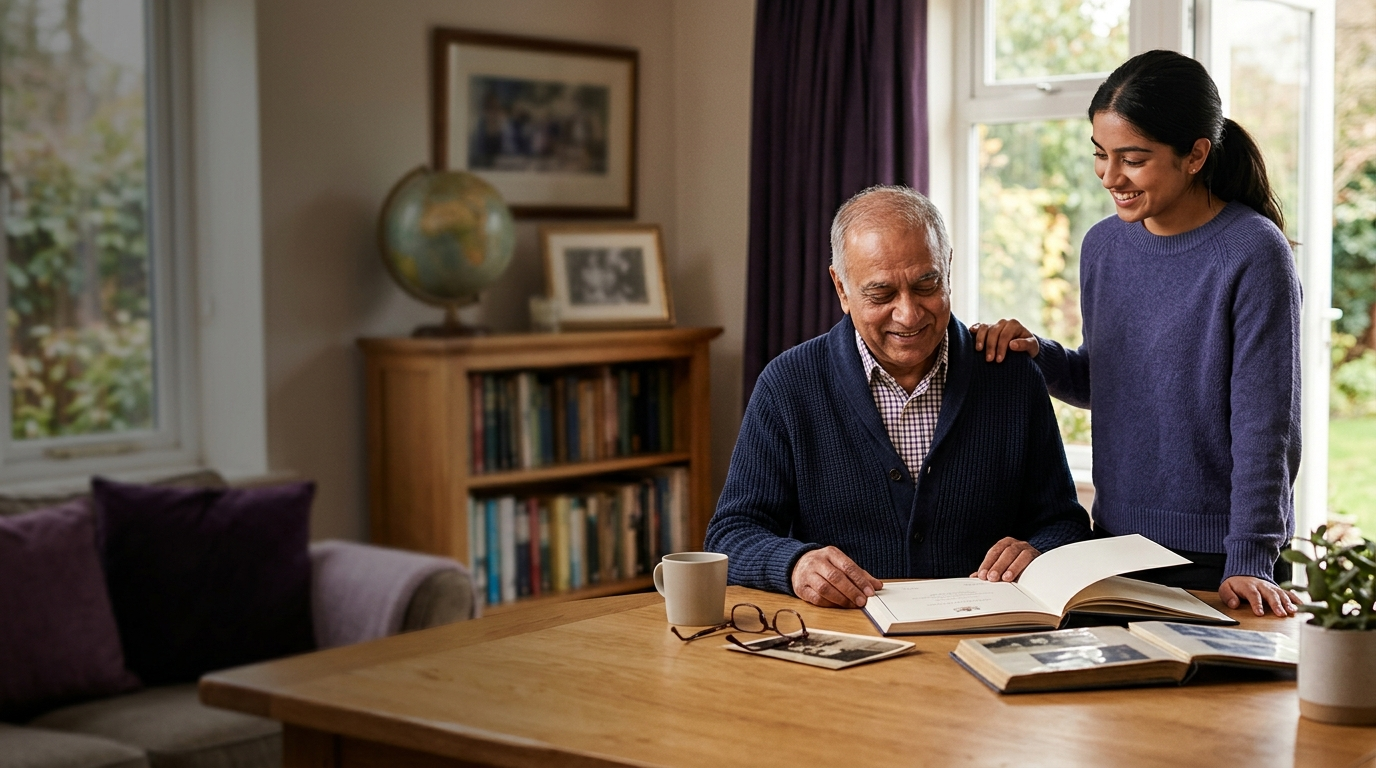
Respostas modelo, ouvidas lado a lado
Comece com a resposta mais simples, mude Band para ouvir como a mesma tarefa pode ser desenvolvida e depois registre uma resposta pessoal. Estes são exemplos didáticos, não respostas oficiais ou garantias de pontuação.
Parte 2 – Resposta do Modelo
Part 2 cue-card response
A few years ago I felt proud of my mum. It was at her retirement party. She had worked as a nurse for over thirty years. At the party she received thanks from many colleagues and a small speech from her manager. I felt proud because she always cared for people and never complained about long shifts. She helped many patients and taught me to be kind. I remember she organised files and kept everything calm even when the ward was busy. Seeing her praised in front of friends and family made me very happy. It showed me that steady, quiet effort can be noticed.
Last year, at my sister's graduation ceremony, I felt especially proud. It happened in June, on a bright summer morning, when she walked across the stage to collect her diploma. The person is my younger sister, Emma, who had struggled with her course but kept going. She completed a three-year degree in environmental science and gave a short speech about community projects she’d led. What she did was juggle part-time work, volunteering for a local conservation group, and her studies, and still managed top marks in several modules. For example, she organised a beach-clean event that drew fifty volunteers and reduced local plastic pollution. I felt proud because I saw how much effort and resilience she put in, especially after she failed an important exam in the first year and didn’t give up. Her determination made her achievements meaningful to me, and watching her confidence grow reminded me of how family support can help someone recover from setbacks. It was emotional to see her parents’ faces in the audience, and I knew her success would open doors for meaningful work in environmental protection. That mix of hard work, kindness and visible impact is why I was so proud of her.
Parte 3 – Respostas do Modelo
When would parents feel proud of their children?
Parents usually feel proud when their children reach milestones like finishing school, getting a good job or doing well in exams. They also feel proud when a child shows kindness or responsibility, for example looking after a younger sibling or helping at home. Small things like a child learning to ride a bike can make parents happy too.
Parents tend to feel proud at two kinds of moments: milestone achievements and moral growth. Milestones are clear — graduation, a first job, passing a big exam — and they signal progress. But many parents feel deeper pride when children show resilience, empathy or responsibility, such as helping a neighbour or recovering from failure. Often the quiet, everyday acts of kindness or steady improvement are the most meaningful over time.
Should parents reward children? Why and how?
Yes, parents should reward children because it encourages good behaviour. Rewards can be praise, a small treat, stickers or extra screen time. It's useful to reward effort as well as results so children keep trying. But rewards should be fair and not too big.
I think parents should use rewards thoughtfully. Praise and positive attention are often the most effective and help build self-esteem. Material rewards can work too, but they should be age-appropriate and tied to clear expectations so they don’t become bribes. Practical rewards — for example extra freedom, a special outing or responsibility — can reinforce good habits while teaching children about consequences.
Is it good to reward children too often? Why?
No, it is not good to reward children too often. If you reward everything, the child may expect a prize for every small thing. That can stop them from doing things because they care. It is better to use rewards sometimes and praise more.
Generally it’s unwise to reward children too frequently because that can undermine intrinsic motivation. If every task comes with a prize, kids learn to do things only for external gain. A better approach is intermittent reinforcement: praise effort consistently and offer occasional, meaningful rewards to celebrate progress. Over time this helps children value the activity itself rather than just the reward.
On what occasions would adults be proud of themselves?
Adults feel proud of themselves on many occasions, like when they get a promotion, finish an important project, or buy a house. Also when they learn a new skill, such as swimming or cooking, or when they help someone in need. These things show personal progress.
Adults can be proud for both public achievements and private growth. Career milestones such as promotions or completing a degree are obvious examples, but quieter moments — overcoming anxiety, sticking with sobriety, or rebuilding a relationship — are often more profound. Pride also comes from meeting long-term goals, like training for a marathon, where steady commitment pays off.
Do rewards help a child become better?
Rewards can help a child improve because they make the child want to repeat good behaviour. They work well at the start when forming a habit. But rewards need to be followed by teaching and practice; otherwise the child may stop when the reward ends.
Rewards are useful as part of a broader strategy. They provide feedback and can motivate initial learning, especially for difficult or boring tasks. However, for lasting improvement you need to combine rewards with explanations, modelling and opportunities to practise so the child internalises the behaviour. Praise that focuses on effort and strategies tends to produce better long-term results than simple treats.
What do you think about children working hard just for grades?
If children work hard just for grades, that is not good. Grades matter but they are not everything. Working only for marks can make children stressed and they might not learn other useful skills. It's better to balance grades with real understanding.
Working hard for grades is understandable because exams open doors, but it’s limiting if that’s the sole aim. A grade-oriented approach can encourage short-term memorisation rather than deep learning, and it can harm wellbeing. Ideally, teachers and parents should promote a growth mindset: value effort, curiosity and problem-solving so children work for understanding as well as for results.
Status da prática: Tópico arquivado de um ciclo anterior de banco de questões. Ela permanece útil para a prática de habilidades, mas não é apresentada como uma questão de exame atual ou garantida. Como os tópicos são rotulados.
Como responder Descreva um momento em que você se sentiu orgulhoso de um membro da família Perguntas do IELTS Speaking
Para o cartão Descreva um momento em que você se sentiu orgulhoso de um membro da família, use o minuto de preparação para construir um roteiro durante o discurso. Escolha um assunto claro, adicione dois momentos ou detalhes específicos e termine explicando por que é importante. Em seguida, use as perguntas vinculadas da Parte 3 para praticar explicações e comparações mais amplas.
Solicitações do cartão de sugestão:
- Quando aconteceu
- Quem é a pessoa
- O que a pessoa fez
- E explique por que você se sentiu orgulhoso dele/dela
- Abertura: identificar a pessoa, lugar, objeto ou evento.
- Desenvolvimento: descreva dois detalhes ou momentos em uma ordem lógica.
- Extensão: explique um motivo, resultado, comparação ou problema.
- Reflexão: finalize explicando por que o assunto é memorável ou importante.
Abordagem pergunta por pergunta
| Pergunta prática | Movimento de resposta útil |
|---|---|
| When would parents feel proud of their children? | Dê uma resposta direta, um motivo e um pequeno exemplo sem memorizar um roteiro. |
| Should parents reward children? Why and how? | Dê uma resposta direta, um motivo e um pequeno exemplo sem memorizar um roteiro. |
| Is it good to reward children too often? Why? | Responda diretamente, dê um motivo e adicione um detalhe pessoal natural. |
| On what occasions would adults be proud of themselves? | Dê uma resposta direta, um motivo e um pequeno exemplo sem memorizar um roteiro. |
Foco no vocabulário
A linguagem útil já demonstrada nas respostas do modelo inclui milestone, resilience, everyday acts, age-appropriate, positive attention, tied to expectations, intrinsic motivation, intermittent reinforcement. Aprenda cada significado e uma parceria natural de palavras e, em seguida, use o item em uma nova resposta em vez de copiar um script completo.
Erros comuns a evitar
- Dar uma resposta memorizada que responde apenas parcialmente à pergunta.
- Adicionar vocabulário difícil sem verificar o significado ou a colocação.
- Reiniciar após cada erro em vez de corrigir brevemente e continuar.
- Lendo a resposta do modelo antes de gravar sua primeira tentativa.
Descreva um momento em que você se sentiu orgulhoso de um membro da família. Perguntas frequentes sobre prática
Como devo usar o minuto Descreva um momento em que você se sentiu orgulhoso de um minuto de preparação do cartão de dicas de um membro da família?
Escreva palavras-chave para uma abertura, dois ou três detalhes e uma reflexão final. Não tente escrever frases completas.
Tenho que cobrir todos os marcadores do cartão de sinalização?
As instruções ajudam você a organizar a palestra. Cobri-los é útil, mas uma resposta coerente de um a dois minutos é mais importante do que marcar mecanicamente cada linha.
Como as perguntas da Parte 3 estão conectadas à Parte 2?
Desenvolvem o mesmo tema amplo através de razões, comparações, efeitos sociais ou possibilidades futuras, pelo que as respostas normalmente necessitam de mais explicações do que a Parte 1.
