
IELTS Speaking Parte 2 y 3: Describe a time when you felt proud of a family member

Tarjeta de referencia de la parte 2
Describe a time when you felt proud of a family member
Deberías decir:
- cuando sucedio
- quien es la persona
- lo que hizo la persona
- Y explica por qué te sentiste orgulloso de él/ella.
Tendrás uno o dos minutos para hablar sobre este tema.
Lea la transcripción completa
Last year, at my sister's graduation ceremony, I felt especially proud. It happened in June, on a bright summer morning, when she walked across the stage to collect her diploma. The person is my younger sister, Emma, who had struggled with her course but kept going. She completed a three-year degree in environmental science and gave a short speech about community projects she’d led. What she did was juggle part-time work, volunteering for a local conservation group, and her studies, and still managed top marks in several modules. For example, she organised a beach-clean event that drew fifty volunteers and reduced local plastic pollution. I felt proud because I saw how much effort and resilience she put in, especially after she failed an important exam in the first year and didn’t give up. Her determination made her achievements meaningful to me, and watching her confidence grow reminded me of how family support can help someone recover from setbacks. It was emotional to see her parents’ faces in the audience, and I knew her success would open doors for meaningful work in environmental protection. That mix of hard work, kindness and visible impact is why I was so proud of her.
Estado de preparación: ciclo de tema previsto. Este recurso de práctica independiente no es un documento oficial del IELTS y las preguntas de su examen pueden ser diferentes. Cómo se etiquetan los temas.
Preguntas de discusión de la parte 3
Mueva una pregunta a la vez: escuche, responda, compare y vuelva a intentarlo. El texto completo de la pregunta permanece en la página HTML para accesibilidad y búsqueda.
- 01When would parents feel proud of their children?
- 02Should parents reward children? Why and how?
- 03Is it good to reward children too often? Why?
- 04On what occasions would adults be proud of themselves?
- 05Do rewards help a child become better?
- 06What do you think about children working hard just for grades?
Vea el tema antes de hablar.
Utilice las imágenes como sugerencias de ideas. Describe lo que notas, conéctalo con tu experiencia y luego responde la pregunta real.

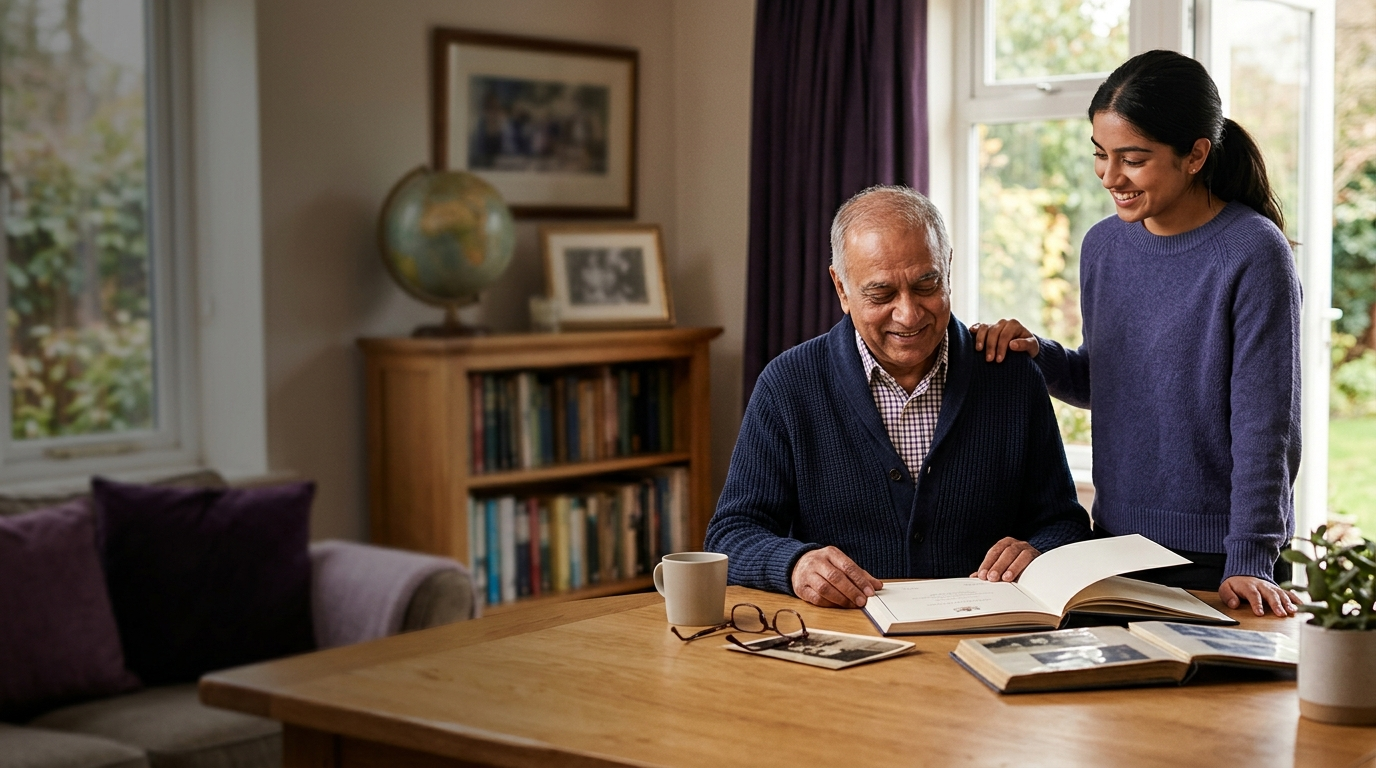
Respuestas modelo, escuchadas una al lado de la otra
Comience con la respuesta más simple, cambie Band para escuchar cómo se puede desarrollar la misma tarea y luego registre una respuesta personal. Estos son ejemplos de enseñanza, no respuestas oficiales ni garantías de puntuación.
Parte 2: Respuesta modelo
Part 2 cue-card response
A few years ago I felt proud of my mum. It was at her retirement party. She had worked as a nurse for over thirty years. At the party she received thanks from many colleagues and a small speech from her manager. I felt proud because she always cared for people and never complained about long shifts. She helped many patients and taught me to be kind. I remember she organised files and kept everything calm even when the ward was busy. Seeing her praised in front of friends and family made me very happy. It showed me that steady, quiet effort can be noticed.
Last year, at my sister's graduation ceremony, I felt especially proud. It happened in June, on a bright summer morning, when she walked across the stage to collect her diploma. The person is my younger sister, Emma, who had struggled with her course but kept going. She completed a three-year degree in environmental science and gave a short speech about community projects she’d led. What she did was juggle part-time work, volunteering for a local conservation group, and her studies, and still managed top marks in several modules. For example, she organised a beach-clean event that drew fifty volunteers and reduced local plastic pollution. I felt proud because I saw how much effort and resilience she put in, especially after she failed an important exam in the first year and didn’t give up. Her determination made her achievements meaningful to me, and watching her confidence grow reminded me of how family support can help someone recover from setbacks. It was emotional to see her parents’ faces in the audience, and I knew her success would open doors for meaningful work in environmental protection. That mix of hard work, kindness and visible impact is why I was so proud of her.
Parte 3: Respuestas modelo
When would parents feel proud of their children?
Parents usually feel proud when their children reach milestones like finishing school, getting a good job or doing well in exams. They also feel proud when a child shows kindness or responsibility, for example looking after a younger sibling or helping at home. Small things like a child learning to ride a bike can make parents happy too.
Parents tend to feel proud at two kinds of moments: milestone achievements and moral growth. Milestones are clear — graduation, a first job, passing a big exam — and they signal progress. But many parents feel deeper pride when children show resilience, empathy or responsibility, such as helping a neighbour or recovering from failure. Often the quiet, everyday acts of kindness or steady improvement are the most meaningful over time.
Should parents reward children? Why and how?
Yes, parents should reward children because it encourages good behaviour. Rewards can be praise, a small treat, stickers or extra screen time. It's useful to reward effort as well as results so children keep trying. But rewards should be fair and not too big.
I think parents should use rewards thoughtfully. Praise and positive attention are often the most effective and help build self-esteem. Material rewards can work too, but they should be age-appropriate and tied to clear expectations so they don’t become bribes. Practical rewards — for example extra freedom, a special outing or responsibility — can reinforce good habits while teaching children about consequences.
Is it good to reward children too often? Why?
No, it is not good to reward children too often. If you reward everything, the child may expect a prize for every small thing. That can stop them from doing things because they care. It is better to use rewards sometimes and praise more.
Generally it’s unwise to reward children too frequently because that can undermine intrinsic motivation. If every task comes with a prize, kids learn to do things only for external gain. A better approach is intermittent reinforcement: praise effort consistently and offer occasional, meaningful rewards to celebrate progress. Over time this helps children value the activity itself rather than just the reward.
On what occasions would adults be proud of themselves?
Adults feel proud of themselves on many occasions, like when they get a promotion, finish an important project, or buy a house. Also when they learn a new skill, such as swimming or cooking, or when they help someone in need. These things show personal progress.
Adults can be proud for both public achievements and private growth. Career milestones such as promotions or completing a degree are obvious examples, but quieter moments — overcoming anxiety, sticking with sobriety, or rebuilding a relationship — are often more profound. Pride also comes from meeting long-term goals, like training for a marathon, where steady commitment pays off.
Do rewards help a child become better?
Rewards can help a child improve because they make the child want to repeat good behaviour. They work well at the start when forming a habit. But rewards need to be followed by teaching and practice; otherwise the child may stop when the reward ends.
Rewards are useful as part of a broader strategy. They provide feedback and can motivate initial learning, especially for difficult or boring tasks. However, for lasting improvement you need to combine rewards with explanations, modelling and opportunities to practise so the child internalises the behaviour. Praise that focuses on effort and strategies tends to produce better long-term results than simple treats.
What do you think about children working hard just for grades?
If children work hard just for grades, that is not good. Grades matter but they are not everything. Working only for marks can make children stressed and they might not learn other useful skills. It's better to balance grades with real understanding.
Working hard for grades is understandable because exams open doors, but it’s limiting if that’s the sole aim. A grade-oriented approach can encourage short-term memorisation rather than deep learning, and it can harm wellbeing. Ideally, teachers and parents should promote a growth mindset: value effort, curiosity and problem-solving so children work for understanding as well as for results.
Estado de la práctica: tema archivado de un ciclo anterior del banco de preguntas. Sigue siendo útil para la práctica de habilidades, pero no se presenta como una pregunta de examen actual o garantizada. Cómo se etiquetan los temas.
Cómo responder Describe un momento en el que te sentiste orgulloso de un miembro de la familia Preguntas orales del IELTS
Para la tarjeta Describe un momento en el que te sentiste orgulloso de un miembro de la familia, utiliza el minuto de preparación para construir una ruta a través de la charla. Elija un tema claro, agregue dos momentos o detalles específicos y termine explicando por qué es importante. Luego utilice las preguntas vinculadas de la Parte 3 para practicar explicaciones y comparaciones más amplias.
Indicaciones de la tarjeta de referencia:
- cuando sucedio
- quien es la persona
- lo que hizo la persona
- Y explica por qué te sentiste orgulloso de él/ella.
- Apertura: identificar a la persona, lugar, objeto o evento.
- Desarrollo: describir dos detalles o momentos en un orden lógico.
- Ampliación: explicar un motivo, resultado, comparación o problema.
- Reflexión: terminar con por qué el tema es memorable o importante.
Enfoque pregunta por pregunta
| pregunta de práctica | movimiento de respuesta útil |
|---|---|
| When would parents feel proud of their children? | Da una respuesta directa, una razón y un breve ejemplo sin memorizar un guión. |
| Should parents reward children? Why and how? | Da una respuesta directa, una razón y un breve ejemplo sin memorizar un guión. |
| Is it good to reward children too often? Why? | Responde directamente, da un motivo y añade un detalle personal natural. |
| On what occasions would adults be proud of themselves? | Da una respuesta directa, una razón y un breve ejemplo sin memorizar un guión. |
Enfoque de vocabulario
El lenguaje útil ya demostrado en las respuestas modelo incluye milestone, resilience, everyday acts, age-appropriate, positive attention, tied to expectations, intrinsic motivation, intermittent reinforcement. Aprenda cada significado y una asociación natural de palabras, luego use el elemento en una respuesta nueva en lugar de copiar un guión completo.
Errores comunes a evitar
- Dar una respuesta memorizada que responda sólo parcialmente a la pregunta.
- Agregar vocabulario difícil sin verificar el significado o la colocación.
- Reiniciar después de cada error en lugar de corregir brevemente y continuar.
- Leer la respuesta modelo antes de grabar su primer intento.
Describe un momento en el que te sentiste orgulloso de un miembro de tu familia. Preguntas frecuentes sobre la práctica.
¿Cómo debo utilizar el minuto de preparación de la tarjeta de referencia Describe un momento en el que te sentiste orgulloso de un miembro de la familia?
Escribe palabras clave para una apertura, dos o tres detalles y una reflexión final. No intentes escribir oraciones completas.
¿Tengo que cubrir cada viñeta de la tarjeta de referencia?
Las indicaciones le ayudarán a organizar la charla. Cubrirlos es útil, pero una respuesta coherente de uno a dos minutos es más importante que marcar mecánicamente cada línea.
¿Cómo se conectan las preguntas de la Parte 3 con la Parte 2?
Desarrollan el mismo tema amplio a través de razones, comparaciones, efectos sociales o posibilidades futuras, por lo que las respuestas normalmente necesitan más explicaciones que la Parte 1.
