
IELTS Nói Phần 2 & 3: Describe a time when you felt proud of a family member

Thẻ gợi ý phần 2
Describe a time when you felt proud of a family member
Bạn nên nói:
- Khi nó xảy ra
- Người đó là ai
- Người đó đã làm gì
- Và giải thích lý do tại sao bạn cảm thấy tự hào về anh ấy/cô ấy
Bạn sẽ có một đến hai phút để nói về chủ đề này.
Đọc bản ghi đầy đủ
Last year, at my sister's graduation ceremony, I felt especially proud. It happened in June, on a bright summer morning, when she walked across the stage to collect her diploma. The person is my younger sister, Emma, who had struggled with her course but kept going. She completed a three-year degree in environmental science and gave a short speech about community projects she’d led. What she did was juggle part-time work, volunteering for a local conservation group, and her studies, and still managed top marks in several modules. For example, she organised a beach-clean event that drew fifty volunteers and reduced local plastic pollution. I felt proud because I saw how much effort and resilience she put in, especially after she failed an important exam in the first year and didn’t give up. Her determination made her achievements meaningful to me, and watching her confidence grow reminded me of how family support can help someone recover from setbacks. It was emotional to see her parents’ faces in the audience, and I knew her success would open doors for meaningful work in environmental protection. That mix of hard work, kindness and visible impact is why I was so proud of her.
Trạng thái chuẩn bị: Dự đoán chu kỳ chủ đề. Tài nguyên thực hành độc lập này không phải là bài thi IELTS chính thức và các câu hỏi trong bài kiểm tra của bạn có thể khác nhau. Cách gắn nhãn chủ đề.
Câu hỏi thảo luận phần 3
Di chuyển từng câu hỏi một: nghe, trả lời, so sánh và thử lại. Văn bản câu hỏi hoàn chỉnh vẫn còn trong trang HTML để truy cập và tìm kiếm.
- 01When would parents feel proud of their children?
- 02Should parents reward children? Why and how?
- 03Is it good to reward children too often? Why?
- 04On what occasions would adults be proud of themselves?
- 05Do rewards help a child become better?
- 06What do you think about children working hard just for grades?
Xem chủ đề trước khi nói
Sử dụng hình ảnh làm gợi ý tưởng. Mô tả những gì bạn nhận thấy, kết nối nó với trải nghiệm của bạn, sau đó trả lời câu hỏi thực sự.

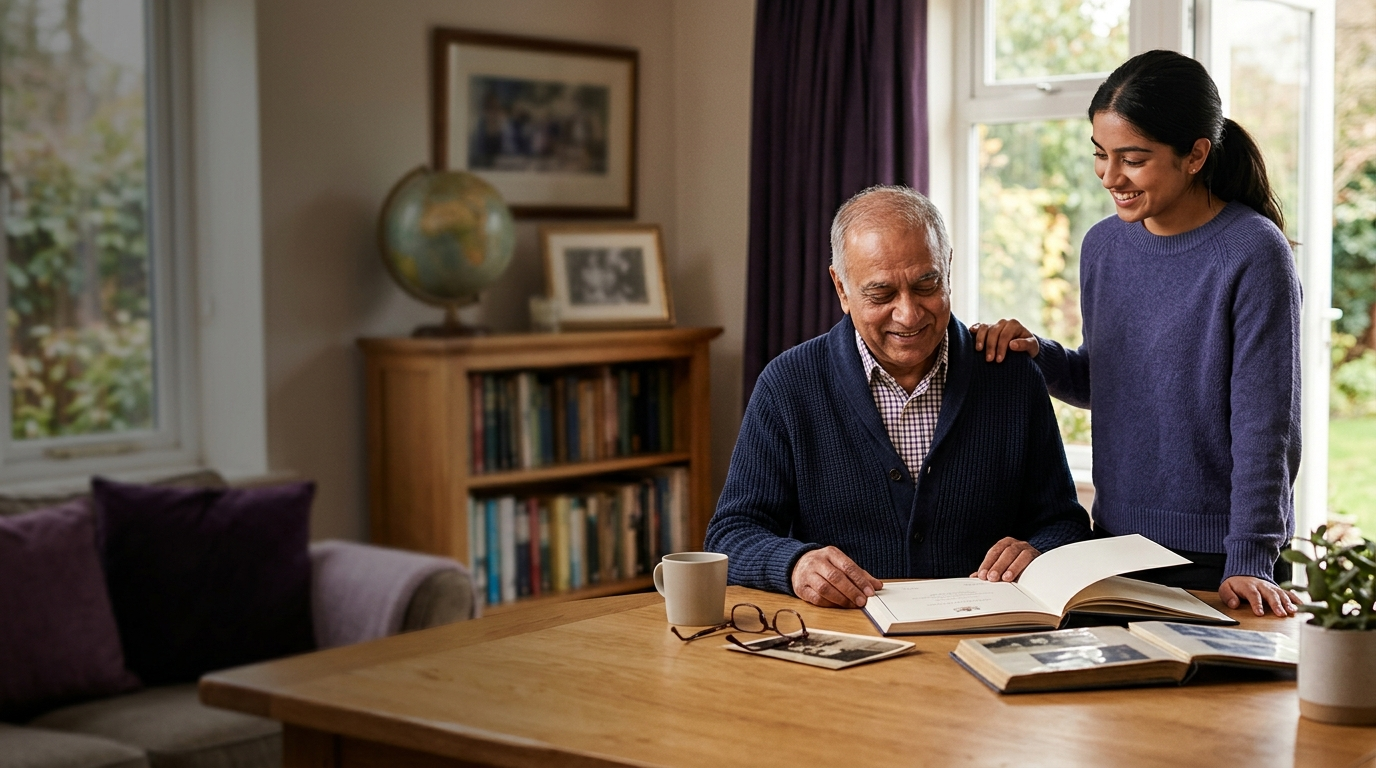
Những câu trả lời mẫu, được nghe cạnh nhau
Bắt đầu với câu trả lời đơn giản hơn, chuyển Band để nghe cách phát triển nhiệm vụ tương tự, sau đó ghi lại câu trả lời cá nhân. Đây là những ví dụ giảng dạy, không phải câu trả lời chính thức hoặc đảm bảo điểm số.
Phần 2 – Câu trả lời mẫu
Part 2 cue-card response
A few years ago I felt proud of my mum. It was at her retirement party. She had worked as a nurse for over thirty years. At the party she received thanks from many colleagues and a small speech from her manager. I felt proud because she always cared for people and never complained about long shifts. She helped many patients and taught me to be kind. I remember she organised files and kept everything calm even when the ward was busy. Seeing her praised in front of friends and family made me very happy. It showed me that steady, quiet effort can be noticed.
Last year, at my sister's graduation ceremony, I felt especially proud. It happened in June, on a bright summer morning, when she walked across the stage to collect her diploma. The person is my younger sister, Emma, who had struggled with her course but kept going. She completed a three-year degree in environmental science and gave a short speech about community projects she’d led. What she did was juggle part-time work, volunteering for a local conservation group, and her studies, and still managed top marks in several modules. For example, she organised a beach-clean event that drew fifty volunteers and reduced local plastic pollution. I felt proud because I saw how much effort and resilience she put in, especially after she failed an important exam in the first year and didn’t give up. Her determination made her achievements meaningful to me, and watching her confidence grow reminded me of how family support can help someone recover from setbacks. It was emotional to see her parents’ faces in the audience, and I knew her success would open doors for meaningful work in environmental protection. That mix of hard work, kindness and visible impact is why I was so proud of her.
Phần 3 - Câu trả lời mẫu
When would parents feel proud of their children?
Parents usually feel proud when their children reach milestones like finishing school, getting a good job or doing well in exams. They also feel proud when a child shows kindness or responsibility, for example looking after a younger sibling or helping at home. Small things like a child learning to ride a bike can make parents happy too.
Parents tend to feel proud at two kinds of moments: milestone achievements and moral growth. Milestones are clear — graduation, a first job, passing a big exam — and they signal progress. But many parents feel deeper pride when children show resilience, empathy or responsibility, such as helping a neighbour or recovering from failure. Often the quiet, everyday acts of kindness or steady improvement are the most meaningful over time.
Should parents reward children? Why and how?
Yes, parents should reward children because it encourages good behaviour. Rewards can be praise, a small treat, stickers or extra screen time. It's useful to reward effort as well as results so children keep trying. But rewards should be fair and not too big.
I think parents should use rewards thoughtfully. Praise and positive attention are often the most effective and help build self-esteem. Material rewards can work too, but they should be age-appropriate and tied to clear expectations so they don’t become bribes. Practical rewards — for example extra freedom, a special outing or responsibility — can reinforce good habits while teaching children about consequences.
Is it good to reward children too often? Why?
No, it is not good to reward children too often. If you reward everything, the child may expect a prize for every small thing. That can stop them from doing things because they care. It is better to use rewards sometimes and praise more.
Generally it’s unwise to reward children too frequently because that can undermine intrinsic motivation. If every task comes with a prize, kids learn to do things only for external gain. A better approach is intermittent reinforcement: praise effort consistently and offer occasional, meaningful rewards to celebrate progress. Over time this helps children value the activity itself rather than just the reward.
On what occasions would adults be proud of themselves?
Adults feel proud of themselves on many occasions, like when they get a promotion, finish an important project, or buy a house. Also when they learn a new skill, such as swimming or cooking, or when they help someone in need. These things show personal progress.
Adults can be proud for both public achievements and private growth. Career milestones such as promotions or completing a degree are obvious examples, but quieter moments — overcoming anxiety, sticking with sobriety, or rebuilding a relationship — are often more profound. Pride also comes from meeting long-term goals, like training for a marathon, where steady commitment pays off.
Do rewards help a child become better?
Rewards can help a child improve because they make the child want to repeat good behaviour. They work well at the start when forming a habit. But rewards need to be followed by teaching and practice; otherwise the child may stop when the reward ends.
Rewards are useful as part of a broader strategy. They provide feedback and can motivate initial learning, especially for difficult or boring tasks. However, for lasting improvement you need to combine rewards with explanations, modelling and opportunities to practise so the child internalises the behaviour. Praise that focuses on effort and strategies tends to produce better long-term results than simple treats.
What do you think about children working hard just for grades?
If children work hard just for grades, that is not good. Grades matter but they are not everything. Working only for marks can make children stressed and they might not learn other useful skills. It's better to balance grades with real understanding.
Working hard for grades is understandable because exams open doors, but it’s limiting if that’s the sole aim. A grade-oriented approach can encourage short-term memorisation rather than deep learning, and it can harm wellbeing. Ideally, teachers and parents should promote a growth mindset: value effort, curiosity and problem-solving so children work for understanding as well as for results.
Trạng thái thực hành: Chủ đề được lưu trữ từ chu kỳ ngân hàng câu hỏi trước đó. Nó vẫn hữu ích cho việc thực hành kỹ năng nhưng không được trình bày dưới dạng câu hỏi thi hiện tại hoặc được đảm bảo. Cách gắn nhãn chủ đề.
Cách trả lời Mô tả thời điểm bạn cảm thấy tự hào về một thành viên trong gia đình Câu hỏi Nói IELTS
Đối với phần Mô tả thời điểm bạn cảm thấy tự hào về thẻ gợi ý của một thành viên trong gia đình, hãy sử dụng phút chuẩn bị để xây dựng lộ trình xuyên suốt cuộc nói chuyện. Chọn một chủ đề rõ ràng, thêm hai khoảnh khắc hoặc chi tiết cụ thể và kết thúc bằng lý do tại sao nó quan trọng. Sau đó sử dụng các câu hỏi Phần 3 được liên kết để thực hành giải thích và so sánh rộng hơn.
Lời nhắc của thẻ Cue:
- Khi nó xảy ra
- Người đó là ai
- Người đó đã làm gì
- Và giải thích lý do tại sao bạn cảm thấy tự hào về anh ấy/cô ấy
- Mở đầu: xác định người, địa điểm, đồ vật hoặc sự kiện.
- Phát triển: mô tả hai chi tiết hoặc khoảnh khắc theo một trình tự hợp lý.
- Phần mở rộng: giải thích lý do, kết quả, so sánh hoặc vấn đề.
- Suy ngẫm: kết thúc bằng việc tại sao chủ đề lại đáng nhớ hoặc quan trọng.
Cách tiếp cận theo từng câu hỏi
| Câu hỏi thực hành | Câu trả lời hữu ích di chuyển |
|---|---|
| When would parents feel proud of their children? | Đưa ra câu trả lời trực tiếp, một lý do và một ví dụ ngắn mà không cần ghi nhớ kịch bản. |
| Should parents reward children? Why and how? | Đưa ra câu trả lời trực tiếp, một lý do và một ví dụ ngắn mà không cần ghi nhớ kịch bản. |
| Is it good to reward children too often? Why? | Trả lời trực tiếp, đưa ra lý do và thêm một chi tiết cá nhân tự nhiên. |
| On what occasions would adults be proud of themselves? | Đưa ra câu trả lời trực tiếp, một lý do và một ví dụ ngắn mà không cần ghi nhớ kịch bản. |
Trọng tâm từ vựng
Ngôn ngữ hữu ích đã được trình bày trong các câu trả lời mẫu bao gồm milestone, resilience, everyday acts, age-appropriate, positive attention, tied to expectations, intrinsic motivation, intermittent reinforcement. Tìm hiểu từng nghĩa và cách kết hợp từ tự nhiên, sau đó sử dụng mục đó trong câu trả lời mới thay vì sao chép toàn bộ văn bản.
Những lỗi thường gặp cần tránh
- Đưa ra một câu trả lời thuộc lòng mà chỉ trả lời được một phần câu hỏi.
- Bổ sung từ vựng khó mà không cần kiểm tra nghĩa hoặc sắp xếp thứ tự.
- Khởi động lại sau mỗi lỗi thay vì sửa nhanh và tiếp tục.
- Đọc câu trả lời mẫu trước khi ghi lại lần thử đầu tiên của bạn.
Mô tả thời điểm bạn cảm thấy tự hào về một thành viên trong gia đình thực hành Câu hỏi thường gặp
Tôi nên sử dụng phần Mô tả thời điểm mà bạn cảm thấy tự hào về phút chuẩn bị thẻ gợi ý của một thành viên trong gia đình như thế nào?
Viết từ khóa cho phần mở đầu, hai hoặc ba chi tiết và suy ngẫm cuối cùng. Đừng cố gắng viết câu hoàn chỉnh.
Tôi có phải che từng viên đạn của thẻ gợi ý không?
Những lời nhắc giúp bạn tổ chức cuộc nói chuyện. Bao gồm chúng là hữu ích, nhưng một phản hồi mạch lạc từ một đến hai phút quan trọng hơn việc đánh dấu từng dòng một cách máy móc.
Các câu hỏi của Phần 3 được kết nối với Phần 2 như thế nào?
Chúng phát triển cùng một chủ đề rộng thông qua các lý do, so sánh, hiệu ứng xã hội hoặc khả năng trong tương lai, vì vậy các câu trả lời thường cần được giải thích nhiều hơn Phần 1.
