
Bagian 2 Kartu Isyarat
Jelaskan suatu peristiwa ketika banyak orang sedang tersenyum
Anda harus mengatakan:
- Ketika itu terjadi
- Dengan siapa kamu tadi
- Apa yang terjadi
- Dan jelaskan mengapa kebanyakan orang tersenyum
Anda memiliki waktu satu hingga dua menit untuk membicarakan topik ini.
Bagian 3 Pertanyaan Diskusi
- Do you think people who like to smile are more friendly?
- Why do most people smile in photographs?
- Do women smile more than men? Why?
- Do people smile more when they are younger or older?
- Is smiling important in your culture?
- Are there any occasions when people need to pretend to smile?
Status latihan: Arsip topik dari siklus bank soal sebelumnya. Ini tetap berguna untuk latihan keterampilan tetapi tidak disajikan sebagai soal ujian saat ini atau yang dijamin. Bagaimana topik diberi label.
Baca transkrip lengkapnya
It was last summer during a small street festival in my town. I went with a couple of close friends and my partner, and we stayed for most of the afternoon. The festival was held on a cobbled street with stalls selling food, crafts and local beer; there were buskers and a small stage for live music. At one point a local choir started an upbeat song and people gathered around, clapping and swaying; a few children even started dancing between the crowd. As the song reached the chorus, someone suggested a sing-along and within minutes hundreds of people were joining in. What surprised me was how quickly strangers relaxed and smiled at one another; even visitors from other towns were beaming. Most people were smiling because the atmosphere was very friendly and inclusive, and there weren't any obvious worries — for a couple of hours everyone just enjoyed the moment. Also, the combination of sunshine, good music and a few glasses of wine probably helped lift people's mood. It felt like a brief escape from routine, where smiling became contagious and natural. It happened in July, early evening when the light was golden. I remember taking a photo that captured dozens of smiling faces.
Lihat topiknya sebelum Anda berbicara
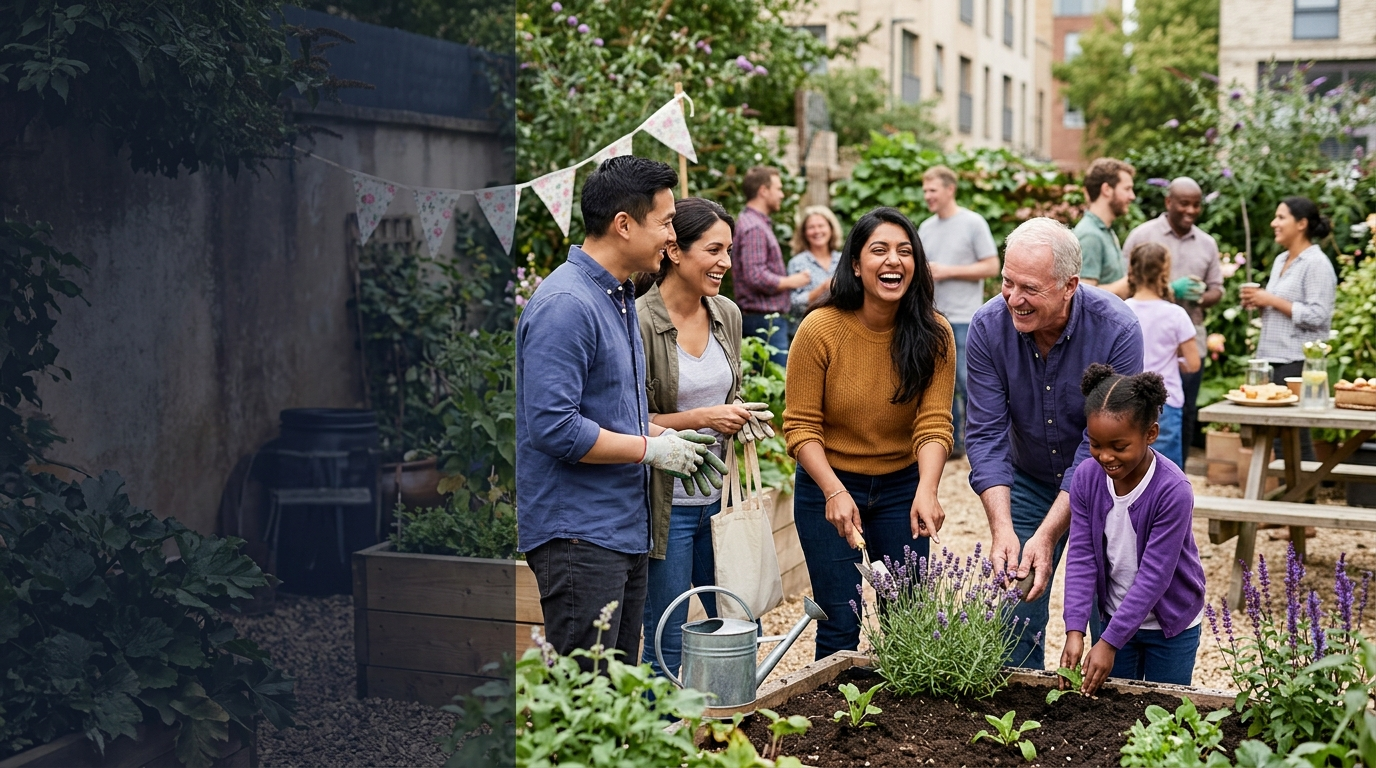
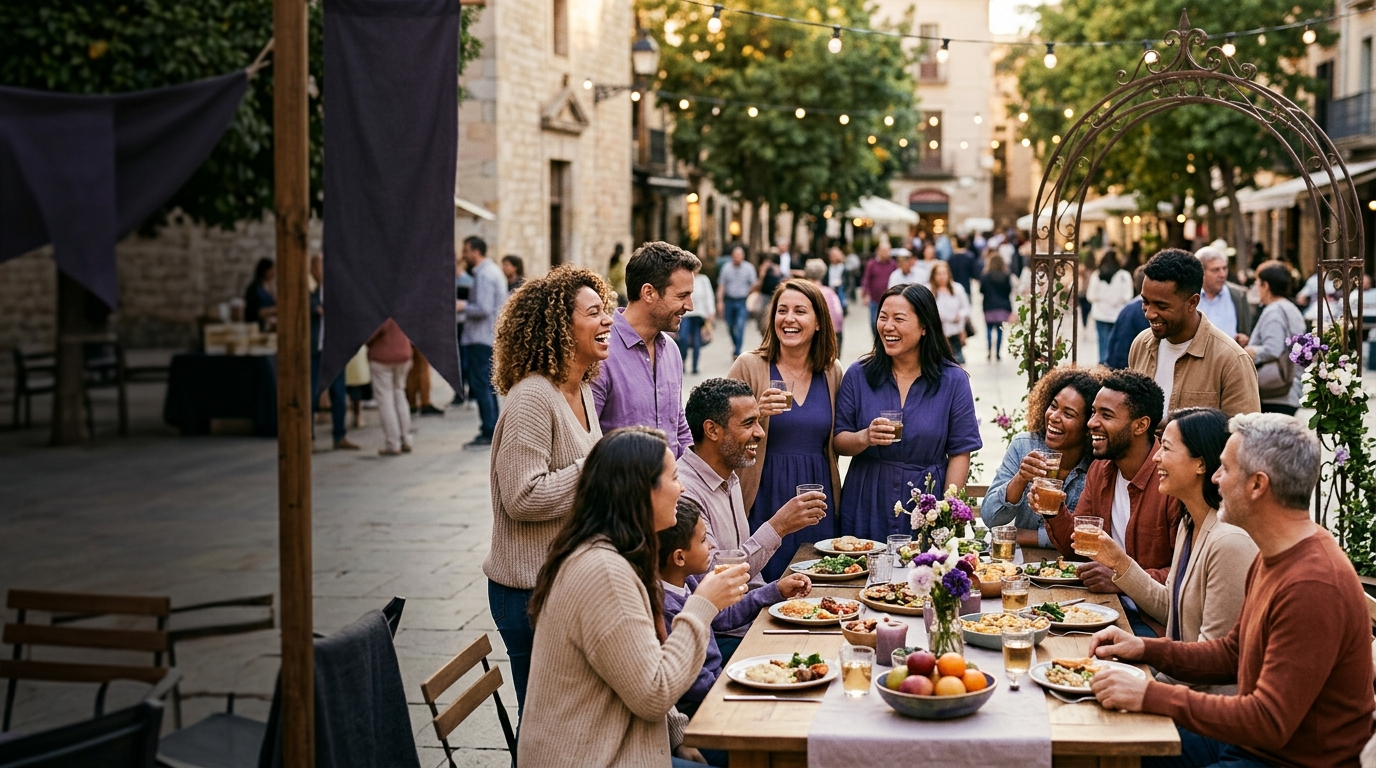
Gunakan gambar sebagai petunjuk ide. Jelaskan apa yang Anda perhatikan, hubungkan dengan pengalaman Anda, lalu jawab pertanyaan sebenarnya.
Jawaban model, terdengar berdampingan
Mulailah dengan jawaban yang lebih sederhana, alihkan Band untuk mendengarkan bagaimana tugas yang sama dapat dikembangkan, lalu catat tanggapan pribadi. Ini adalah contoh pengajaran, bukan jawaban resmi atau jaminan skor.
Bagian 2 — Jawaban Model
Part 2 cue-card response
I remember a village fair last summer. I went with two friends and my sister. The fair had food stalls, a band and a small stage. During an afternoon set the band played a cheerful tune and many people started clapping. Soon others joined and it turned into a big sing-along. People were smiling a lot — families, older people and teenagers. I think most people smiled because they felt relaxed and happy. The sun was shining and the drinks were cheap, so everyone was in a good mood. I took some photos and most faces were laughing or smiling.
It was last summer during a small street festival in my town. I went with a couple of close friends and my partner, and we stayed for most of the afternoon. The festival was held on a cobbled street with stalls selling food, crafts and local beer; there were buskers and a small stage for live music. At one point a local choir started an upbeat song and people gathered around, clapping and swaying; a few children even started dancing between the crowd. As the song reached the chorus, someone suggested a sing-along and within minutes hundreds of people were joining in. What surprised me was how quickly strangers relaxed and smiled at one another; even visitors from other towns were beaming. Most people were smiling because the atmosphere was very friendly and inclusive, and there weren't any obvious worries — for a couple of hours everyone just enjoyed the moment. Also, the combination of sunshine, good music and a few glasses of wine probably helped lift people's mood. It felt like a brief escape from routine, where smiling became contagious and natural. It happened in July, early evening when the light was golden. I remember taking a photo that captured dozens of smiling faces.
Bagian 3 - Jawaban Model
Do you think people who like to smile are more friendly?
Yes, I think people who like to smile often seem friendlier. A smile makes someone look approachable and calmer. It helps when you talk to them, because you feel comfortable.
Smiling does tend to make a person appear more friendly and approachable, but it's not the whole story. Sometimes people smile as a polite social cue rather than out of genuine warmth, so you need to look at body language and tone as well. Overall, a smile usually opens doors in conversation.
Why do most people smile in photographs?
Most people smile in photos because it's a habit and it looks nice. We are taught to smile for pictures so everyone looks friendly and happy.
People smile in photographs because it's become a social convention — smiling signals confidence and likability. Cameras also prompt posed behaviour, so people put on a pleasant expression even if they're not feeling particularly joyful; candid shots, by contrast, often show a wider range of genuine emotion.
Do women smile more than men? Why?
I think women often smile more than men. Society teaches women to be pleasant, so they smile more in social situations. But it's not true for everyone.
Research and everyday observation suggest women tend to smile more due to social norms and expectations — they're often socialised to be welcoming and emotionally expressive. Men may be encouraged to appear reserved. That said, context matters: in professional settings some men smile a lot, while some women keep a neutral face.
Do people smile more when they are younger or older?
Younger people probably smile more because they are more carefree and outgoing. Older people smile too, but sometimes they're more reserved.
Younger people often smile more spontaneously — they're freer to show emotions in public. Older people may smile in a different way: more gently or knowingly, reflecting life experience. Health, culture and personality also influence how often people smile at different ages.
Is smiling important in your culture?
Yes, smiling is important in my culture. We smile to be polite and to greet people. It's part of everyday manners, like saying hello.
Smiling is important where I'm from, though there's a distinct British reserve: we often favour a small, polite smile rather than being overly demonstrative. In service industries and everyday interactions a quick smile smooths conversation and shows courtesy, but it doesn't always mean deep friendship.
Are there any occasions when people need to pretend to smile?
Yes, people sometimes pretend to smile, for example at work or at parties when they are tired. It's a way to be polite even if you don't feel happy.
There are plenty of occasions for a forced smile: customer service roles, formal diplomacy or even social events where you want to be polite. This emotional labour can be draining, because people conceal their real feelings to meet social or professional expectations.
Status latihan: Arsip topik dari siklus bank soal sebelumnya. Ini tetap berguna untuk latihan keterampilan tetapi tidak disajikan sebagai soal ujian saat ini atau yang dijamin. Bagaimana topik diberi label.
Cara menjawab Jelaskan kejadian ketika banyak orang tersenyum pada pertanyaan IELTS Speaking
Untuk Jelaskan kejadian ketika banyak orang tersenyum pada kartu isyarat, gunakan menit persiapan untuk membangun rute melalui pembicaraan. Pilih subjek yang jelas, tambahkan dua momen atau detail spesifik, dan akhiri dengan alasan mengapa hal itu penting. Kemudian gunakan pertanyaan Bagian 3 yang tertaut untuk melatih penjelasan dan perbandingan yang lebih luas.
Perintah kartu isyarat:
- Ketika itu terjadi
- Dengan siapa kamu tadi
- Apa yang terjadi
- Dan jelaskan mengapa kebanyakan orang tersenyum
- Pembukaan: mengidentifikasi orang, tempat, benda atau peristiwa.
- Perkembangan: mendeskripsikan dua detail atau momen dalam urutan yang logis.
- Ekstensi: menjelaskan alasan, hasil, perbandingan atau masalah.
- Refleksi: akhiri dengan alasan mengapa subjek tersebut berkesan atau penting.
Pendekatan pertanyaan demi pertanyaan
| Soal latihan | Langkah jawaban yang berguna |
|---|---|
| Do you think people who like to smile are more friendly? | Nyatakan kemungkinan pandangan, jelaskan alasannya dan tambahkan satu kondisi atau contoh. |
| Why do most people smile in photographs? | Jawab dengan satu penyebab utama, lalu dukung dengan contoh konkrit. |
| Do women smile more than men? Why? | Berikan jawaban langsung, satu alasan dan contoh singkat tanpa harus hafal naskahnya. |
| Do people smile more when they are younger or older? | Berikan jawaban langsung, satu alasan dan contoh singkat tanpa harus hafal naskahnya. |
Fokus kosakata
Bahasa yang berguna sudah ditunjukkan dalam model jawaban yang disertakan approachable, social cue, genuine smile, pose, candid, impression management, emotional labour, socialised. Pelajari setiap arti dan hubungan kata yang alami, lalu gunakan item tersebut dalam jawaban baru alih-alih menyalin naskah lengkap.
Kesalahan umum yang harus dihindari
- Memberikan respon hafalan yang hanya menjawab sebagian pertanyaan.
- Menambah kosakata sulit tanpa memeriksa makna atau kolokasi.
- Memulai ulang setelah setiap kesalahan alih-alih mengoreksi sebentar dan melanjutkan.
- Membaca jawaban model sebelum merekam upaya pertama Anda.
Jelaskan suatu peristiwa ketika banyak orang tersenyum saat mempraktikkan FAQ
Bagaimana cara menggunakan deskripsikan saat banyak orang sedang tersenyum pada menit persiapan kartu isyarat?
Tulis kata kunci untuk pembukaan, dua atau tiga detail, dan refleksi akhir. Jangan mencoba menulis kalimat lengkap.
Apakah saya harus menutupi setiap poin di kartu petunjuk?
Petunjuknya membantu Anda mengatur pembicaraan. Meliputinya memang berguna, tetapi respons yang koheren selama satu hingga dua menit lebih penting daripada mencentang setiap baris secara mekanis.
Bagaimana pertanyaan Bagian 3 terhubung dengan Bagian 2?
Mereka mengembangkan tema luas yang sama melalui alasan, perbandingan, dampak sosial atau kemungkinan masa depan, sehingga jawaban biasanya memerlukan penjelasan lebih banyak daripada Bagian 1.