
Thẻ Cue Phần 2
Mô tả một dịp mà nhiều người đang mỉm cười
Bạn nên nói:
- Khi nó xảy ra
- Bạn đã ở bên ai
- Chuyện gì đã xảy ra
- Và giải thích tại sao hầu hết mọi người đều mỉm cười
Bạn sẽ có một đến hai phút để nói về chủ đề này.
Phần 3 Câu hỏi thảo luận
- Do you think people who like to smile are more friendly?
- Why do most people smile in photographs?
- Do women smile more than men? Why?
- Do people smile more when they are younger or older?
- Is smiling important in your culture?
- Are there any occasions when people need to pretend to smile?
Trạng thái thực hành: Chủ đề được lưu trữ từ chu kỳ ngân hàng câu hỏi trước đó. Nó vẫn hữu ích cho việc thực hành kỹ năng nhưng không được trình bày dưới dạng câu hỏi thi hiện tại hoặc được đảm bảo. Cách gắn nhãn chủ đề.
Đọc bản ghi đầy đủ
It was last summer during a small street festival in my town. I went with a couple of close friends and my partner, and we stayed for most of the afternoon. The festival was held on a cobbled street with stalls selling food, crafts and local beer; there were buskers and a small stage for live music. At one point a local choir started an upbeat song and people gathered around, clapping and swaying; a few children even started dancing between the crowd. As the song reached the chorus, someone suggested a sing-along and within minutes hundreds of people were joining in. What surprised me was how quickly strangers relaxed and smiled at one another; even visitors from other towns were beaming. Most people were smiling because the atmosphere was very friendly and inclusive, and there weren't any obvious worries — for a couple of hours everyone just enjoyed the moment. Also, the combination of sunshine, good music and a few glasses of wine probably helped lift people's mood. It felt like a brief escape from routine, where smiling became contagious and natural. It happened in July, early evening when the light was golden. I remember taking a photo that captured dozens of smiling faces.
Xem chủ đề trước khi nói
Sử dụng hình ảnh làm gợi ý tưởng. Mô tả những gì bạn nhận thấy, kết nối nó với trải nghiệm của bạn, sau đó trả lời câu hỏi thực sự.
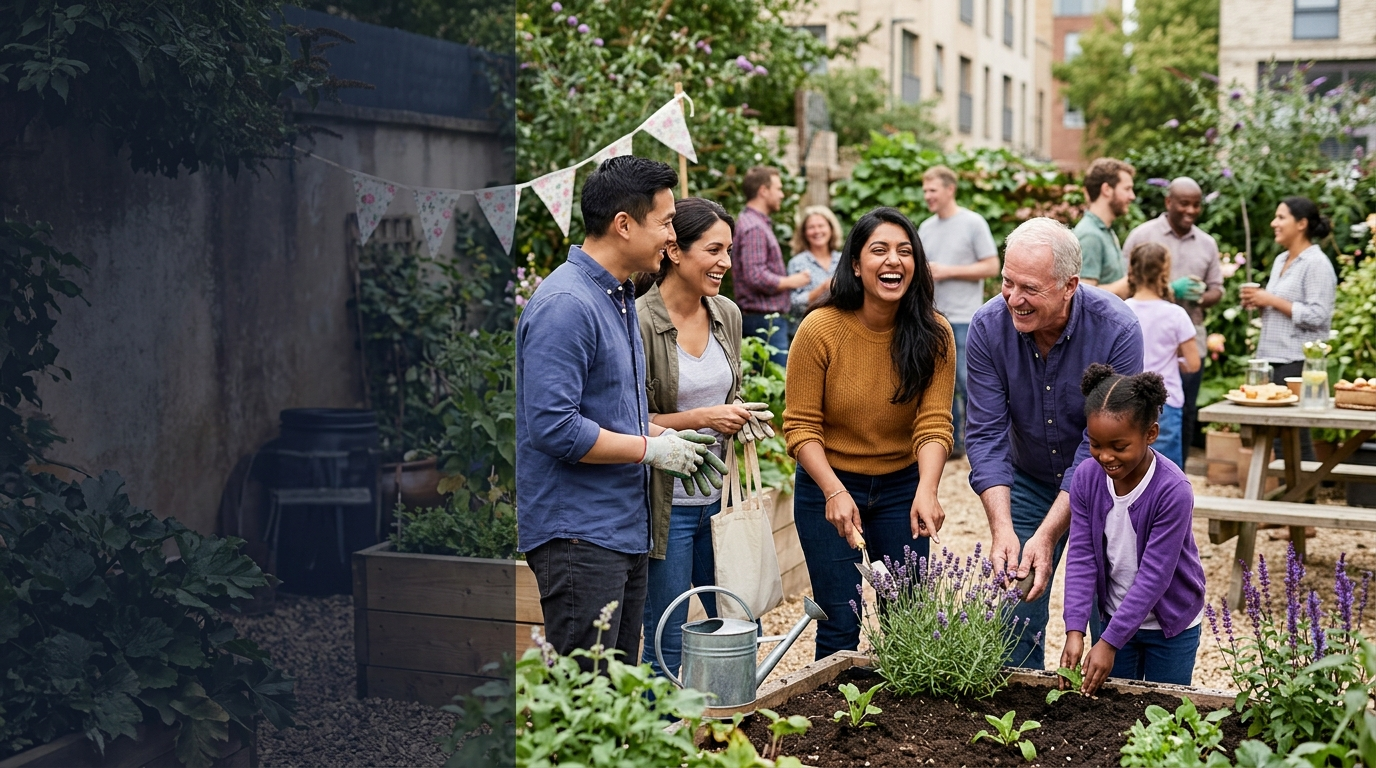
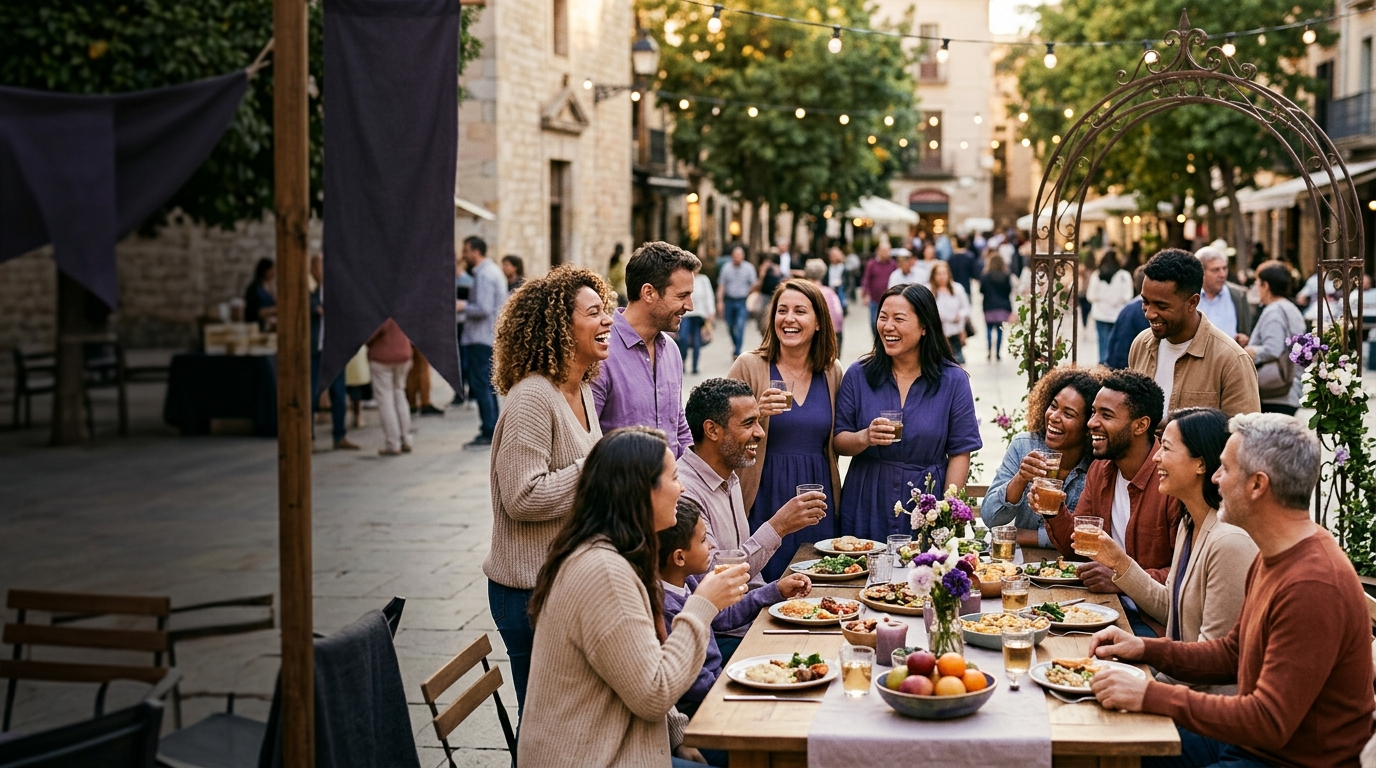
Những câu trả lời mẫu, được nghe cạnh nhau
Bắt đầu với câu trả lời đơn giản hơn, chuyển Band để nghe cách phát triển nhiệm vụ tương tự, sau đó ghi lại câu trả lời cá nhân. Đây là những ví dụ giảng dạy, không phải câu trả lời chính thức hoặc đảm bảo điểm số.
Phần 2 – Câu trả lời mẫu
Part 2 cue-card response
I remember a village fair last summer. I went with two friends and my sister. The fair had food stalls, a band and a small stage. During an afternoon set the band played a cheerful tune and many people started clapping. Soon others joined and it turned into a big sing-along. People were smiling a lot — families, older people and teenagers. I think most people smiled because they felt relaxed and happy. The sun was shining and the drinks were cheap, so everyone was in a good mood. I took some photos and most faces were laughing or smiling.
It was last summer during a small street festival in my town. I went with a couple of close friends and my partner, and we stayed for most of the afternoon. The festival was held on a cobbled street with stalls selling food, crafts and local beer; there were buskers and a small stage for live music. At one point a local choir started an upbeat song and people gathered around, clapping and swaying; a few children even started dancing between the crowd. As the song reached the chorus, someone suggested a sing-along and within minutes hundreds of people were joining in. What surprised me was how quickly strangers relaxed and smiled at one another; even visitors from other towns were beaming. Most people were smiling because the atmosphere was very friendly and inclusive, and there weren't any obvious worries — for a couple of hours everyone just enjoyed the moment. Also, the combination of sunshine, good music and a few glasses of wine probably helped lift people's mood. It felt like a brief escape from routine, where smiling became contagious and natural. It happened in July, early evening when the light was golden. I remember taking a photo that captured dozens of smiling faces.
Phần 3 - Câu trả lời mẫu
Do you think people who like to smile are more friendly?
Yes, I think people who like to smile often seem friendlier. A smile makes someone look approachable and calmer. It helps when you talk to them, because you feel comfortable.
Smiling does tend to make a person appear more friendly and approachable, but it's not the whole story. Sometimes people smile as a polite social cue rather than out of genuine warmth, so you need to look at body language and tone as well. Overall, a smile usually opens doors in conversation.
Why do most people smile in photographs?
Most people smile in photos because it's a habit and it looks nice. We are taught to smile for pictures so everyone looks friendly and happy.
People smile in photographs because it's become a social convention — smiling signals confidence and likability. Cameras also prompt posed behaviour, so people put on a pleasant expression even if they're not feeling particularly joyful; candid shots, by contrast, often show a wider range of genuine emotion.
Do women smile more than men? Why?
I think women often smile more than men. Society teaches women to be pleasant, so they smile more in social situations. But it's not true for everyone.
Research and everyday observation suggest women tend to smile more due to social norms and expectations — they're often socialised to be welcoming and emotionally expressive. Men may be encouraged to appear reserved. That said, context matters: in professional settings some men smile a lot, while some women keep a neutral face.
Do people smile more when they are younger or older?
Younger people probably smile more because they are more carefree and outgoing. Older people smile too, but sometimes they're more reserved.
Younger people often smile more spontaneously — they're freer to show emotions in public. Older people may smile in a different way: more gently or knowingly, reflecting life experience. Health, culture and personality also influence how often people smile at different ages.
Is smiling important in your culture?
Yes, smiling is important in my culture. We smile to be polite and to greet people. It's part of everyday manners, like saying hello.
Smiling is important where I'm from, though there's a distinct British reserve: we often favour a small, polite smile rather than being overly demonstrative. In service industries and everyday interactions a quick smile smooths conversation and shows courtesy, but it doesn't always mean deep friendship.
Are there any occasions when people need to pretend to smile?
Yes, people sometimes pretend to smile, for example at work or at parties when they are tired. It's a way to be polite even if you don't feel happy.
There are plenty of occasions for a forced smile: customer service roles, formal diplomacy or even social events where you want to be polite. This emotional labour can be draining, because people conceal their real feelings to meet social or professional expectations.
Trạng thái thực hành: Chủ đề được lưu trữ từ chu kỳ ngân hàng câu hỏi trước đó. Nó vẫn hữu ích cho việc thực hành kỹ năng nhưng không được trình bày dưới dạng câu hỏi thi hiện tại hoặc được đảm bảo. Cách gắn nhãn chủ đề.
Cách trả lời Mô tả một trường hợp mà nhiều người mỉm cười với câu hỏi IELTS Nói
Đối với thẻ gợi ý Mô tả một dịp có nhiều người đang mỉm cười, hãy sử dụng phút chuẩn bị để xây dựng lộ trình xuyên suốt bài nói chuyện. Chọn một chủ đề rõ ràng, thêm hai khoảnh khắc hoặc chi tiết cụ thể và kết thúc bằng lý do tại sao nó quan trọng. Sau đó sử dụng các câu hỏi Phần 3 được liên kết để thực hành giải thích và so sánh rộng hơn.
Lời nhắc của thẻ Cue:
- Khi nó xảy ra
- Bạn đã ở bên ai
- Chuyện gì đã xảy ra
- Và giải thích tại sao hầu hết mọi người đều mỉm cười
- Mở đầu: xác định người, địa điểm, đồ vật hoặc sự kiện.
- Phát triển: mô tả hai chi tiết hoặc khoảnh khắc theo một trình tự hợp lý.
- Phần mở rộng: giải thích lý do, kết quả, so sánh hoặc vấn đề.
- Suy ngẫm: kết thúc bằng việc tại sao chủ đề lại đáng nhớ hoặc quan trọng.
Cách tiếp cận theo từng câu hỏi
| Câu hỏi thực hành | Câu trả lời hữu ích di chuyển |
|---|---|
| Do you think people who like to smile are more friendly? | Đưa ra một quan điểm có khả năng xảy ra, giải thích lý do và thêm một điều kiện hoặc ví dụ. |
| Why do most people smile in photographs? | Trả lời bằng một nguyên nhân chính, sau đó hỗ trợ nó bằng một ví dụ cụ thể. |
| Do women smile more than men? Why? | Đưa ra câu trả lời trực tiếp, một lý do và một ví dụ ngắn mà không cần ghi nhớ kịch bản. |
| Do people smile more when they are younger or older? | Đưa ra câu trả lời trực tiếp, một lý do và một ví dụ ngắn mà không cần ghi nhớ kịch bản. |
Trọng tâm từ vựng
Ngôn ngữ hữu ích đã được trình bày trong các câu trả lời mẫu bao gồm approachable, social cue, genuine smile, pose, candid, impression management, emotional labour, socialised. Tìm hiểu từng nghĩa và cách kết hợp từ tự nhiên, sau đó sử dụng mục đó trong câu trả lời mới thay vì sao chép toàn bộ văn bản.
Những lỗi thường gặp cần tránh
- Đưa ra một câu trả lời thuộc lòng mà chỉ trả lời được một phần câu hỏi.
- Bổ sung từ vựng khó mà không cần kiểm tra nghĩa hoặc sắp xếp thứ tự.
- Khởi động lại sau mỗi lỗi thay vì sửa nhanh và tiếp tục.
- Đọc câu trả lời mẫu trước khi ghi lại lần thử đầu tiên của bạn.
Mô tả một trường hợp có nhiều người mỉm cười thực hành Câu hỏi thường gặp
Tôi nên sử dụng phút mô tả một dịp khi nhiều người đang mỉm cười chuẩn bị thẻ gợi ý như thế nào?
Viết từ khóa cho phần mở đầu, hai hoặc ba chi tiết và suy ngẫm cuối cùng. Đừng cố gắng viết câu hoàn chỉnh.
Tôi có phải che từng viên đạn của thẻ gợi ý không?
Những lời nhắc giúp bạn tổ chức cuộc nói chuyện. Bao gồm chúng là hữu ích, nhưng một phản hồi mạch lạc từ một đến hai phút quan trọng hơn việc đánh dấu từng dòng một cách máy móc.
Các câu hỏi của Phần 3 được kết nối với Phần 2 như thế nào?
Chúng phát triển cùng một chủ đề rộng thông qua các lý do, so sánh, hiệu ứng xã hội hoặc khả năng trong tương lai, vì vậy các câu trả lời thường cần được giải thích nhiều hơn Phần 1.
