
雅思口說第 1 部分:Travelling 問答

第 1 部分問題
一次移動一個問題:聆聽、回答、比較並重試。完整的問題文字保留在 HTML 頁面中,以便於存取和搜尋。
- 01Do you prefer to sit by the window when travelling?
- 02Did you have a long journey with your family as a child?
閱讀完整的文字記錄
是的,當我乘車或巴士旅行時,我通常會花很多時間看窗外。我喜歡欣賞不斷變化的景觀,注意天氣或建築等小細節,這有助於我放鬆和思考。如果路線風景特別好,我會靠在車窗上看很長時間,但如果是長途旅行,有時我會看手機。
準備狀態:預測主題週期。這個獨立的練習資源不是雅思官方試卷,您測驗中的問題可能會有所不同。 主題如何標記.
說話前先看清主題
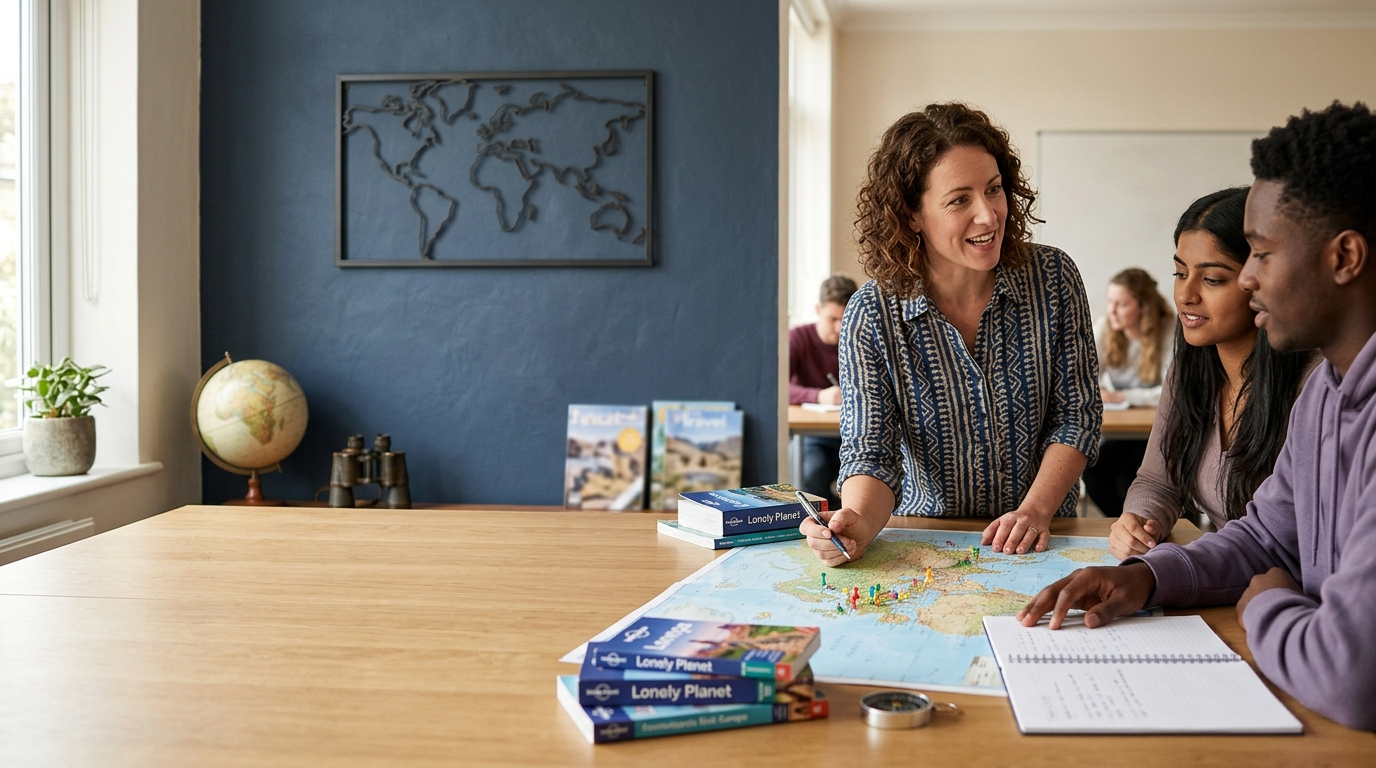
使用圖像作為想法提示。描述您注意到的內容,將其與您的經歷聯繫起來,然後回答真正的問題。

模範答案,並排聆聽
從更簡單的答案開始,切換 Band 來聽聽如何發展相同的任務,然後記錄個人回答。這些是教學範例,不是官方答案或分數保證。
Do you prefer to sit by the window when travelling?
Yes, I usually like to sit by the window when I travel. I enjoy looking at the view and it helps me sleep. If the journey is short I sometimes choose the aisle so I can get up more easily.
Most of the time I pick a window seat. I find it relaxing to watch the landscape go by and it’s easier to doze off with something to lean on. That said, on short trips or when I know I’ll need to move around a lot I’ll take an aisle seat so I can stretch my legs and get to the loo without disturbing others.
I generally prefer a window seat, though it depends on the type of trip. On trains and planes a window gives you uninterrupted views and a surface to rest your head, which makes sleeping easier and the journey feel less tiring. However, if it’s a short hop or I need to work on my laptop, I’ll opt for an aisle so I can stand up and move freely. Ultimately I choose the seat that best suits how I plan to spend the time – sightseeing and resting versus getting things done.
Did you have a long journey with your family as a child?
Yes, when I was a child we had long journeys with my family. We drove to the coast and it took many hours. We played games in the car and I remember being bored but excited to reach the beach.
When I was young my family often took long car journeys, usually to the coast or to visit relatives. One trip that sticks in my mind took about six hours; we passed through lots of countryside and my parents played music while we sang along. The journey felt long at the time, but it was also a chance to talk and play games, which made us feel closer.
Yes, several long journeys with my family are still vivid in my memory. One summer we drove for nearly eight hours to a coastal town; the route wound through hills and little villages and felt endless to a child. Despite the boredom, the drive became a time for family bonding — we shared snacks, told stories and our parents taught us to spot different types of birds and farm animals. Those stretches of road taught me patience and turned travelling from a chore into something I now associate with shared memories rather than just displacement.
如何回答旅遊雅思口說問題
This Travelling set contains 2 short interview questions. Start each answer with the information the examiner asked for, then extend it with one reason, example or contrast. The goal is spontaneous, connected speech—not a mini-essay.
- 準確回答第一句中的問題。
- 新增一個原因或具體的個人詳細資料。
- 僅當新增資訊時才使用範例或對比。
- 自然結束,讓考官提出下一個問題。
逐個問題的方法
| 練習題 | 有用的答案動作 |
|---|---|
| Do you prefer to sit by the window when travelling? | 直接回答,給出理由並添加一個自然的個人細節。 |
| Did you have a long journey with your family as a child? | 舉一個過去的真實例子,然後說明發生了什麼變化或為什麼它很重要。 |
詞彙重點
模型答案中已經展示的有用語言包括 window seat, aisle seat, stretch my legs, road trip, family bonding, long haul。學習每個含義和自然的單字夥伴關係,然後在新的答案中使用該項目,而不是複製完整的腳本。
要避免的常見錯誤
- 給出的記憶答案只能部分回答問題。
- 加入困難的詞彙而不檢查意義或搭配。
- 每次錯誤後重新啟動,而不是短暫修正並繼續。
- 在記錄您自己的第一次嘗試之前,請先閱讀標準答案。
旅行實作常見問題解答
對於第 1 部分的旅行,我的答案應該要多長?
目標是直接回答加上原因或細節,通常是兩到四句話。當想法完成時就停止,而不是強制固定字數。
我應該記住旅行模型答案嗎?
不。用它們來注意結構和語言,然後根據您自己的經驗回答。當考官改變問題時,記憶的措詞可能會失敗。
如果我沒有該主題的經驗怎麼辦?
誠實地說出來,然後解釋相關的偏好、觀察或假設的例子。您的評估標準是語言,而不是專業知識。
